Category
Manufacturer
Model
Damrow
Damrow is a key player in the packaging machinery sector, serving industries such as food, pharmaceuticals, and consumer goods. They offer a range of machines including vertical form-fill-seal machines and cartoners, which are popular for their reliability and efficiency. Their equipment is designed to adapt to various production needs.
FAQ:
What types of used Damrow packaging machinery are typically available for sale?
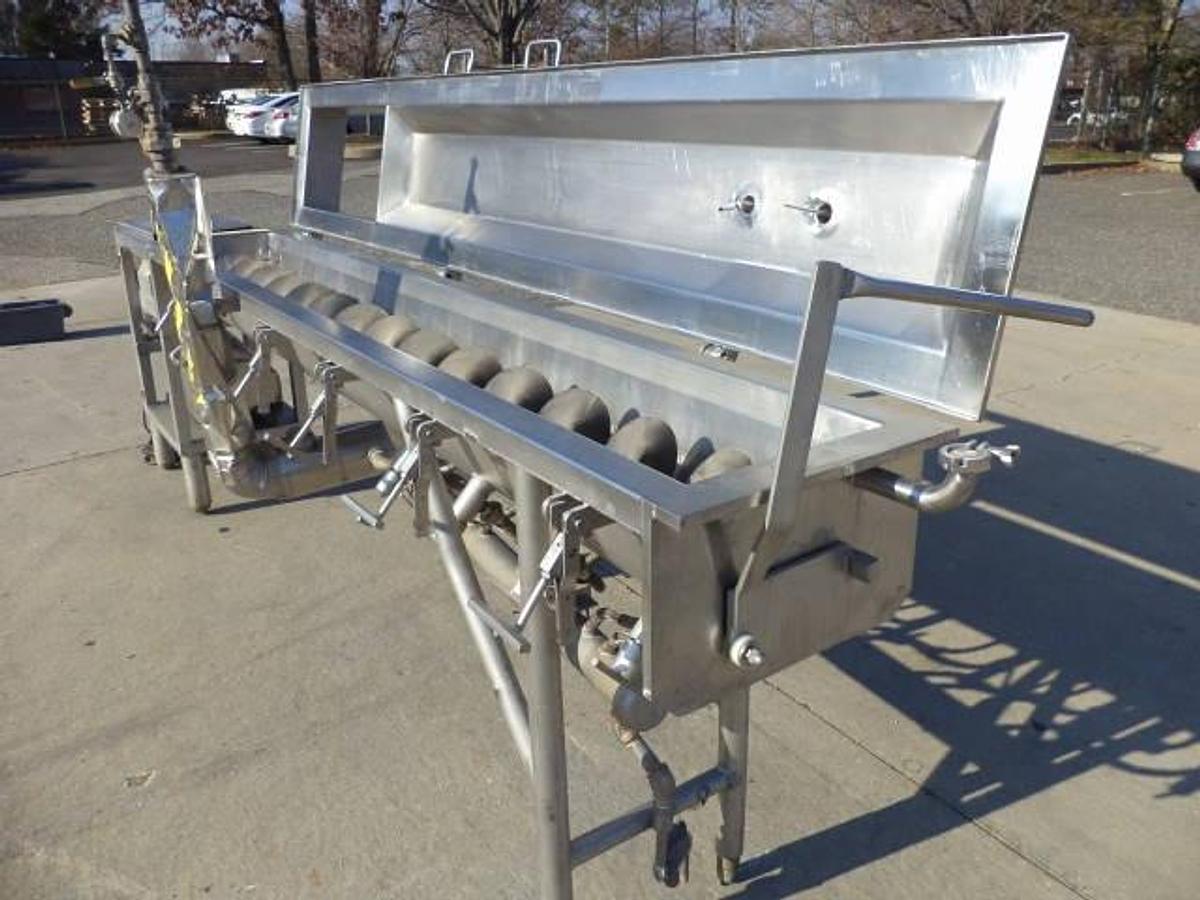
Damrow has built a strong reputation across several categories of packaging and food processing equipment. Used Damrow machines that appear on the market include vertical form-fill-seal machines, cartoners, screw cookers, and various stainless steel processing units designed for food manufacturing environments. The brand has deep roots in dairy and cheese processing, so a significant portion of the used inventory tends to reflect that heritage, with equipment suited to high-sanitation, food-grade production lines. A specific example of what surfaces in used equipment listings is the Damrow Brothers 15 In. x 120 In. SS Screw Cooker with steam injection, which illustrates the kind of heavy-duty, stainless steel fabrication the brand is known for.
Because Damrow equipment was designed to serve food, pharmaceutical, and consumer goods industries, buyers from a fairly wide range of sectors look for these machines. The availability of any particular model at a given time depends on what facilities are decommissioning or upgrading their lines, so the used market for Damrow equipment tends to fluctuate. Checking with specialized used industrial machinery dealers who focus on food processing and packaging equipment is generally the most reliable way to find current Damrow inventory, since these dealers maintain ongoing relationships with plants that are transitioning their equipment.
What industries is Damrow packaging and processing equipment best suited for?
Damrow equipment has historically been associated most closely with dairy processing, particularly cheese manufacturing, where the brand developed a strong foothold over decades of production. Their machines were engineered for the specific demands of that industry, including precise temperature control, steam injection capability, and stainless steel construction that meets food-grade sanitation standards. As a result, dairy processors, cheese producers, and related food manufacturers tend to be the most natural buyers for used Damrow equipment, since the machinery was purpose-built for those environments and operators in those industries are already familiar with how it works.
Beyond dairy, Damrow has also served broader food manufacturing, pharmaceutical, and consumer goods sectors with packaging machinery such as vertical form-fill-seal machines and cartoners. These machine types are versatile enough to handle a range of products, which means used Damrow packaging equipment can be a practical option for any operation that needs reliable, stainless steel construction and adaptable production capability. Buyers outside the dairy sector should review the specific model's design parameters carefully to confirm it fits their product and line requirements before committing to a purchase.
How do I verify the condition and working history of a used Damrow machine before purchasing?
Requesting a complete service and maintenance history is one of the most important steps a buyer can take before purchasing any used Damrow machine. This documentation gives a realistic picture of how hard the equipment was run, what repairs have been made, and what wear to anticipate going forward. If the seller cannot provide maintenance records, that should factor into the buyer's risk assessment and pricing expectations. In addition to paperwork, buyers should ask detailed questions about the machine's last known operational status, how long it sat idle if it was decommissioned, and whether any components were removed or replaced.
Most reputable used equipment dealers will accommodate inspections, either in person, through live video calls, or by providing detailed video walkthroughs of the machine. Some equipment may still be installed at the original production facility where it was used, in which case an in-person inspection can sometimes be arranged at the plant itself. Keep in mind that dealers typically do not have the permitting or infrastructure to run full production tests with actual product, so inspections focus on mechanical condition, visual assessment of wear, and operational checks where feasible. Buyers who are unfamiliar with Damrow equipment specifically may want to bring in a qualified technician or engineer who knows the machine type to evaluate it alongside them.
Are replacement parts still available for older Damrow machines?
Parts availability is one of the more significant practical concerns with older Damrow equipment, and it deserves careful attention before a purchase. Damrow's acquisition history means that support and parts supply can vary depending on the model and age of the machine. For some models, the manufacturer or its successor may still carry components, but for others, buyers may need to source parts from third-party suppliers, aftermarket fabricators, or by cannibalizing other used Damrow machines. Before finalizing a purchase, it is worth contacting the manufacturer directly to ask specifically about parts support for the model in question, since age and production status of a given line can significantly affect what is available.
The good news is that Damrow equipment is known for its heavy-duty stainless steel construction, which means structural components often hold up well over years of use. Many buyers find that the mechanical integrity of the machine remains sound even on older units, and the parts that typically need attention are wear items like seals, gaskets, and drive components that are more commonly available through industrial supply channels. Buyers should factor potential parts sourcing challenges into their total cost of ownership estimate, and dealers who specialize in food processing equipment may be able to advise on parts availability for specific Damrow models based on their experience with the equipment.
Does used Damrow machinery come with a warranty?
Used Damrow machinery is generally sold on an as-is basis, which is standard practice across the used industrial equipment market. Warranties are typically offered by manufacturers on new equipment, not by used equipment dealers reselling machines that have already been in production. This places the responsibility of due diligence squarely on the buyer, which is why thorough inspection and review of maintenance history are so critical before any purchase is made. Buyers should not assume any coverage exists unless it is explicitly stated in writing by the seller.
The best way to protect yourself in an as-is transaction is to work with dealers who have a long, verifiable track record of selling machinery in the food processing or packaging space and who specialize in the type of equipment you are buying. Experienced dealers in a specific niche tend to have more accurate knowledge of the machines they sell, are more likely to represent condition honestly, and are more willing to accommodate thorough pre-purchase inspections. Consulting directly with Damrow or its current successor regarding the level of technical support available for a specific model is also a smart move, since manufacturer support can vary considerably based on how old the machine is and whether that product line is still active.
What should I expect to pay for used Damrow packaging equipment?
Pricing for used Damrow machinery varies considerably depending on the type of machine, its age, condition, configuration, and what the market looks like at the time of purchase. Simpler processing units or components may be available at relatively modest prices, while more complex, fully configured packaging lines or larger-scale processing equipment can run into higher five-figure territory. Stainless steel construction adds inherent scrap and rebuild value to Damrow equipment, which tends to put a floor under pricing even on older machines that need work. Buyers looking for a bargain should weigh the purchase price against the realistic cost of any refurbishment, parts replacement, or integration work required to get the machine running in their facility.
It is also worth calculating the full landed cost before comparing prices across listings. Shipping, rigging, crating, and installation can add meaningfully to the total investment, particularly for larger or heavier Damrow equipment that requires specialized handling. Getting a clear picture of those additional costs from the dealer upfront prevents surprises after a purchase is committed. Comparing a few sources and understanding what is and is not included in a quoted price is a standard part of buying used industrial equipment, and dealers who specialize in food processing machinery tend to be the most transparent about these cost components.
How does used Damrow equipment compare to buying new packaging machinery?
The primary advantage of buying used Damrow machinery is cost. A used machine in good working condition can be acquired for a fraction of what comparable new equipment would cost, which makes it an appealing option for operations that are scaling up, replacing a single piece of a larger line, or working within a tighter capital budget. Damrow's reputation for durable stainless steel construction means that used units often retain meaningful structural and mechanical value, so buyers are not necessarily sacrificing reliability by going the used route, provided the machine has been properly maintained and inspected before purchase.
The trade-offs are worth understanding clearly. Used equipment comes without the support infrastructure that typically accompanies a new machine purchase, including installation support, operator training, and manufacturer-backed service agreements. Parts availability may be more limited depending on the model's age, and the buyer takes on more of the risk around condition and future maintenance costs. For operations with experienced maintenance staff, access to qualified technicians, and a clear understanding of what they are buying, used Damrow equipment can deliver strong value. Buyers with less internal technical capacity may find the lower upfront cost offset by higher ongoing support expenses.
How is used Damrow machinery typically shipped, and what does it cost?
Shipping costs for used Damrow equipment depend on several factors, including the size and weight of the machine, the distance it needs to travel, and the level of packaging or crating required to protect it in transit. Smaller components or benchtop units can often be palletized and shipped via standard freight carriers at relatively reasonable cost. Larger machines, such as full-scale screw cookers or complete packaging lines, may require flatbed transport, specialized freight handling, and heavier-duty crating to prevent damage during loading, transit, and unloading. Buyers should ask the dealer for a detailed breakdown of packaging, rigging, and freight costs before finalizing a purchase so there are no surprises in the total landed price.
Rigging is a separate cost that often gets overlooked in initial price comparisons. Loading a heavy Damrow machine onto a truck at the dealer's facility and unloading it at the buyer's location may require crane services, forklifts, or other specialized equipment, all of which add to the total cost. Some dealers coordinate this logistics work directly; others leave it to the buyer to arrange. Clarifying who is responsible for each step of the move, and getting cost estimates for each component, is an important part of the purchasing process for any large used industrial machine.
What payment terms are typical when buying used Damrow machinery?
The standard payment structure in the used industrial equipment market requires full payment before the machine is shipped. This applies broadly across dealers selling used Damrow and similar food processing or packaging equipment. The logic is straightforward: once a machine leaves a dealer's facility, it is difficult to recover if payment falls through, so sellers protect themselves by requiring cleared funds upfront. Buyers should plan their financing or capital allocation accordingly and not expect the same net-term arrangements that might apply in other B2B purchasing contexts.
Some dealers do offer extended or flexible payment terms to buyers with whom they have an established relationship and transaction history. If you are a repeat customer or are purchasing multiple pieces of equipment, it is worth asking whether any terms are available, though there is no guarantee. Wire transfer is the most common payment method for transactions of this size, and buyers should verify banking details carefully and through confirmed channels before sending funds. Working with dealers who have a documented track record and verifiable business history reduces the risk inherent in upfront payment arrangements.
How do I arrange an inspection of a used Damrow machine before committing to a purchase?
Most reputable used equipment dealers will offer buyers the option to inspect a machine before purchase, either in person at the dealer's facility or through a virtual inspection conducted via live video call or a pre-recorded detailed video walkthrough. The goal of any inspection is to get an accurate, honest picture of the machine's current mechanical condition, visible wear, and operational status. Buyers who are seriously considering a purchase should not skip this step, particularly for higher-value equipment or machines that will be central to a production line.
In some cases, used Damrow equipment may still be located at the facility where it was originally used, either still in production or recently decommissioned. In those situations, the dealer can often coordinate an in-person inspection at the plant between the buyer and the facility owner. This can be especially valuable because it may allow the buyer to see the machine operating under real conditions. One important caveat: dealers generally cannot run full production tests with actual product at their own facilities, as that requires production permitting and infrastructure that equipment dealers do not maintain. Inspections therefore focus on mechanical checks, visual condition assessment, and operational verification where possible. Bringing a qualified technician familiar with Damrow or similar food processing equipment to any inspection is a sound investment.