Category
Manufacturer
Model
FAQ:
What types of used creamery packaging equipment are typically available on the secondary market?
Used creamery packaging equipment covers a broad range of machinery designed for butter, cream cheese, sour cream, heavy cream, ice cream, and artisan cheese products. Common equipment types include filling machines, cup and tub sealers, form-fill-seal (FFS) units, carton erectors and sealers, labelers, overwrappers, and insulated mix tanks. You'll also find ancillary equipment like conveyors, date coders, and checkweighers that integrate into a complete packaging line. Stainless steel construction is standard across most dairy-grade machinery because it resists corrosion, tolerates frequent sanitation cycles, and meets food-grade requirements.
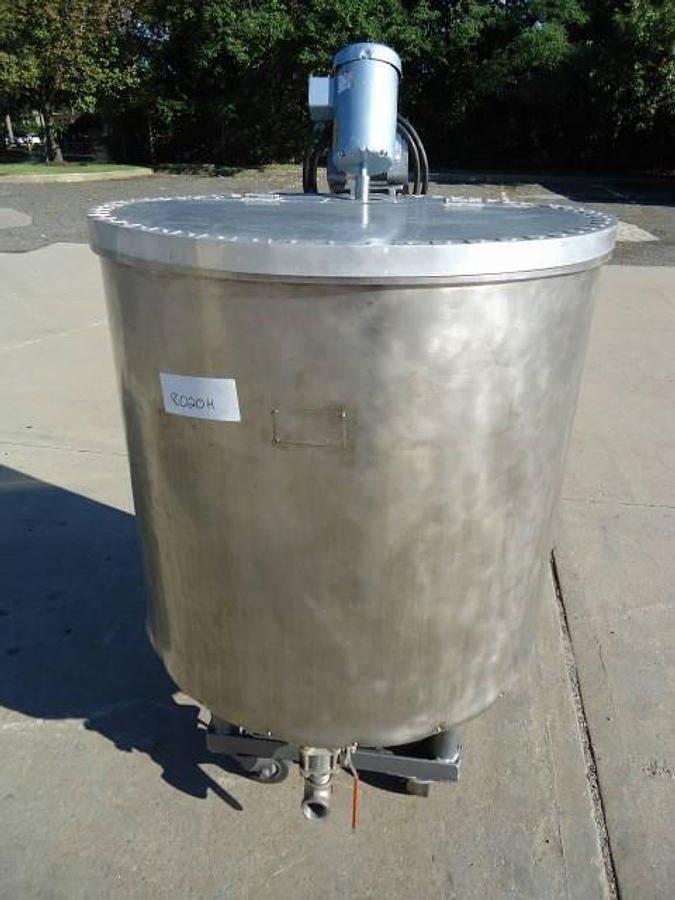
Insulated mix tanks are one of the more commonly listed pieces of creamery equipment on the used market. A 100-gallon stainless steel insulated mix tank, for example, is a practical piece for small and mid-size creameries that need to hold, blend, or temper product before it moves into the packaging stage. Buyers sourcing used equipment should pay close attention to the condition of seals, gaskets, agitators, and sanitary fittings, as these components see the most wear in a dairy environment and may need replacement before the machine returns to production.
What should buyers inspect when purchasing used dairy packaging machinery?
A thorough inspection is the single most important step in any used equipment purchase, especially for food-grade dairy machinery. Buyers should evaluate the overall structural condition of the frame and any stainless steel surfaces, looking for cracks, pitting, or corrosion that could harbor bacteria or compromise sanitation. Mechanical components like pumps, motors, sealing heads, and conveyors should be examined for wear, and any pneumatic or electrical systems should be reviewed for functionality. Sanitary fittings, valves, and gaskets are wear items that may need replacement regardless of the machine's age, so factoring those costs into the purchase decision is wise.
Most reputable used equipment dealers offer in-person inspections, virtual walkthroughs, or detailed video captures of the machinery so buyers can assess condition before committing. Some equipment may still be installed and running at a production facility, which gives buyers the rare opportunity to see it operating under real conditions. Keep in mind that dealers typically do not have the permitting required to run actual dairy product through a machine, so functional testing with product is generally not possible at a dealer's location. Consulting with the original equipment manufacturer about parts availability and service support for a specific model and age is also a smart step before finalizing any purchase.
What materials are used in creamery packaging equipment, and why does stainless steel matter for dairy applications?
Stainless steel, specifically 304 and 316 grades, is the dominant material in creamery packaging machinery because of its corrosion resistance, durability, and compatibility with the aggressive cleaning chemicals used in dairy sanitation programs. Dairy products are high in fat and protein, which means residue can quickly become a breeding ground for pathogens if equipment surfaces are not easy to clean and resistant to pitting. Stainless steel surfaces can withstand repeated exposure to caustic cleaners, sanitizers, and high-temperature washdowns without degrading, which is why it has been the industry standard for decades. Plastic and rubber components used in contact zones, such as gaskets, seals, and conveyor belts, must be food-grade rated as well.
When evaluating used creamery equipment, the condition of stainless steel surfaces is a key indicator of how well the machinery was maintained. Surface pitting, deep scratches, or rust staining can signal improper cleaning practices or extended exposure to corrosive environments, both of which are red flags. A well-maintained stainless steel tank or filler should have smooth, polished product-contact surfaces with no visible damage. Buyers should also confirm that any replacement gaskets, O-rings, or seals they plan to install meet food-grade material specifications, as these components directly contact dairy product during operation.
How does buying used creamery packaging equipment compare to purchasing new machinery?
Used creamery packaging equipment offers a significantly lower upfront cost compared to purchasing the same class of machinery direct from a manufacturer. For small and mid-size creameries, artisan producers, or businesses scaling up production gradually, this cost difference can be substantial enough to free up capital for other operational priorities like facility upgrades, staffing, or product development. Used equipment also tends to have shorter lead times since it is already built and available, whereas manufacturer lead times for specialized dairy machinery can stretch from several months to over a year depending on the model and current demand.
The trade-off with used equipment is that buyers take on more responsibility for due diligence. Used machines are typically sold as-is, without the coverage that might accompany a purchase directly from a manufacturer. This means the buyer needs to invest time in a proper inspection, understand the service history of the machine if it is available, and budget for any reconditioning or parts replacement that may be needed before the equipment goes back into production. Selecting a dealer who specializes in food and dairy machinery, has a verifiable track record, and is willing to accommodate thorough inspections goes a long way toward reducing the risk inherent in any used equipment purchase.
What is the typical process for buying used creamery equipment from a dealer?
The process generally starts with identifying the specific type of equipment needed, whether that is a filling machine, mix tank, sealer, or a full packaging line. Buyers then work with a dealer to locate available inventory that matches their production requirements, including capacity, speed, and any sanitary or format-specific specifications. Once a machine is identified, the next step is requesting detailed photos, video footage, or arranging an in-person or virtual inspection to assess the machine's current condition. This is the stage where buyers should ask specific questions about the machine's service history, the reason it was taken out of production, and whether any components have been recently replaced.
After inspection and agreement on price, most used equipment dealers require full payment prior to shipping. Some dealers extend payment terms to established repeat customers, but this is not standard practice for first-time buyers. Once payment is confirmed, the dealer arranges packaging, rigging, and freight. Buyers should ask for a detailed breakdown of all costs including crating, rigging for loading and unloading, and freight to their facility, since these can add meaningfully to the total landed cost of the equipment. Larger pieces of creamery equipment like insulated mix tanks or multi-head fillers may require a crane or forklift for unloading, so coordinating that in advance avoids delays on delivery day.
What sizes of creamery mix tanks are commonly available on the used equipment market?
Used creamery mix tanks are available across a range of capacities, from small bench-top units suited for artisan or craft producers up to large-scale tanks used in commercial dairy operations. On the smaller end, 50 to 100-gallon stainless steel insulated tanks are frequently listed and are well-suited for operations that blend, temper, or hold product in batches before packaging. Mid-range tanks in the 200 to 500-gallon range are common in regional creameries, while larger operations may seek tanks of 1,000 gallons or more. Tank specifications that matter beyond capacity include the presence of an agitator, jacketing for heating or cooling, sanitary fittings, and the overall condition of interior surfaces.
A 100-gallon stainless steel insulated mix tank is a practical starting point for many small creameries because it offers enough volume to run meaningful production batches without requiring the floor space or utilities that larger tanks demand. When evaluating any used mix tank, buyers should check the condition of the insulation jacket, the agitator shaft and blades, all valves and ports, and the interior weld quality. Scratches or rough welds inside the tank can trap product and make proper sanitation difficult. If the tank includes a motor-driven agitator, confirming that the motor runs and that the drive components are in good working order should be part of any inspection checklist.
How is used creamery packaging equipment typically shipped, and what should buyers expect for freight costs?
Shipping used dairy equipment involves more complexity than standard freight because of the size, weight, and fragility of many machines. Smaller items like tabletop sealers or labelers can often be palletized and shipped via standard LTL (less-than-truckload) freight carriers. Larger equipment like mix tanks, form-fill-seal machines, or multi-component packaging lines typically requires custom crating to prevent damage in transit, and the cost of that crating varies based on the dimensions and weight of the machine. Buyers should ask dealers for a specific quote on packaging and crating before finalizing a purchase so there are no surprises.
Beyond the crating itself, loading and unloading larger pieces of creamery equipment often requires rigging services, which is a separate cost that the buyer needs to plan for on their end. A forklift with adequate capacity or a crane may be needed depending on the machine's weight and configuration. Some dealers include loading rigging in their pricing while others quote it separately, so clarifying this upfront is important. The total landed cost of used equipment, meaning the purchase price plus crating, freight, and unloading rigging, can differ significantly from the listed price, and factoring all of those components into a budget comparison against other sourcing options gives a more accurate picture of the true cost.
What dairy products are typically packaged using the types of equipment found on the used market?
Creamery packaging equipment on the secondary market covers a wide range of dairy product formats. Filling and sealing machines handle liquid and semi-liquid products like heavy cream, half-and-half, sour cream, yogurt, and drinkable dairy beverages. Tub and cup sealers are used for products like cottage cheese, cream cheese, butter spreads, and ice cream. Form-fill-seal equipment can handle both rigid and flexible packaging formats, making it adaptable for products ranging from shredded cheese to portioned butter pats. Mix tanks, which are among the more commonly listed pieces of used creamery equipment, serve as holding and blending vessels for ice cream bases, flavored creams, and cultured dairy products before they move into a packaging line.
Artisan and small-batch creameries are a growing segment of buyers in the used equipment market because the economics of purchasing pre-owned machinery align well with their production volumes and capital constraints. A small creamery producing flavored butters, fresh cheeses, or specialty cream products can often find the right used equipment at a fraction of the cost of comparable new machinery, allowing them to scale production without overextending financially. The key is matching the machine's original design and capacity to the specific product and packaging format the buyer intends to run, since dairy equipment is often engineered for particular viscosities, fill weights, or container types.
Are used creamery packaging machines suitable for both refrigerated and frozen dairy products?
Many types of creamery packaging equipment are designed to handle both refrigerated and frozen dairy applications, though the suitability of any specific machine depends on its design, the materials used in its construction, and the temperature ranges it was built to operate within. Equipment like stainless steel insulated mix tanks, for example, are commonly used in both chilled and frozen product applications because the insulation and jacketing systems are designed to maintain precise temperature control regardless of whether the product is being held cold or frozen. Filling machines and sealers, on the other hand, may have material or mechanical limitations that make them better suited to one temperature range than the other.
When sourcing used equipment for a specific temperature application, buyers should confirm the operating parameters of the machine and ask the dealer whether it was previously used for refrigerated, frozen, or ambient product. Machines that have been used in frozen environments may show wear on seals, pneumatic lines, and lubrication points that differs from refrigerated-duty wear patterns. Inspecting these components carefully, or having a qualified technician review them, helps buyers understand what reconditioning may be needed before putting the machine into service. Consulting with the equipment manufacturer about the model's rated temperature range and any known limitations for frozen applications is also a practical step.
How do buyers find reputable dealers for used creamery and dairy packaging equipment?
Reputation and specialization are the two most important factors when selecting a dealer for used dairy packaging equipment. Dealers who focus specifically on food and beverage machinery, and particularly those with experience in dairy and creamery equipment, are better positioned to accurately describe machine condition, answer technical questions, and source the right equipment for a buyer's specific application. A dealer's track record, measured by years in business, customer references, and the depth of their inventory in a given category, is a meaningful indicator of reliability. Buyers should be cautious of generalist resellers who list dairy equipment alongside unrelated industrial machinery without demonstrating any real familiarity with the category.
Beyond the dealer's background, the willingness to accommodate thorough inspections is a strong signal of credibility. Reputable dealers offer in-person visits, virtual walkthroughs, or detailed video documentation of machines so buyers can make informed decisions. They are also transparent about what they know and don't know regarding a machine's history, which is honest and appropriate given that used equipment rarely comes with complete service records. Buyers should also reach out directly to the equipment manufacturer for the model they are considering, both to understand parts availability and to get a realistic picture of what technical support they can expect for a machine of that age and configuration.