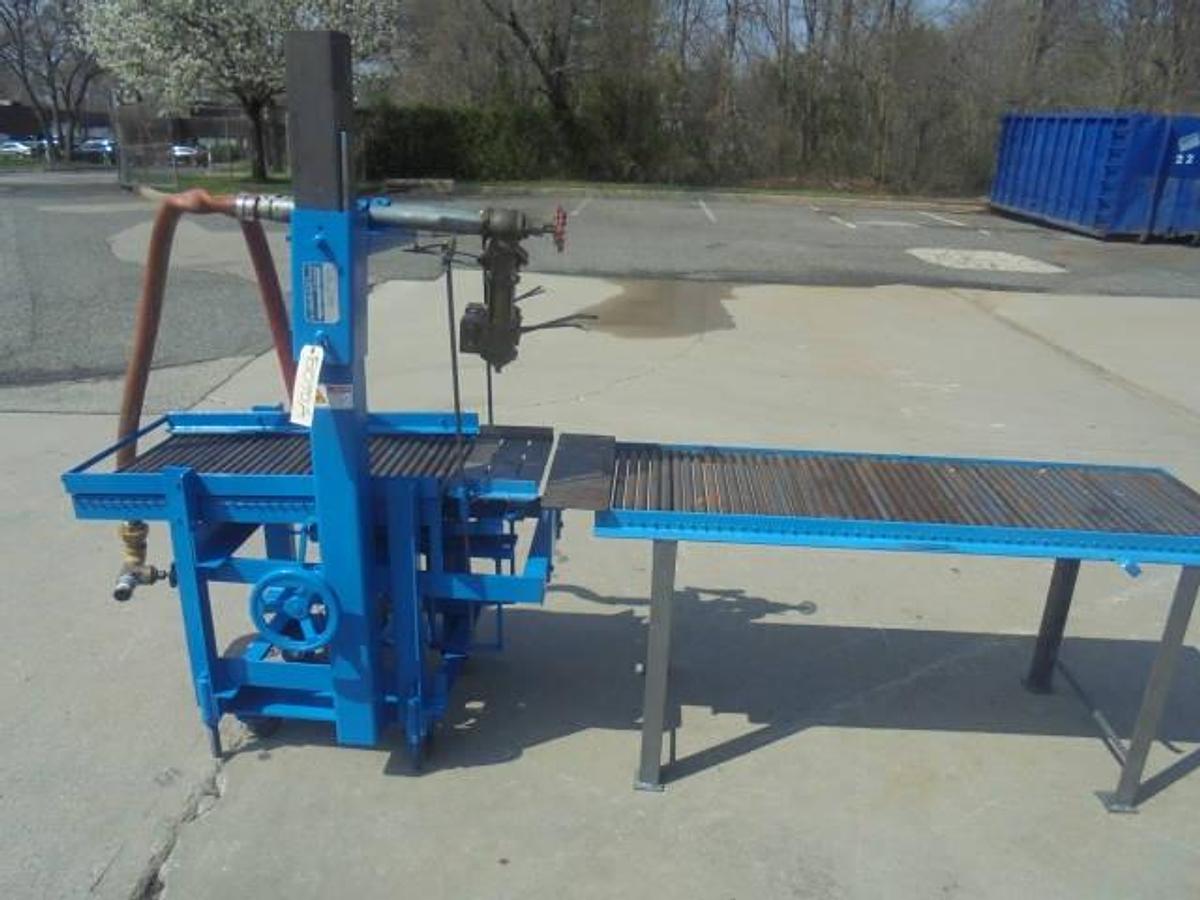
Category
Manufacturer
Model
Crandall
Crandall specializes in packaging solutions, providing machinery that is crucial for efficient transport and storage. Known for their robust designs, their machines cater to industries like food and consumer goods, ensuring products are securely packaged and preserved.
FAQ:
What types of packaging machinery does Crandall manufacture?
Crandall produces packaging equipment designed for efficient product transport and storage across a range of industrial applications. Their lineup includes filling machines, with models like the A2/10PTS capable of handling fill sizes up to 10 liters, as well as other packaging solutions built around securing and preserving products through the supply chain. The brand is recognized for producing mechanically sound, durable equipment that holds up in demanding production environments.
Broadly speaking, industrial packaging machinery falls into several categories: form-fill-seal machines, volumetric and liquid fillers, bagging equipment, conveyors, and labeling systems. Crandall equipment tends to fit into the filling and packaging side of that spectrum, making it particularly relevant for operations that need consistent, repeatable fill volumes across containers or packages. Buyers looking at used Crandall machines should confirm the specific model's capabilities and intended application before purchasing, since the used market can include equipment from multiple product generations with varying specifications.
What industries commonly use Crandall packaging equipment?
Crandall packaging machinery is well suited for food processing, consumer goods manufacturing, and agricultural product handling. The equipment's design emphasis on secure, preserved packaging makes it a practical fit for any operation where product integrity during storage and transit is a priority. Food and beverage producers, in particular, rely on filling and packaging equipment in this category to maintain consistent output volumes and meet regulatory packaging standards.
Beyond food and consumer goods, buyers in chemical processing and industrial goods sectors also purchase mid-range packaging machinery of this type. The common thread across these industries is a need for reliable, repeatable packaging at production scale. When evaluating a used Crandall machine, it helps to ask about the previous production environment, since equipment that ran food-grade products may have different cleaning and certification histories than machinery used in chemical or industrial applications. That operational history can affect both the machine's current condition and its suitability for a new buyer's intended use.
Where can I find used Crandall packaging machinery for sale?
Used Crandall packaging equipment surfaces through several channels in the industrial surplus market. Reputable used equipment dealers who specialize in packaging machinery are often the most reliable source, since they typically have direct knowledge of a machine's history and can facilitate inspections before purchase. Dealers who focus specifically on packaging and processing equipment are better positioned to answer technical questions about a particular Crandall model than general industrial surplus platforms.
Beyond specialty dealers, used Crandall machines also appear through industrial auctions and surplus liquidation events, where equipment is sold following plant closures or production line upgrades. The trade-off with auction purchases is that inspection opportunities may be limited and machines are sold strictly as-is with little recourse after the sale. For buyers who want more visibility into a machine's condition and operational history, working with an established used equipment dealer who can arrange a proper inspection is generally the more prudent route.
What should I inspect before buying a used Crandall packaging machine?
Before committing to a used Crandall machine, buyers should request as much documentation as possible on the equipment's service history, previous production environment, and any known mechanical issues. Key mechanical areas to evaluate include the filling mechanism, drive components, seals, and any electronic controls or sensors. Wear on high-cycle components is expected on used machinery, but the extent of that wear directly affects how much refurbishment a buyer should budget for after purchase.
Most reputable used equipment dealers will accommodate in-person inspections, video walkthroughs, or detailed photo documentation of the machine's current condition. Some machines may still be running in an active facility, which can allow a buyer to observe the equipment operating under real production conditions. Keep in mind that dealers generally cannot run product through a machine during a demonstration due to permitting and facility constraints, so the inspection will focus on mechanical condition rather than a full production trial. Buyers should also contact the manufacturer directly to understand what level of technical support and parts availability they can expect for the specific model and age of machine they are considering.
Are replacement parts available for older Crandall packaging machines?
Parts availability is one of the most important practical considerations for buyers of used packaging machinery, and it deserves serious attention before a purchase is finalized. For older or discontinued models, the manufacturer may have limited stock of proprietary components, which means buyers could need to source aftermarket or third-party replacement parts to keep the equipment running. Contacting Crandall directly before purchasing a used machine is a smart step, since the manufacturer can clarify which parts are still available, which are no longer supported, and what the lead times look like for components that are in stock.
For mechanical components that are no longer available through the manufacturer, buyers often turn to third-party machine shops capable of fabricating wear parts, or to the broader industrial parts aftermarket. Electrical components like PLCs, sensors, and drives can sometimes be sourced through industrial electronics suppliers even when the machine itself is no longer in production. The age and model of the specific Crandall unit being considered will largely determine how straightforward or challenging the parts situation will be, so that research is worth doing upfront rather than after the machine has arrived at a facility.
What is the typical price range for used Crandall packaging equipment?
Pricing for used Crandall packaging machinery varies considerably based on the specific model, age, mechanical condition, and current market demand for that type of equipment. Filling machines in the size class of the Crandall A2/10PTS, for example, will be priced differently than larger or more complex packaging lines. Generally speaking, used industrial filling and packaging equipment in good working condition can range from a few thousand dollars for simpler standalone units to tens of thousands for larger, more automated systems with modern controls.
Buyers should factor in more than just the purchase price when evaluating total cost. Shipping, rigging, any required refurbishment, and the cost of sourcing replacement parts for worn components all contribute to the true landed cost of a used machine. Getting a clear picture of the machine's current condition through a thorough inspection, and consulting with the manufacturer on parts availability, will give a buyer the information needed to assess whether the asking price reflects fair value given what the equipment will actually cost to put into production.
Does buying used packaging machinery come with any warranty protection?
Warranties on used industrial machinery are generally not offered by used equipment dealers. The standard practice in the used equipment market is to sell machines as-is, which places the responsibility for evaluating condition squarely on the buyer. This is why the inspection process is so critical. A buyer who skips a thorough pre-purchase inspection has little recourse if mechanical problems surface after the sale.
Manufacturer warranties, by contrast, apply to equipment purchased directly through authorized channels and typically do not transfer to subsequent owners or cover machines of significant age. Buyers should select used equipment dealers with a demonstrated track record in packaging machinery specifically, since industry specialization means the dealer is more likely to accurately represent a machine's condition and less likely to misrepresent what a particular model is capable of. Asking the dealer about their history, the volume of similar equipment they have sold, and their process for evaluating machines before listing them are all reasonable due diligence steps that can reduce risk when purchasing used.
How does shipping and logistics work when purchasing a used Crandall machine?
Shipping costs for used packaging machinery depend on the size and weight of the equipment, the distance it needs to travel, and the level of packaging or crating required to prevent damage in transit. Smaller standalone machines may ship on a standard pallet with appropriate blocking and bracing, while larger or more complex equipment typically requires custom wooden crating to protect sensitive components. Buyers should ask the dealer specifically what packaging method will be used and whether that cost is included in the quoted price or billed separately.
For heavier equipment, rigging is an additional consideration. Loading a machine onto a freight carrier and unloading it at the destination may require a forklift, crane, or specialized rigging crew, all of which add to the total landed cost. Buyers receiving large machinery at their facility should confirm in advance that they have the equipment and clearance needed to unload safely. Getting a full breakdown of packaging, rigging, freight, and any accessorial charges before agreeing to a purchase is the best way to avoid cost surprises once the equipment is in transit.
What payment terms are standard when buying used packaging machinery?
The standard practice among used equipment dealers is to require payment in full before a machine is released for shipment. This applies to the large majority of transactions, particularly for buyers who are purchasing from a dealer for the first time. Common payment methods include wire transfer and cashier's check, though dealers may accept other forms depending on the transaction size and their internal policies. Buyers should confirm accepted payment methods and the exact timing of payment relative to shipment during the negotiation process.
Some dealers extend payment terms to established customers with a history of repeat purchases, but this is the exception rather than the rule. Buyers who need financing should explore equipment financing through third-party lenders or their own banking relationships, as most used equipment dealers do not offer in-house financing programs. Having financing arranged in advance of identifying a machine to purchase can speed up the transaction considerably, since used equipment inventory moves and a machine that is available today may not be available a few weeks later.
Can used Crandall packaging machinery be adapted or modified for a different production application?
Used packaging machinery can sometimes be adapted for applications that differ from the machine's original configuration, but the feasibility depends heavily on the specific model and how different the intended use is from the equipment's design parameters. Filling machines, for example, are often built around a particular fill volume range, container type, or product viscosity. A machine designed for free-flowing liquids may require significant modification to handle thicker or particulate-laden products, and not all machines are worth the investment to modify.
Before purchasing a used Crandall machine with plans to repurpose it, buyers should consult with a qualified packaging machinery technician or the manufacturer to assess what modifications are feasible and what they would cost. The manufacturer can advise on whether the machine's mechanical design supports the intended change, and whether doing so would affect the availability of support or parts. In some cases, a machine that is a closer match to the intended application will be a better investment than a lower-priced unit that requires extensive rework to function correctly in a new production environment.