Category
Manufacturer
Model
Cozzoli
Cozzoli is a long-established name in the packaging industry, offering a broad spectrum of filling and capping equipment. Their machines are pivotal in the pharmaceutical and cosmetic industries, ensuring precise filling processes and enhancing production line efficiency.
FAQ:
What types of Cozzoli filling and capping machines are available on the used equipment market?
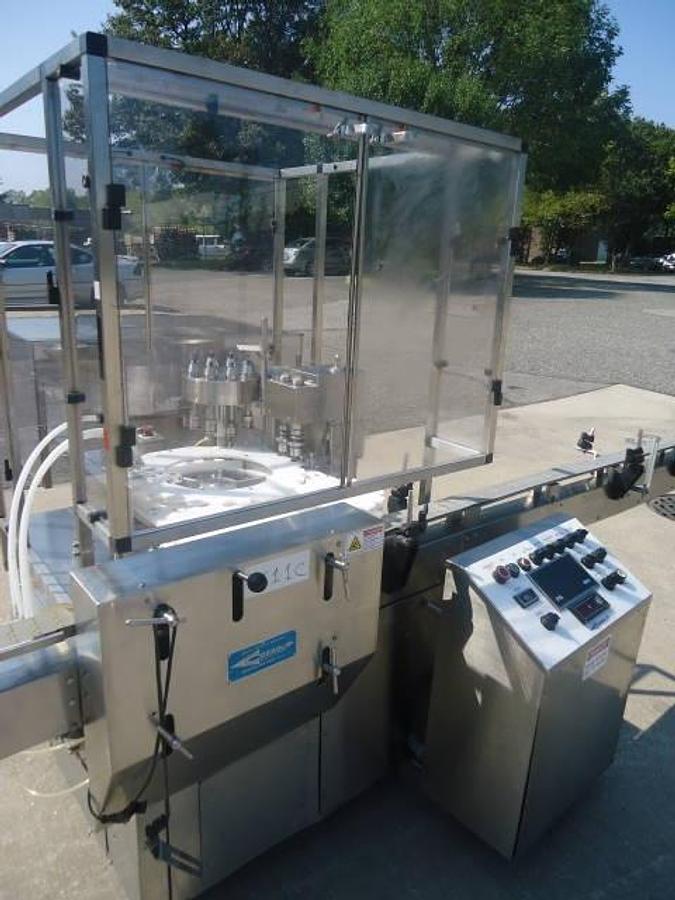
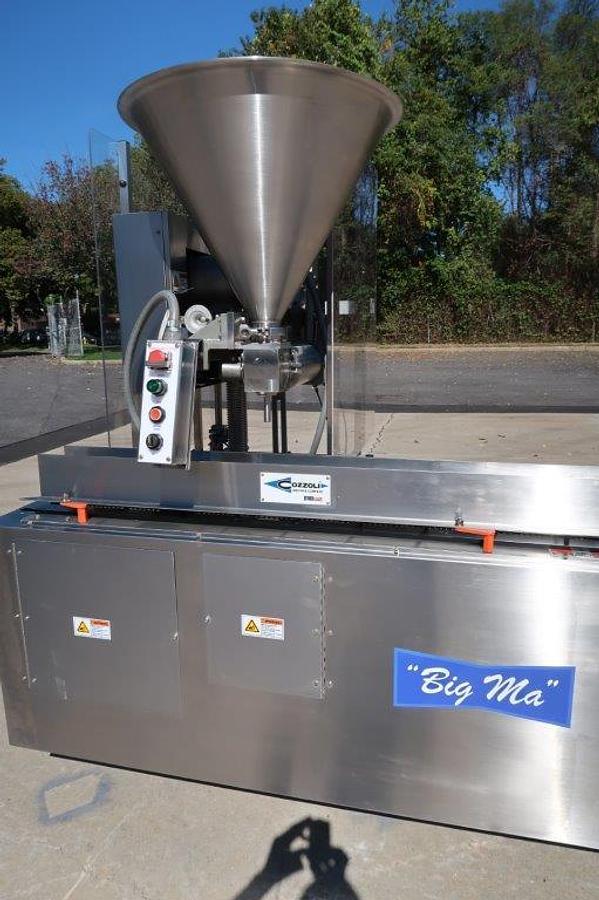
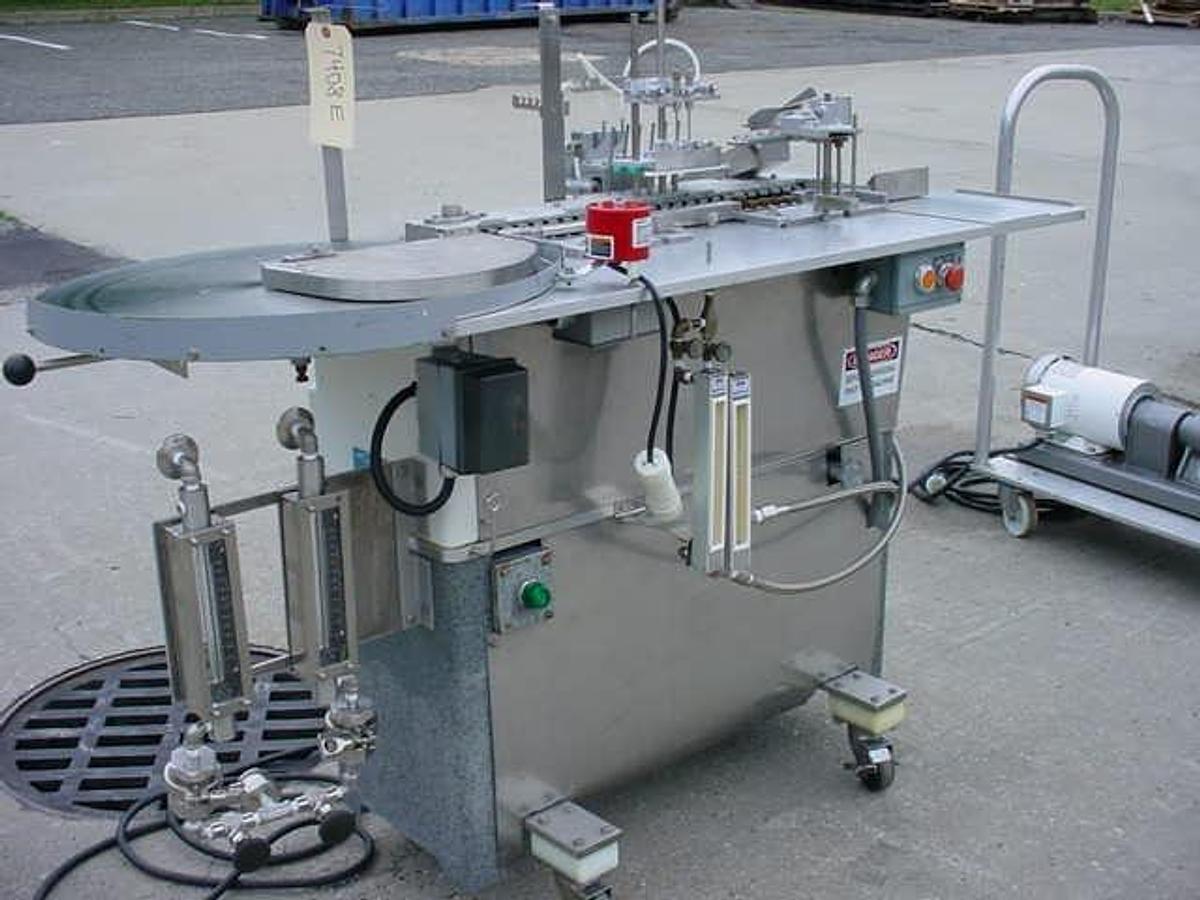
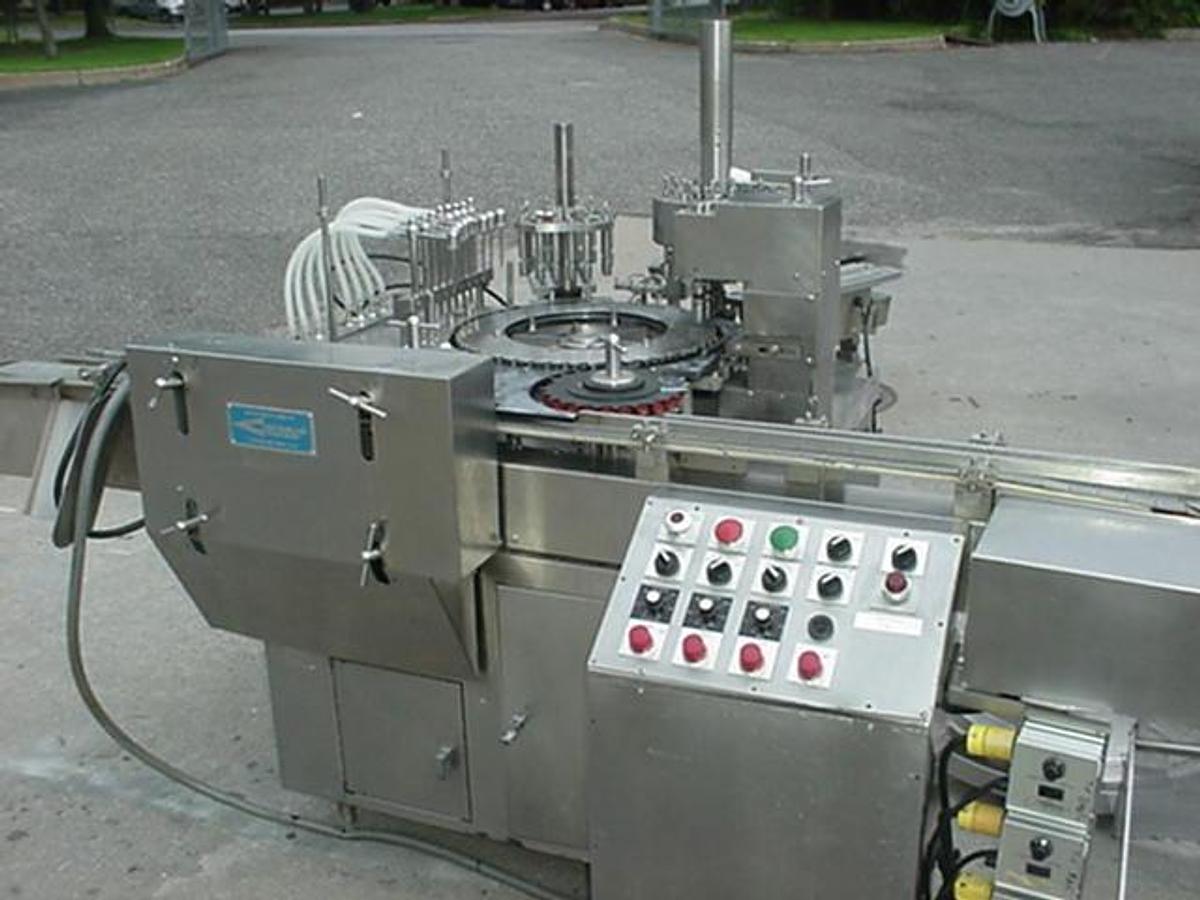
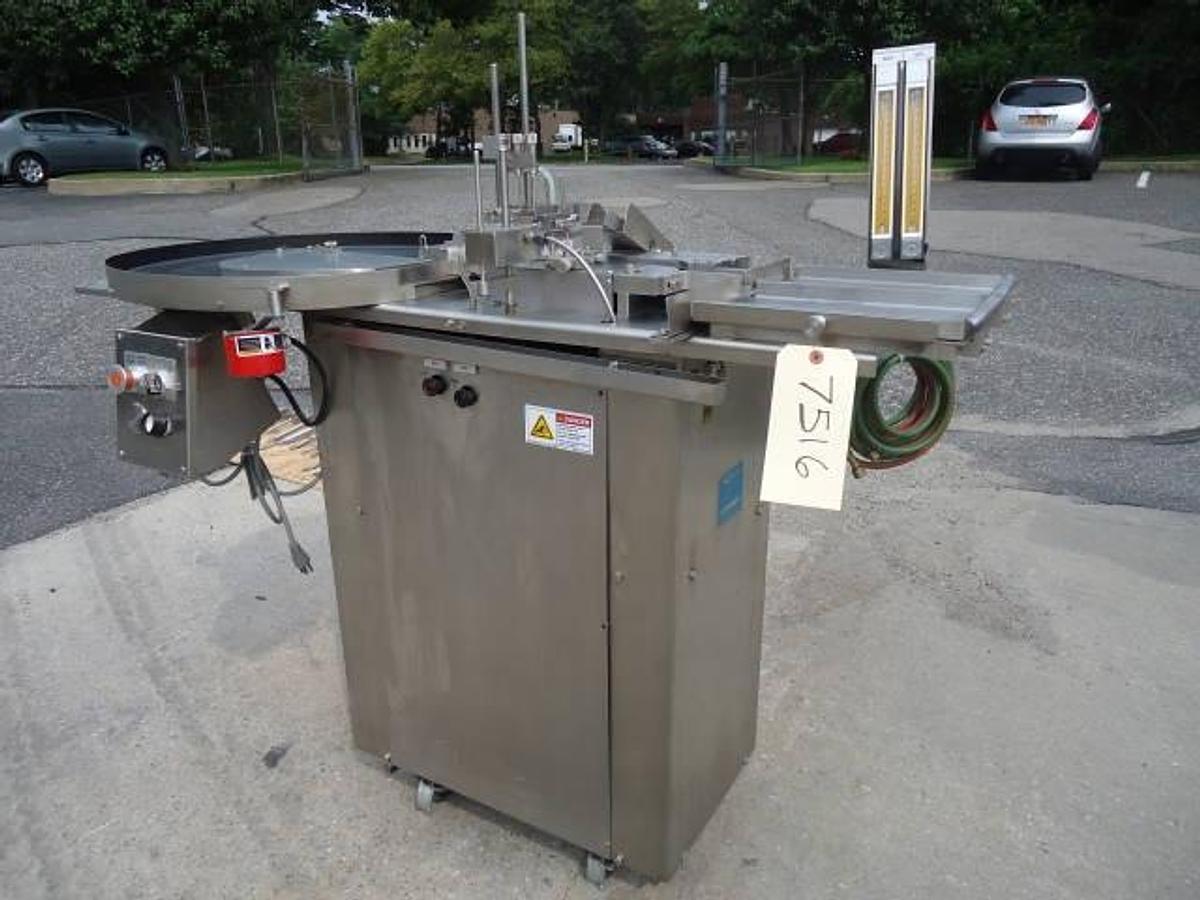
The used Cozzoli equipment market covers a wide range of machine types, reflecting the breadth of the company's product line. Common machines that appear for sale include single-head and multi-head piston fillers, rotary positive displacement fillers, straight-line automatic filling machines, tabletop twin piston fillers, mono-block filler/screw capper combinations, mono-block filler/plugger/screw capper systems, and ampule filler/sealers. Vial washers, such as the GW-1220 stainless steel model, also appear regularly. Fill capacities vary considerably across listings, with some machines handling small volumes like 240cc pistons and others going up to 600cc or even 72 ounces per fill cycle.
On the capping side, Cozzoli equipment supports multiple closure types including screw caps, ROPP caps, press-on caps, and crimp seals. Mono-block configurations are particularly sought after because they combine filling and capping functions in a single footprint, which reduces floor space requirements and simplifies line integration. Buyers looking for high-speed production will find rotary models like the Versa-Fil 6 Head, capable of filling up to 90 containers per minute, while those needing a more compact benchtop solution often gravitate toward tabletop models like the F520. The variety available in the used market makes it realistic to find a machine matched closely to a specific application without purchasing brand-new equipment.
What industries use Cozzoli filling and capping equipment?
Cozzoli filling and capping machines have a particularly strong presence in the pharmaceutical and nutraceutical industries, largely because many of their machines are designed to comply with current Good Manufacturing Practice (cGMP) standards. In pharmaceutical production, precise fill volumes, sanitary construction, and the ability to handle vials and ampules are critical requirements, and Cozzoli equipment is built to meet those demands. Ampule filler/sealers and vial washers are product categories that exist almost exclusively for pharmaceutical and biotech applications, and Cozzoli has been a recognized supplier in that space for decades.
Beyond pharma, Cozzoli equipment is widely used in cosmetics, personal care, food and beverage, and specialty chemical production. Cosmetic manufacturers rely on these machines for filling creams, serums, and liquid products into a variety of container types. Food and beverage producers use them for sauces, oils, and other liquid products where accurate fill weights and speeds matter. The machines' stainless steel construction and compatibility with sanitary fittings make them adaptable across these regulated and semi-regulated environments. This cross-industry applicability is one reason the used market for Cozzoli equipment stays active, since a machine coming out of a cosmetics facility, for example, can often be repurposed for a nutraceutical or food application with relatively minor changeover adjustments.
What fill volumes and container sizes can Cozzoli machines typically handle?
Cozzoli machines cover a broad fill range, which is part of what makes them appealing across so many industries. On the smaller end, machines like the F520 tabletop twin piston filler use 600cc pistons, suited for moderate-volume fills. Straight-line automatic machines with 240cc pistons handle smaller fill volumes common in pharmaceutical and cosmetic applications. At the larger end of the spectrum, single-head automatic piston fillers can handle fills up to 72 ounces, which accommodates larger consumer or industrial containers. Rotary models like the 6-head Versa-Fil are designed for high-throughput production and can process up to 90 containers per minute, prioritizing speed alongside volume flexibility.
Container compatibility is equally varied. Cozzoli machines can be configured for vials, ampules, bottles, jars, and other rigid containers depending on the model and tooling. Changeover parts, such as different piston sizes, fill nozzles, and container guides, allow operators to run multiple SKUs on the same machine. When evaluating a used Cozzoli machine, buyers should confirm which changeover parts are included with the sale, since tooling for specific container formats can represent a meaningful portion of the equipment's practical value. Sellers of used equipment will typically be able to describe what tooling and extra components accompany a given machine at the time of listing.
How does buying used Cozzoli equipment differ from buying directly from the manufacturer?
Buying used Cozzoli equipment through a secondary market dealer differs from a manufacturer purchase in several important ways. The most obvious difference is price. Used machines are typically available at a fraction of the cost of purchasing comparable equipment through the manufacturer's current production line, which makes used equipment an attractive option for companies managing capital budgets carefully or scaling up production incrementally. Lead times are also generally shorter with used equipment, since the machine already exists and is ready for inspection rather than being built to order.
The trade-offs are worth understanding clearly. Used equipment is sold as-is, meaning there is no manufacturer warranty coverage through the dealer. Buyers take on the responsibility of thoroughly inspecting the machine before purchase, which is why working with reputable dealers who offer in-person or video inspections is so important. It is also worth contacting Cozzoli directly before purchasing a specific used model to understand what level of technical support, spare parts availability, and documentation they can provide for that particular machine and model year. Older models may have limited parts availability, while more recent used machines are more likely to have active manufacturer support. Factoring in potential refurbishment costs, spare parts, and integration expenses gives a more accurate picture of the total cost of ownership.
What should buyers inspect when evaluating used Cozzoli filling equipment?
A thorough inspection of used Cozzoli filling equipment should cover both the mechanical condition of the machine and the completeness of its components. Key areas to evaluate include the condition of pistons and cylinder bores, the integrity of seals and gaskets, the state of fill nozzles and valve assemblies, and the functionality of the drive system and controls. Stainless steel contact surfaces should be examined for pitting, corrosion, or damage that could compromise sanitary standards. For capping machines and mono-block systems, the capping heads, torque mechanisms, and conveyor components should all be assessed for wear.
Most reputable used equipment dealers will accommodate inspections either in person at their facility or through detailed video walkthroughs. In some cases, the machine may still be installed at the facility where it was used, allowing an inspection while it is in or near production. Keep in mind that dealers typically do not have the permits or production infrastructure to run actual product through a machine during a demonstration, so inspections focus on mechanical condition, completeness of parts, and visual evidence of prior operation rather than live production testing. Buyers should also ask about the availability of manuals, electrical schematics, and any spare parts or tooling that will be included with the machine, as this documentation significantly reduces the time and cost involved in getting the equipment back into production.
Can Cozzoli machines handle products with different viscosities, such as thick creams or foamy liquids?
Cozzoli's filling technology covers several operating principles, which gives their equipment range the ability to handle products across a wide viscosity spectrum. Piston fillers, which make up a large portion of the used Cozzoli market, are particularly well suited for thicker products like creams, gels, pastes, and viscous sauces because the positive displacement mechanism pushes product through the fill nozzle regardless of flow resistance. This makes piston-based machines a common choice for cosmetic and personal care manufacturers dealing with lotions, serums, and similar formulations.
For thinner, free-flowing liquids, time-gravity and peristaltic pump configurations are also part of the Cozzoli product family, though availability on the used market varies by model and timing. Foamy or aerated products present a more specific challenge regardless of machine type, since excessive agitation during filling can introduce air and affect fill accuracy. Buyers working with foamy products should discuss nozzle configuration and fill speed settings with the dealer or a qualified technician before committing to a specific machine. Bottom-up filling nozzles, which submerge into the container and withdraw as filling progresses, are one common approach to minimizing foam in sensitive applications, and some Cozzoli models can be equipped or adapted for this style of filling.
What is the typical price range for used Cozzoli filling and capping equipment?
Pricing for used Cozzoli equipment varies considerably depending on machine type, age, configuration, and condition. Tabletop or single-head benchtop fillers at the simpler end of the product line tend to be the most affordable entry points, often ranging from a few thousand dollars up to roughly $10,000 to $15,000 depending on included tooling and condition. Mid-range machines such as multi-head straight-line fillers or semi-automatic systems typically fall somewhere between $15,000 and $40,000. High-end rotary fillers, fully automatic mono-block filler/capper systems, and pharmaceutical-grade machines with cGMP construction can command prices from $40,000 to well over $100,000 depending on capacity and included features.
It is important to factor in costs beyond the purchase price when budgeting for used equipment. Shipping and rigging expenses can be significant, particularly for larger machines that require specialized crating and heavy-duty loading equipment. Any refurbishment, seal replacement, or calibration work needed after delivery adds to the total investment. Buyers should request detailed quotes from the seller covering packaging, rigging, and freight to understand the full landed cost before making a purchasing decision. Despite these additional considerations, used Cozzoli equipment typically represents substantial savings compared to equivalent new machines, which is why it remains a practical option for both established manufacturers and growing operations.
How is used Cozzoli equipment typically shipped, and what should buyers expect for freight costs?
Shipping used filling and capping equipment requires careful planning to prevent damage in transit. Smaller tabletop machines may be palletized with adequate blocking and strapping, while larger automatic fillers and mono-block systems typically require custom wooden crating to protect sensitive components like fill heads, nozzles, and electronic controls during transport. The level of packaging required directly affects freight costs, so buyers should ask the seller for a clear description of how the machine will be prepared for shipment before agreeing to final pricing.
For larger or heavier machines, rigging costs are an additional consideration. Loading a substantial piece of filling equipment onto a freight truck may require a forklift, crane, or specialized rigging crew, and these services are usually billed separately from the base shipping rate. On the receiving end, buyers need to confirm they have the equipment and infrastructure to unload and position the machine safely. Freight charges for industrial equipment can range from a few hundred dollars for smaller machines shipped domestically to several thousand dollars for large crated systems, particularly for longer distances or international shipments. Getting a full breakdown of packaging, rigging, and freight costs from the seller upfront is the most reliable way to avoid surprises and accurately assess the total cost of acquiring the equipment.
What are the cGMP compliance considerations when buying used pharmaceutical filling equipment?
Current Good Manufacturing Practice (cGMP) compliance is a central concern for pharmaceutical and nutraceutical manufacturers evaluating used filling equipment. Cozzoli has a long history of building machines to cGMP standards, which typically means stainless steel product-contact surfaces (usually 316L for wetted parts), sanitary fittings and connections, smooth internal surfaces that minimize product entrapment, and designs that facilitate thorough cleaning and validation. These construction characteristics do not disappear when a machine enters the used market, which is one reason used Cozzoli pharmaceutical equipment retains meaningful value.
However, buyers purchasing used equipment for regulated applications need to conduct their own assessment of the machine's current condition relative to cGMP requirements. Surface finish degradation, modifications made by a previous owner, missing or replaced components, and the overall maintenance history all affect whether a machine can be qualified for use in a regulated environment. The validation process, including Installation Qualification (IQ), Operational Qualification (OQ), and Performance Qualification (PQ), will need to be completed by the buyer regardless of the machine's prior validation history at another facility. Consulting with a qualified validation specialist before purchasing a used pharmaceutical filling machine is advisable, as it helps identify any gaps that would need to be addressed before the machine can be placed into compliant production.
What payment terms do used equipment dealers typically offer for machinery purchases?
Most used equipment dealers require payment in full before a machine is released for shipment. This is standard practice in the industry and reflects the nature of used equipment transactions, where machines are often unique items that cannot simply be restocked if a buyer defaults after shipping has begun. Accepted payment methods commonly include wire transfer, though some dealers may also accept certified checks or other secure payment instruments. Credit card payments are less common for high-value machinery purchases due to transaction fees and chargeback risk, though policies vary by dealer.
For buyers with an established purchasing relationship with a particular dealer, some sellers will extend payment terms to repeat customers, though this is the exception rather than the rule for first-time transactions. Buyers who need financing for equipment purchases typically arrange that through third-party equipment lenders or leasing companies rather than through the dealer directly. Before finalizing any purchase, it is worth confirming the exact payment process, acceptable methods, and the timeline between payment confirmation and shipment preparation so both parties have clear expectations. Understanding payment terms upfront, alongside shipping and rigging costs, gives buyers a complete picture of the financial commitment involved in acquiring used filling equipment.