Category
Manufacturer
Model
Conveyor Technologies
Conveyor Technologies is renowned for its advanced conveyor systems that cater to various manufacturing industries, including automotive and packaging. Known for their efficient material handling solutions, they provide custom conveyor designs that enhance production line efficiency and reduce operational costs.
FAQ:
What types of conveyor systems does Conveyor Technologies manufacture?
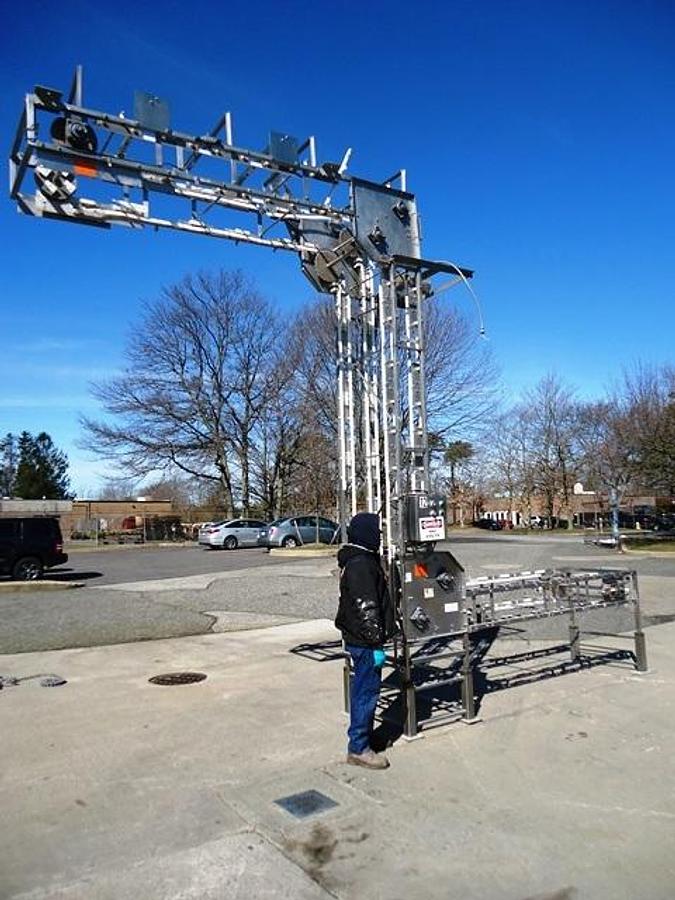
Conveyor Technologies produces a range of material handling equipment designed for demanding industrial environments. Their product line includes belt conveyors, roller conveyors, chain conveyors, modular conveyor systems, and bucket elevators. The bucket elevator, for example, is built in stainless steel construction and is designed for vertical material transport, with discharge heights that can reach 14 feet or more depending on the model. These systems are engineered to move bulk materials, packaged goods, and components efficiently through a production or processing facility.
The company is particularly well regarded for custom conveyor designs, meaning their equipment is often built to specific dimensional, speed, and load requirements rather than a one-size-fits-all configuration. This makes their systems a practical choice for facilities where standard off-the-shelf conveyors would not fit the layout or throughput demands. Industries served include automotive manufacturing, food processing, packaging, warehousing, and general industrial production, each of which places different mechanical and sanitary demands on conveyor equipment.
What should buyers know about purchasing used Conveyor Technologies equipment?
Buying used Conveyor Technologies equipment is a cost-effective way to acquire proven industrial conveyor systems at a fraction of the cost of purchasing comparable equipment through other channels. Used machines are sold as-is, which means the condition, age, and operational history of each unit will vary. Buyers should approach the purchase with that in mind and take full advantage of inspection opportunities before committing. Reputable used equipment dealers with a track record in industrial machinery are the best source for this type of equipment, as they tend to have deeper knowledge of the specific machines they carry and can provide more accurate condition assessments.
Because used conveyor equipment is sold without manufacturer warranties, due diligence falls entirely on the buyer. This includes reviewing photos and documentation, requesting a video walkthrough or in-person inspection, and consulting with the manufacturer to understand what parts and technical support are still available for the specific model and production year. Older models may have limited parts availability, which can affect long-term maintenance costs. Factoring in the full landed cost, including shipping, rigging, installation, and any refurbishment needed, gives a more accurate picture of the total investment.
What industries commonly use Conveyor Technologies equipment?
Conveyor Technologies equipment is used across a broad range of manufacturing and processing industries. Automotive manufacturing is one of the primary sectors, where conveyors handle everything from raw components to assembled subassemblies moving through production cells. Packaging operations rely heavily on belt and roller conveyors to move products through filling, sealing, labeling, and palletizing stations. Food and beverage processing facilities, particularly those handling bulk dry goods or granular materials, often use bucket elevators and stainless steel conveyor systems to meet both throughput and sanitation requirements.
Beyond those core sectors, warehousing and distribution centers use conveyor systems to sort, route, and accumulate packages at high speeds. Pharmaceutical, chemical, and agricultural processing operations also depend on conveyor technology for consistent, automated material flow. The versatility of Conveyor Technologies equipment, especially their custom-configured systems, means the same manufacturer's product line can serve very different applications depending on how the equipment is specified and integrated into a facility.
How should a buyer inspect used conveyor equipment before purchasing?
A thorough inspection is the most important step a buyer can take before purchasing used conveyor equipment. Most reputable dealers will accommodate in-person inspections, virtual walkthroughs, or detailed video captures of the machine. The goal is to get a clear picture of the equipment's current mechanical condition, including the state of the belt or chain, the drive motor, gearbox, bearings, frame integrity, and any electrical components. For stainless steel equipment like bucket elevators, buyers should also look for signs of corrosion, denting, or weld repairs that could affect structural performance.
It is worth noting that dealers typically cannot run production tests, as operating production equipment requires permitting and facility infrastructure that most equipment dealers do not maintain. Some machines may still be installed and running at the seller's facility, in which case an inspection can sometimes be arranged at the plant while the equipment is still in service. If the equipment has already been decommissioned, the inspection will focus on visual and mechanical assessment rather than live operation. Buyers should document everything observed during inspection and use that information to negotiate price or factor in any reconditioning costs before finalizing the purchase.
What is a stainless steel bucket elevator and what is it used for?
A stainless steel bucket elevator is a type of vertical conveyor system that uses a series of buckets attached to a belt or chain to lift bulk materials from a lower point to a higher discharge point. The stainless steel construction makes these units suitable for applications where hygiene, corrosion resistance, and cleanability are priorities, such as food processing, dairy, grain handling, and pharmaceutical production. Discharge heights vary by model, with some units designed to reach 14 feet or more, allowing materials to be elevated into hoppers, storage bins, processing vessels, or packaging lines positioned above the floor level.
The mechanical simplicity of a bucket elevator makes it a reliable choice for continuous vertical material transport. Compared to pneumatic conveying systems, bucket elevators are generally more energy-efficient for heavy or dense bulk materials and cause less product degradation during transport. When purchasing a used stainless steel bucket elevator, buyers should inspect the buckets themselves for wear, cracks, or deformation, and check the belt or chain for stretch and fatigue. The drive assembly, including the motor and head pulley, should also be evaluated carefully since these are the components most subject to wear over time.
What factors affect the price of used conveyor equipment?
Several variables determine the market price of used conveyor equipment. The age and condition of the machine are the most obvious factors, but brand reputation, original specifications, and remaining service life also play significant roles. Equipment from established manufacturers with strong reputations for build quality tends to hold its value better in the used market. Conveyor length, width, load capacity, drive power, and material of construction (carbon steel versus stainless steel, for example) all influence pricing as well. A stainless steel system designed for food-grade applications will typically command a higher price than a comparable carbon steel unit.
Beyond the purchase price itself, buyers should account for the full landed cost of the equipment. This includes freight and shipping charges, rigging fees for loading and unloading heavy equipment, any crating or palletization required to protect the machine in transit, and the cost of installation or integration at the destination facility. Reconditioning costs, such as replacing worn belting, seals, or bearings, should also be estimated before finalizing a budget. Buyers who focus only on the sticker price without considering these additional costs often find the total investment is meaningfully higher than expected.
Are replacement parts available for used Conveyor Technologies equipment?
Parts availability for used conveyor equipment depends largely on the age of the machine and whether the manufacturer still supports that particular model. For relatively recent equipment, replacement parts such as belting, buckets, drive components, bearings, and electrical controls are often still available through the manufacturer or authorized distributors. For older or discontinued models, buyers may need to source components through third-party suppliers, fabricators, or by cross-referencing specifications with compatible parts from other manufacturers.
Before purchasing used Conveyor Technologies equipment, it is a good practice to contact the manufacturer directly and describe the model and approximate production year. The manufacturer can advise on what level of parts and technical support is still available for that unit. This step is especially important for specialized components like custom-width belting, proprietary drive systems, or control panels with discontinued PLCs. Understanding parts availability upfront helps buyers make a more informed decision and plan for the long-term maintenance costs associated with keeping the equipment running reliably.
What are the typical shipping and logistics considerations when buying used conveyor equipment?
Shipping used conveyor equipment involves more planning than standard freight because of the size, weight, and fragility of the machinery. Most conveyor systems require careful disassembly and packaging before transport, and the level of crating or palletization needed will affect shipping costs. Lighter or smaller units may ship on standard pallets with protective wrapping, while larger conveyor lines or heavy bucket elevators may require custom wood crating to prevent damage in transit. Buyers should ask the dealer specifically what packaging will be used and whether that cost is included in the quoted price or billed separately.
Rigging is another cost that buyers sometimes overlook. Loading a heavy conveyor system onto a truck at the dealer's facility, and then unloading it at the destination, often requires a forklift or crane, and those services carry additional fees. For very large or structurally complex equipment, specialized heavy rigging contractors may be needed. Buyers should request a complete breakdown of all shipping-related costs, including packaging, loading, freight, and unloading, before agreeing to a purchase price. This gives a clear picture of the total landed cost and avoids surprises once the equipment is in transit.
What payment terms should buyers expect when purchasing used industrial conveyor equipment?
Used equipment dealers in the industrial machinery space typically require full payment before a machine is released for shipping. This is standard practice in the industry and reflects the fact that used equipment transactions involve a single, specific asset rather than a catalog item that can be restocked. Payment is usually accepted via wire transfer, though some dealers may accept other forms depending on the transaction size and the buyer's relationship with the seller. Buyers should confirm acceptable payment methods early in the negotiation process to avoid delays.
For buyers with an established purchasing history with a particular dealer, some flexibility on payment terms may be available, but this is the exception rather than the rule for first-time transactions. It is also worth noting that because used equipment is sold as-is, there are generally no refund or return provisions once the sale is complete. This makes thorough pre-purchase inspection even more critical. Buyers should treat the inspection phase as their primary opportunity to validate the condition of the equipment and resolve any concerns before funds are transferred.
How does used conveyor equipment compare to purchasing new equipment from a manufacturer?
Used conveyor equipment offers a significant cost advantage over purchasing comparable equipment through other channels, often at a fraction of the price for machines that still have substantial service life remaining. For buyers who need to expand capacity, replace a failed unit, or equip a new facility on a tighter budget, the used market provides access to proven industrial equipment from established manufacturers without the lead times associated with custom-built systems. Delivery timelines for used equipment are typically much shorter as well, since the machine already exists and simply needs to be shipped rather than engineered and fabricated.
The trade-offs are real, however. Used equipment comes without manufacturer warranties and may have wear on components that will require attention sooner than a freshly built machine. The buyer takes on more responsibility for verifying condition and understanding what they are purchasing. Selecting a reputable dealer who specializes in industrial conveyor equipment, taking advantage of inspection options, and consulting with the manufacturer about parts and support availability all help reduce that risk. For many buyers, particularly in manufacturing and processing environments where conveyor systems are well-understood and maintainable, used equipment represents a practical and financially sound choice.