Category
Manufacturer
Model
FAQ:
What types of equipment are included in a Convenience Food Systems (CFS) setup?
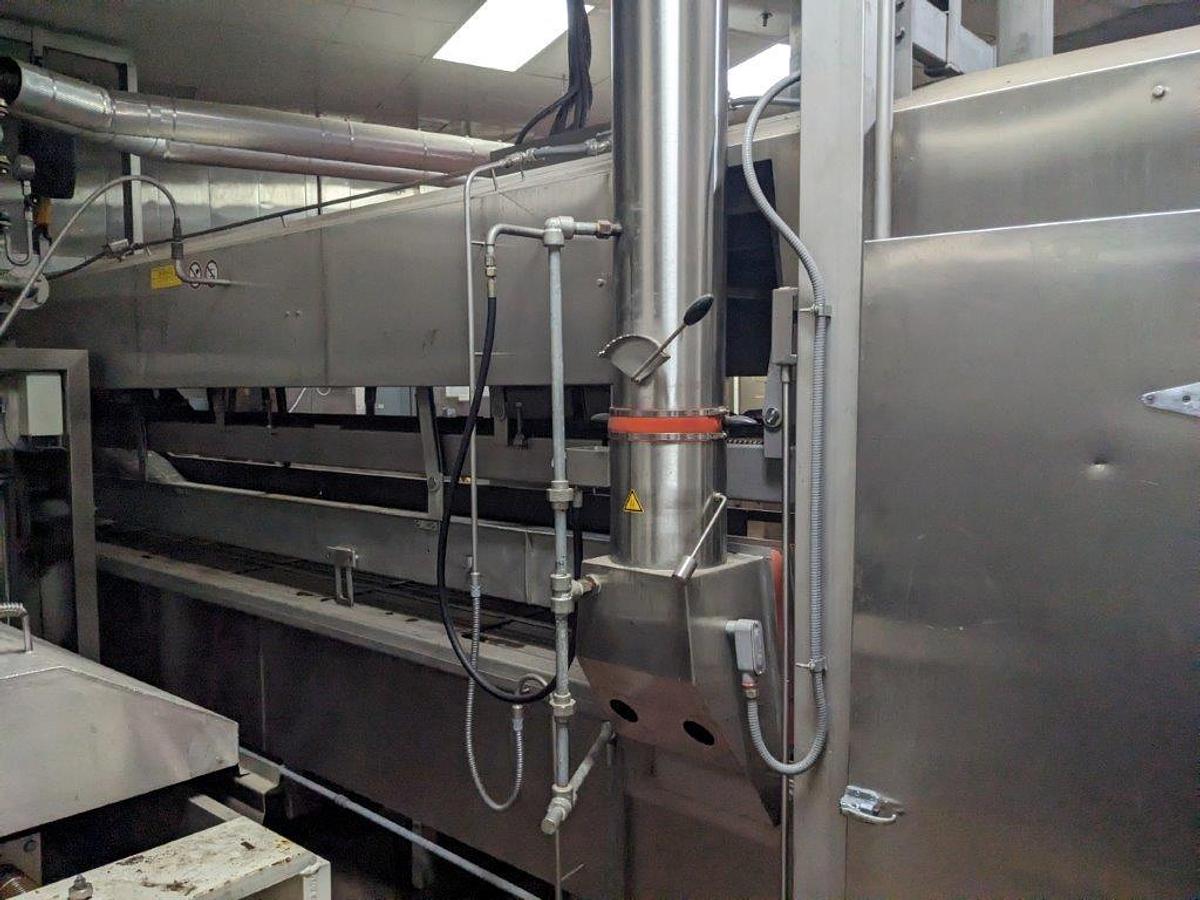
Convenience Food Systems (CFS) is a manufacturer that specializes in foodservice equipment designed for convenience stores, quick-service restaurants, and similar high-throughput environments. Their product line typically includes hot oil fryers, hot holding units, roller grills, heated display cases, food warmers, and related equipment built to handle continuous operation in demanding commercial settings. The CFS 24 In. x 25 Ft. Hot Oil Fryer is one example of the larger-format production equipment the brand produces, reflecting their focus on volume cooking applications.
Because CFS equipment is built for environments that run around the clock, the machines tend to be constructed with durability and ease of cleaning as core design priorities. Commercial buyers in the c-store and QSR space often seek out this brand specifically because the equipment is engineered to meet the pace of high-traffic foodservice without frequent downtime. Used CFS equipment is available through specialized used machinery dealers and can represent a cost-effective way to outfit or expand a foodservice operation compared to purchasing from a manufacturer at full price.
What should I know before buying used Convenience Food Systems equipment?
Buying used CFS equipment requires more due diligence than purchasing from a manufacturer, primarily because used machines are sold as-is without manufacturer backing. The condition of the equipment will vary depending on how it was used, how well it was maintained, and how long it sat idle before being listed for sale. Prospective buyers should research the specific model they are considering, understand its original specifications, and compare those against the current condition described by the dealer. Asking for detailed photos, inspection reports, or video walkthroughs is standard practice and any reputable dealer should accommodate those requests.
It is also worth consulting directly with the CFS manufacturer to understand what level of support, parts availability, and technical documentation exists for the specific model and age of machine you are evaluating. Older models may have limited parts availability, which can affect long-term serviceability. Selecting a dealer who specializes in commercial foodservice equipment rather than a general machinery reseller tends to result in a better buying experience, since industry-specific dealers are more likely to accurately represent the condition and suitability of the equipment for your intended use.
How do I inspect used Convenience Food Systems equipment before purchasing?
Inspections are a critical step in any used equipment purchase and reputable dealers will typically offer several options. In-person inspections are the most thorough, allowing a buyer or their technician to physically examine the machine, check for wear, test electrical and mechanical components, and assess overall condition. Virtual inspections via video call are a common alternative when travel is not practical, and many dealers can also provide pre-recorded video walkthroughs that capture the machine from multiple angles and demonstrate any operational functions that can be safely run outside of a full production environment.
One important limitation to keep in mind is that most used equipment dealers do not hold the permits required to run actual food production, so testing the machine with live product is generally not possible at the dealer's facility. If the equipment is still installed at a food production facility and has not yet been decommissioned, the dealer may be able to arrange an inspection at that location where the machine can be observed running under normal conditions. Either way, buyers should aim to get as complete a picture as possible of the machine's current working order before committing to a purchase, and should factor in the cost of having a qualified technician review the equipment if they are not personally familiar with the model.
Are replacement parts and service support available for used CFS equipment?
Parts availability for used Convenience Food Systems equipment depends largely on the age and model of the machine. CFS has been a recognized name in commercial foodservice equipment, and for many models, parts can still be sourced through the manufacturer, authorized service networks, or third-party parts suppliers that stock components for commercial kitchen equipment. Before purchasing a used unit, it is advisable to contact CFS directly and provide the model number and approximate manufacturing date to get a clear picture of what parts and technical support are still available for that specific machine.
For older or discontinued models, parts may be harder to source and lead times can be longer, which is worth factoring into the total cost of ownership. Some buyers work with independent commercial kitchen equipment technicians who have experience sourcing aftermarket or fabricated replacement components for machines that are no longer actively supported by the manufacturer. Understanding the service landscape for a specific model before purchase helps avoid situations where a relatively minor repair becomes a prolonged operational problem due to parts unavailability.
What certifications should I look for on Convenience Food Systems equipment?
For commercial foodservice equipment, NSF International certification is widely considered the baseline requirement. NSF-certified equipment has been evaluated for sanitary design, meaning it can be effectively cleaned and sanitized to meet health department standards. Most health departments and commercial kitchen operators will not accept equipment that lacks this certification, so verifying NSF status on any used CFS unit is an important step before purchase. UL (Underwriters Laboratories) or ETL listings are also relevant for electrical safety compliance, and some jurisdictions require one or both for commercial kitchen installations.
When buying used equipment, the certifications that applied to the machine when it was manufactured are generally still considered valid as long as the machine has not been significantly modified. However, buyers should confirm with their local health department or authority having jurisdiction whether there are any additional requirements for used or refurbished equipment being placed into service. Some municipalities require re-inspection of used equipment before it can be approved for use in a licensed food establishment, so understanding local requirements ahead of time can prevent delays in getting the equipment into operation.
Can Convenience Food Systems equipment handle the demands of high-volume commercial use?
CFS equipment is specifically designed for high-volume, continuous-use environments like convenience stores and quick-service foodservice operations. Products like the CFS hot oil fryer are built to run for extended periods without the performance degradation that lighter-duty equipment would experience under similar conditions. This makes the brand a practical choice for operations that need reliable output during peak hours without frequent cycling down for recovery time. The industrial construction of these machines is one reason they remain in demand on the used equipment market even after years of service.
That said, the actual capacity and throughput of a specific used unit will depend on its model specifications and current mechanical condition. A machine that has been well-maintained in a lower-volume setting may actually have more useful life remaining than a same-model unit that ran at maximum capacity for years in a high-traffic location. Reviewing the machine's history, asking the dealer about its prior use environment, and having a technician assess wear on key components are all reasonable steps to take when evaluating whether a specific used CFS unit can meet your production requirements.
What are the energy consumption considerations for CFS hot oil fryers and similar equipment?
Commercial fryers and hot holding equipment consume significant energy, particularly in convenience store environments where equipment often runs continuously. CFS equipment was engineered with commercial-grade components intended to maintain consistent temperatures efficiently, but actual energy consumption will vary based on the specific model, its age, and the condition of heating elements, thermostats, and insulation at the time of purchase. Used equipment that has not been recently serviced may consume more energy than it did when operating at peak efficiency, so a pre-purchase inspection by a qualified technician can help identify any components that should be replaced or adjusted to restore efficient operation.
Buyers planning to run CFS equipment around the clock should calculate estimated utility costs based on the machine's rated wattage or BTU output and factor that into the overall cost comparison between the used unit and alternatives. Even if a used machine is purchased at a significant discount, higher-than-expected energy costs over time can erode those savings. Reviewing the manufacturer's original specifications for the model in question gives a useful baseline, and a technician can assess whether the used unit is performing close to those specs or showing signs of degraded efficiency.
How does purchasing used CFS equipment compare to buying from a manufacturer?
The primary advantage of purchasing used CFS equipment is cost. Used machines are typically available at a fraction of the price of purchasing comparable equipment from a manufacturer, which can make a meaningful difference for operators outfitting a new location or replacing equipment on a limited budget. The trade-off is that used equipment does not come with manufacturer support, installation assistance, or any form of coverage against defects. The buyer takes on responsibility for verifying the condition of the machine and ensuring it meets their operational needs before completing the purchase.
From a practical standpoint, used CFS equipment in good condition can perform comparably to newer machines for many years, particularly if it is properly serviced before being put back into production. The key is selecting equipment from a dealer who specializes in commercial foodservice machinery, has a verifiable track record, and is transparent about the condition and history of the machines they sell. Buyers who do their due diligence, arrange thorough inspections, and budget for any necessary servicing or parts replacement often find that used equipment delivers strong value relative to the capital investment required.
What are the typical shipping and logistics considerations when buying used CFS equipment?
Used commercial foodservice equipment like CFS fryers can be heavy and bulky, which makes shipping logistics a significant part of the total purchase cost. Proper packaging is essential to prevent damage in transit, and the level of preparation required, whether palletizing, crating, or custom packaging, will affect the freight cost. Larger machines may require professional rigging for loading at the dealer's facility and unloading at the destination, which adds to the overall expense. Buyers should request a detailed breakdown of packaging, rigging, and freight costs from the dealer before finalizing a purchase so there are no surprises in the total landed cost of the equipment.
For very large or heavy equipment, a freight carrier with flatbed or specialized equipment transport capability may be required rather than standard LTL freight. Buyers receiving equipment at a facility without a loading dock will need to arrange appropriate unloading equipment such as a forklift or liftgate service. It is worth confirming all of these logistics details with the dealer in advance, including who is responsible for coordinating the carrier and what documentation will accompany the shipment. Clear communication about packaging standards and carrier selection helps ensure the equipment arrives in the same condition it left the dealer's facility.
What payment terms should I expect when purchasing used Convenience Food Systems equipment?
Most used equipment dealers require payment in full before a machine is released for shipment. This is standard practice in the industry and reflects the fact that used equipment transactions do not typically involve the financing structures or extended terms that a manufacturer might offer on a large capital equipment sale. Buyers should be prepared to wire funds or arrange another accepted form of payment prior to the equipment leaving the dealer's facility. Some dealers may offer extended terms to established customers with a prior purchase history, but first-time buyers should generally plan on full prepayment as the default expectation.
Before sending payment, buyers should ensure they have received sufficient documentation and inspection access to feel confident in the condition and identity of the equipment. Confirming the machine's model number, reviewing photos or video, and understanding exactly what is included in the sale (ancillary components, manuals, accessories) are all steps worth completing before funds are transferred. Working with dealers who have a verifiable business history and positive reputation in the commercial foodservice equipment space reduces the risk associated with prepayment transactions.