Category
Manufacturer
Model
FAQ:
What is a Consolidated Stills sterilizer and who manufactured it?
Consolidated Stills and Sterilizer Company was an American manufacturer of autoclaves and sterilization equipment that built a strong reputation in laboratory, pharmaceutical, and medical settings. Their sterilizers were known for heavy-duty construction, reliable performance, and long service lives that often stretched across several decades of continuous use. The brand became a standard in hospitals, research facilities, dental offices, veterinary clinics, and pharmaceutical production environments.
The company is no longer actively manufacturing under that brand name, which means the used and refurbished equipment market is now the primary source for anyone looking to acquire one of these machines. Because so many units were built to last, a significant number remain in serviceable condition and continue to perform well in active facilities today. Buyers looking for a Consolidated Stills sterilizer should expect to find them through used industrial and laboratory equipment dealers rather than through any active manufacturer channel.
What sizes and chamber capacities are available for used Consolidated Stills sterilizers?
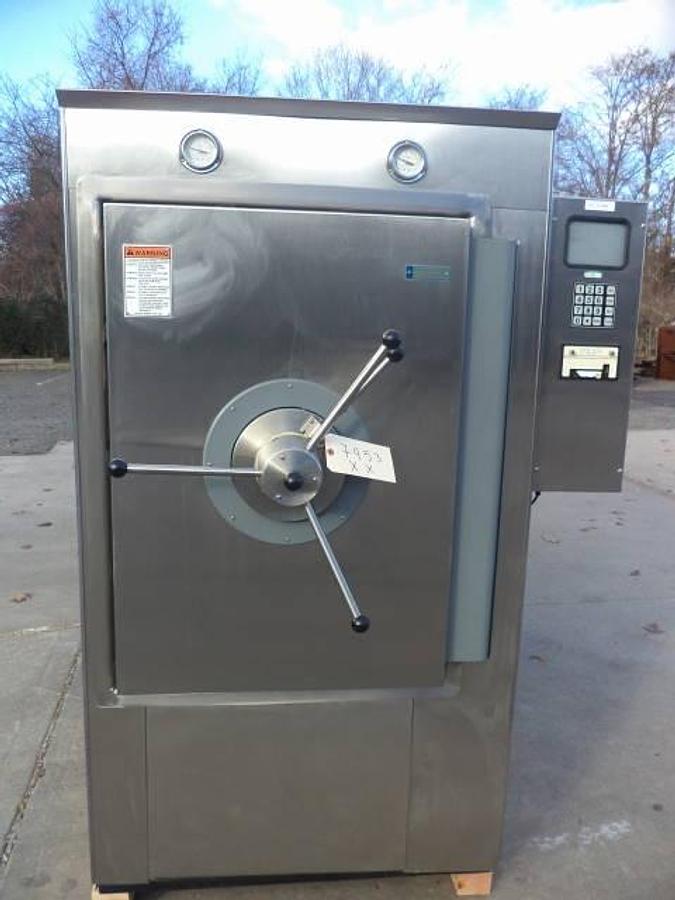
Consolidated Stills sterilizers were manufactured in a wide range of chamber sizes to accommodate different facility needs, from compact benchtop units suitable for smaller labs to large floor-standing autoclaves designed for high-volume sterilization in hospitals or pharmaceutical plants. A common example found on the used market is the 24-inch by 48-inch jacketed steam sterilizer, which represents a mid-to-large capacity unit well suited for processing bulk loads of instruments, media, or wrapped goods. Chamber dimensions are typically expressed as diameter by depth, and buyers should measure their load requirements carefully before selecting a unit.
When shopping the used market, available inventory at any given time reflects what has been decommissioned from active facilities, so selection can vary. It is worth contacting used equipment dealers directly to ask about current stock, as listings change frequently. Buyers should also confirm the internal chamber dimensions, jacket configuration, and door style (single-door vs. pass-through) to ensure the unit fits their workflow and physical space requirements before committing to a purchase.
What is the difference between a gravity cycle and a pre-vacuum cycle on a Consolidated Stills sterilizer?
Gravity displacement sterilizers work by allowing steam to enter the chamber from the top or sides, which pushes cooler air downward and out through a drain at the bottom. This cycle is effective for sterilizing non-porous loads such as glassware, liquid media, and unwrapped metal instruments, but it is less reliable for porous loads or wrapped items where air can become trapped in pockets and prevent steam from making full contact with the load.
Pre-vacuum (or prevacuum) sterilizers use one or more vacuum pulses before the sterilization phase to actively remove air from the chamber and from within porous materials. This makes them significantly more effective for wrapped instrument sets, porous loads like fabrics or rubber goods, and hollow items where air pockets are a concern. Consolidated Stills manufactured models in both configurations, and some units were built with programmable cycle options that allowed operators to select the appropriate cycle type for each load. When evaluating a used Consolidated Stills sterilizer, confirming which cycle types the specific model supports is an important step, as this directly affects what the machine can safely and effectively process.
What certifications and compliance standards do Consolidated Stills sterilizers typically meet?
Consolidated Stills sterilizers were generally manufactured to meet ASME (American Society of Mechanical Engineers) pressure vessel standards, which govern the design, fabrication, and inspection of pressurized equipment. Many units also carried compliance with applicable FDA regulations for medical device sterilization and were designed with cGMP (current Good Manufacturing Practice) considerations in mind for pharmaceutical and biotech applications. These standards were significant selling points during the company's active manufacturing years and contributed to the brand's long-standing reputation in regulated industries.
For buyers acquiring a used unit, it is important to understand that compliance documentation from the time of manufacture may or may not accompany the machine. Validation and re-qualification of a sterilizer after relocation or reinstallation is typically required in regulated environments regardless of the machine's original certifications. Buyers in pharmaceutical, hospital, or FDA-regulated settings should plan for IQ/OQ/PQ (Installation, Operational, and Performance Qualification) activities after installation. Consulting with a qualified validation specialist before purchase is advisable to understand the scope of work required to bring a used unit into compliance within a specific facility's quality system.
What is the typical price range for a used Consolidated Stills sterilizer?
Pricing for used Consolidated Stills sterilizers varies considerably based on chamber size, model type, age, condition, and whether the unit has been refurbished or is being sold as-is. Smaller or older gravity-cycle units in basic working condition can sometimes be found at relatively modest prices, while larger jacketed floor-standing models or units with advanced cycle controls and pass-through configurations command significantly higher prices. In general, used autoclaves of this caliber in the industrial and laboratory equipment market can range anywhere from a few thousand dollars to well over twenty thousand dollars depending on these factors.
Buyers should also factor in costs beyond the purchase price itself. Shipping, rigging, and crating for large sterilizers can add meaningfully to the total landed cost, particularly for units that require specialized loading equipment or long-distance freight. Installation, any needed repairs, and validation activities in regulated environments represent additional budget considerations. Getting a clear picture of the full acquisition cost before committing to a purchase is always the right approach, and reputable dealers will typically provide detailed quotes covering packaging, rigging, and freight upon request.
How long do Consolidated Stills sterilizers typically last, and what affects their service life?
One of the most frequently cited strengths of Consolidated Stills sterilizers is their longevity. These machines were built with heavy-gauge stainless steel chambers, quality pressure vessel construction, and mechanical controls designed to withstand decades of demanding use. It is not uncommon to find units that have been in continuous service for 30 to 40 years and are still capable of performing their intended function. The durability of the construction is a primary reason these machines retain value and continue to appear in active facilities long after the manufacturer ceased production.
Service life is heavily influenced by how well a unit was maintained throughout its operational history. Regular preventive maintenance, timely replacement of wear items like door gaskets, strainers, and solenoid valves, and proper water quality management all extend the life of the chamber and associated components significantly. Conversely, units that were operated with hard water without adequate treatment, or that experienced deferred maintenance, may show accelerated corrosion or component wear. When evaluating a used Consolidated Stills sterilizer, asking about the maintenance history and requesting an inspection to assess the condition of the chamber interior, jacket, and control components is a prudent step before purchase.
What routine maintenance does a Consolidated Stills sterilizer require?
Autoclaves like those made by Consolidated Stills require consistent preventive maintenance to operate safely and reliably. Routine tasks include inspecting and replacing door gaskets on a scheduled basis, cleaning the chamber drain strainer, checking and testing safety relief valves, flushing the steam jacket, and verifying that temperature and pressure gauges are reading accurately. The frequency of these tasks depends on usage volume, but most facilities operating these machines in active production or clinical settings perform at minimum a monthly inspection with more thorough annual servicing.
Water quality is one of the most critical and sometimes overlooked maintenance factors. Hard water or water with high mineral content accelerates scale buildup inside the chamber and on heating elements, which reduces efficiency and can cause premature component failure. Using distilled or deionized water where the manufacturer's design supports it, and descaling the chamber on a regular schedule, meaningfully extends the operational life of the unit. Buyers acquiring a used Consolidated Stills sterilizer should also have a qualified service technician perform a thorough inspection and any necessary calibration before putting the machine into service, as this establishes a baseline for ongoing maintenance planning.
How do I find replacement parts and service support for a used Consolidated Stills sterilizer?
Sourcing replacement parts for Consolidated Stills sterilizers can require some effort, since the company is no longer actively manufacturing under that brand name. However, many components used in these machines, including door gaskets, solenoid valves, pressure gauges, safety relief valves, and control components, are standard industrial parts that can be sourced through industrial supply distributors or autoclave service specialists. The key is identifying the correct part specifications from the machine's documentation or by working with a technician who has experience with this equipment.
Before purchasing a used Consolidated Stills sterilizer, it is strongly advisable to research parts availability for the specific model and age of the unit you are considering. Contacting autoclave service companies that specialize in older or legacy sterilization equipment is a good starting point, as these specialists often maintain inventories of hard-to-find components or can fabricate replacements to original specifications. Some used equipment dealers who specialize in this category of machinery can also provide guidance on parts sourcing. Confirming that critical wear items are available before completing a purchase avoids the frustrating situation of acquiring a machine that cannot be kept running due to an unavailable part.
What should buyers inspect before purchasing a used Consolidated Stills sterilizer?
A thorough pre-purchase inspection is one of the most important steps a buyer can take when acquiring used sterilization equipment. The chamber interior should be examined closely for pitting, corrosion, scale buildup, or any signs of weld repair that might indicate prior damage. The door mechanism and gasket seating surfaces should be inspected for wear or deformation. The jacket, if present, should be checked for any evidence of leaks or corrosion on the exterior. Control panels, gauges, and valves should be assessed for functionality, and any available service records should be reviewed to understand the maintenance history of the unit.
Reputable used equipment dealers will typically accommodate in-person inspections at their facility, or can arrange video inspections or provide detailed photo and video documentation of the machine's current condition. In some cases, equipment being sold directly from a plant may still be in production, allowing a buyer to observe it running under normal operating conditions, though dealers generally cannot perform actual product sterilization runs due to permitting requirements. Buyers in regulated industries should also consult with a validation specialist before purchase to understand what re-qualification will be required after the machine is installed in their facility. Taking these steps before committing to a purchase significantly reduces the risk of acquiring a unit with hidden issues.
What are the shipping and logistics considerations for buying a used Consolidated Stills sterilizer?
Consolidated Stills sterilizers, particularly larger floor-standing or pass-through models, are heavy industrial machines that require careful planning to move safely. Proper packaging is essential to prevent damage in transit, and depending on the size and weight of the unit, this can range from standard pallet and stretch-wrap preparation to custom crating. Larger units may require professional rigging services for loading at the origin and unloading at the destination, which adds to the total cost of acquisition. Buyers should ask the selling dealer for a detailed breakdown of packaging, rigging, and freight costs before finalizing a purchase to understand the full landed cost of the equipment.
For very large autoclaves, freight will typically move via LTL (less-than-truckload) or full truckload carriers with liftgate service, and the receiving facility needs to have adequate equipment to unload and position the machine. Buyers should confirm that their facility has a loading dock or forklift access capable of handling the machine's weight before the shipment is arranged. Discussing all of these logistics details with the dealer in advance avoids unexpected costs or complications at delivery. Most reputable used equipment dealers have experience coordinating the shipment of heavy industrial machinery and can provide guidance on what will be needed on the receiving end.