Category
Manufacturer
Model
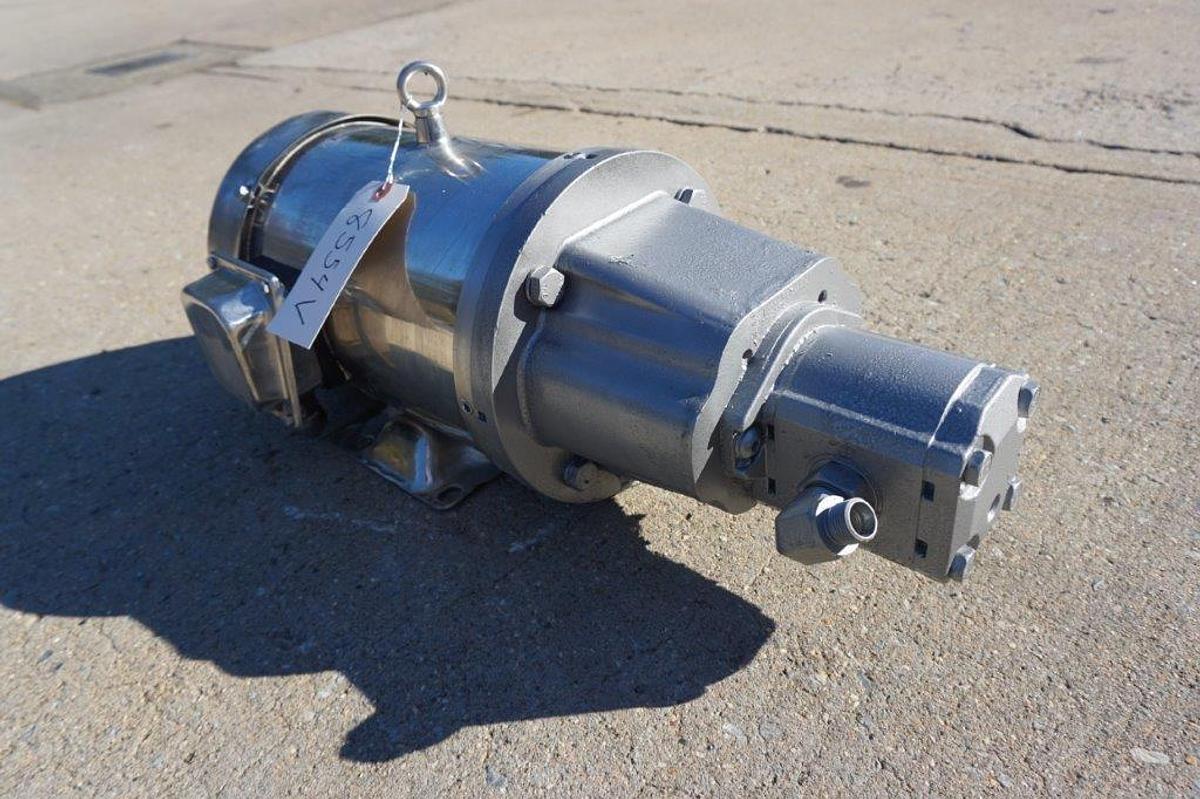
Concentric
Concentric is a key player in hydraulic and pneumatic equipment manufacturing, serving industries like construction and agriculture. Their product lineup focuses on pumps and compressors renowned for performance and reliability. Concentric’s technological innovations improve fluid power systems and mobility solutions.
FAQ:
What are Concentric hydraulic pumps and what industries use them?
Concentric is a well-established manufacturer of hydraulic and pneumatic equipment, operating under the Haldex group. The brand built its reputation on gear-type hydraulic pumps designed for demanding fluid power applications. Their pumps are found across a wide range of industries, including agriculture, construction, and general industrial equipment, where consistent hydraulic performance is critical to machine operation. Concentric's product lineup also extends to compressors and other fluid power components, making the brand a recognized name among equipment engineers and maintenance professionals alike.
The pumps are particularly valued for their role in powering hydraulic systems on tractors, loaders, excavators, log splitters, and other heavy-duty machinery. Because used Concentric pumps are widely available on the secondary market, they are a practical choice for operators who need a reliable replacement or upgrade without the cost of sourcing less accessible alternatives. When buying a used unit, buyers should confirm the pump's model number and specifications to ensure it matches the flow and pressure demands of their specific application.
What is the most common type of Concentric hydraulic pump available on the used market?
External gear pumps make up the majority of Concentric hydraulic pumps found on the used equipment market. This pump type uses two meshing gears to move fluid from the inlet port to the outlet port, producing a steady, consistent flow. The external gear design is favored for its mechanical simplicity, which translates to durability and relatively straightforward maintenance compared to more complex pump types like piston or vane pumps. There are fewer internal components that can wear or fail, which is one reason these units hold up well over extended service life.
For buyers shopping used, the external gear design is also an advantage because condition is generally easier to assess. Key wear points are predictable, and a visual and dimensional inspection can reveal a great deal about a pump's remaining service life. Concentric gear pumps are available in both cast iron and aluminum housings. Cast iron housings are preferred for high-pressure, continuous-duty applications because the material handles heat and mechanical stress better over time. Aluminum housings are lighter and suited to lower-pressure or intermittent-duty cycles where weight is a consideration.
What specifications should I check before purchasing a used Concentric hydraulic pump?
Several key specifications determine whether a used Concentric hydraulic pump will work correctly in a given application. The most important are displacement (measured in cubic centimeters per revolution or cubic inches per revolution), maximum pressure rating in PSI, rotation direction (clockwise or counterclockwise as viewed from the shaft end), and port size and thread type (SAE or NPT). Getting these wrong means the pump either won't physically connect to the existing system or won't deliver the flow and pressure the application requires. The model number stamped on the pump housing is the fastest way to look up these details.
Beyond the core specs, buyers should also confirm the shaft diameter and keyed or splined configuration to ensure compatibility with the drive source, whether that's a PTO, engine, or electric motor. Housing material matters too. Cast iron units handle higher sustained pressures and are generally the better choice for demanding, continuous-duty applications. Aluminum units are lighter but better suited to lower-pressure or intermittent use. When buying used, asking the seller for photos of the port faces, shaft, and housing can help identify wear, corrosion, or damage before committing to a purchase.
What flow rates and pressure ratings are typical for Concentric hydraulic pumps?
Concentric hydraulic pumps cover a practical range of flow rates and pressure ratings suited to agricultural and construction applications. Gear pump displacements in the Concentric lineup typically range from around 0.5 cubic inches per revolution on the smaller end to over 3 cubic inches per revolution for larger units, which translates to flow rates that can span roughly 5 to 30+ gallons per minute depending on shaft speed. Maximum pressure ratings on cast iron units commonly fall in the 3,000 PSI range, while aluminum housing models are generally rated lower, often in the 1,500 to 2,500 PSI range.
One of the practical strengths of Concentric gear pumps is their volumetric efficiency under varying load conditions. Unlike some pump designs that lose significant flow as system pressure rises, a well-maintained Concentric gear pump delivers relatively consistent output across a broad operating range. For used units, actual volumetric efficiency will depend on internal wear, so buyers doing a thorough evaluation should ask about the pump's service history and, where possible, request an inspection or video of the unit before purchase.
What is the difference between a gear pump and a piston pump, and which is better for my application?
Gear pumps and piston pumps represent two different approaches to moving hydraulic fluid, and each has a distinct set of trade-offs. Gear pumps, like those Concentric is best known for, use two meshing gears to displace fluid. They are fixed-displacement units, meaning they deliver the same volume of fluid per revolution regardless of system demand. This simplicity makes them durable, easy to maintain, and cost-effective. They perform well in applications with relatively steady flow requirements, such as log splitters, tractor hydraulics, and lift systems on construction equipment.
Piston pumps, by contrast, can be variable-displacement, allowing the system to adjust flow output based on demand. This makes them more efficient in applications with widely varying load cycles, but they are mechanically more complex, more sensitive to fluid contamination, and significantly more expensive to purchase and repair. For most agricultural and general industrial applications where Concentric gear pumps are commonly used, the gear pump design is entirely adequate and far more practical from a cost and maintenance standpoint. When evaluating used equipment, the simpler internal geometry of a gear pump also makes condition assessment more straightforward.
Are used Concentric hydraulic pumps compatible with open-center and closed-center hydraulic systems?
Concentric gear pumps are fixed-displacement pumps, which means they produce a constant flow of fluid whenever the shaft is turning. This characteristic makes them naturally compatible with open-center hydraulic systems, where excess flow circulates back to the tank at low pressure when no work is being done. Open-center systems are common on older tractors and many types of agricultural equipment, and a Concentric gear pump integrates with these setups without requiring additional control components.
Using a fixed-displacement gear pump with a closed-center system is possible but requires a pressure relief valve or unloading valve to manage the flow when the actuators are not moving, since closed-center systems do not provide a low-pressure return path for excess fluid. Without proper pressure management, a fixed-displacement pump running against a closed-center system will build pressure until the relief valve opens, generating heat and wasting energy. Buyers should confirm their system type before selecting a pump and, if needed, consult with a hydraulic specialist to ensure the correct control valves are in place. When purchasing a used pump, the seller should be able to clarify the application the unit was pulled from, which can help confirm its suitability.
What hydraulic fluid is compatible with Concentric gear pumps?
Concentric gear pumps are designed to operate with standard petroleum-based hydraulic oils, which are the most common fluid type used in agricultural and construction equipment. ISO 46 and ISO 68 viscosity grades are widely used in these applications and are generally compatible with Concentric pumps. Some equipment manufacturers specify AW (anti-wear) hydraulic oil, which contains additives that reduce internal pump wear and extend service life, making it a sound choice for gear pump applications.
Fluid compatibility becomes especially relevant with used pumps because the previous owner's fluid maintenance practices directly affect the pump's internal condition. Contaminated or degraded fluid is one of the leading causes of premature gear pump wear. Buyers acquiring a used Concentric pump should flush the unit and the connected system before putting it into service, and confirm that the fluid viscosity matches the operating temperature range of their application. In colder climates, a lower viscosity fluid or a multi-grade hydraulic oil may be necessary to ensure proper pump priming at startup. Always cross-reference the specific model's documentation or the equipment manufacturer's recommendations for the final fluid selection.
What mounting configurations are available for Concentric hydraulic pumps?
Concentric hydraulic pumps are available in several mounting configurations to suit different drive arrangements. The most common are SAE flange mounts, which allow the pump to bolt directly to a power take-off (PTO) adapter, transmission, or engine-mounted drive. SAE A and SAE B two-bolt flange patterns are frequently seen on Concentric gear pumps used in agricultural and construction equipment. The flange pattern must match the mounting face of the drive source, so confirming this detail is a necessary step before purchase.
Shaft configuration is equally important. Concentric pumps are available with keyed shafts in various diameters, and the shaft must match the coupling or drive gear it connects to. Some units use splined shafts for direct coupling to PTO drives. When buying a used pump, it is worth requesting photos or measurements of the mounting flange and shaft to verify fitment before the unit ships. Sellers experienced in hydraulic equipment should be able to provide this information readily, and a video inspection can help confirm the physical condition of the mounting surfaces and shaft end.
Do used Concentric hydraulic pumps come with a warranty?
Used hydraulic pumps, including Concentric units, are typically sold as-is by equipment dealers. Warranties on used machinery are generally the domain of the original manufacturer and apply to equipment sold through authorized channels in unused condition. Once a pump has been in service and enters the secondary market, that manufacturer coverage does not carry over to subsequent buyers. This is standard practice in the used equipment industry and applies broadly, not just to hydraulic pumps.
Because used equipment is sold as-is, the burden of evaluating condition falls on the buyer. Choosing a reputable dealer with a verifiable track record in hydraulic or industrial equipment is one of the most important steps a buyer can take to reduce risk. Reputable sellers will accommodate in-person inspections, video walkthroughs, or photo documentation of the pump before purchase. It is also worth contacting Concentric or Haldex directly to ask about parts availability and technical support for a specific model, since the age and production status of a particular unit can affect how much manufacturer support is available going forward.
What should I know about shipping and inspection when buying a used Concentric hydraulic pump?
Hydraulic pumps are precision components, and proper packaging during shipping is critical to preventing damage in transit. A used Concentric pump should be palletized or crated with adequate blocking and bracing to prevent movement, and port openings should be capped to keep contaminants out during transport. Shipping costs vary depending on the size of the unit, the packaging method, and the destination. Buyers should ask the seller for a clear breakdown of packaging, freight, and any rigging charges to understand the full landed cost before committing to a purchase.
Before a pump ships, buyers have several options for evaluating its condition. Many dealers offer in-person inspections at their facility, and video inspections or photo documentation are common alternatives for buyers who cannot travel. Some pumps may still be installed on equipment at a customer facility, in which case the dealer can often arrange access for an inspection. Keep in mind that most used equipment dealers are not set up to run production-level hydraulic tests, as that requires permitting and infrastructure beyond a typical dealer's capabilities. What a good inspection can reveal is the physical condition of the housing, shaft, ports, and mounting surfaces, which tells a buyer a great deal about how the unit was maintained and whether it is worth putting back into service.