Category
Manufacturer
Model
Comadis
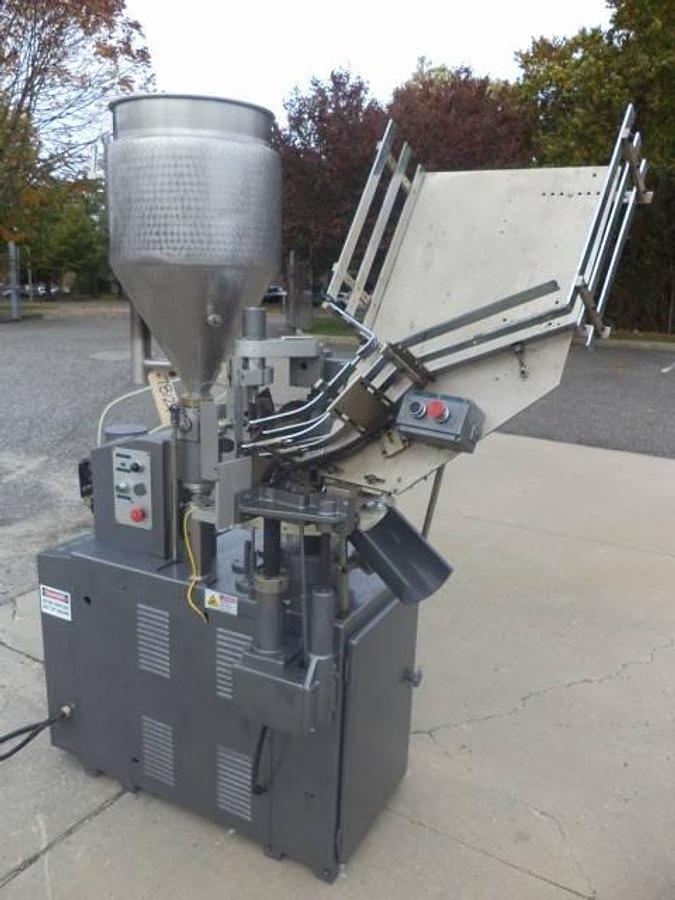
Comadis is an expert in designing and producing tube filling and cartoning machines, catering primarily to the cosmetics and pharmaceutical industries. Their equipment is noted for its precision and adaptability, capable of handling various product sizes and types. Comadis’s focus on advanced technology supports their clients’ packaging needs efficiently and effectively.
FAQ:
What types of tubes can Comadis tube filling machines handle?
Comadis tube filling machines are designed to work with a range of tube materials, including plastic, aluminum, and laminate tubes. This versatility makes them practical across multiple industries where packaging requirements vary significantly from one product line to the next. Plastic tubes are common in cosmetics and personal care, aluminum tubes are frequently used in pharmaceuticals and adhesives, and laminate tubes are popular in food and oral care applications. The ability to handle all three materials from a single machine platform is one of the reasons Comadis equipment has maintained a strong presence in the packaging machinery market.
When evaluating a used Comadis machine, buyers should confirm which tube materials and diameter ranges the specific model is configured for, since different machines may be set up with particular tooling and changeover parts suited to a specific tube type. Sellers of used equipment can typically provide specifications for the machine on offer, and a thorough inspection, whether in person or via video, is the best way to verify the current condition of filling nozzles, sealing jaws, and any tube-handling components that directly affect compatibility.
What industries are Comadis tube filling machines designed for?
Comadis has built its reputation primarily by serving the cosmetics and pharmaceutical industries, two sectors where precise fill volumes, consistent sealing quality, and hygienic machine design are non-negotiable requirements. In cosmetics, the machines are used to fill products like creams, gels, lotions, and toothpaste into tubes at production speeds that support commercial-scale output. In pharmaceuticals, GMP-compliant construction and fill accuracy are critical, and Comadis equipment is recognized for meeting those standards.
Beyond cosmetics and pharma, Comadis tube fillers also find use in personal care, adhesives, and certain food-grade applications where tube packaging is the preferred format. Buyers sourcing used Comadis equipment should consider whether the machine they are evaluating was previously used in a regulated environment, such as pharmaceutical production, since that history can indicate the level of maintenance and sanitation standards the machine was held to during its working life. This context is worth discussing with the seller during the inspection process.
What is the production speed or output capacity of Comadis tube filling machines?
Comadis tube filling machines are available in configurations that cover a broad range of production speeds, from semi-automatic models suited to smaller batch runs up to fully automatic systems capable of significantly higher throughput. Automatic Comadis machines, such as the C100 automatic tube filler and sealer, are built for continuous, high-speed production and are designed to minimize operator intervention once the line is running. Exact output figures depend on the specific model, the tube size being filled, the viscosity of the product, and how the machine has been configured.
For buyers purchasing used equipment, the rated production speed of the machine is a useful benchmark, but the actual throughput achievable will also depend on the machine's current mechanical condition and how well it is maintained after purchase. Asking the seller for the machine's rated cycles per minute and any available production records from its previous use can help set realistic expectations. A video inspection of the machine running, if available, gives a clearer picture of its current operating condition than specifications alone.
What is the difference between semi-automatic and fully automatic Comadis tube filling machines?
Semi-automatic Comadis tube fillers require an operator to manually load tubes into the machine and may involve manual steps in the sealing or coding process, while fully automatic models handle tube loading, filling, sealing, and discharge with minimal human intervention. Semi-automatic machines typically have a lower purchase price and are a practical choice for operations running smaller volumes or a wide variety of tube sizes that require frequent changeovers. Fully automatic machines are designed for higher-volume production where speed and consistency are the priority.
For buyers in the used equipment market, understanding which configuration suits their production needs is important before committing to a purchase. A fully automatic machine that exceeds current production needs may represent unnecessary complexity and higher maintenance demands, while a semi-automatic machine might create a bottleneck if output requirements grow. Evaluating the specific model's automation level, along with its current condition through an in-person or video inspection, helps ensure the machine is a practical fit for the intended application.
What does high frequency sealing mean on a Comadis tube filler, and why does it matter?
High frequency sealing, also referred to as HF sealing or dielectric sealing, uses electromagnetic energy to generate heat within the tube material itself rather than applying external heat to the surface. This method is particularly effective for sealing plastic and laminate tubes because it produces a strong, consistent weld without the risk of burning or distorting the tube exterior. The result is a clean, tamper-evident seal that meets the quality standards required in cosmetics and pharmaceutical packaging. Comadis machines like the C100 use high frequency sealing as a core feature, which is one reason the brand is well regarded in regulated industries.
For buyers evaluating a used Comadis machine with HF sealing, the condition of the sealing head and the associated generator are important inspection points. HF sealing components can wear over time, and repair or replacement of these parts may involve sourcing components from the manufacturer or a qualified service provider. Consulting with Comadis or a specialist technician before purchase is a sensible step, particularly for older models, to understand parts availability and what level of technical support can reasonably be expected for the specific machine.
Are used Comadis tube filling machines suitable for small or mid-size businesses?
Used Comadis tube filling machines can be a practical option for small and mid-size businesses, particularly because purchasing used equipment significantly reduces the capital outlay compared to sourcing the same machine through a manufacturer. For a smaller operation that cannot justify the cost of a brand-new high-speed filler, a used Comadis machine in good working order can deliver reliable performance at a fraction of the price. Semi-automatic models are especially accessible for businesses with lower volume requirements or those just scaling up their tube packaging operations.
That said, smaller businesses should factor in the total cost of ownership, not just the purchase price. This includes shipping, installation, any refurbishment or replacement parts needed, and ongoing maintenance. A thorough inspection before purchase is especially important for businesses without large in-house maintenance teams, since unexpected mechanical issues can be more disruptive at a smaller scale. Choosing a reputable used equipment dealer with experience in packaging machinery and a history of selling into the cosmetics or pharmaceutical sector reduces the risk of purchasing a machine that requires significant remediation.
What should buyers inspect when evaluating a used Comadis tube filling machine?
A used Comadis tube filling machine should be inspected across several key areas to get an accurate picture of its current condition. The filling system, including pumps, nozzles, and metering components, should be checked for wear, corrosion, or signs of product buildup that could affect fill accuracy. The sealing station, whether hot air, hot jaw, or high frequency, is another critical area since sealing components experience significant wear in production. Tube handling components, including the tube magazine, indexing system, and discharge conveyor, should operate smoothly without excessive play or misalignment.
Buyers should also ask about the machine's service history, including any major repairs or component replacements, and request documentation if available. In-person inspections are ideal, but video inspections arranged through the seller are a practical alternative when travel is not feasible. Keep in mind that most used equipment dealers do not have the permitting or facilities to run actual product through a machine during an inspection, so the evaluation will focus on mechanical function and visual condition rather than a full production trial. Consulting with Comadis directly about parts availability and support for the specific model and serial number is a worthwhile step before finalizing any purchase.
Are replacement parts and technical support available for used Comadis tube filling machines?
Parts availability and technical support for used Comadis machines depend on the age and model of the specific machine in question. Comadis, like most established packaging machinery manufacturers, typically supports its equipment for a period of years after production, but the availability of certain components, particularly proprietary electronic or mechanical parts, can diminish as machines age. Buyers should contact Comadis directly before purchasing a used machine to ask about parts availability for that specific model and serial number, and to understand what level of technical support the manufacturer can reasonably provide.
For machines where factory support is limited, third-party service technicians who specialize in tube filling equipment are often able to source replacement parts or fabricate components for older machines. It is also worth asking the seller whether any spare parts are included with the machine, as previous owners sometimes retain a stock of wear items such as sealing jaws, nozzles, or gaskets. Having a clear picture of the parts and support landscape before purchase helps buyers plan for ongoing maintenance costs and avoid unexpected downtime.
What are the typical shipping and logistics considerations when buying a used Comadis tube filling machine?
Tube filling machines vary considerably in size and weight, and the logistics of moving them from a seller's facility to a buyer's production floor require careful planning. Smaller semi-automatic Comadis machines may be palletized and shipped via standard freight carriers, while larger fully automatic systems typically require professional rigging for loading and unloading, which adds to the total landed cost. The level of crating or packaging used to protect the machine in transit also affects shipping costs, and buyers should ask the seller specifically what packaging will be used and whether the machine will be properly secured to prevent damage.
Buyers should request a detailed breakdown of all logistics costs before committing to a purchase, including rigging, crating, freight, and any customs or import fees if the machine is crossing a border. Understanding the full landed cost, not just the machine price, is essential for accurate budgeting. It is also worth confirming whether the seller coordinates shipping or whether the buyer is responsible for arranging their own carrier, as this varies by dealer.
What are the typical payment terms when purchasing used tube filling equipment?
Most used equipment dealers require full payment before a machine is released for shipping. This is standard practice in the used machinery industry and reflects the nature of transactions involving high-value capital equipment that has already been inspected and agreed upon by both parties. Some dealers may offer payment terms to established customers with a prior purchasing history, but buyers should not assume this is available and should ask directly during the negotiation process.
For buyers making a significant capital investment in used packaging equipment, it is reasonable to request a clear payment timeline and to understand exactly when title transfers and when the machine will be prepared for shipment after payment is received. Wire transfer is the most common payment method for used machinery transactions of this scale. Buyers should also confirm whether any deposit is required to hold a machine during an inspection period, particularly if arranging an in-person visit requires travel coordination with the seller or the facility where the equipment is currently located.