Category
Manufacturer
Model
FAQ:
What types of industrial equipment does CMI manufacture?
CMI is actually a brand name used by several distinct industrial equipment manufacturers, so buyers should be specific about which CMI they are researching. The most widely recognized CMI product lines include road construction and paving equipment (pavers, milling machines, and cold planers), aggregate processing equipment (crushers, screens, and conveyors), and material handling systems. CMI road construction equipment in particular has a long-standing reputation in the highway construction sector, and used CMI pavers and milling machines remain popular among contractors for their durability and performance on large-scale paving projects.
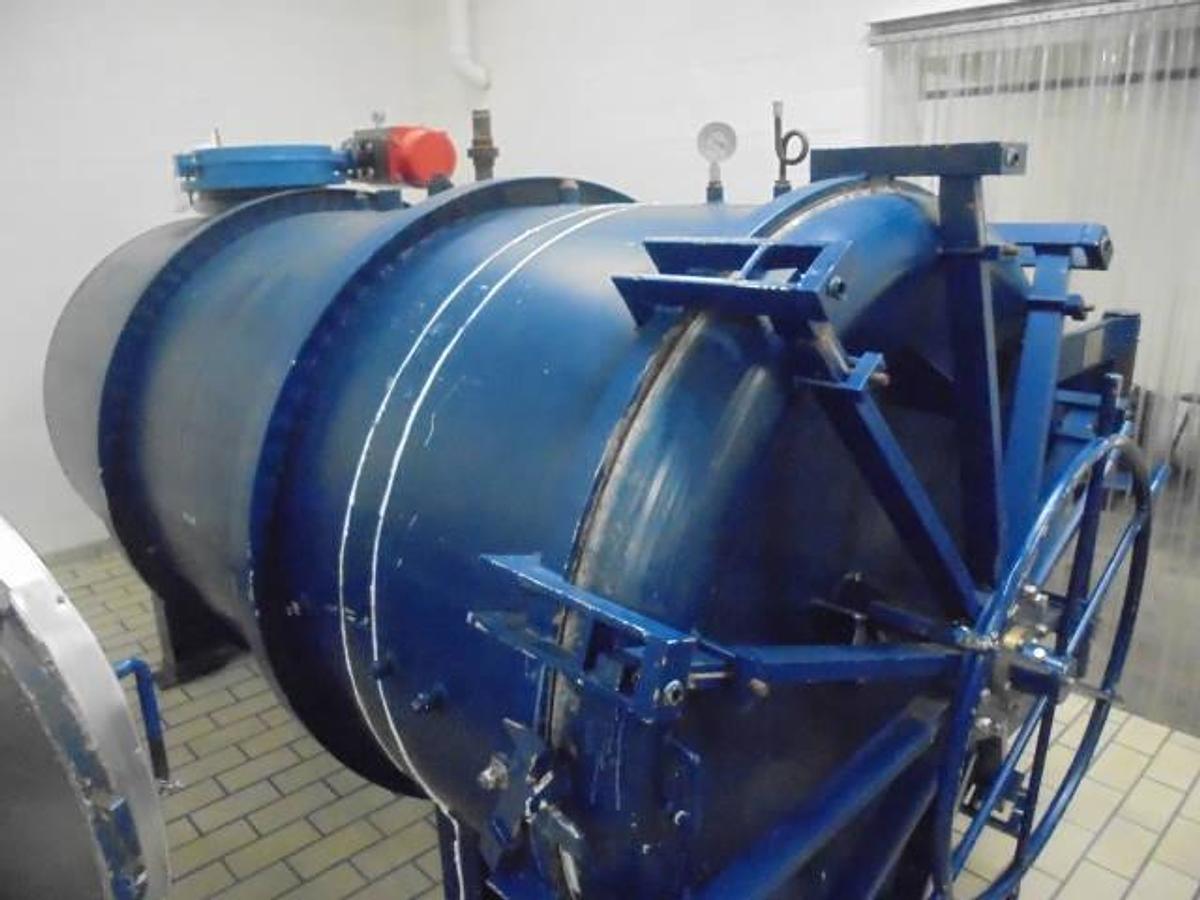
On the industrial processing side, CMI equipment also includes thermal processing machinery such as horizontal retorts, which are used in industries ranging from food processing to materials treatment. A horizontal retort, for example, is a pressure vessel used for sterilization or heat treatment of products in sealed containers. These machines are built to handle demanding production environments, and used units can offer significant cost savings over sourcing comparable equipment elsewhere, provided buyers do their due diligence on condition and operational history.
What should buyers look for when evaluating used CMI equipment?
Condition is the single most important factor when evaluating any used industrial machine, and CMI equipment is no exception. Buyers should request detailed information on hours of operation, service history, and any major repairs or component replacements the machine has undergone. For road construction equipment like pavers or milling machines, wear items such as cutting teeth, conveyor flights, and hydraulic seals deserve close attention. For thermal processing equipment like retorts, buyers should ask about the condition of pressure vessels, control systems, and heating elements, as these components are expensive to replace.
Beyond the machine itself, buyers should also think about total cost of ownership. The purchase price is only one part of the equation. Parts availability, fuel or energy consumption, and expected maintenance intervals all affect what the machine will actually cost to operate over time. Older CMI models may have limited parts availability through the manufacturer, so it is worth contacting the manufacturer directly before purchasing to understand what support and components are still accessible for a specific model year. Reputable used equipment dealers will typically provide as much documentation as they have on a machine's history and will accommodate inspections to help buyers make an informed decision.
What industries use CMI industrial equipment?
CMI equipment serves a wide range of industries depending on the product line in question. CMI road construction and paving equipment is primarily used in highway construction, municipal road maintenance, airport runway work, and large commercial paving projects. Contractors working on Department of Transportation jobs and infrastructure projects have relied on CMI pavers and milling machines for decades, and used units from this product line remain in active service across North America and internationally.
On the industrial processing side, CMI thermal equipment such as horizontal retorts is used in food manufacturing (particularly for shelf-stable canned or pouched products), pharmaceutical processing, and materials treatment applications where controlled heat and pressure are required. Aggregate processing equipment from CMI finds use in quarrying, mining, construction material production, and recycling operations. The breadth of industries served means that used CMI equipment turns up in a variety of contexts, and buyers should make sure the specific machine they are considering is appropriate for their intended application before purchasing.
How do inspections work when buying used CMI equipment?
Inspections are a standard and strongly recommended part of any used industrial equipment purchase. Most reputable dealers will offer buyers the option to inspect equipment in person, via a live video walkthrough, or through detailed video recordings of the machine. In-person inspections are ideal when geography allows, as they give buyers the chance to examine wear points, check for visible damage, review any available documentation, and ask questions in real time. For larger or more complex machines, buyers may want to bring along a qualified technician or mechanic familiar with CMI equipment to assist with the evaluation.
It is worth understanding that most used equipment dealers do not have the permitting or infrastructure to run full production tests on machinery. A dealer can power up a machine and demonstrate its mechanical function, but actually processing product through it requires a production environment. Some equipment may still be installed at the facility where it was used, in which case the dealer may be able to arrange an inspection at that location, where the machine could potentially be observed in operation or recently decommissioned. Buyers should clarify the inspection options available for any specific listing before committing to a purchase, and should treat the inspection as their primary tool for assessing the machine's actual condition.
Are replacement parts available for used CMI equipment?
Parts availability varies considerably depending on the specific CMI product line and the age of the machine. For CMI road construction equipment, many wear parts and mechanical components are still available through the manufacturer and through aftermarket suppliers, particularly for models that were produced in large quantities and remain widely used in the field. Hydraulic components, belts, and common wear items for pavers and milling machines tend to be more accessible than specialized electronic or structural components. Buyers should contact the manufacturer directly with the model number and year of the machine they are considering to get a realistic picture of what is still supported.
For older or less common CMI models, parts sourcing can be more challenging. In these cases, buyers often turn to third-party machining shops to fabricate components, or source compatible parts from other manufacturers. This is a real consideration in the total cost of ownership calculation, since a machine that is inexpensive to buy but difficult to keep running can end up costing more in the long run. Before finalizing any used CMI equipment purchase, it is a good practice to research parts availability for that specific model, identify at least one or two potential parts sources, and factor any anticipated maintenance costs into the purchase decision.
What does a horizontal retort do and where is it used?
A horizontal retort is a pressure vessel designed to apply controlled heat and pressure to products, typically for sterilization, pasteurization, or thermal treatment purposes. In food manufacturing, horizontal retorts are used to process shelf-stable products in cans, pouches, jars, or trays. The product-filled containers are loaded into the retort, which then applies steam, hot water, or a combination of both at precise temperatures and pressures for a defined period of time. This process destroys harmful microorganisms and extends the shelf life of the product without refrigeration, which is why retort processing is central to the canned and packaged food industry.
Beyond food processing, horizontal retorts are also used in pharmaceutical manufacturing for sterilizing products or packaging, and in certain materials processing applications where controlled thermal treatment is required. A unit such as a 5-foot diameter by 11-foot long horizontal retort represents a mid-to-large capacity machine capable of handling substantial production volumes. Used retorts can be a cost-effective option for food manufacturers looking to expand capacity or replace aging equipment, provided the vessel integrity, control systems, and sealing components are in sound condition. Buyers should have any used pressure vessel inspected by a qualified engineer before putting it into service.
What should buyers understand about payment terms for used industrial equipment?
Payment practices in the used industrial equipment market differ from typical retail transactions. Most dealers require payment in full before a machine is released for shipping or pickup. This is standard practice across the industry and reflects the nature of the transaction: used equipment is typically sold as-is, and dealers need to confirm funds before arranging logistics for machinery that can weigh thousands of pounds and require specialized handling. Wire transfer is the most common payment method for larger transactions, though some dealers also accept certified checks or other forms of verified payment.
For buyers who have an established relationship with a dealer, some sellers will offer payment terms, but this is generally extended only to repeat customers with a track record of completed transactions. Buyers who are purchasing from a dealer for the first time should expect to pay in full upfront. It is also worth factoring in all associated costs beyond the equipment price itself, including shipping, crating or palletization, rigging for loading and unloading, and any applicable taxes or import duties if the equipment is crossing a border. Getting a clear picture of the total landed cost before agreeing to a purchase helps avoid surprises.
How is used CMI industrial equipment typically shipped?
Shipping used industrial equipment requires more planning than standard freight. Smaller machines or components can often be palletized and shipped via LTL (less-than-truckload) freight carriers, but larger CMI equipment such as pavers, milling machines, or industrial processing vessels typically requires flatbed trucking, step-deck trailers, or in some cases over-dimensional permits depending on the size and weight of the load. The dealer and buyer usually coordinate on the appropriate shipping method based on the equipment's dimensions and destination.
Packaging and preparation for transit is an important cost consideration. Machines need to be properly secured, protected, and in some cases crated to prevent damage during transport. The level of packaging required affects the overall shipping cost, and buyers should ask dealers specifically what palletization or crating is included and what additional preparation might be needed. For very large or heavy equipment, rigging services are required to safely load the machine onto the transport vehicle, and unloading at the destination may require a forklift, crane, or other heavy-lift equipment that the buyer needs to arrange in advance. Getting a detailed breakdown of all shipping-related costs before finalizing the purchase is strongly recommended.
How does buying used CMI equipment compare to buying new?
Used CMI industrial equipment offers a significantly lower upfront cost compared to sourcing comparable machinery through other channels, which makes it an attractive option for operations looking to expand capacity, replace a failed machine, or equip a facility without a large capital outlay. In many cases, used equipment from a reputable dealer can perform the same function as a newer machine at a fraction of the price. This is particularly true for proven, mechanically straightforward machines where the core technology has not changed substantially over the years.
The tradeoffs are real and worth understanding clearly. Used equipment is sold as-is, meaning there is no manufacturer backing the machine's condition. The buyer takes on responsibility for verifying the equipment's state before purchase, which is why thorough inspections and careful dealer selection matter so much. Parts availability may be more limited for older models, and the machine may have accumulated wear that will require attention. Buyers who approach used equipment purchases with realistic expectations, conduct proper due diligence, and work with experienced dealers who specialize in their industry tend to get the most value from used machinery.
How do buyers choose a reputable used industrial equipment dealer?
The dealer's track record is the most reliable indicator of trustworthiness in the used equipment market. Buyers should look for dealers who have been in business for a significant number of years, specialize in the type of equipment they are selling, and can provide references or a history of completed transactions. A dealer who focuses specifically on industrial processing equipment, for example, will generally have deeper knowledge of the machines they carry and better relationships with buyers and sellers in that sector than a generalist dealer who handles everything from office furniture to heavy machinery.
Transparency is another key signal. A reputable dealer will provide honest descriptions of equipment condition, make documentation available when it exists, and accommodate inspection requests without hesitation. They should be able to answer specific technical questions about the machines they list or connect buyers with someone who can. Buyers should also pay attention to how a dealer communicates throughout the inquiry process. Responsiveness, clarity about costs (including shipping and rigging), and a willingness to answer follow-up questions are all signs of a dealer who operates professionally. Checking industry forums, trade associations, and online reviews can also help buyers assess a dealer's reputation before committing to a purchase.