Category
Manufacturer
Model
Cloud
Cloud is a versatile manufacturer providing equipment for various industries, with a notable presence in data management systems for production environments. Their solutions focus on integrating cloud technology with traditional machinery to enhance data tracking and operational efficiency. Cloud offers a suite of products that bridge the gap between physical manufacturing and digital oversight.
FAQ:
What types of packaging machinery does Cloud manufacture?
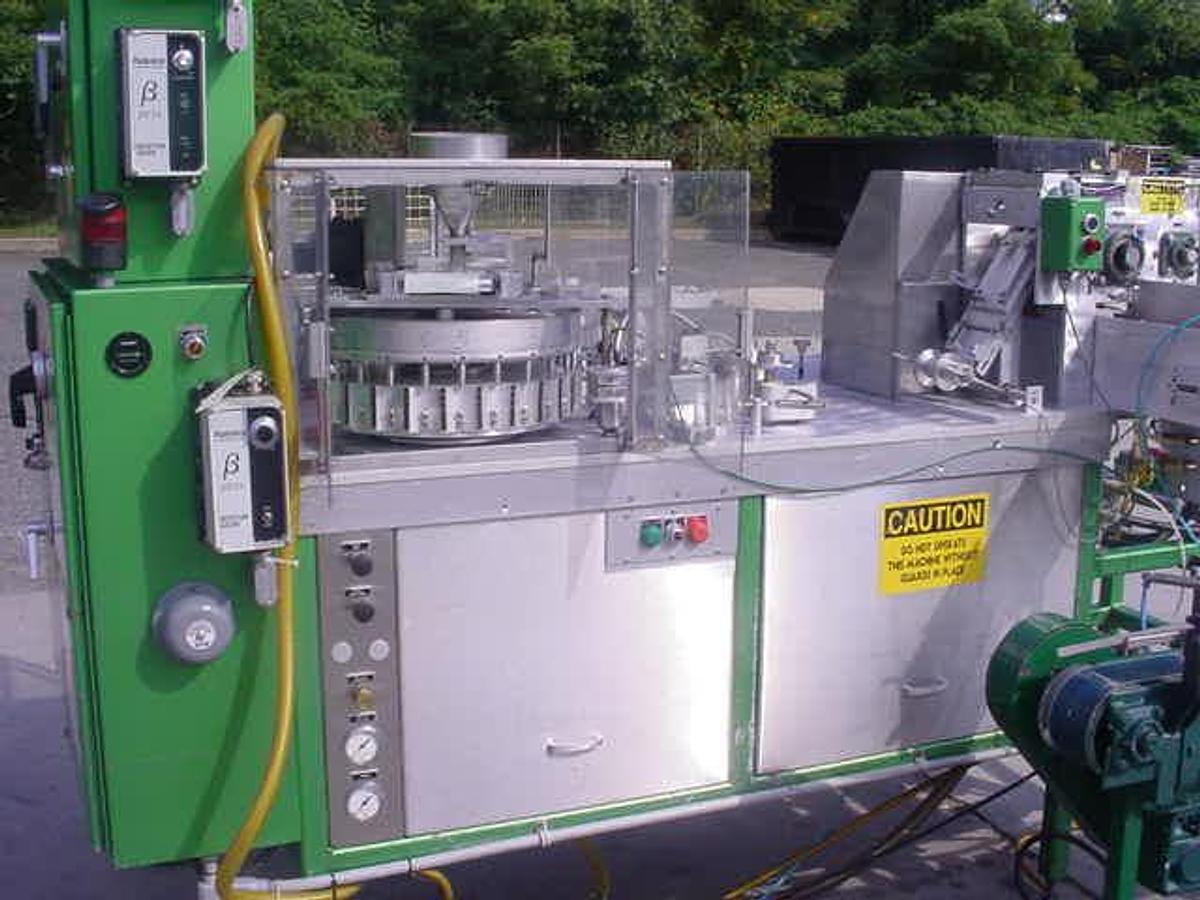
Cloud is a versatile manufacturer with a presence across multiple industries, producing equipment that bridges physical manufacturing with digital oversight. Their machines integrate cloud-based data management systems with traditional packaging equipment, which makes them a somewhat distinct option in the used machinery market. One well-known example of their equipment is the Cloud Pouch King Sugar Packet Machine, which runs at speeds of up to 800 packets per minute and is designed for high-volume sugar packet production.
Beyond individual machines, Cloud's broader product philosophy focuses on operational efficiency through data tracking. Their systems are built to give production environments better visibility into output, downtime, and performance metrics. Buyers in food processing, portion control packaging, and similar industries tend to look for Cloud equipment specifically because of this combination of mechanical reliability and integrated data capabilities.
What should buyers expect to pay for used Cloud packaging machinery?
Pricing for used Cloud packaging machines varies considerably depending on the model, age, condition, and included accessories. A high-speed machine like the Cloud Pouch King Sugar Packet Machine will typically command a higher price than simpler or lower-throughput models, given its specialized capabilities and production speed. Buyers should also factor in costs beyond the purchase price itself, including shipping, rigging, installation, and any refurbishment or spare parts needed to bring the machine to full working order.
Total cost of ownership is a useful framework when evaluating used packaging machinery. A machine with a lower sticker price may end up costing more if it requires significant reconditioning, has limited parts availability, or demands extensive operator training. Consulting with a used equipment dealer who specializes in packaging machinery is the best way to get an accurate picture of what a specific Cloud machine will cost to acquire, operate, and maintain over time.
Do used Cloud packaging machines come with a warranty?
Warranties on used packaging machinery work differently than they do for equipment purchased directly from a manufacturer. Manufacturers typically offer warranty coverage on machines they sell directly, but used equipment dealers generally sell machines on an as-is basis. This means the responsibility for assessing condition and fitness for purpose falls on the buyer rather than the seller.
Because of this, choosing a reputable used equipment dealer with a long track record in packaging machinery is critical. Buyers should take advantage of inspection opportunities, whether in person, via video call, or through detailed video captures of the machine in its current state, to get an accurate picture of working condition before committing to a purchase. It is also worth contacting Cloud directly to understand what level of manufacturer support, parts availability, and technical documentation is available for the specific model and age of machine being considered, as this can vary significantly.
What industries are Cloud packaging machines suitable for?
Cloud packaging machinery is well suited for industries that require high-speed, precise portion control and packet-style packaging. The food and beverage sector is the most common fit, particularly for products like sugar, salt, condiments, powdered drink mixes, and similar single-serve or bulk-portioned goods. The Cloud Pouch King Sugar Packet Machine, for example, is specifically designed for high-volume sugar packet production, making it a natural choice for food manufacturers, hospitality suppliers, and contract packagers.
Beyond food processing, Cloud's emphasis on integrating data management with physical machinery makes their equipment appealing to any production environment where tracking output, monitoring efficiency, and maintaining quality records are priorities. Pharmaceutical packaging, nutraceuticals, and specialty chemical portioning are areas where this kind of operational visibility adds real value. Buyers from these sectors should verify that any used Cloud machine they are considering meets the hygiene, food-grade, or regulatory compliance standards required for their specific application.
What production speeds can buyers expect from Cloud packaging machines?
Production speed depends on the specific model and configuration. The Cloud Pouch King Sugar Packet Machine, one of the more recognized models in the used market, is rated at up to 800 packets per minute. That is a high-throughput figure suited for large-scale food production operations where minimizing downtime and maximizing output per shift are key priorities.
When evaluating a used machine's real-world speed, buyers should keep in mind that rated speeds reflect optimal conditions. Actual throughput can be affected by the condition of the machine, the packaging materials being used, the product being filled, and the skill level of the operators running the line. During an inspection, asking the dealer or seller about the machine's recent production history and any maintenance that has been performed can give a more realistic sense of what to expect after installation.
How does automation level affect the value of used Cloud packaging machinery?
Automation level is one of the biggest factors in determining both the price and the practical value of used packaging machinery. Fully automatic machines handle feeding, filling, sealing, and output with minimal operator intervention, which reduces labor costs and increases consistency at high volumes. Semi-automatic machines require more hands-on involvement and are generally better suited to lower-volume operations or facilities with flexible staffing.
For used Cloud equipment, understanding where a specific machine falls on the automation spectrum matters for more than just pricing. It also affects training requirements, maintenance complexity, and how quickly a production team can get the machine running efficiently after installation. Buyers should ask dealers for detailed specifications on the degree of automation, what tasks the machine handles independently, and what operator involvement is required during a normal production run. This information is especially important for small-to-medium businesses that may have limited technical staff on the floor.
What should buyers know about inspecting used Cloud packaging machinery before purchase?
Inspecting a used packaging machine before purchase is one of the most important steps a buyer can take. Reputable used equipment dealers typically offer inspection options that include in-person visits, live video walkthroughs, or pre-recorded video captures of the machine. Some machines may still be installed and running at a production facility, which gives buyers the opportunity to see the equipment operating under real conditions. Others may be decommissioned and in storage, in which case a thorough physical inspection becomes even more important.
One thing buyers should understand is that most used equipment dealers are not set up to run full production tests with actual product. Operating a production line requires permitting and facilities that go beyond what a typical dealer maintains. What dealers can do is demonstrate mechanical function, show cycle operation, and document the current condition of key components. Buyers should come to an inspection with a checklist of the parts and systems most critical to their application, and should not hesitate to ask detailed questions about the machine's maintenance history, any known issues, and what has been done to prepare it for resale.
What are the typical shipping and logistics considerations when buying used Cloud packaging machinery?
Shipping used packaging machinery involves more complexity than standard freight. Machines need to be properly palletized or crated to prevent damage in transit, and the level of packaging required will affect the overall shipping cost. Heavier or larger machines may require specialized rigging equipment for both loading at the seller's location and unloading at the buyer's facility, which adds to the total landed cost of the equipment.
Buyers should ask dealers for a detailed breakdown of shipping costs before finalizing a purchase. This should include packaging or crating fees, rigging charges, freight costs, and any additional handling fees. Getting clarity on these figures upfront prevents surprises and allows for a more accurate comparison between machines at different price points. For international purchases, customs duties, import taxes, and compliance documentation are additional factors that need to be accounted for in the total acquisition cost.
What are the payment terms typically used when purchasing used packaging machinery?
Most used equipment dealers require full payment before a machine is released for shipping. This is standard practice in the industry and reflects the nature of used equipment transactions, where machines are often sold on an as-is basis and dealers need to confirm cleared funds before arranging logistics. Some dealers may offer extended terms or financing arrangements to repeat customers or buyers with established relationships, but this is the exception rather than the rule for first-time purchases.
Buyers who need financing should explore options through third-party equipment financing companies, which specialize in lending against used machinery purchases. Leasing is another avenue worth investigating, particularly for businesses that want to preserve working capital or are uncertain about long-term equipment needs. Before committing to any payment arrangement, buyers should confirm exactly what is included in the purchase price, what additional costs will be invoiced separately, and what the timeline looks like from payment to delivery.
How can buyers verify that a used Cloud packaging machine is compatible with their existing production line?
Compatibility is a practical concern that goes beyond whether a machine can physically fit in a facility. Buyers need to confirm that the electrical specifications match their plant's power supply, that the machine's footprint and weight are compatible with their floor layout and load ratings, and that the infeed and outfeed configurations can integrate with upstream and downstream equipment already in place. For Cloud machines that incorporate data management features, buyers should also verify that the machine's software or connectivity requirements are compatible with their existing production monitoring systems.
The best way to assess compatibility is to gather complete technical specifications for the machine being considered and compare them against the requirements of the target installation. Dealers should be able to provide spec sheets, manuals, and, where available, documentation from the machine's previous installation. Consulting with a packaging line integrator or a qualified technician before purchase is a sensible step for buyers who are not certain how a specific machine will fit into their operation. Reaching out to Cloud's technical support team can also help clarify what documentation and support resources are available for a given model.