Category
Manufacturer
Model
Chur
Chur is a specialized provider of automated systems and machinery for the woodworking industry. They are known for their reliable saws and automated handling systems which enhance productivity and precision in wood processing.
FAQ:
What is Chur and what types of woodworking machinery does the brand produce?
Chur is a specialized manufacturer of automated systems and machinery designed for the woodworking industry. The brand is particularly known for its reliable saws and automated handling systems, both of which are built to enhance productivity and precision in wood processing environments. Their equipment tends to appeal to production-focused operations where consistency and throughput matter, rather than one-off or low-volume work.
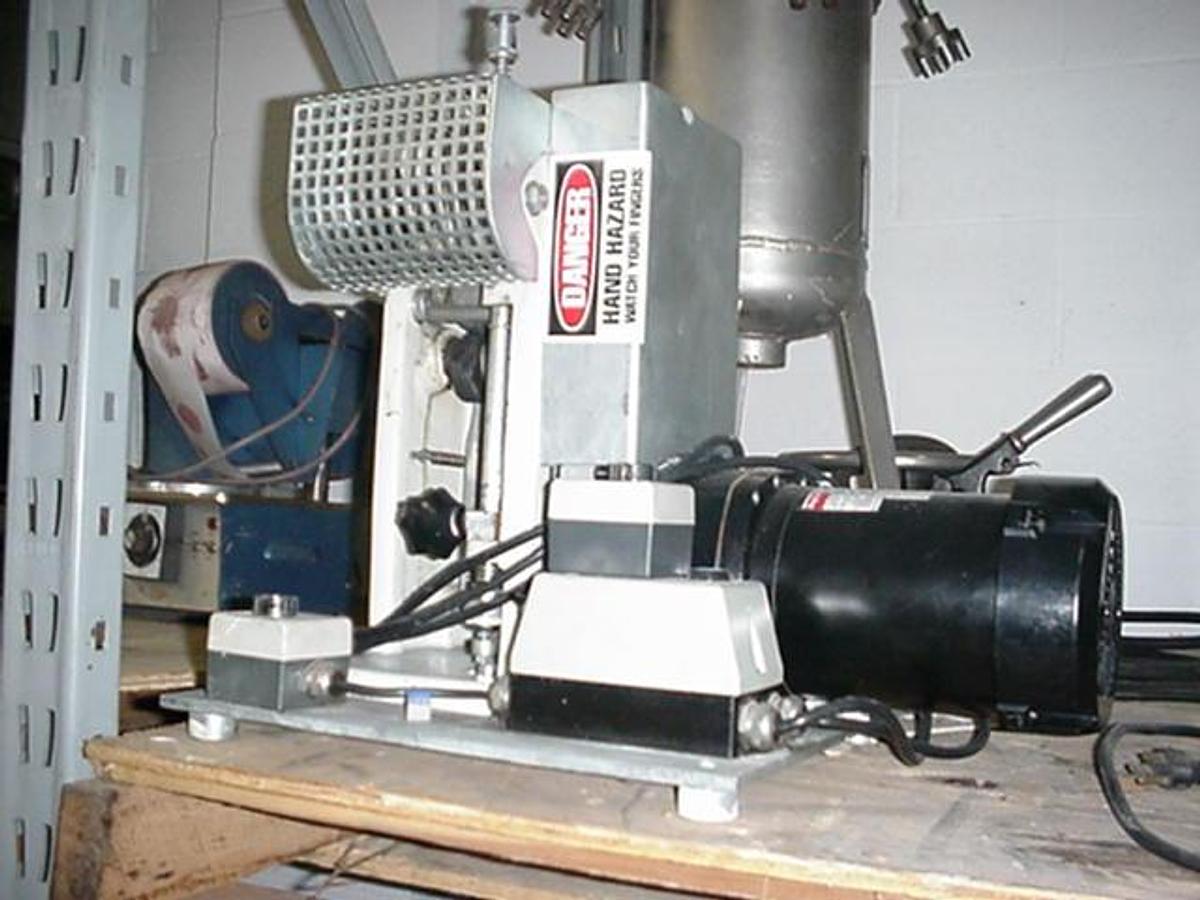
Beyond saws and handling systems, Chur has also produced equipment like tube sealing machines, which points to a broader engineering capability across industrial and semi-industrial applications. Used Chur machines appear periodically on the secondary market, and buyers looking for this brand should pay close attention to the specific model and its intended application, since the product range covers fairly distinct categories of woodworking and processing tasks.
What should buyers look for when evaluating used Chur woodworking machinery?
Evaluating used Chur woodworking machinery requires attention to both mechanical condition and operational history. Key areas to inspect include the condition of saw blades and cutting surfaces, the integrity of automated feed and handling components, the state of electrical controls and safety systems, and any visible wear on guide rails, bearings, or drive mechanisms. Asking the seller for any available service records or maintenance logs can give a clearer picture of how the machine was used and whether it received regular upkeep.
Buyers should also request an in-person or video inspection before committing to a purchase. Reputable used equipment dealers will typically accommodate either format, and some machines may still be in active production at a facility where a live demonstration can be arranged. Keep in mind that most used equipment dealers are not set up to run full production tests, since that requires different permitting and infrastructure. The goal of any inspection is to get an accurate, honest picture of the machine's current working order so there are no surprises after delivery.
Are used Chur woodworking machines suitable for professional production environments?
Chur's focus on automated handling systems and precision saws makes their equipment well-suited to professional and production-scale woodworking environments. The brand's emphasis on automation and reliability aligns with the demands of cabinet shops, millwork operations, furniture manufacturers, and other businesses that process significant volumes of wood on a regular basis. A used Chur machine in good condition can deliver the same functional output as it did in its previous production setting, provided it has been properly maintained.
That said, buyers should calibrate expectations based on the age and specific model of the machine they are considering. Older machines may have wear on critical components, and parts availability can vary depending on how long a particular model has been out of production. Consulting directly with the manufacturer or an authorized service technician before purchasing can help buyers understand what level of ongoing support and parts supply they can realistically expect for a given machine.
What categories of used woodworking machinery are commonly available on the secondary market?
The used woodworking machinery market covers a wide range of equipment categories, including table saws, band saws, panel saws, planers, jointers, edge banders, CNC routers, tenoning machines, moulders, and dust collection systems. Automated handling and feeding equipment, which is a category where Chur has a presence, also appears regularly, particularly from shops that are upgrading to newer automation or closing production lines.
Within each category, condition and configuration vary considerably. A machine that was lightly used in a small custom shop will typically show less wear than one that ran two shifts a day in a high-volume plant. Buyers should factor in not just the purchase price but also the cost of any reconditioning, tooling, or integration work needed to get a used machine running in their own facility. Getting a thorough inspection and, where possible, speaking with the previous owner about how the machine was used can significantly reduce the risk of unexpected costs after purchase.
How does pricing for used woodworking machinery compare to buying new equipment?
Used woodworking machinery is generally priced at a significant discount compared to buying equivalent equipment directly from a manufacturer. The actual discount varies based on the machine's age, brand reputation, condition, and how specialized or in-demand the model is. For well-maintained machines from reputable manufacturers, buyers can often acquire functional production equipment at 30 to 70 percent below the cost of a comparable current-production model, though highly sought-after machines in excellent condition can command prices closer to the upper end of that range.
The total cost of ownership for used equipment should account for more than just the purchase price. Shipping, rigging, any reconditioning or replacement parts, and integration into an existing production line can all add to the landed cost. Buyers who take the time to get a detailed inspection, understand the machine's service history, and request a full breakdown of shipping and handling costs from the dealer are in the best position to make an accurate cost comparison and avoid budget surprises.
What are the most respected brands of woodworking machinery to look for on the used market?
European manufacturers have long been regarded as benchmarks for precision and build quality in the woodworking machinery space. Brands such as Felder, Hammer, Altendorf, Weinig, SCM, and Homag are consistently cited by professionals as reliable choices, and used examples of their machines tend to hold value well because of their reputation for longevity and the relative availability of parts and service support. Swiss and German buyers in particular tend to prioritize CE certification and compliance with applicable safety standards when selecting equipment, which makes provenance and documentation important factors.
Beyond brand reputation, buyers should consider whether a manufacturer still actively supports the specific model they are evaluating. Some older machines from otherwise reputable brands may have limited parts availability or reduced technical support as the manufacturer has moved on to newer designs. Contacting the manufacturer directly before purchasing a used machine is a practical step that can clarify what support to expect and whether critical wear parts are still available.
How do used woodworking machinery dealers typically handle inspections before a sale?
Most reputable used equipment dealers offer buyers the option to inspect machinery either in person or through a virtual or video-based review. In-person inspections allow a buyer or their technician to physically examine the machine, check for wear, test controls, and assess overall condition firsthand. Virtual inspections, where a dealer provides video walkthroughs or live video calls, have become increasingly common and can be a practical alternative for buyers who are purchasing equipment from a distant location.
In some cases, a machine may still be installed and running at the facility where it was originally used, which can allow for an inspection in an active production setting. This is particularly useful because it gives the buyer a chance to see the machine operating under real conditions. However, buyers should understand that even in these situations, testing the machine with the buyer's specific materials or to the buyer's exact production specifications is usually not feasible. The purpose of the inspection is to confirm the machine's general working order and identify any obvious issues before the sale is finalized.
What should buyers understand about shipping and delivery of used woodworking machinery?
Shipping used woodworking machinery involves more logistical complexity than shipping standard freight. Machines need to be properly secured, palletized, or crated to prevent damage in transit, and the level of packaging required directly affects shipping costs. Heavier or larger machines may require specialized rigging equipment for loading at the seller's facility and unloading at the buyer's location, which adds to the overall cost. Buyers should ask dealers for a detailed breakdown of packaging, rigging, and freight charges before finalizing a purchase so they have a clear picture of the total landed cost.
International shipments add further considerations, including customs documentation, import duties, and compliance with the destination country's safety and electrical standards. For buyers in Switzerland or elsewhere in Europe, verifying that a machine meets CE marking requirements is particularly relevant. Working with a dealer who has experience handling cross-border machinery shipments can simplify the process considerably and reduce the risk of delays or unexpected fees at customs.
What payment terms should buyers expect when purchasing used woodworking machinery?
The standard practice among used equipment dealers is to require full payment before a machine is shipped. This applies to most transactions, particularly for buyers who are purchasing from a dealer for the first time. The reasoning is straightforward: once a machine leaves the dealer's facility, the seller has limited recourse if payment issues arise, so collecting payment upfront protects both parties and keeps the transaction clean.
Some dealers may offer extended terms or other payment arrangements to established customers with whom they have an existing relationship and a track record of completed transactions. Buyers who are new to a particular dealer should expect to pay in full prior to shipment and should factor that into their cash flow planning. It is also worth confirming the accepted payment methods early in the process, as wire transfers are common for larger machinery purchases and some dealers may not accept credit cards or other forms of payment for high-value transactions.
How can buyers find reliable spare parts and technical support for used woodworking machinery?
Parts availability for used woodworking machinery depends heavily on the brand, model, and age of the equipment. For machines from established manufacturers that are still in business and actively supporting their product lines, sourcing replacement parts is usually manageable through the manufacturer's parts department, authorized distributors, or specialist aftermarket suppliers. Buyers should contact the manufacturer directly before purchasing a used machine to confirm which parts are still available and get a sense of lead times and costs for common wear items like blades, bearings, belts, and electrical components.
For older or discontinued models, parts sourcing can be more challenging. In these cases, buyers often rely on a combination of aftermarket fabrication, parts harvested from other machines of the same model, and specialist dealers who stock legacy inventory. Having a qualified technician who is familiar with the specific machine or brand is a significant advantage, as they will typically know where to source hard-to-find components and how to work around parts that are no longer available. Factoring potential parts and service costs into the purchase decision is a sensible approach, especially for machines that are more than 15 to 20 years old.