Category
Manufacturer
Model
Chester Jensen
Chester Jensen manufactures high-quality heat exchange equipment for the dairy and food processing industries. They are best known for their plate heat exchangers and batch pasteurizers, which are designed for energy efficiency and optimal processing.
FAQ:
What is Chester Jensen cooker cooler equipment used for?
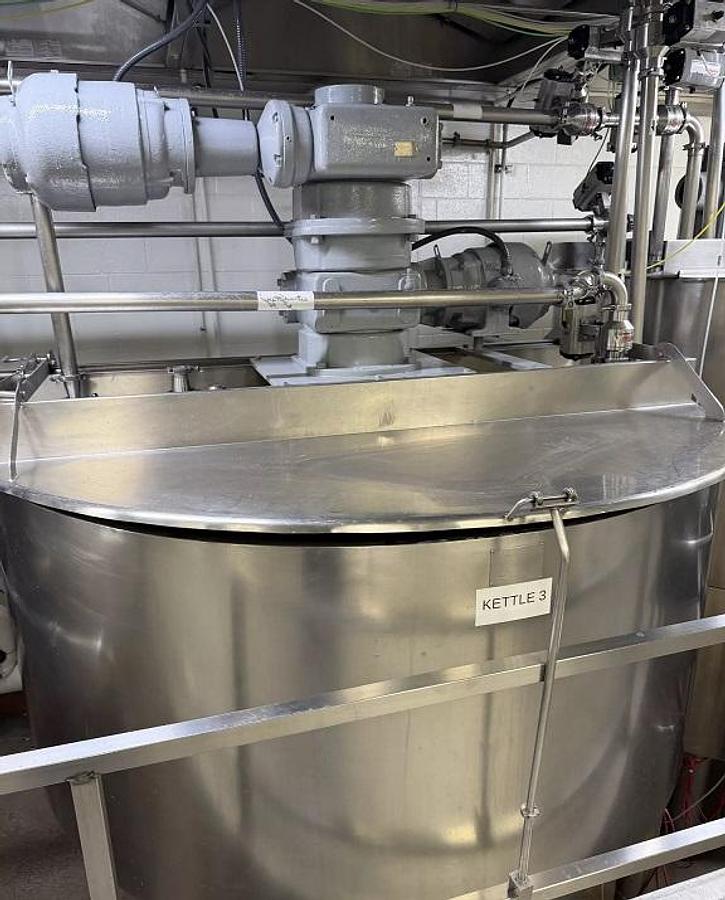
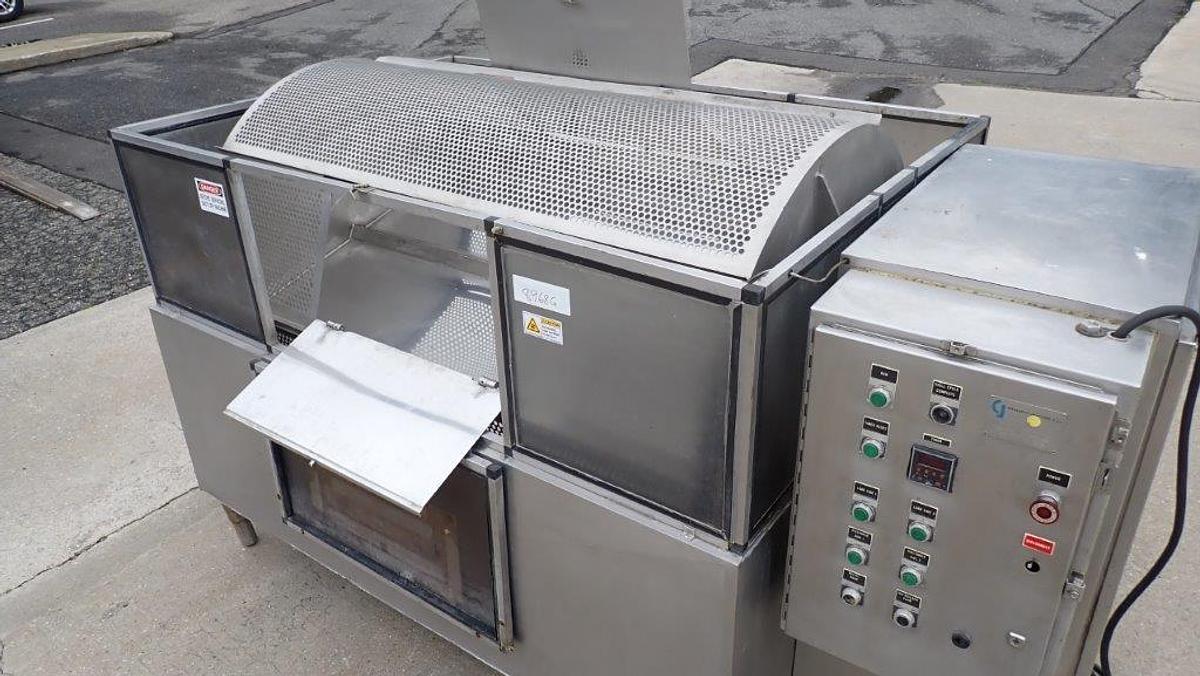
Chester Jensen cooker cooler equipment is designed for thermal processing applications in the food and dairy industries. The units are commonly used to cook and cool products such as canned goods, soups, sauces, pet food, and other thermally processed foods that require precise temperature control throughout the production cycle. The defining feature of these systems is their ability to handle both the cooking and cooling stages within a single piece of equipment, which reduces the number of handling steps and helps maintain product consistency across batches.
The equipment typically uses an agitated or rotary design that keeps product in motion during processing. This agitation promotes even heat distribution, which is especially important for viscous products or those prone to scorching. Chester Jensen units have historically been built to 3-A Sanitary Standards, making them well suited for dairy and food-grade processing environments where hygiene and cleanability are non-negotiable requirements. Their reputation in the industry stems from decades of use in high-volume commercial food production settings.
What capacity options are available for Chester Jensen cooker cooler systems?
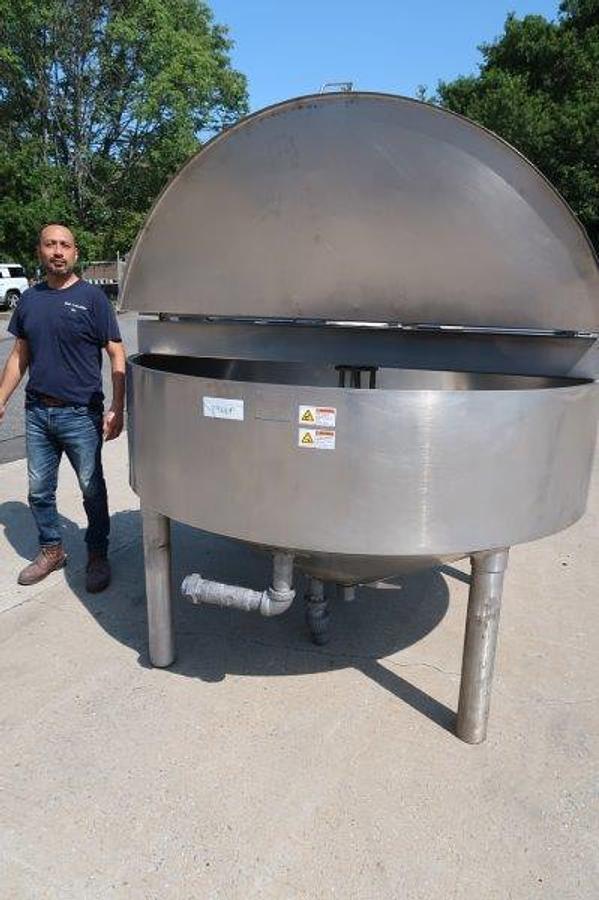
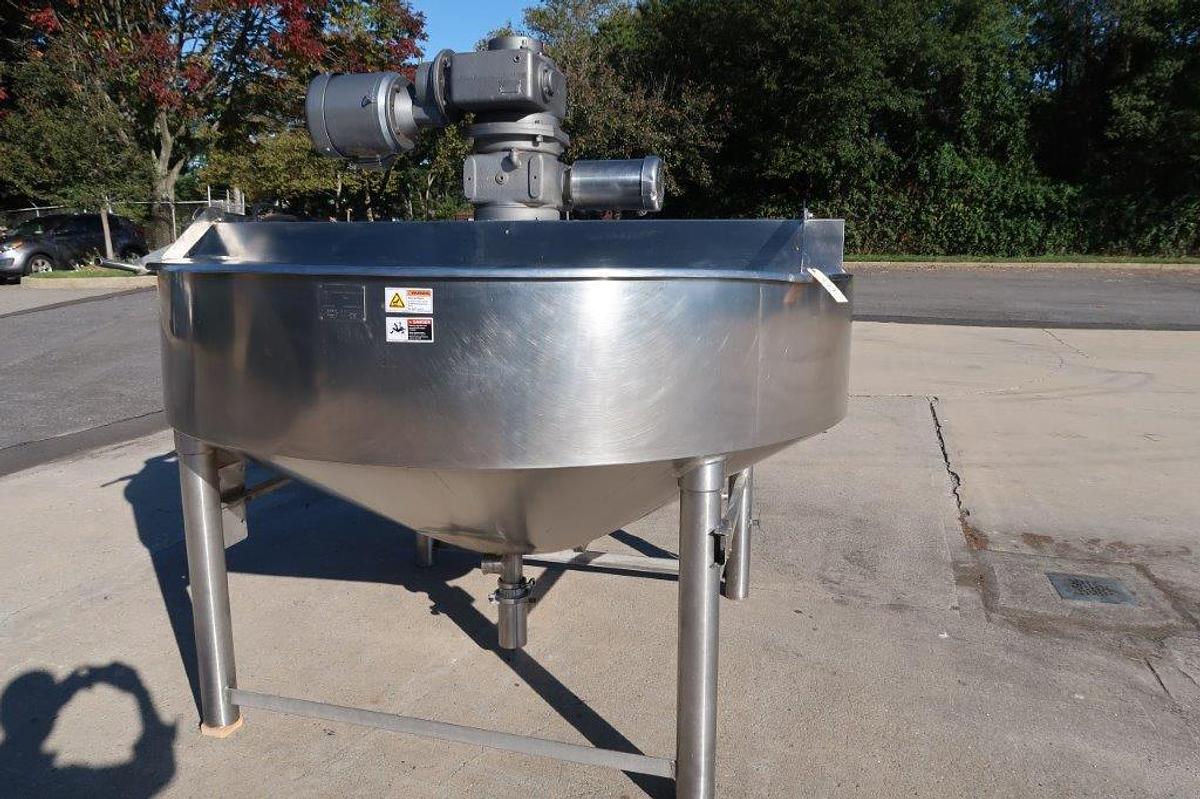
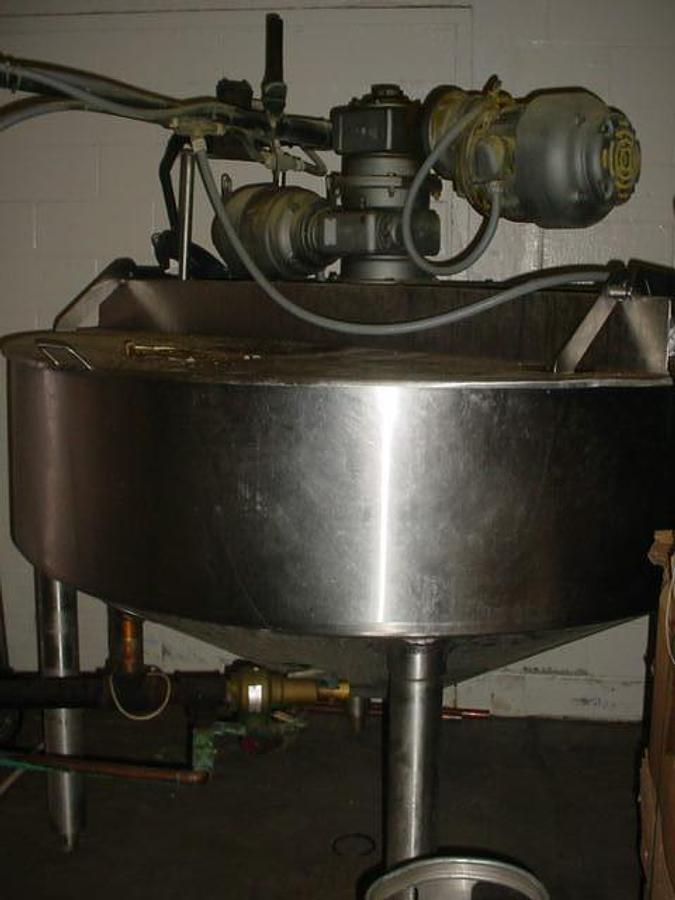
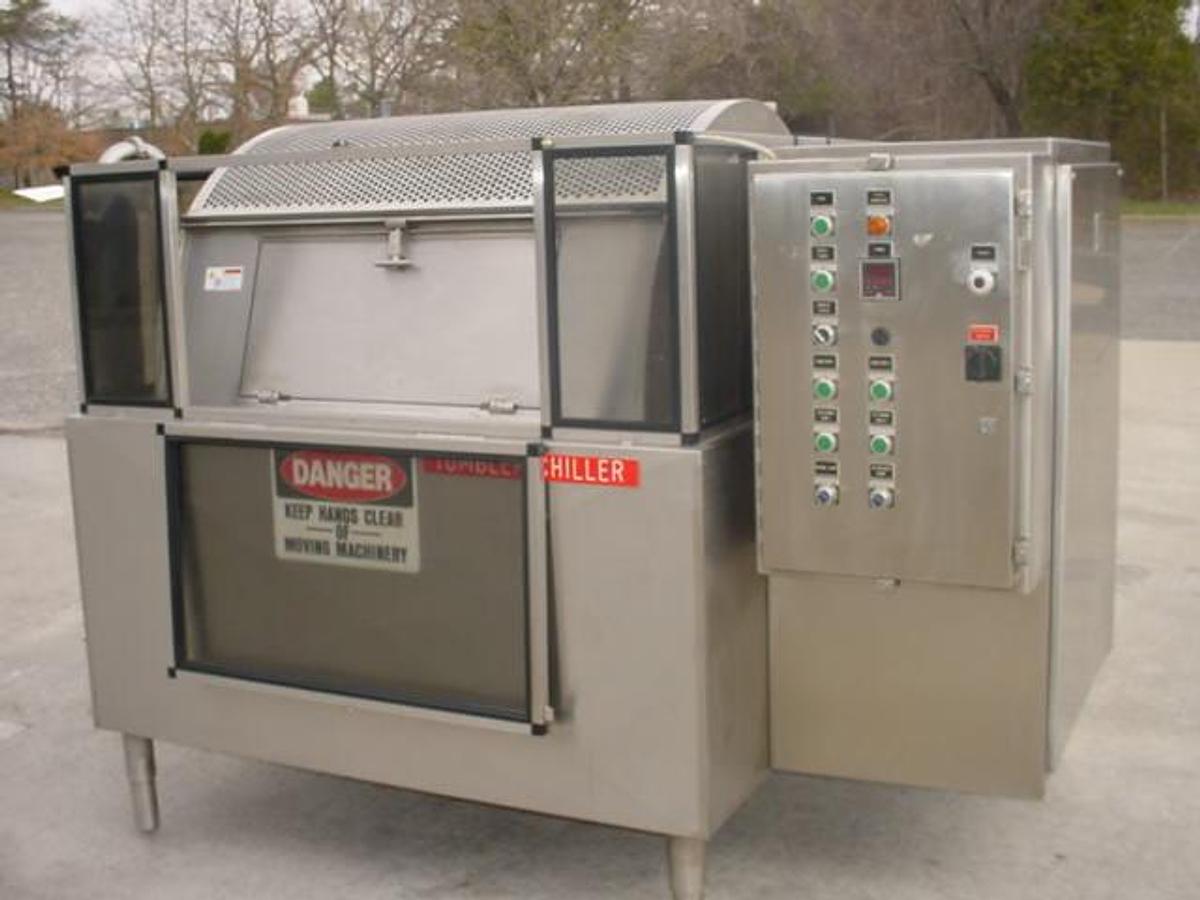
Chester Jensen cooker cooler units have been manufactured in a range of capacities to accommodate different production volumes. Common sizes found on the used equipment market include 100-gallon, 200-gallon, 300-gallon, and 400-gallon configurations. Some listings also include tumble chiller variants, such as the TC-4-4 and TC-4-6 models, which serve a slightly different function but fall within the same family of temperature-control processing equipment. The availability of any specific capacity at a given time depends on what has come off production lines and entered the secondary market.
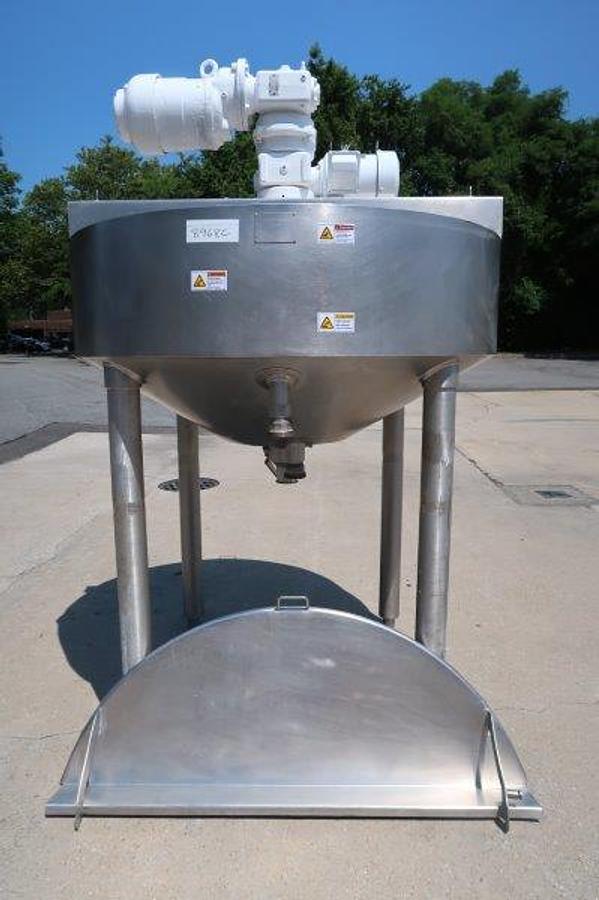
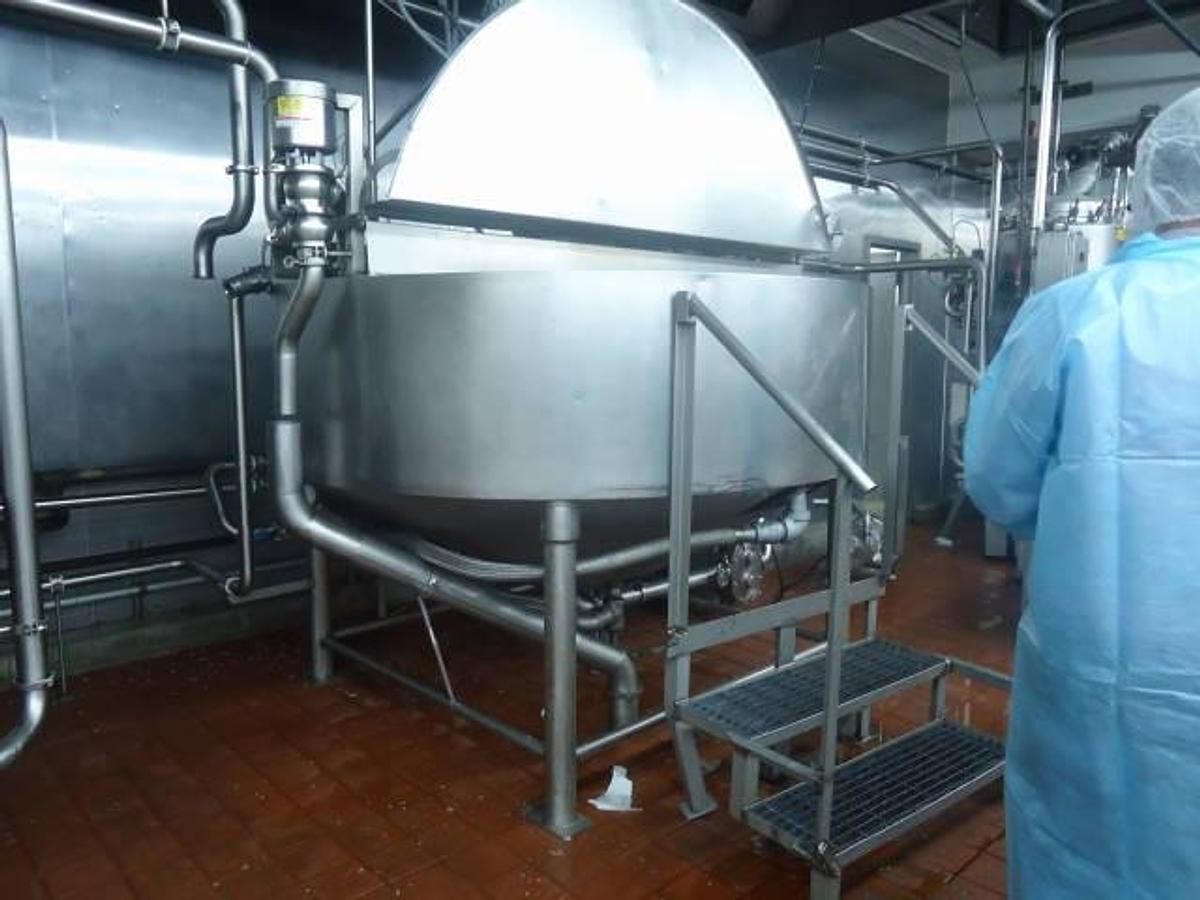
When selecting a capacity, buyers should consider not just current batch sizes but also future production needs and the footprint available in their facility. A 400-gallon agitated cooker cooler with a 100 PSI jacket, for example, is a substantially larger piece of equipment than a 100-gallon cone bottom unit, and the two serve different scales of operation. Used equipment dealers who specialize in food processing machinery can often help match buyers to the right capacity based on their processing requirements and available floor space.
What is the difference between an agitated cooker cooler and a tumble chiller in the Chester Jensen product line?
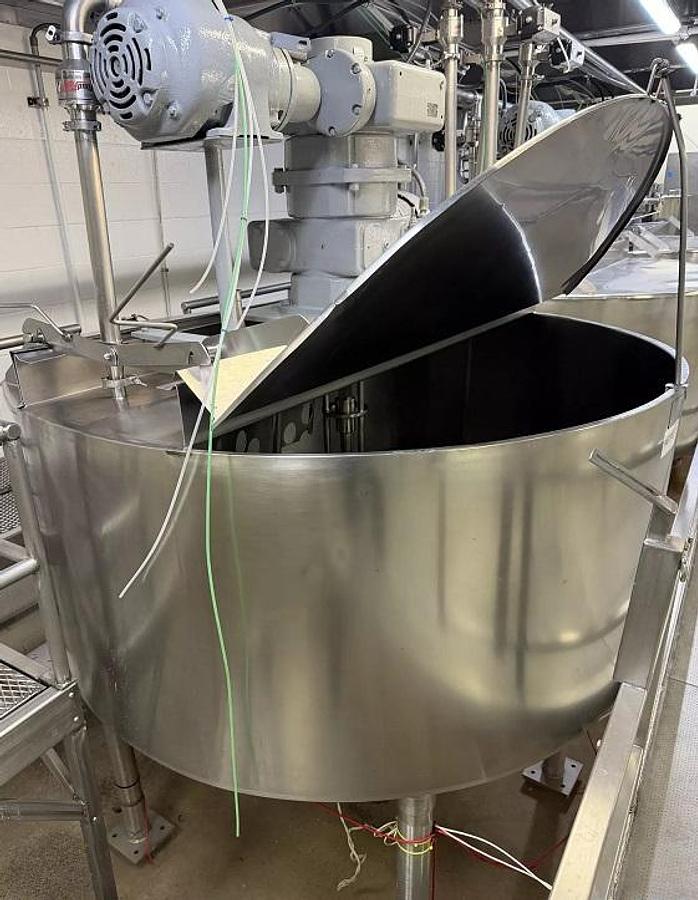
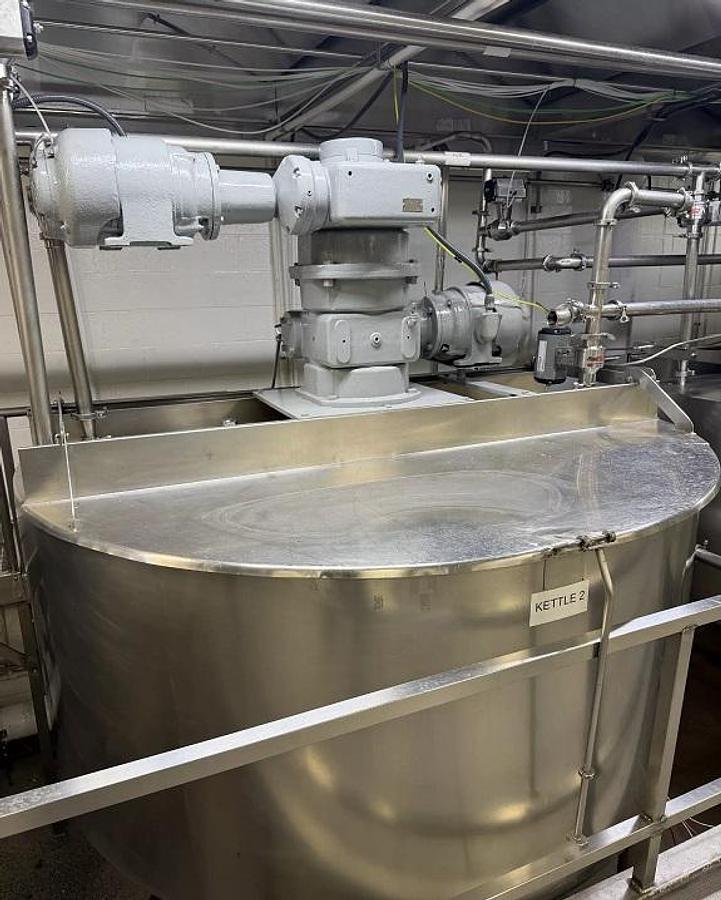
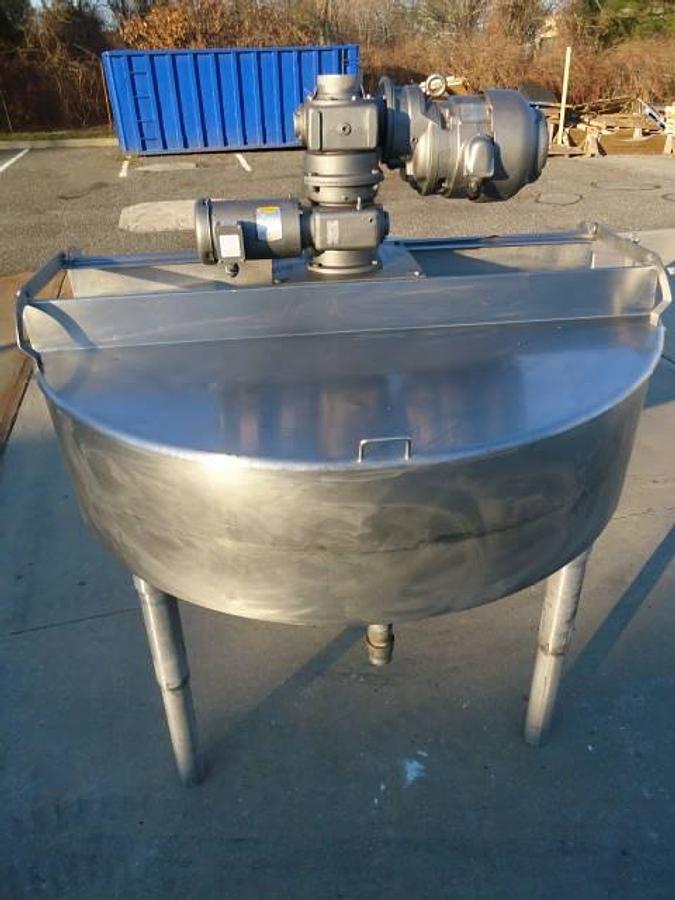
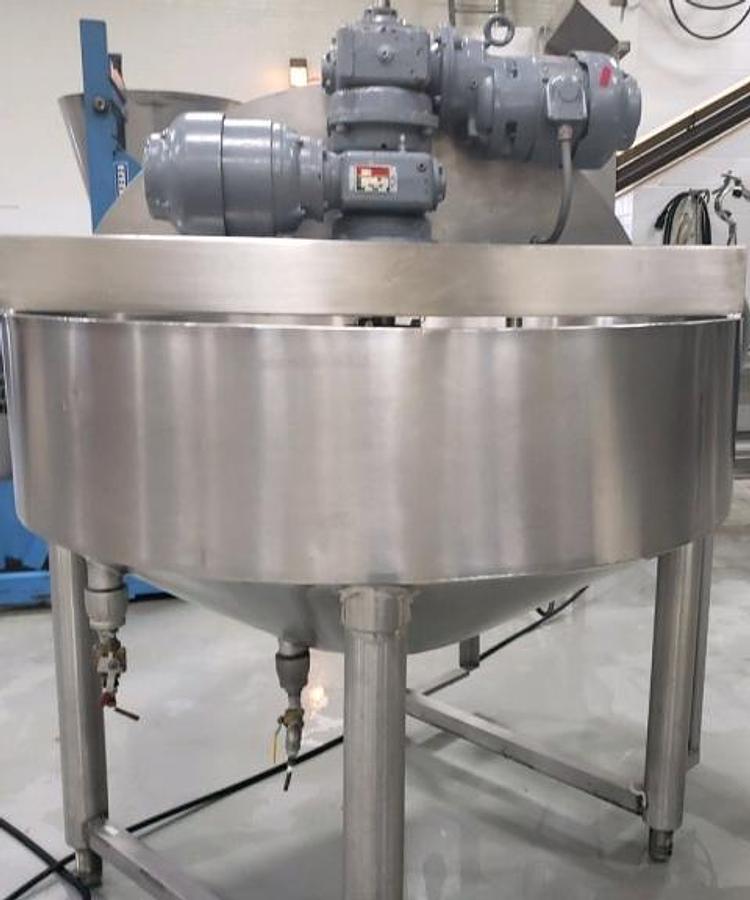
Chester Jensen produced two distinct styles of thermal processing equipment that are often listed together but serve somewhat different purposes. Agitated cooker coolers use an internal agitator, typically a paddle or scraper mechanism, to keep product moving within a stationary vessel. This design is well suited for liquid or semi-liquid products like soups, sauces, and dairy-based preparations, where consistent contact with the heated or cooled jacket surface is important for uniform processing. The agitation also helps prevent product from settling or burning against the vessel walls.
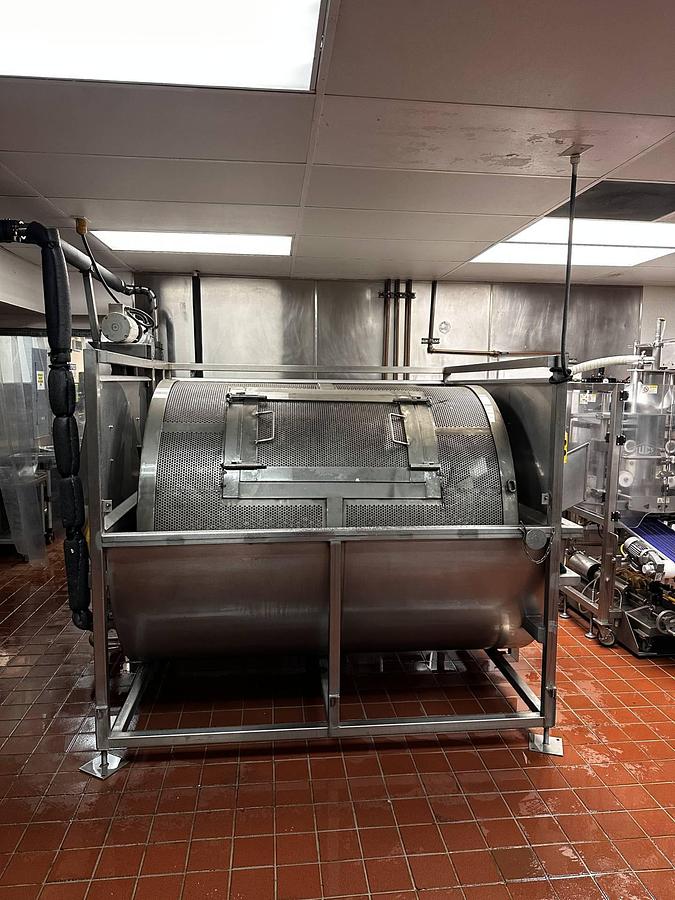
Tumble chillers, such as the TC-4-4 and TC-4-6 models, use a rotating drum rather than an internal agitator. The drum itself tumbles the product as it rotates, which works particularly well for solid or semi-solid products packaged in cans or pouches. The tumbling action improves heat transfer efficiency during the cooling phase and can significantly reduce the time needed to bring product down to safe storage temperatures. Both styles are available as used units, and the right choice depends on the physical form of the product being processed and the specific stage of the production process where the equipment will be used.
What materials are Chester Jensen cooker cooler units constructed from?
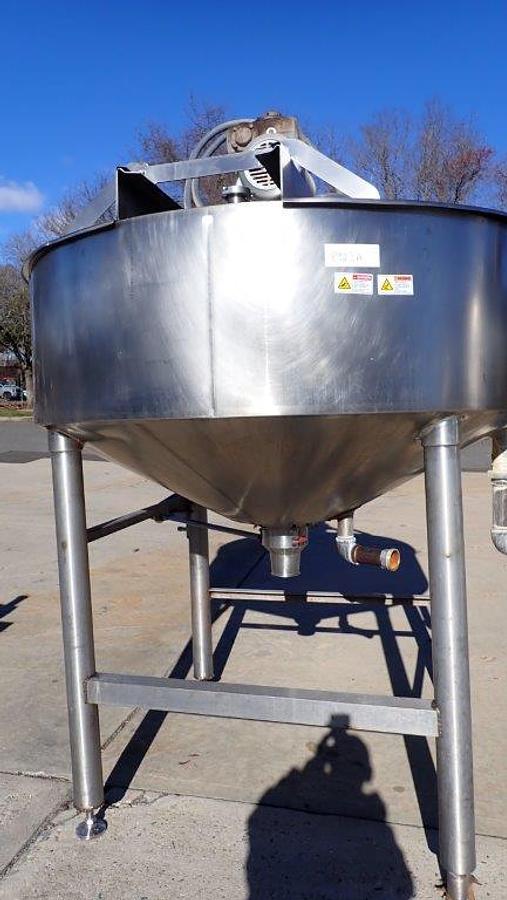
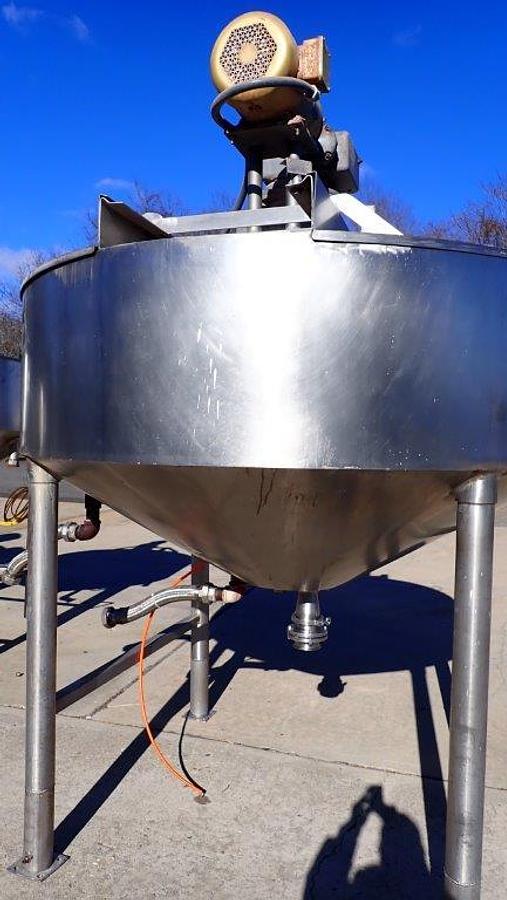
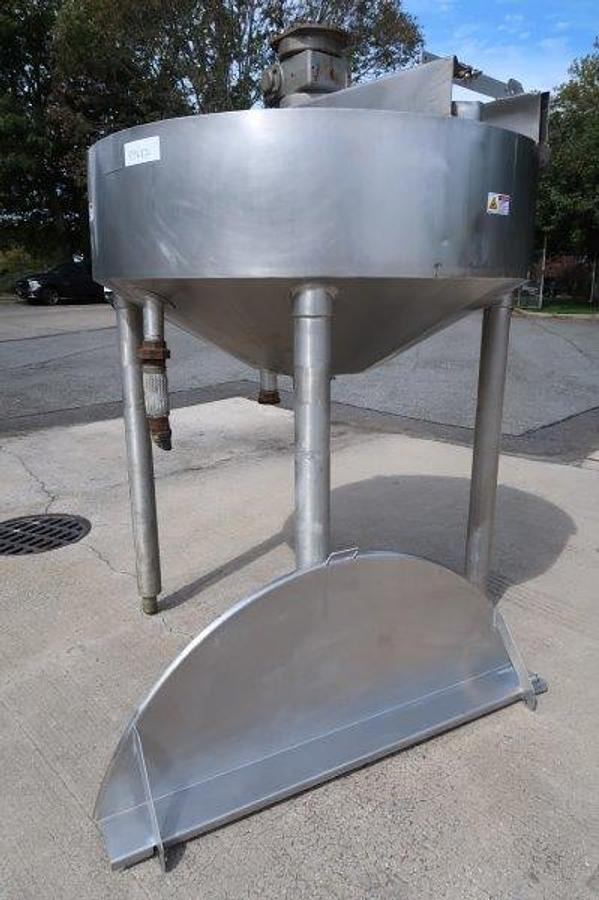
Chester Jensen cooker cooler equipment is built primarily from stainless steel, which is the standard material for food-grade processing equipment. Stainless steel construction offers corrosion resistance, durability under repeated thermal cycling, and the smooth, non-porous surfaces required for effective sanitation in food production environments. Many units feature cone bottom designs or other geometric configurations that facilitate complete drainage, which is an important consideration for both sanitation and product recovery. Jacket construction on higher-pressure models is rated for steam or hot water service, with some units rated to 100 PSI.
Because the equipment was manufactured to serve the dairy and food processing industries, many Chester Jensen units were built to comply with 3-A Sanitary Standards, a set of criteria developed specifically for equipment that contacts food or dairy products. When purchasing used equipment, buyers should verify the condition of all product-contact surfaces, gaskets, seals, and any internal components that may have worn over years of service. A thorough inspection is the most reliable way to assess whether a used unit meets the sanitary requirements of a particular production environment.
Are Chester Jensen cooker cooler units compatible with CIP (Clean-In-Place) sanitation systems?
Chester Jensen cooker cooler equipment was generally designed with sanitation in mind, and many units are compatible with CIP (Clean-In-Place) systems. CIP compatibility depends on the specific model, its internal geometry, and the condition of spray devices, drains, and seals. Units with cone bottom designs drain more completely than flat-bottom vessels, which reduces the risk of product pooling and makes CIP cycles more effective. The stainless steel construction is well suited to the caustic and acid solutions typically used in CIP protocols.
That said, CIP compatibility on a used machine should be verified during the inspection process rather than assumed. Years of service can affect the condition of spray balls, inlet and outlet connections, and internal welds or crevices where product residue can accumulate. Buyers should ask for detailed photos or video of the interior surfaces and any CIP-related fittings before finalizing a purchase. Consulting with a sanitation equipment specialist or the equipment manufacturer about the specific model's CIP design can also help determine whether modifications or upgrades would be needed to meet current production hygiene standards.
What should buyers know about purchasing used Chester Jensen equipment?
Chester Jensen is a legacy brand, and most of the equipment available today comes from the secondary market rather than current production runs. This means buyers are working with machines that have an operational history, and the condition of any given unit can vary considerably depending on how it was maintained, what products it processed, and how long it sat idle before being listed for sale. Selecting a dealer who specializes in food processing equipment and has a verifiable track record is one of the most important steps a buyer can take to reduce risk. Specialists in this category understand the equipment, can speak to its history, and are better positioned to provide accurate condition assessments than general industrial resellers.
Used equipment is typically sold as-is, which places the responsibility for evaluating condition squarely on the buyer. Reputable dealers will accommodate in-person inspections, video walkthroughs, or detailed photo documentation of the machine. Some units may still be installed at the facility where they were last used, allowing buyers to see the equipment in its operating context. Buyers should also contact Chester Jensen or its successor companies to understand what level of technical support, documentation, and parts availability they can expect for a specific model, since age and production era can affect what resources remain accessible.
How should buyers inspect a used Chester Jensen cooker cooler before purchasing?
A thorough inspection of a used Chester Jensen cooker cooler should cover both the mechanical and sanitary condition of the unit. On the mechanical side, buyers should look at the condition of the drive system, agitator or tumbling mechanism, jacket integrity, pressure ratings, and any valves or instrumentation included with the unit. Pitting, cracks, or heavy scale buildup on the jacket can indicate that the unit was subjected to harsh service conditions or inadequate maintenance. The agitator shaft seals and bearings are wear items that should be examined closely, as replacing them can add to the total cost of putting the machine back into service.
For sanitary condition, the interior product-contact surfaces deserve careful attention. Scratches, pitting, or discoloration on stainless steel can harbor bacteria and may require re-polishing or more significant remediation before the unit can be used in a food production environment. Dealers can typically provide in-person inspections, video inspections, or video captures of the machine to give buyers an accurate picture of its current state. Keep in mind that most equipment dealers do not have the permitting or facilities to run actual product through the machine, so functional testing is limited to mechanical operation rather than full production simulation. Buyers should factor the cost of any necessary refurbishment into their total acquisition budget.
What are the typical shipping and logistics considerations for Chester Jensen cooker cooler equipment?
Chester Jensen cooker cooler units are large, heavy pieces of industrial equipment, and shipping them requires more planning than standard freight. Smaller units, such as 100-gallon agitated cookers, may be palletized and shipped via standard LTL freight carriers, but larger units in the 300 to 400-gallon range often require specialized rigging for loading and unloading. Rigging services involve cranes or forklifts rated for the weight of the equipment, and this is typically an added cost that buyers should confirm with the dealer before finalizing a purchase. The total landed cost of a used machine includes not just the purchase price but also packaging, rigging, freight, and any unloading equipment needed at the destination.
Proper packaging is critical to prevent damage in transit. Dealers should crate or otherwise secure the equipment to protect vulnerable components such as the agitator, jacket fittings, and control panels. Buyers should ask the dealer specifically what packaging will be used and whether any disassembly is required for safe transport. For international shipments, customs documentation, import duties, and compliance with destination-country food equipment standards add another layer of complexity. Getting a clear, itemized breakdown of all shipping-related costs before agreeing to a purchase helps avoid unexpected expenses after the sale is complete.
What payment terms are typical when buying used Chester Jensen equipment from a dealer?
Most used industrial equipment dealers require full payment before a machine is released for shipping. This is standard practice in the secondary equipment market and applies to Chester Jensen cooker coolers as it does to most other categories of used food processing machinery. The reasoning is straightforward: once a machine leaves a dealer's facility, verifying its condition becomes difficult, and the logistics of returning large equipment are complicated and costly for all parties. Buyers should be prepared to wire funds or arrange other accepted forms of payment prior to the machine being loaded and shipped.
Some dealers may offer extended payment terms to buyers with whom they have an established purchasing history, but this is the exception rather than the rule for first-time transactions. Buyers who need financing should explore third-party equipment financing companies that specialize in used industrial machinery, as these lenders are familiar with the asset class and can structure loans accordingly. Before committing to a purchase, it is worth asking the dealer directly about their accepted payment methods and whether any flexibility exists on timing, particularly if the buyer needs to arrange financing or coordinate payment with internal procurement processes.
Are replacement parts still available for Chester Jensen cooker cooler equipment?
Parts availability for Chester Jensen equipment depends on the specific model, its age, and the current support posture of the manufacturer or its successor companies. Chester Jensen has historically been associated with Cherry-Burrell Corporation, and the lineage of ownership and brand succession affects what documentation, parts, and technical support remain accessible. For some models, the manufacturer or an authorized service provider may still stock or be able to fabricate common wear items such as seals, gaskets, agitator components, and drive parts. For older or discontinued models, parts sourcing may require working with third-party fabricators or cannibilizing components from other used units.
Buyers considering a used Chester Jensen cooker cooler should contact the manufacturer directly before purchasing to get a realistic picture of parts and support availability for the specific model they are evaluating. Age and production era matter: a unit manufactured in the last two decades is more likely to have accessible parts documentation than one built several decades earlier. Dealers who specialize in food processing equipment often have knowledge of parts sourcing channels and may be able to advise on what components are readily available versus what would need to be custom fabricated. This information should factor into the overall cost-benefit analysis of acquiring a particular used unit.