Category
Manufacturer
Model
Cherry Burrell
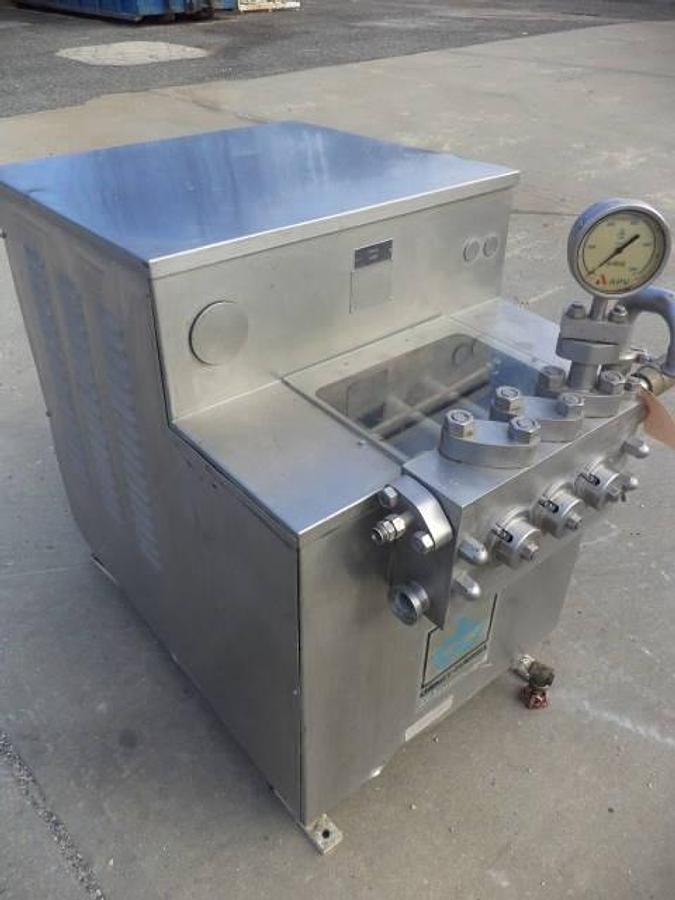
Cherry Burrell specializes in providing a wide range of food and dairy processing equipment, well-regarded for its advanced design features and durability. They are particularly known for their dairy processing technology, including separators and homogenizers.
FAQ:
What types of Cherry Burrell equipment are commonly available on the used market?
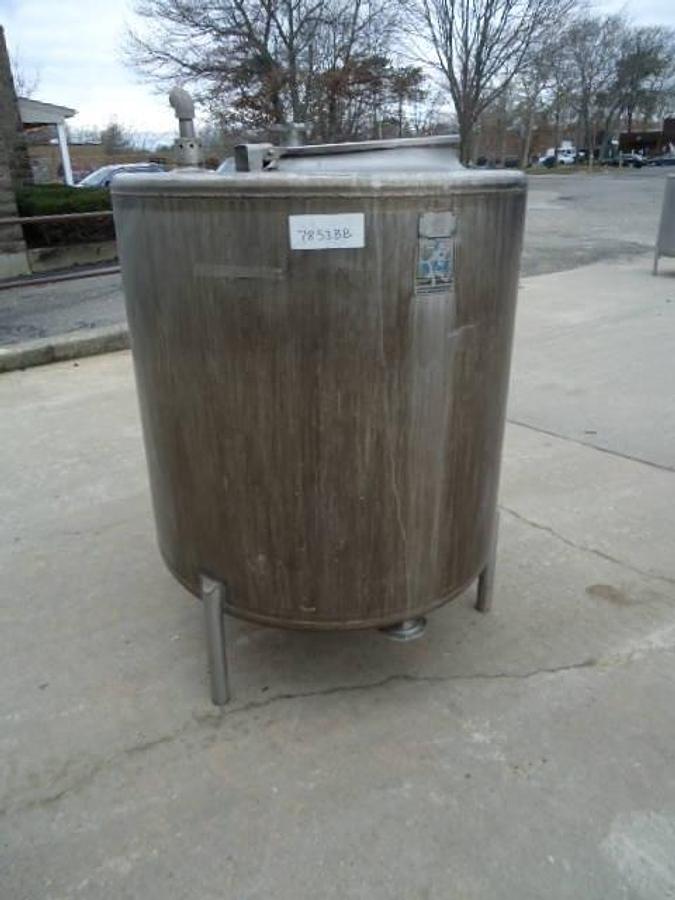
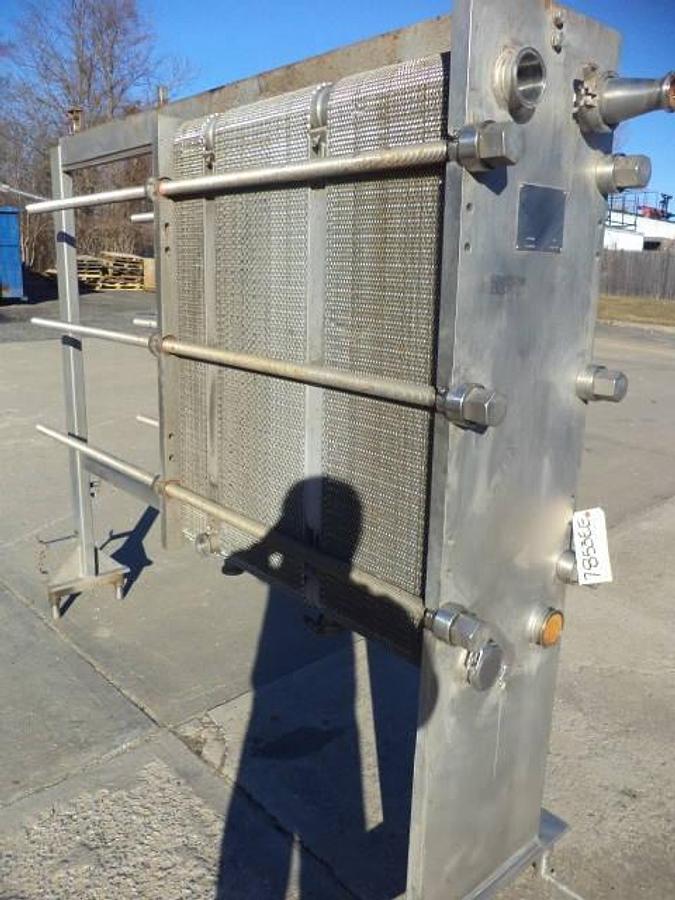
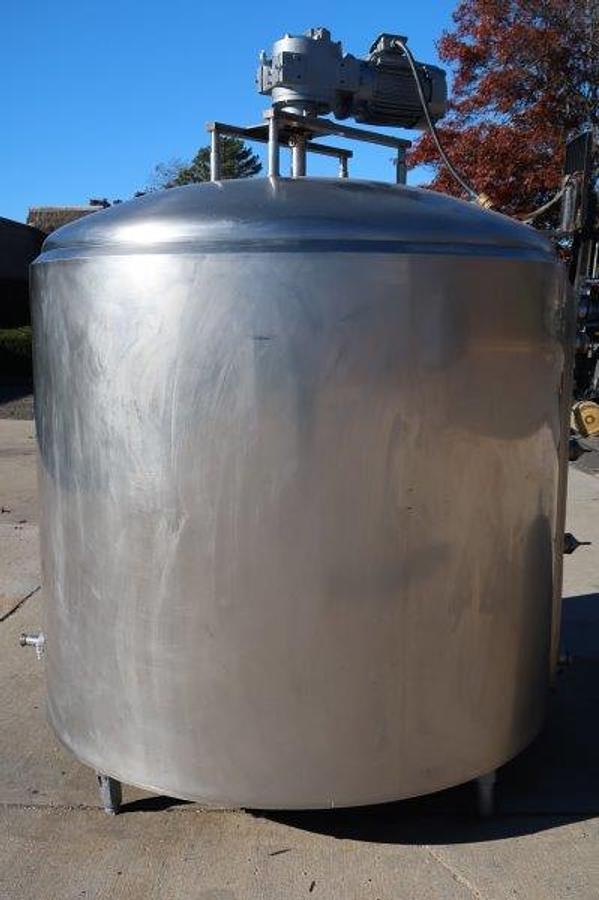
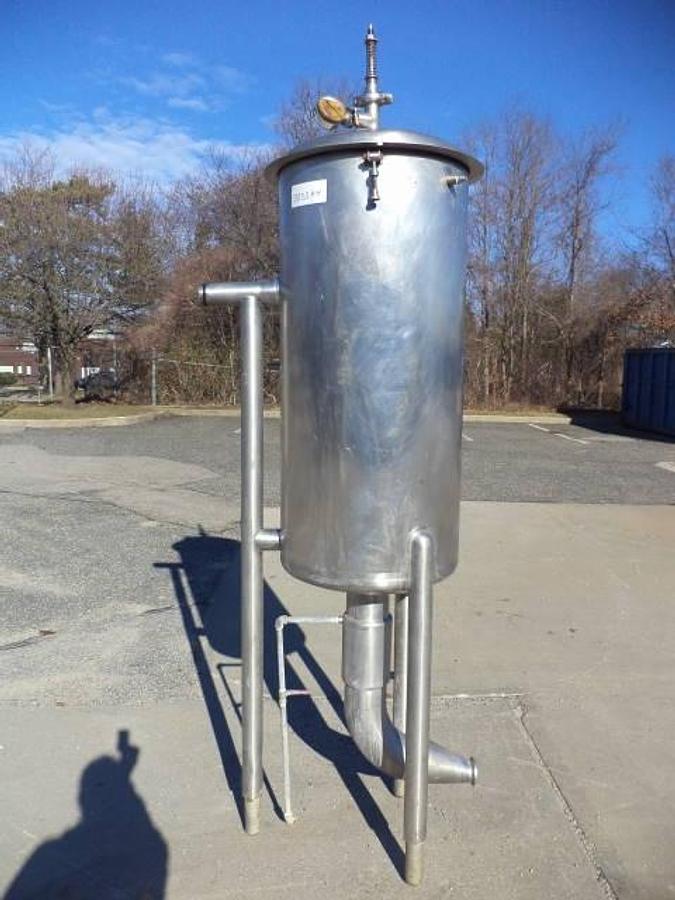
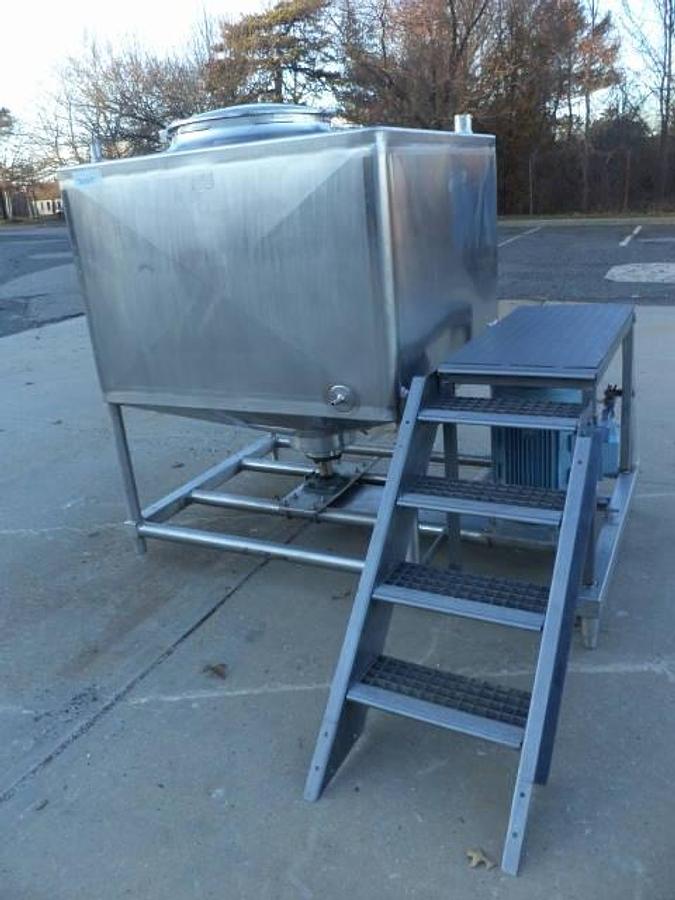
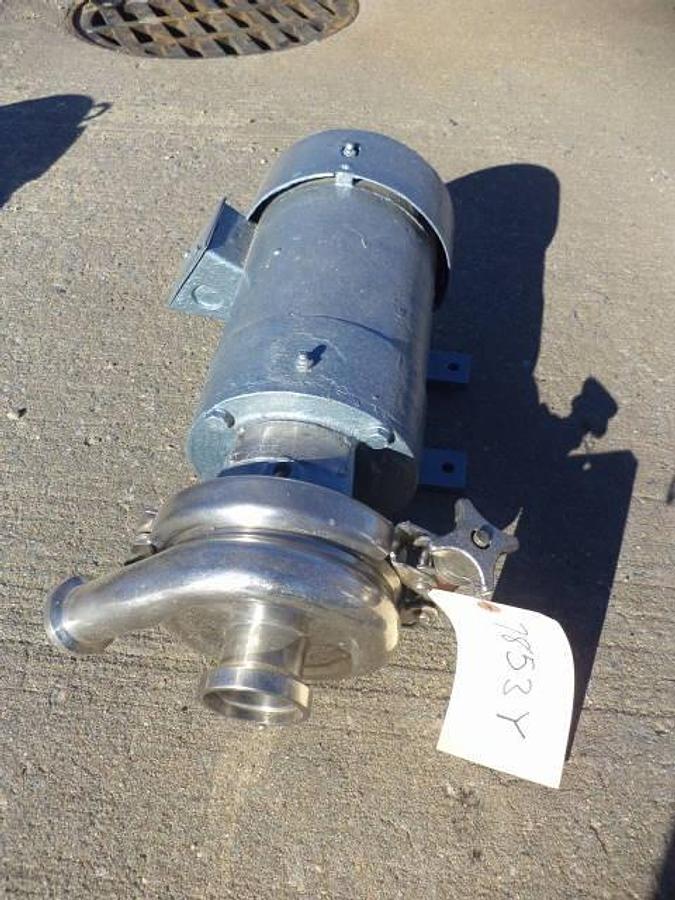
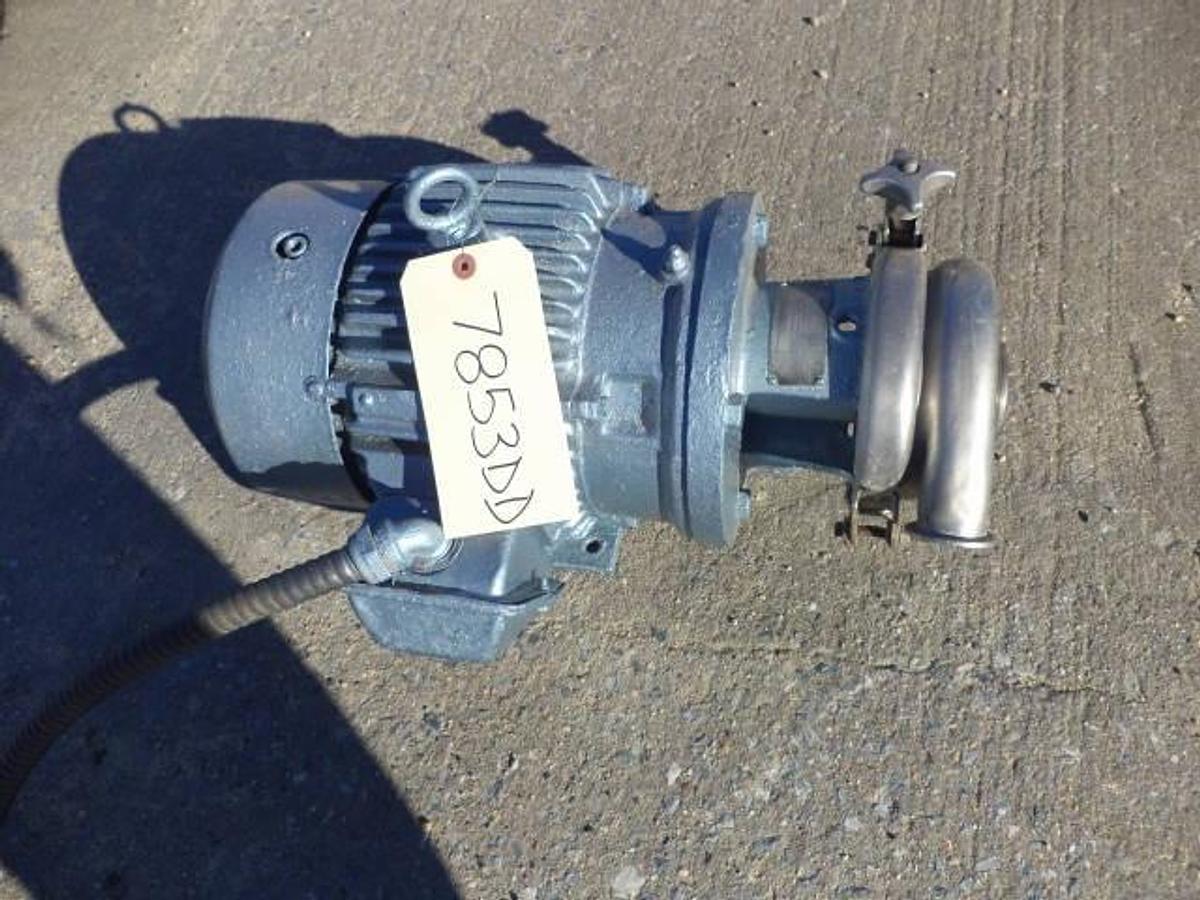
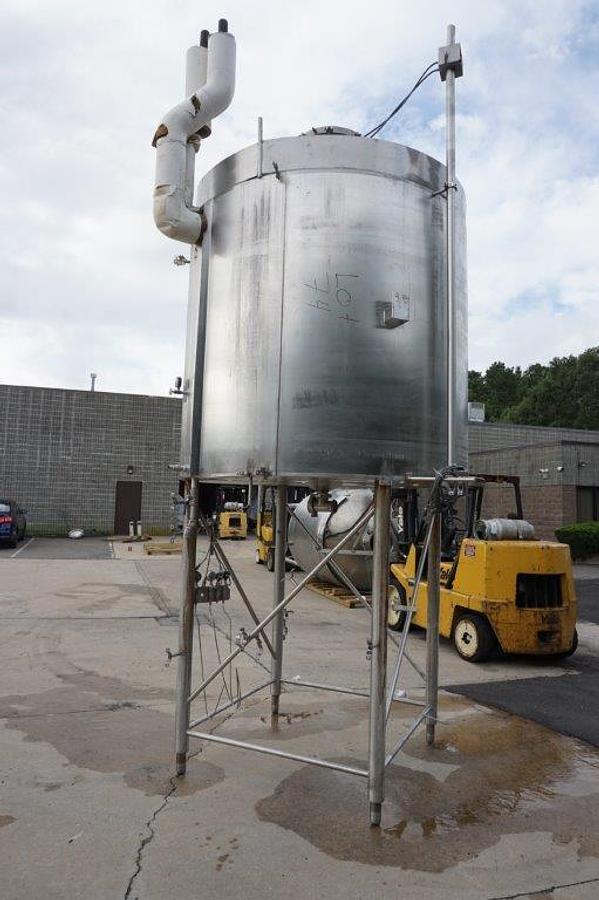
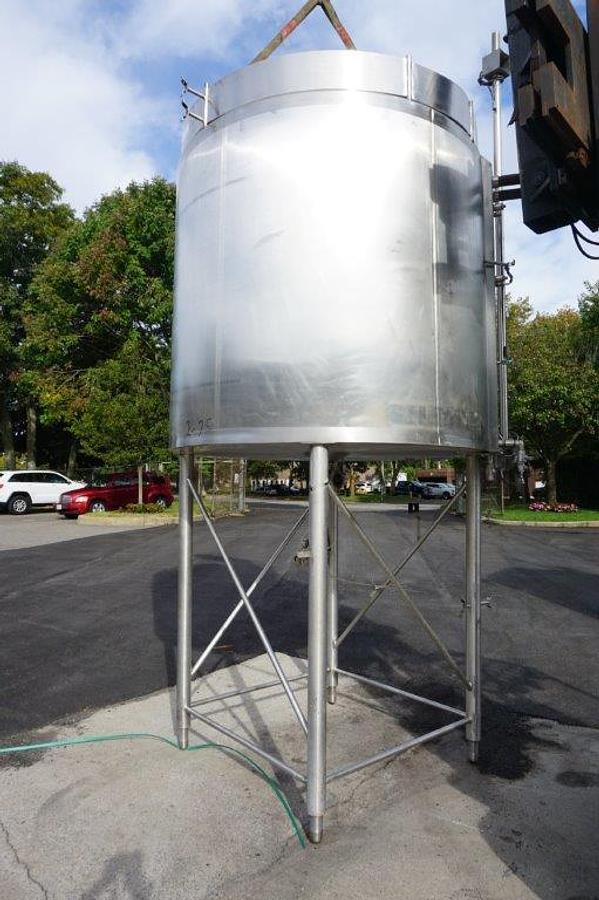
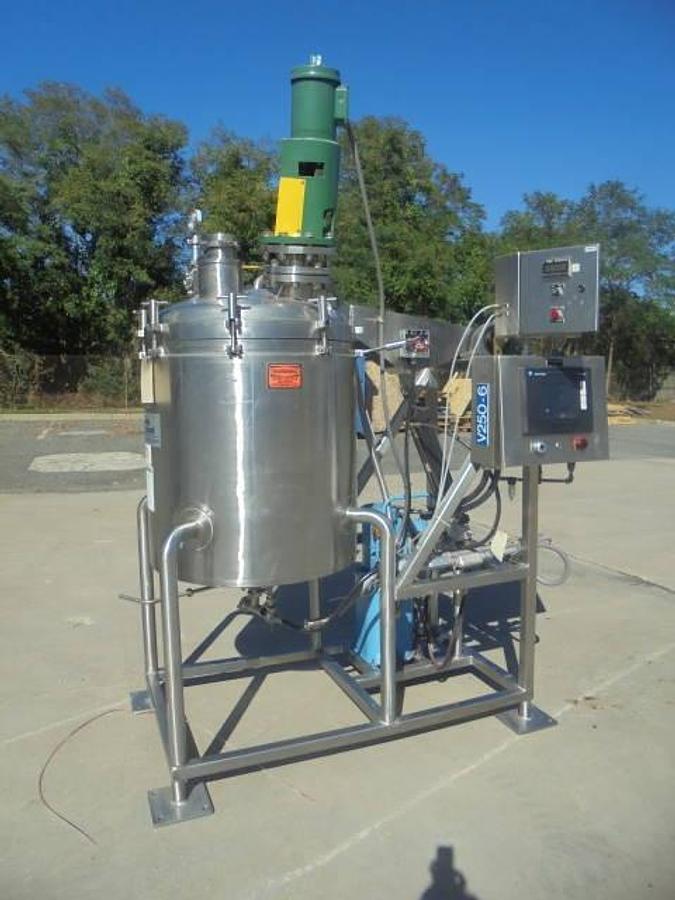
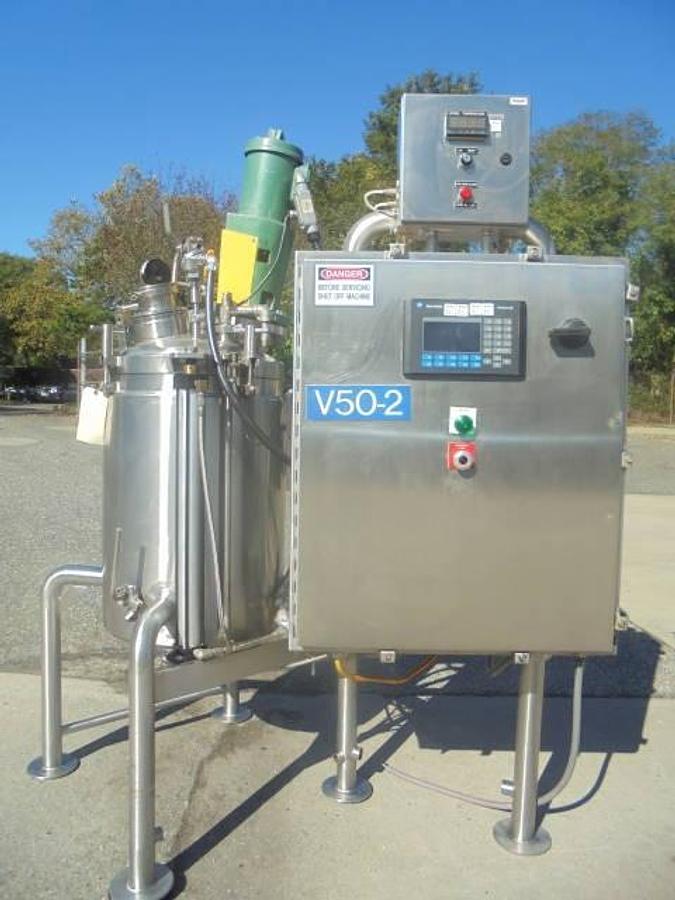
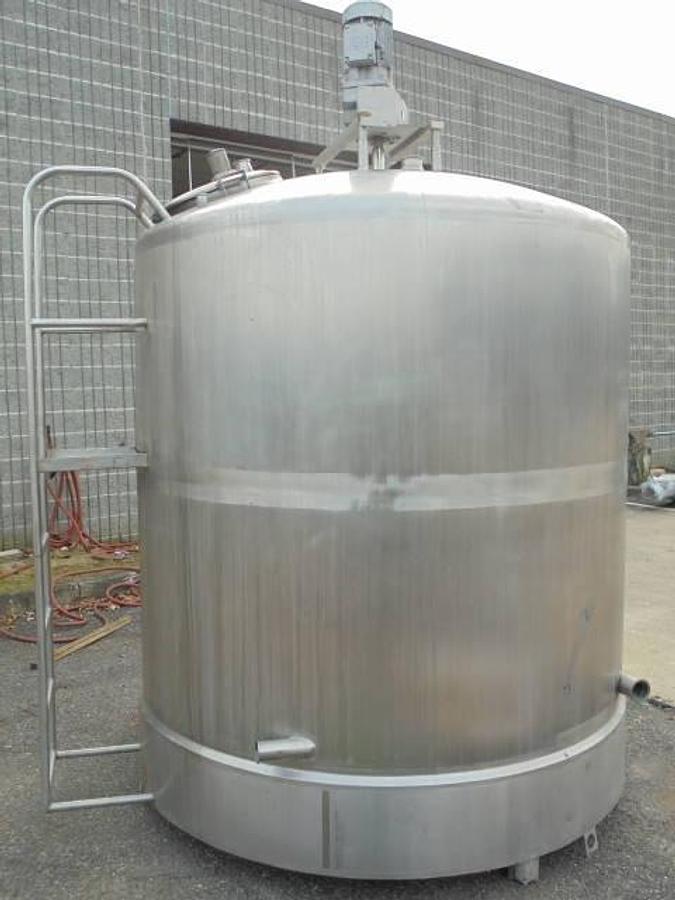
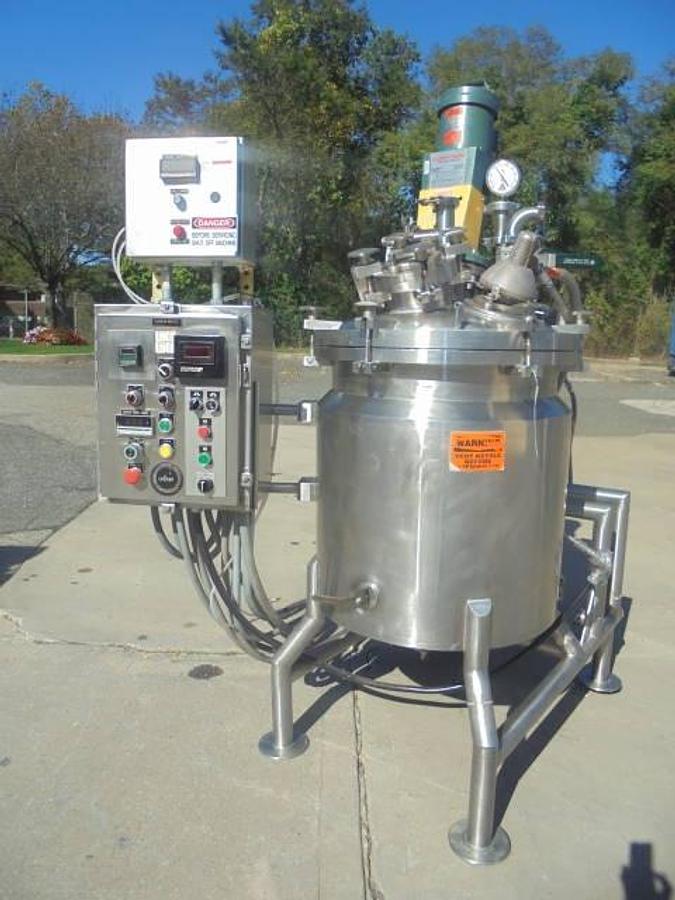
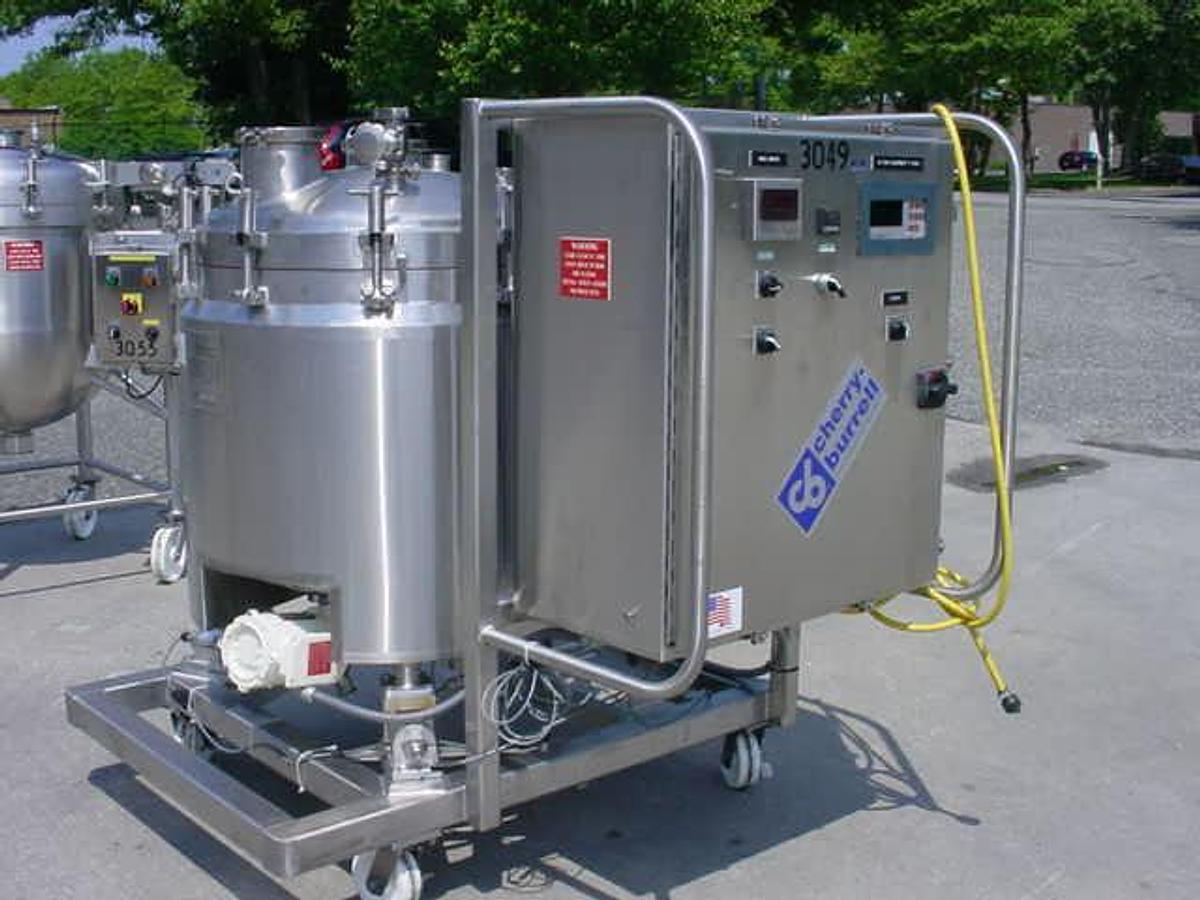
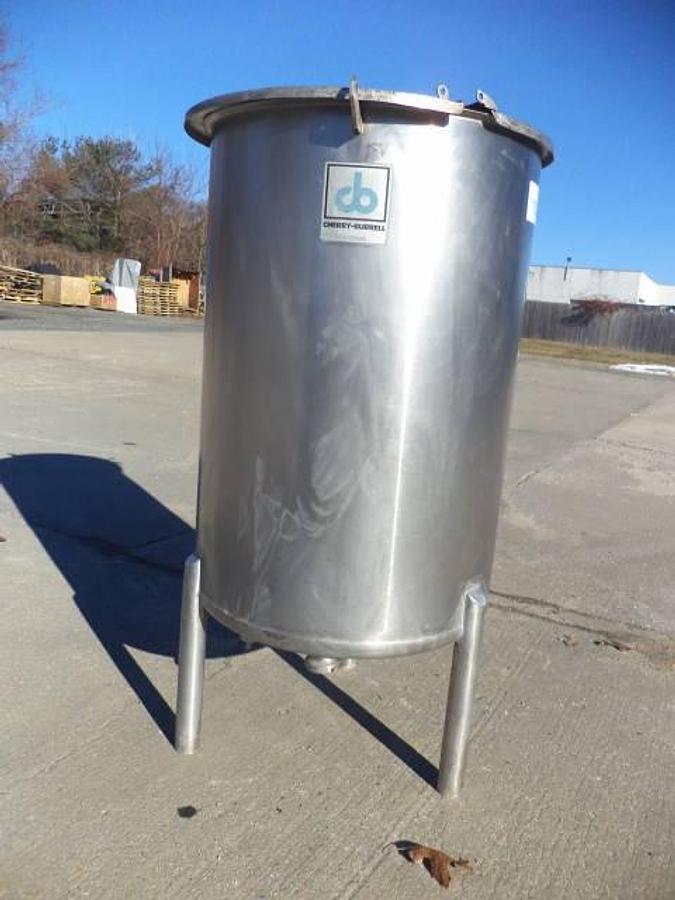
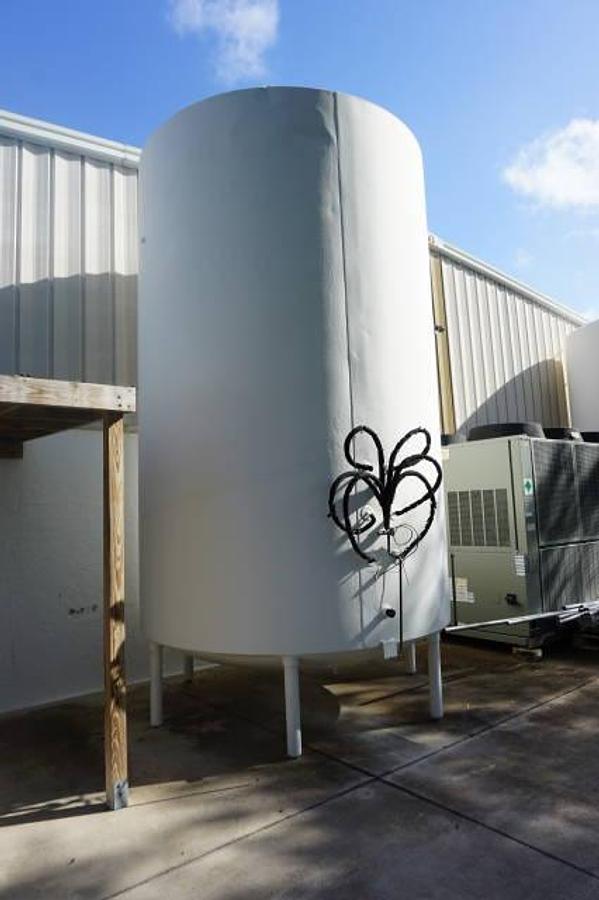
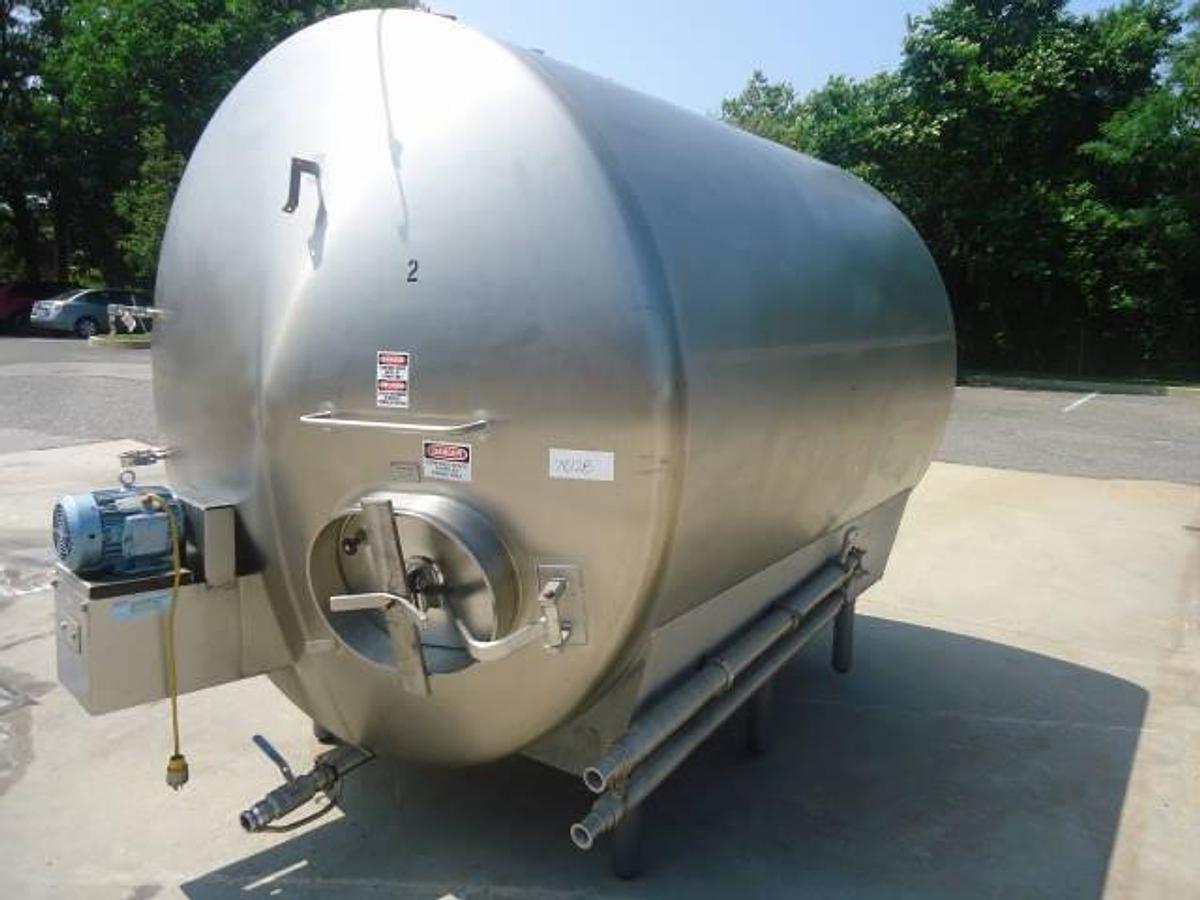
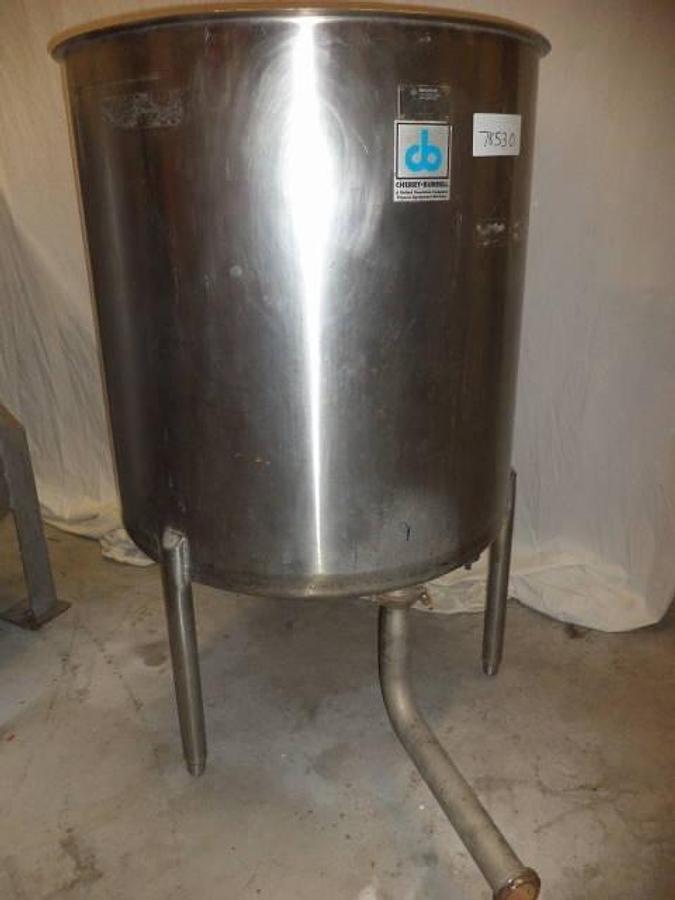
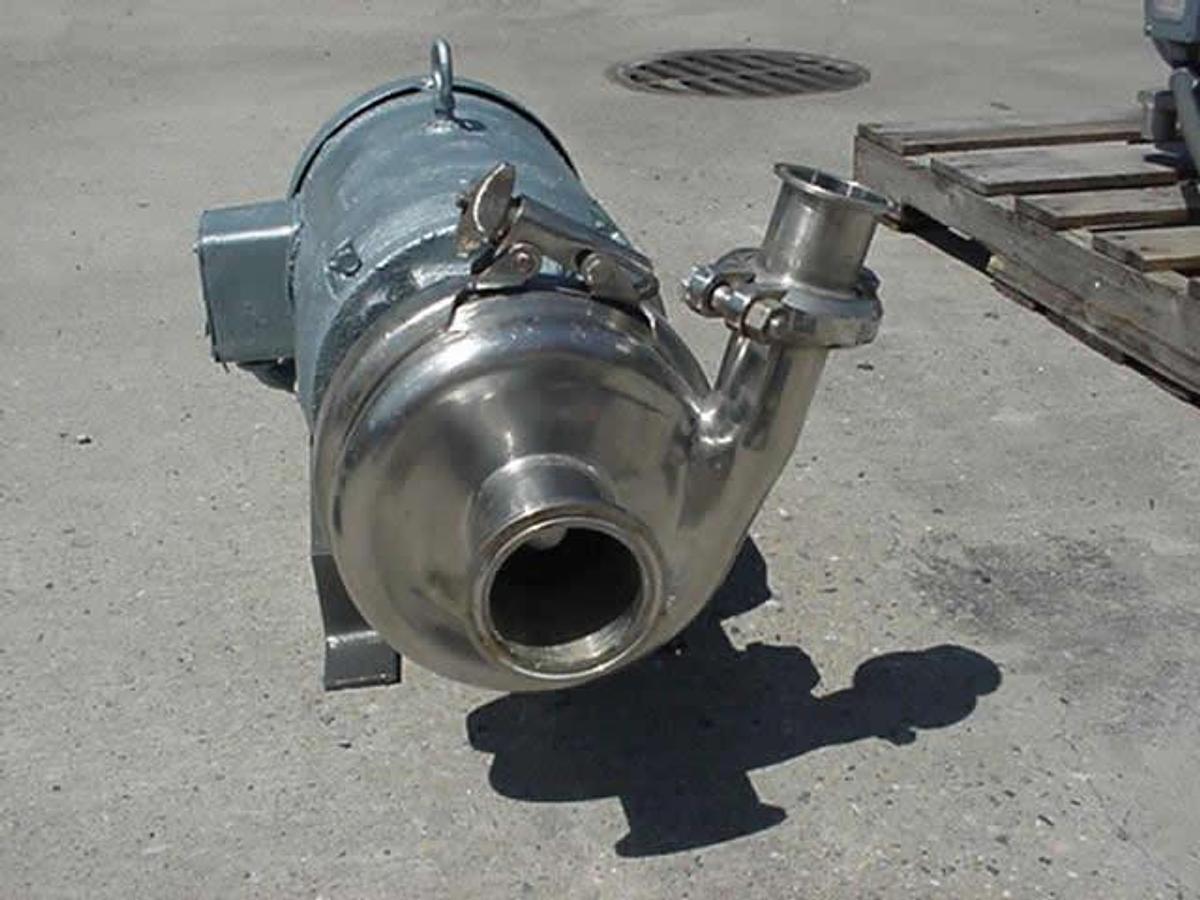
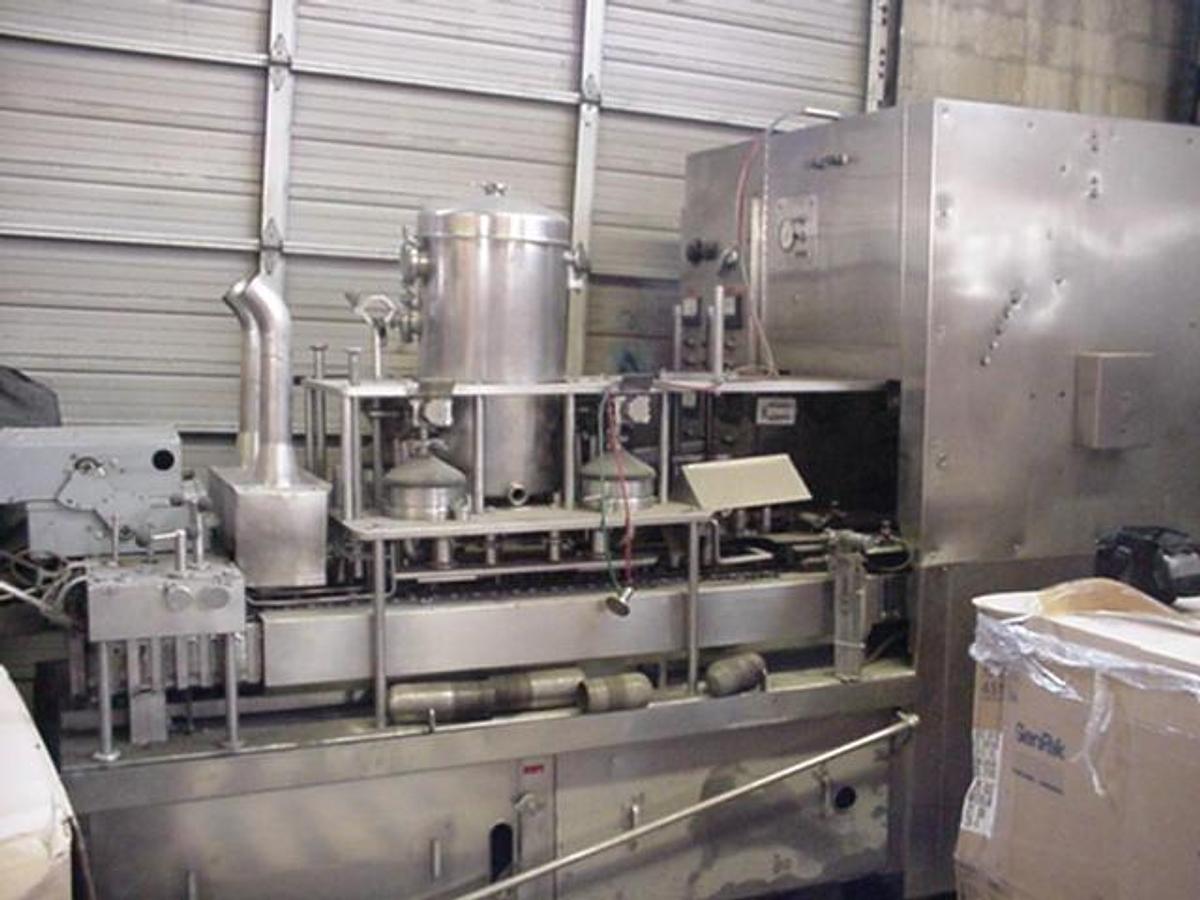
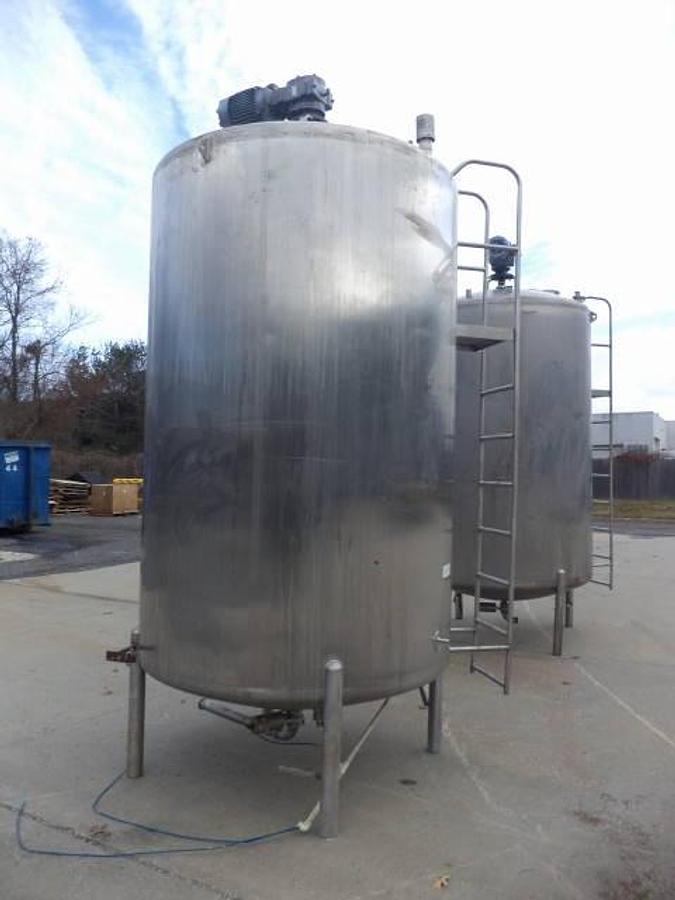
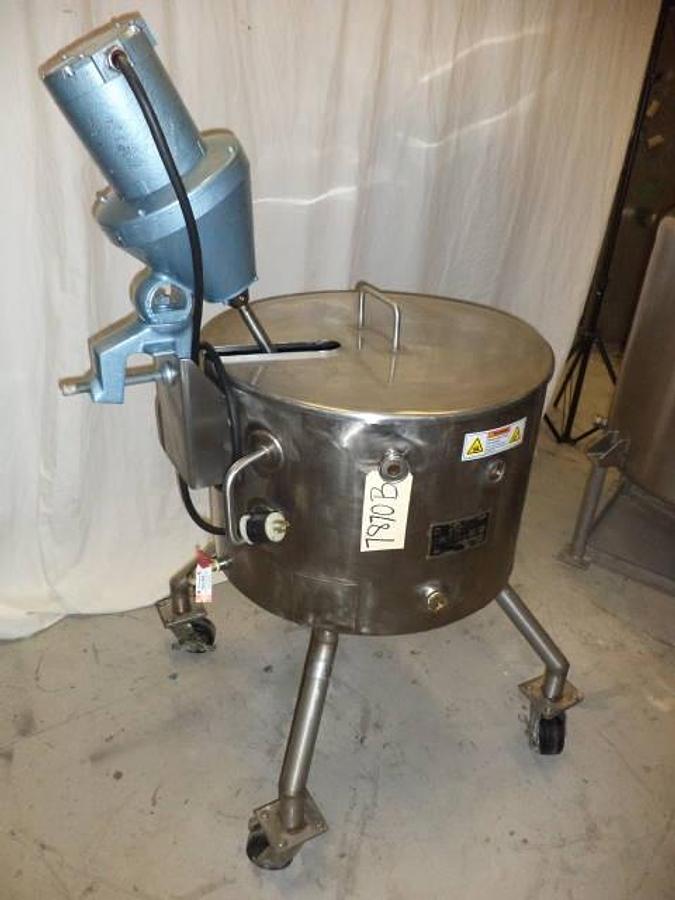
Cherry Burrell produced a wide range of sanitary processing equipment over its history, and many of those product lines continue to circulate on the used market decades after manufacture. Common categories include stainless steel mixing tanks (ranging from small 11-gallon jacketed kettles up to 5,000-gallon horizontal tanks), plate heat exchangers, centrifugal pumps such as the Flex-Flo line, homogenizers like the Stellar-Flo high-pressure pump, jacketed pressurized vessels, agitated storage tanks, and specialty filling equipment such as the Q80 carton filler and four-piston automatic fillers. The brand also produced the Aro-Vac Flavorizer vacuum vessels and the Likwifier high-shear mixer, both of which appear periodically on the used equipment market.
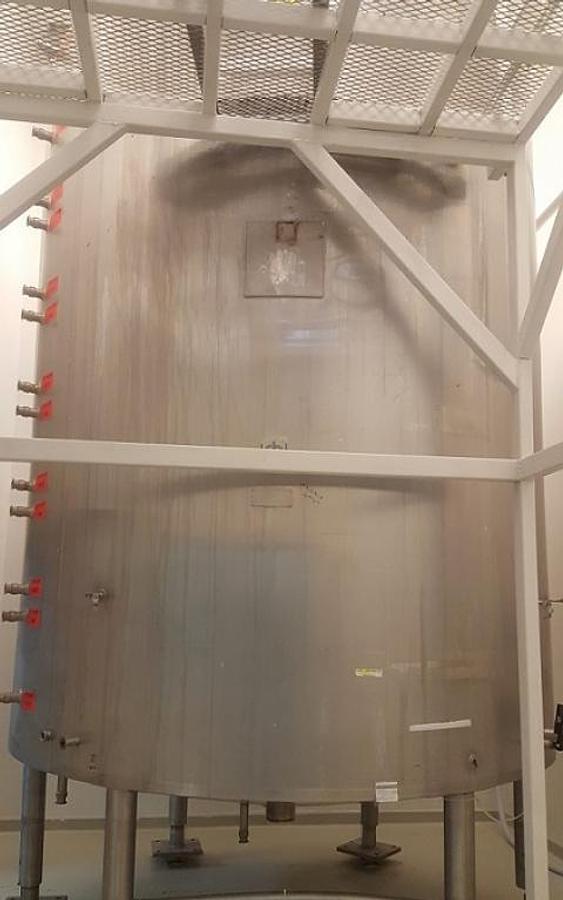
Tank capacities found on the used market span a broad range, from 50-gallon portable mix kettles to 3,000-gallon jacketed tanks, giving buyers flexibility to match equipment to their specific batch sizes or continuous processing requirements. Many of these units were built with 304 or 316 stainless steel and designed to 3-A Sanitary Standards, which is part of why they hold up so well and remain in demand long after their original production runs. Buyers sourcing used Cherry Burrell equipment should confirm the specific model, capacity, pressure rating, and material grade before purchase, as specifications vary significantly across the product line.
What industries use Cherry Burrell processing equipment?
Cherry Burrell built its reputation primarily in the dairy and fluid food processing industries, where its separators, homogenizers, and heat exchangers became standard equipment at creameries, milk processing plants, and cheese facilities across North America. The brand's sanitary stainless steel construction and compliance with 3-A Sanitary Standards made it a natural fit for any application requiring clean-in-place (CIP) capability and FDA or USDA-acceptable surfaces. Dairy processors, ice cream manufacturers, and beverage producers have historically been among the heaviest users of Cherry Burrell tanks, pumps, and heat exchangers.
Beyond dairy, Cherry Burrell equipment sees regular use in pharmaceutical and nutraceutical manufacturing, cosmetics and personal care production, specialty chemical processing, and brewing or fermentation operations. The jacketed pressurized kettles and reactors, for example, are frequently repurposed for pharmaceutical mixing or cosmetic emulsification after their original food-processing service life. The versatility of sanitary stainless steel construction means that a tank or pump originally specified for dairy can often be validated and redeployed in another regulated industry, which contributes to the strong secondary market for these machines.
Is used Cherry Burrell equipment reliable enough for active production use?
Cherry Burrell equipment has a well-documented reputation for longevity. Many units manufactured in the 1970s, 1980s, and 1990s remain in active production facilities today, a track record that speaks to the quality of materials and fabrication standards the brand maintained. The use of 304 and 316 stainless steel throughout most product lines resists corrosion and wear far better than carbon steel alternatives, and the mechanical simplicity of many Cherry Burrell designs (centrifugal pumps, agitated tanks, plate heat exchangers) means there are fewer failure points compared to more complex equipment.
That said, reliability on any used machine depends heavily on its service history, maintenance record, and how it was stored or decommissioned. Buyers should treat each unit individually rather than assuming all Cherry Burrell equipment is in equivalent condition. Key inspection points include the condition of seals, gaskets, and wear surfaces; any signs of pitting or corrosion on product-contact surfaces; the operational state of motors, drives, and controls; and whether the unit has been sitting idle for an extended period. A thorough inspection, either in person or via video, is the most effective way to assess whether a specific machine is ready for production or will require reconditioning before use.
What should a buyer inspect before purchasing used Cherry Burrell equipment?
Before committing to a purchase, buyers should request as much documentation and visual access as possible. For tanks and vessels, the most critical areas to examine are the interior product-contact surfaces for pitting, weld repairs, or corrosion, as well as the condition of the jacket (checking for leaks or damage) and the integrity of all nozzles, fittings, and manways. On heat exchangers, plate condition and gasket wear are primary concerns since degraded gaskets can cause cross-contamination between product and heating or cooling media. For pumps and homogenizers, inspect mechanical seals, impeller condition, and bearing wear, and ask whether the unit was operational at the time of decommissioning.
Reputable used equipment dealers will typically accommodate in-person inspections at their facility or, for equipment still located at the originating plant, can arrange access between the buyer and the facility owner. Video inspections and photo documentation are also standard practice and can provide a solid baseline assessment before travel or additional costs are incurred. Buyers should also contact the manufacturer (currently SPX Flow, which acquired the Cherry Burrell brand) to understand parts availability and technical support for the specific model and age of equipment under consideration, since older or discontinued models may have limited support infrastructure.
What is the difference between Cherry Burrell and SPX Flow equipment?
Cherry Burrell was an independent American manufacturer of sanitary processing equipment for much of the 20th century before being acquired through a series of corporate transactions. The brand eventually became part of SPX Flow, a larger industrial equipment company that consolidated several legacy sanitary processing brands under its portfolio. As a result, some Cherry Burrell product lines were continued, rebranded, or updated under the SPX Flow name, while others were discontinued. Technical support, parts, and service documentation for Cherry Burrell equipment are now generally handled through SPX Flow's service network, though availability varies by model age and product line.
For buyers of used equipment, the practical distinction matters most in terms of parts sourcing and technical support. Older Cherry Burrell machines, particularly those from the 1970s and 1980s, predate the SPX Flow acquisition and may require sourcing components through aftermarket suppliers or fabrication shops rather than through the current manufacturer's supply chain. Buyers should verify with SPX Flow directly which models still have active parts support before purchasing equipment where ongoing maintenance or repair parts will be a factor. On the used market, both Cherry Burrell-branded and early SPX Flow-branded sanitary equipment appear, and the underlying engineering and materials quality is comparable across many product lines.
Are replacement parts still available for older Cherry Burrell machines?
Parts availability for Cherry Burrell equipment varies considerably depending on the age of the machine, the specific product line, and what has been maintained in the current manufacturer's supply chain since the brand's acquisition by SPX Flow. For widely used components like pump mechanical seals, impellers, and heat exchanger gaskets, aftermarket suppliers often produce compatible replacements that fit Cherry Burrell specifications, particularly for popular models like the Flex-Flo centrifugal pump series. Standard sanitary fittings, tri-clamp connections, and common motor or drive components are generally available through industrial supply channels regardless of the original equipment manufacturer.
For more specialized or proprietary components, such as homogenizer valve assemblies, custom agitator configurations, or model-specific control components, buyers should consult SPX Flow directly to understand current support levels. It is advisable to do this research before finalizing a purchase, not after, especially for equipment that will be a critical production asset. Some buyers of older Cherry Burrell equipment proactively source spare parts at the time of purchase, particularly consumable wear items like seals and gaskets, to reduce downtime risk once the equipment is in service. Experienced used equipment dealers who specialize in sanitary processing can often provide guidance on parts sourcing based on their familiarity with specific models.
Does used Cherry Burrell equipment meet current FDA and USDA sanitary standards?
Cherry Burrell designed much of its product line to comply with 3-A Sanitary Standards, which are the benchmark specifications for equipment used in dairy and food processing in the United States and are recognized by both the FDA and USDA. Many Cherry Burrell tanks, pumps, heat exchangers, and mixing vessels were built with 304 or 316 stainless steel product-contact surfaces, crevice-free welds, and drain-able configurations that align with these standards. However, compliance on a used machine is not automatic. The condition of the equipment at the time of resale, any modifications made during its service life, and whether it has been maintained to the original fabrication standard all affect whether it will pass a sanitary audit in its current state.
Buyers planning to use Cherry Burrell equipment in FDA or USDA-regulated facilities should have the specific unit evaluated against current applicable standards before placing it into service. This may involve inspection by a qualified sanitarian or equipment validator, surface testing of product-contact areas, and verification that all seals, gaskets, and fittings meet current material and configuration requirements. Some older units may require reconditioning, repolishing of interior surfaces, or replacement of non-compliant components before they meet current regulatory expectations. The age and design of the equipment does not disqualify it, but due diligence is required to confirm compliance on a unit-by-unit basis.
Can used Cherry Burrell equipment be refurbished or retrofitted for modern production needs?
Refurbishment and retrofitting of Cherry Burrell equipment is a common practice, particularly for tanks, vessels, and heat exchangers where the core stainless steel structure remains sound but ancillary components need updating. Typical refurbishment work includes replacing agitator seals and bearings, repolishing interior surfaces to restore surface finish specifications, updating instrumentation and controls to current standards, replacing gaskets and tri-clamp fittings, and repainting or refinishing exterior surfaces. Because Cherry Burrell built most of its equipment with heavy-gauge stainless steel and robust mechanical designs, the underlying structure of many units holds up well enough to justify this kind of investment.
Retrofitting for modern production requirements might involve adding CIP spray balls or cleaning circuits to older tanks, upgrading motors to energy-efficient models, integrating modern temperature or pressure sensors, or modifying nozzle configurations to accommodate current process connections. The feasibility and cost of any retrofit depends on the specific machine and the scope of changes required. Buyers considering refurbishment should get assessments from both a qualified equipment fabricator and, if applicable, the regulatory body overseeing their facility before committing, since modifications to sanitary equipment can affect compliance status. Used equipment dealers who specialize in food and dairy processing are often a practical starting point for understanding what refurbishment is realistic for a given Cherry Burrell unit.
What should buyers know about shipping and rigging costs for used Cherry Burrell equipment?
Shipping costs for used Cherry Burrell equipment can vary widely depending on the size and weight of the machine, the origin and destination, and the level of packaging or crating required to protect the equipment in transit. Small items like centrifugal pumps or 50-gallon kettles can often be palletized and shipped via freight carrier at relatively modest cost. Larger equipment, such as 2,500-gallon or 5,000-gallon mixing tanks, requires professional rigging for both loading and unloading, and may need flatbed or specialized transport, which adds meaningfully to the total landed cost. Buyers should request detailed shipping and rigging quotes from the seller before finalizing a purchase so there are no surprises.
Properly crating or packaging machinery is important to prevent damage in transit, and the level of preparation required will affect the total cost. Some sellers offer basic palletization while others provide full custom crating for more fragile or complex equipment. For very large tanks or vessels, crane or forklift access at both the origin and destination facilities needs to be confirmed in advance. Buyers should ask the seller specifically about what is included in the quoted price versus what will be billed separately for rigging, loading, crating, and freight, and factor all of those costs into their total acquisition budget alongside the purchase price of the equipment itself.
What are typical payment terms when buying used Cherry Burrell equipment from a dealer?
Most used equipment dealers require full payment prior to shipping the equipment. This is standard practice in the industry and applies to the majority of transactions, particularly for first-time buyers. The reasoning is straightforward: once a machine leaves the dealer's facility, verifying its condition and resolving disputes becomes significantly more complicated, so sellers protect themselves by collecting payment in full before releasing the equipment. Accepted payment methods vary by dealer but commonly include wire transfer, ACH, and in some cases credit card for smaller purchases.
Some dealers may offer extended payment terms to established customers with a prior purchase history, but this is the exception rather than the rule for buyers without an existing relationship. Buyers should ask about payment options early in the process and clarify exactly what triggers the release of the equipment for shipping. It is also worth confirming what documentation will be provided at the time of payment, such as a bill of sale, title transfer, or any available equipment records. For larger purchases, buyers sometimes engage an escrow arrangement through a third party, though this depends on the dealer's willingness to accommodate that process.