Category
Manufacturer
Model
FAQ:
What grades of stainless steel are used in Chem-Tek tanks?
Chem-Tek tanks are manufactured using high-quality stainless steel, with 316 SS being a commonly available grade in used inventory. The distinction between 304 and 316 stainless steel matters significantly depending on your application. Grade 304 is a general-purpose alloy suitable for a wide range of food, beverage, and mild chemical storage uses. Grade 316 contains molybdenum, which dramatically improves resistance to chlorides, acids, and other aggressive chemicals, making it the preferred choice for pharmaceutical, chemical processing, and marine-adjacent environments.
When shopping for a used Chem-Tek tank, always confirm the specific alloy grade listed in the product specifications before purchasing. A 316 SS tank commands a premium over 304 because of its broader chemical compatibility and longer service life in corrosive conditions. If your process involves saltwater solutions, acidic compounds, or halide-based chemicals, 316 is generally the safer choice. Used equipment dealers who specialize in stainless steel process equipment can help clarify the grade of any specific unit in their inventory.
What size and capacity options are available for used Chem-Tek stainless steel tanks?
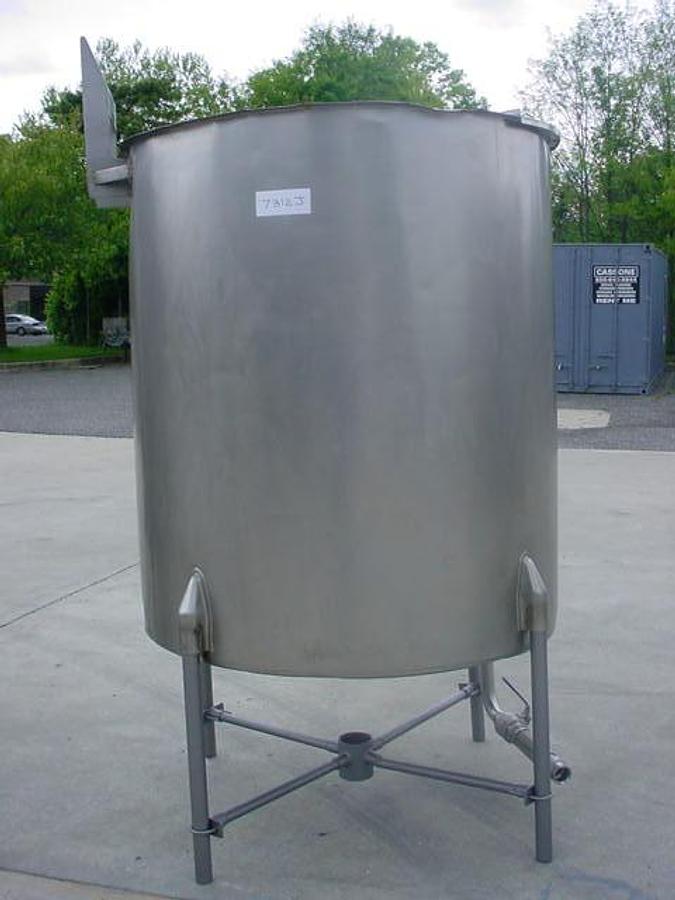
Used Chem-Tek stainless steel tanks appear in a range of capacities suited to small-batch through mid-scale production environments. Common sizes found in the used equipment market include 224-gallon, 500-gallon, and 540-gallon configurations, though availability shifts constantly as dealers acquire and sell inventory. Vertical orientation is the most frequently encountered design, which makes efficient use of floor space in production facilities.
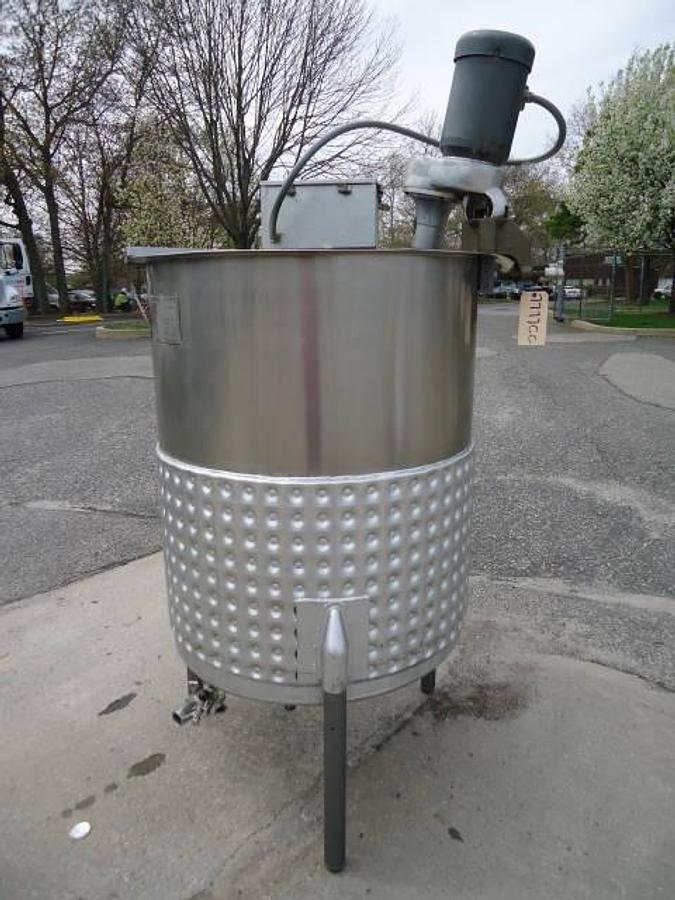
Capacity selection should be driven by your batch size requirements, the specific gravity of the material being stored or mixed, and available floor space. A 224-gallon dimple-jacketed tank, for example, is well suited to smaller batch chemical or food processing operations that require temperature control, while a 500- or 540-gallon unit fits higher-volume production lines. Because used inventory is finite and changes frequently, buyers looking for a specific capacity should work with a dealer who carries rotating Chem-Tek stock and can alert them when a matching unit becomes available.
What is a dimple-jacketed stainless steel tank and how does it work?
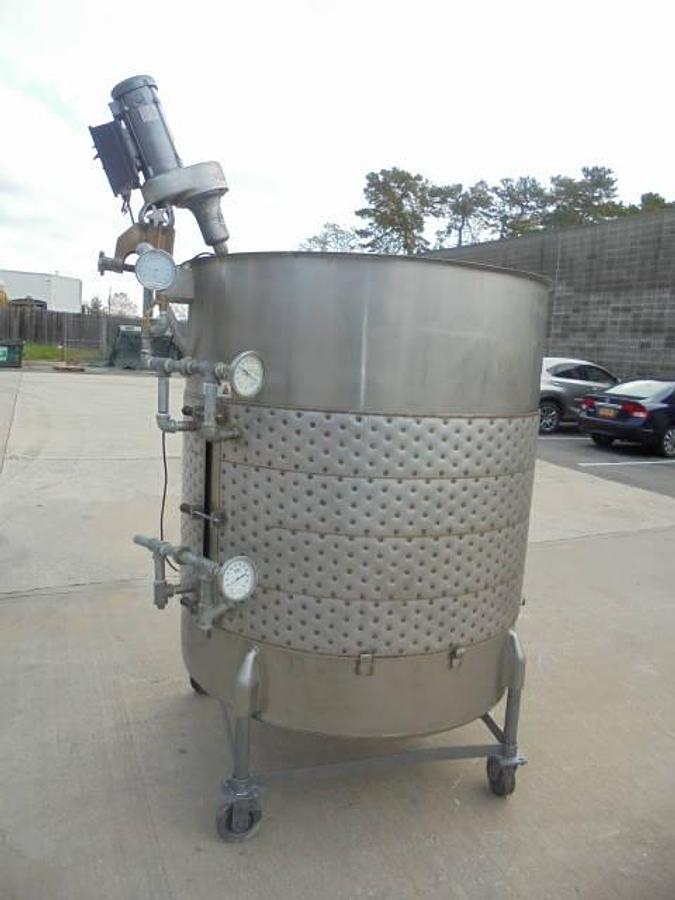
A dimple-jacketed tank features a series of small, evenly spaced indentations (dimples) welded onto the exterior of the tank shell, forming a network of channels through which a heating or cooling medium, typically water, steam, or glycol, can circulate. Unlike a full conventional jacket that wraps the entire vessel in a second layer of metal, dimple jackets are lighter, more flexible in design, and allow for more even heat distribution across the tank surface. This makes them especially practical for applications that require precise temperature control during mixing, reaction, or storage.
In the used equipment market, Chem-Tek dimple-jacketed tanks are found in capacities such as 224 gallons and 500 gallons, with some units rated to handle jacket pressures up to 50 PSI. Before purchasing a used dimple-jacketed tank, buyers should inspect the jacket for any signs of weld failures, corrosion, or previous repairs, as these can compromise pressure integrity. A video or in-person inspection is strongly recommended to assess the condition of both the jacket and the interior tank surface.
What chemicals are compatible with stainless steel tanks?
Stainless steel tanks are compatible with a broad range of chemicals, including most organic solvents, alcohols, mild acids, alkaline solutions, and food-grade substances. Grade 316 stainless steel extends compatibility further into environments involving dilute hydrochloric acid, phosphoric acid, acetic acid, and chloride-containing solutions where 304 would be susceptible to pitting corrosion. Stainless steel is also widely used for storing and mixing water-based formulations, dairy products, pharmaceuticals, and cosmetic ingredients.
However, stainless steel is not universally compatible with all chemicals. Highly concentrated hydrochloric acid, sodium hypochlorite at elevated concentrations, and certain halide-rich solutions can attack even 316 SS over time. Buyers should always consult a chemical compatibility chart specific to the alloy grade of the tank before putting it into service with any aggressive compound. When purchasing a used Chem-Tek tank, it is also worth asking the dealer about the tank's previous service history, as residual contamination or prior exposure to incompatible chemicals can affect the integrity of the interior surface.
Are used Chem-Tek stainless steel tanks suitable for food-grade or pharmaceutical applications?
Stainless steel tanks are a standard choice in food, beverage, dairy, and pharmaceutical processing because the material is non-porous, non-reactive with most substances, and easy to clean and sanitize. Chem-Tek tanks built to sanitary specifications typically feature smooth interior surface finishes, such as a No. 4 polish or electropolish, that minimize bacterial adhesion and facilitate thorough cleaning-in-place (CIP) procedures. These surface finishes are critical for compliance with FDA food contact regulations and 3-A Sanitary Standards.
When evaluating a used Chem-Tek tank for food or pharmaceutical use, the interior surface condition deserves close attention. Scratches, pitting, or weld imperfections can harbor bacteria and create compliance issues. A thorough inspection, either in person or via detailed video, should include the interior welds, surface finish, and any fittings or ports. Buyers should also verify whether the tank was previously used in a compatible application, since a unit that processed harsh industrial chemicals may require professional re-passivation or surface restoration before it meets sanitary standards. Consulting with your quality assurance team before purchase is advisable.
What pressure ratings should buyers look for in a used stainless steel mix tank?
Pressure ratings on stainless steel tanks vary considerably depending on construction, wall thickness, jacket design, and whether the vessel was built to ASME pressure vessel code. For dimple-jacketed tanks, jacket pressure ratings of 50 PSI are common in the used equipment market, as seen in certain Chem-Tek configurations. The interior vessel itself may be rated for pressure, vacuum, or atmospheric service only, depending on how it was originally designed and certified.
ASME-coded vessels carry a stamped nameplate that documents the maximum allowable working pressure (MAWP), design temperature, and the certifying inspector's information. This documentation is a meaningful indicator of build quality and gives buyers a reliable reference point for safe operating limits. When purchasing used equipment, buyers should ask the dealer whether the original ASME stamp and documentation are available with the tank. If the tank will be used in a pressurized process, having a qualified inspector or engineer review the vessel's condition and documentation before putting it back into service is a prudent step.
How should I inspect a used Chem-Tek stainless steel tank before buying?
Inspecting a used stainless steel tank thoroughly before purchase is one of the most important steps a buyer can take, since these vessels are sold as-is without manufacturer backing. Most reputable used equipment dealers will accommodate in-person inspections at their facility, or provide detailed video walkthroughs if traveling is not practical. Key areas to examine include the interior surface finish for pitting, scratches, or corrosion; the condition of all welds; the integrity of any jacket panels; and the functionality of fittings, manways, and valves.
For dimple-jacketed tanks, pay particular attention to the jacket welds and any areas where the dimple panels meet the tank shell, as these are common points of stress and potential leakage. If the tank is still installed at a production facility, an in-person inspection may be possible at the plant itself, though keep in mind that dealers generally cannot run the tank through a full production test, since operating production equipment requires separate permitting and facilities. Asking for the tank's service history and any prior maintenance records can also provide useful context about how the vessel was used and whether it has had any repairs.
What accessories or features are commonly found on used stainless steel mix tanks?
Used stainless steel mix tanks often come equipped with a range of built-in features depending on how they were configured for their previous application. Common accessories include top-entry or side-entry agitators for mixing, heating or cooling jackets (full conventional jackets or dimple panels), manway hatches for interior access, bottom outlet valves, CIP spray balls for cleaning, and multiple inlet and outlet ports in various sizes. Some tanks also have sight glasses, thermowells, or pressure gauges already installed.
When reviewing a used tank listing, it is worth confirming exactly which accessories are included with the unit, as some dealers sell tanks stripped of their agitators or valves. Fittings and ports are typically standard on Chem-Tek tanks, but the specific configuration, size, and placement can vary from unit to unit. If an agitator or specific valve configuration is critical to your process, verify its presence and condition during the inspection phase. Sourcing a tank that already has the required accessories installed can significantly reduce the cost and time of getting it into production compared to purchasing a bare vessel and retrofitting it.
How does stainless steel compare to plastic or fiberglass tanks for chemical storage?
Stainless steel tanks hold several practical advantages over plastic (HDPE, polypropylene) and fiberglass (FRP) alternatives in demanding industrial applications. Stainless steel handles high temperatures and pressures that would deform or degrade plastic tanks, and it does not absorb chemicals the way fiberglass can over time. The material is also far more durable mechanically, resistant to impact, and much less prone to UV degradation. For mixing applications that require a jacketed vessel for heating or cooling, stainless steel is essentially the only viable option at any meaningful scale.
Plastic and fiberglass tanks do have their place, particularly for ambient-temperature storage of chemicals that are incompatible with stainless steel, such as concentrated hydrofluoric acid or strong oxidizers. They are also less expensive upfront for basic storage-only applications. However, for food processing, pharmaceutical manufacturing, and chemical blending that involves heat, pressure, or sanitary requirements, stainless steel is the industry standard. Used stainless steel tanks can often be acquired at a significant discount compared to purchasing a comparable vessel, making them an attractive option for operations that need the performance of stainless steel without the full capital cost.
What should buyers understand about shipping and payment for used stainless steel tanks?
Shipping a used stainless steel tank involves more planning than standard freight because of the size, weight, and fragility of the equipment. Tanks need to be properly palletized or crated to prevent damage in transit, and larger units typically require specialized rigging equipment for loading and unloading. The cost of crating, rigging, and freight can vary substantially based on tank size, destination, and the level of packaging required, so buyers should request a detailed breakdown of all shipping costs from the dealer before committing to a purchase. Understanding the full landed cost, including freight, rigging, and any required permits for oversized loads, is essential for accurate budgeting.
On the payment side, most used equipment dealers require payment in full before the equipment ships. Some dealers extend payment terms to established repeat customers, but first-time buyers should expect to pay upfront. Buyers should also factor in lead time between payment and shipment, as packaging and scheduling freight for heavy industrial equipment can take several days to a few weeks depending on the dealer's workload and the complexity of the shipment. Clarifying all of these details with the dealer in advance helps avoid surprises and ensures a smoother transaction.