Category
Manufacturer
Model
Charlotte
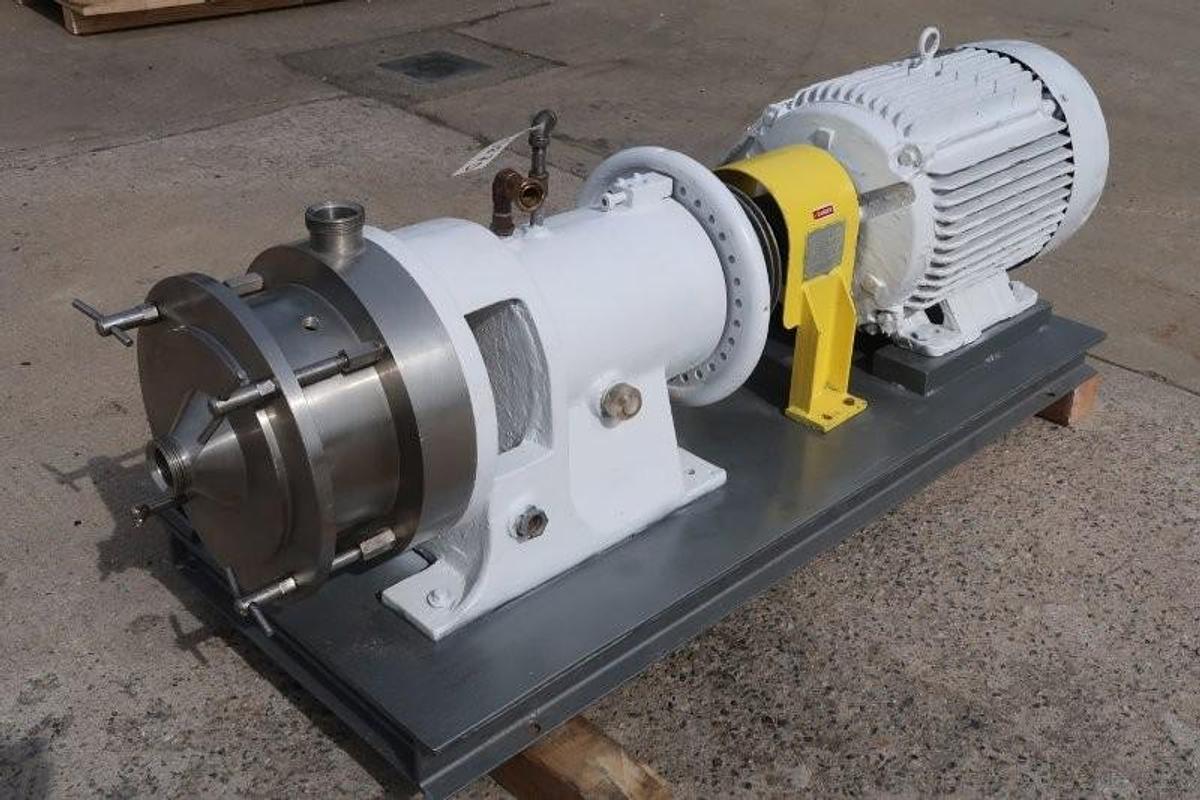
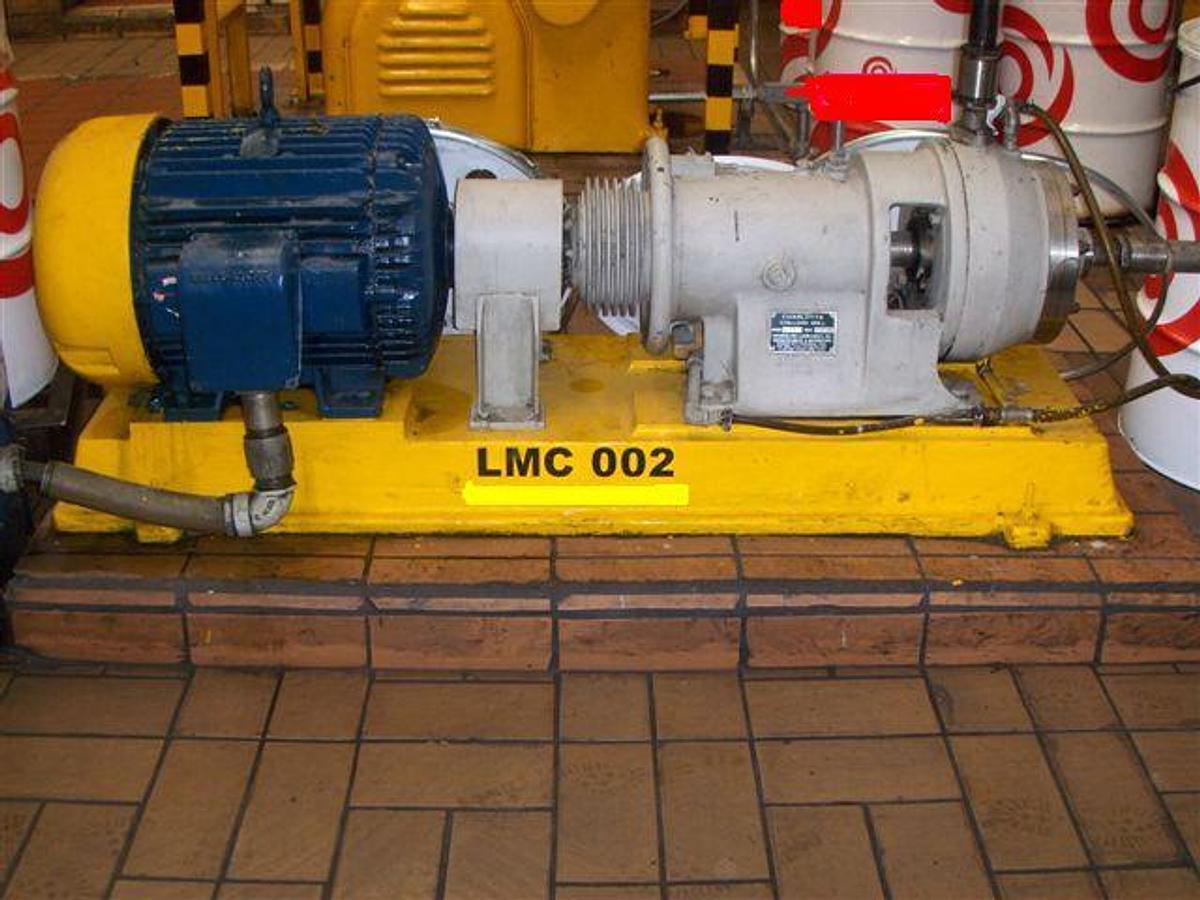
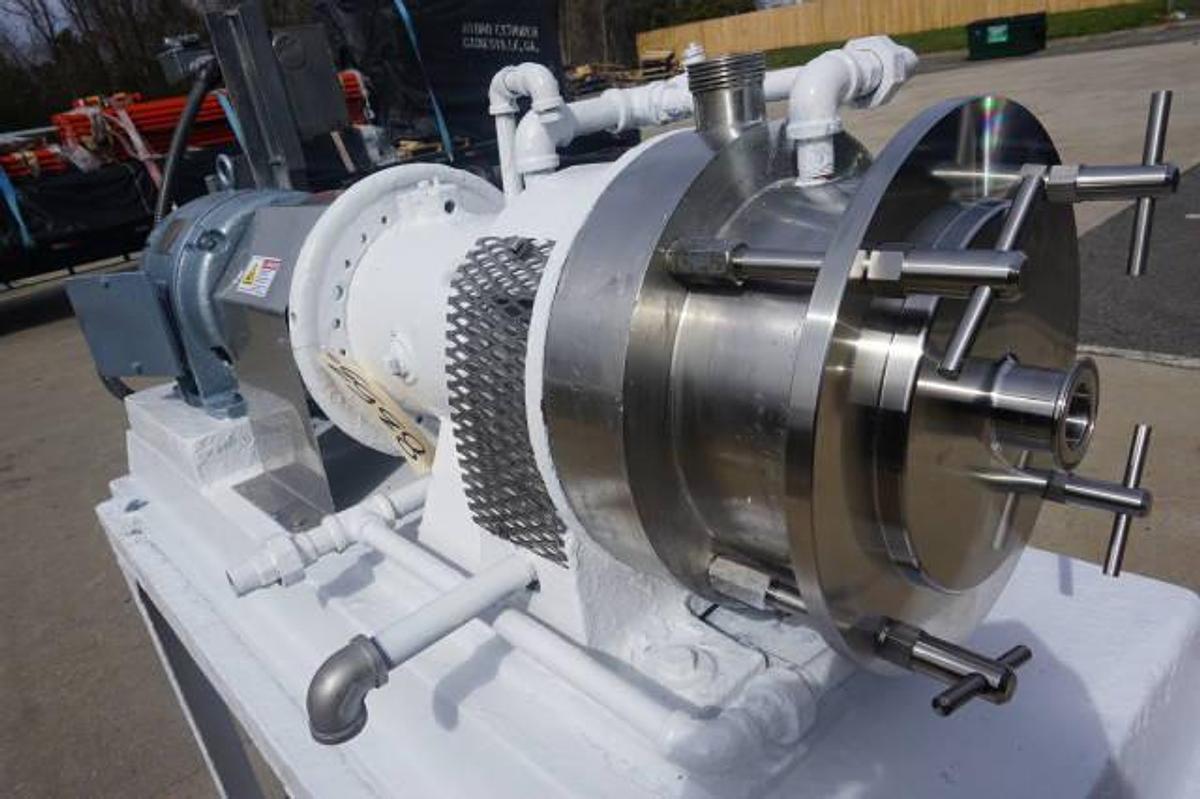
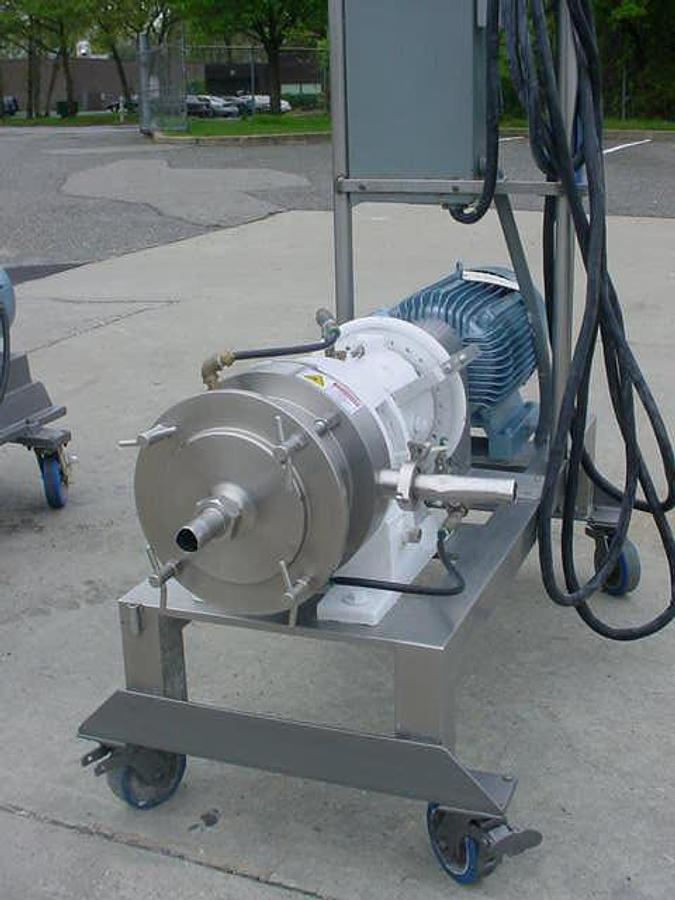
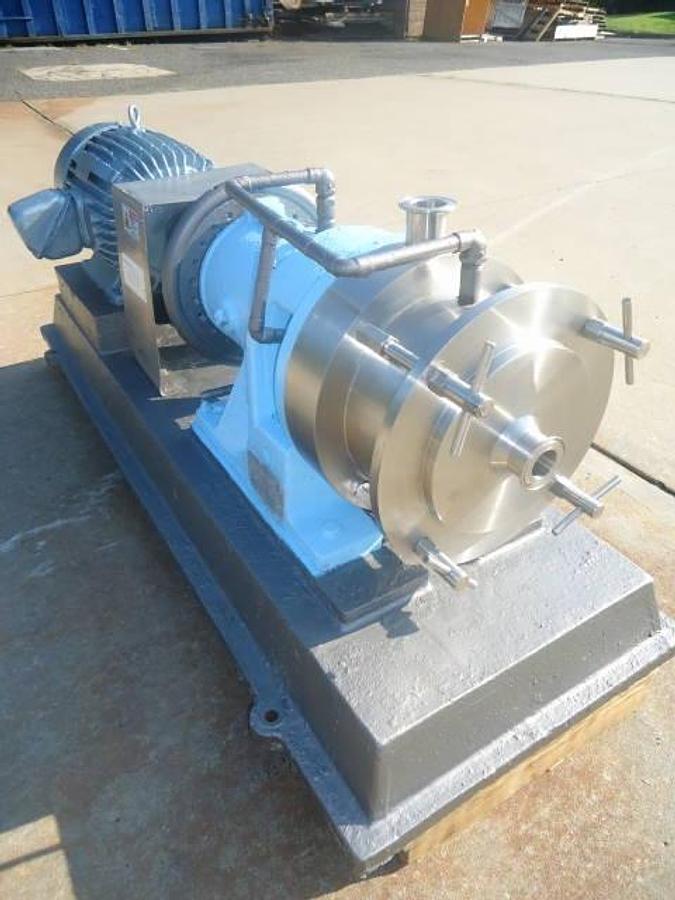
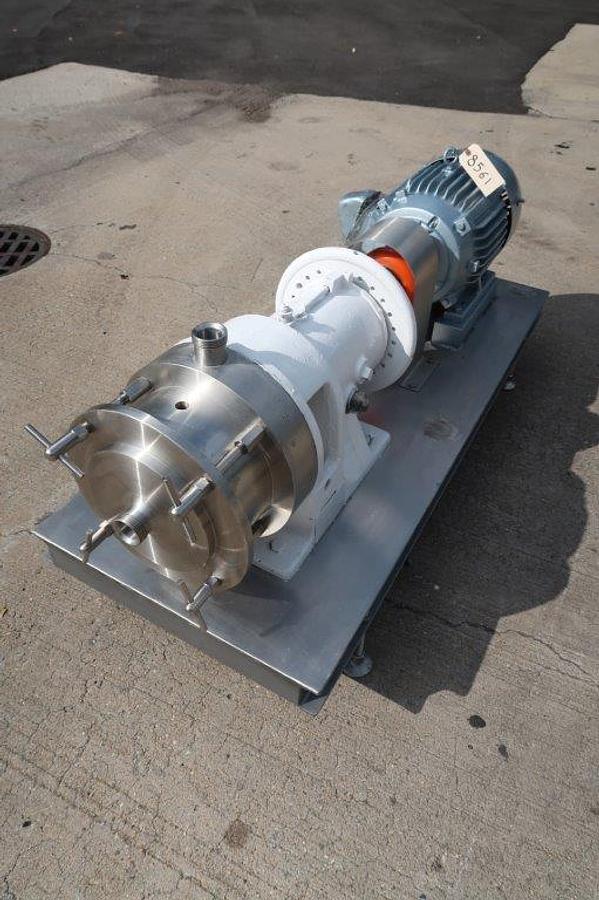
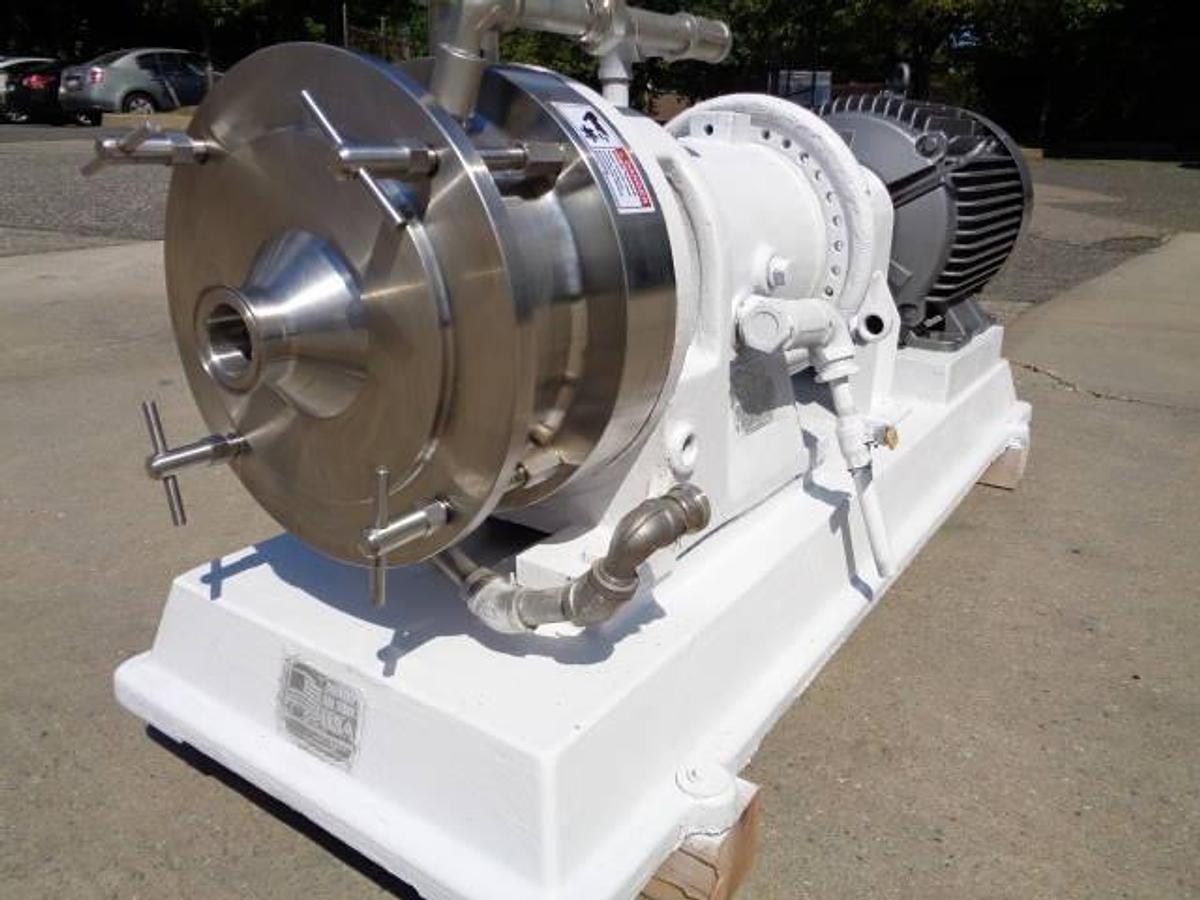
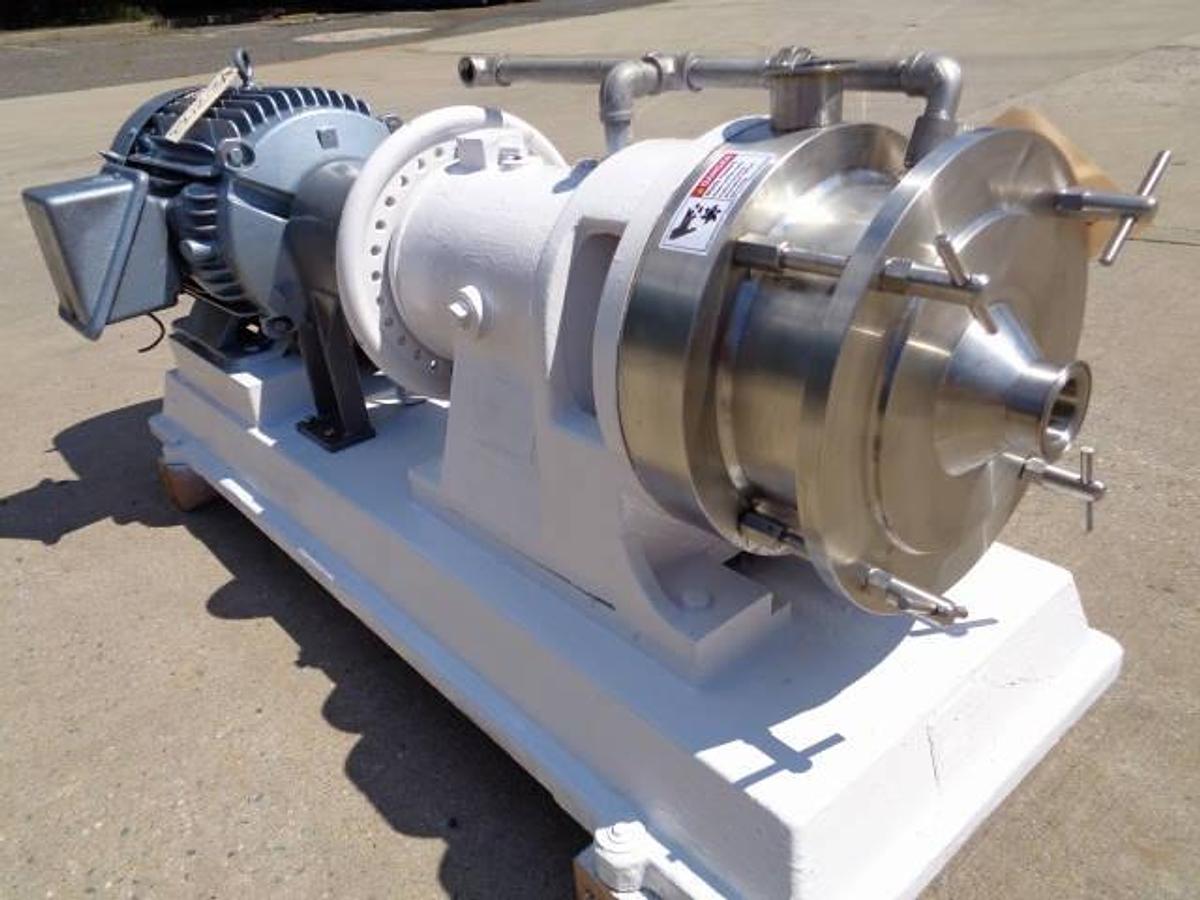
Charlotte is a leader in the development of high-quality colloid mills, utilized mainly in the food and beverage and chemical sectors. Their mills are known for their outstanding performance in the emulsification and particle reduction processes.
FAQ:
What is a Charlotte colloid mill and what is it used for?
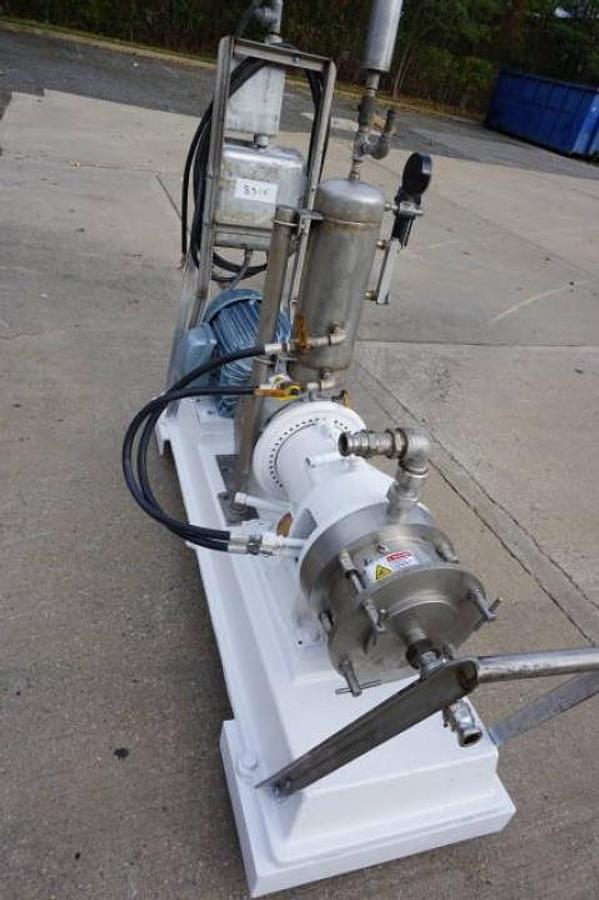
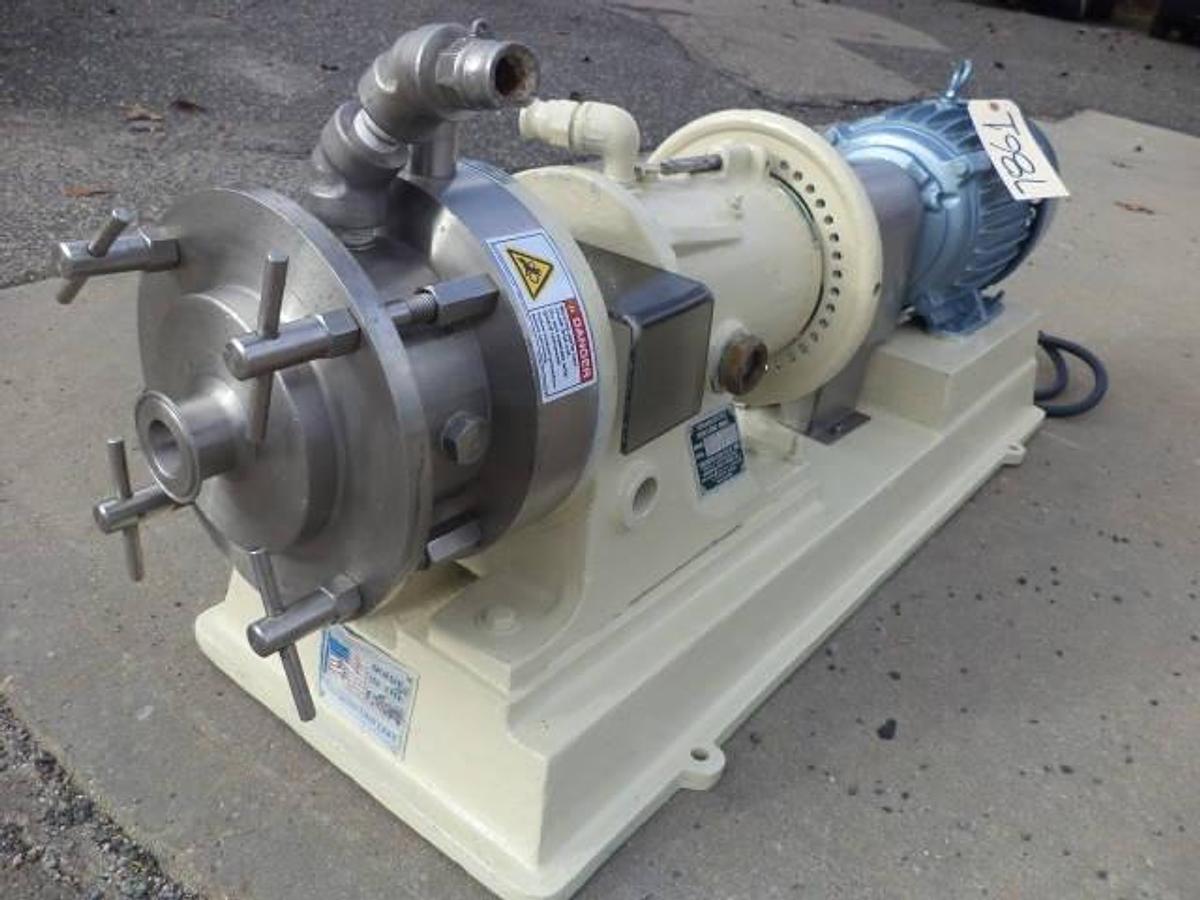
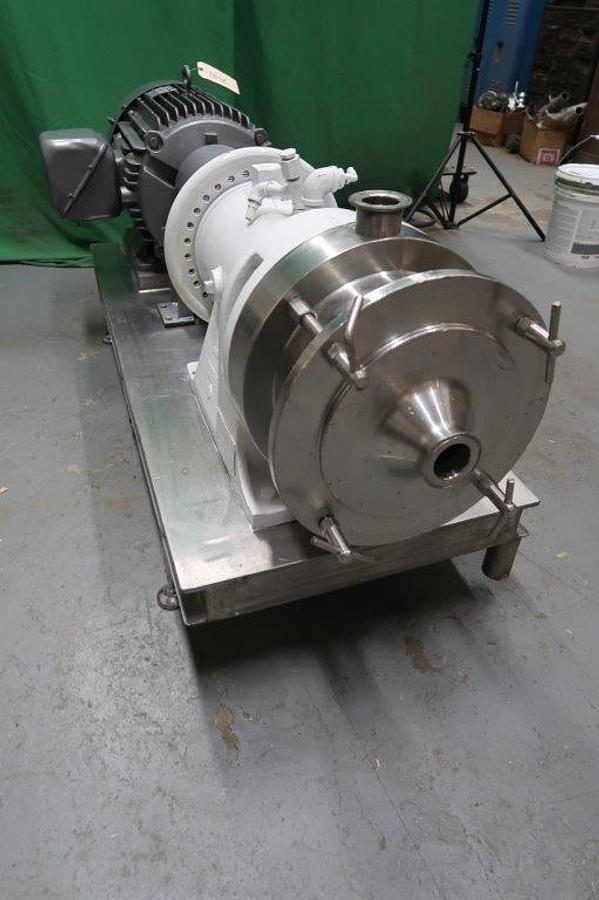
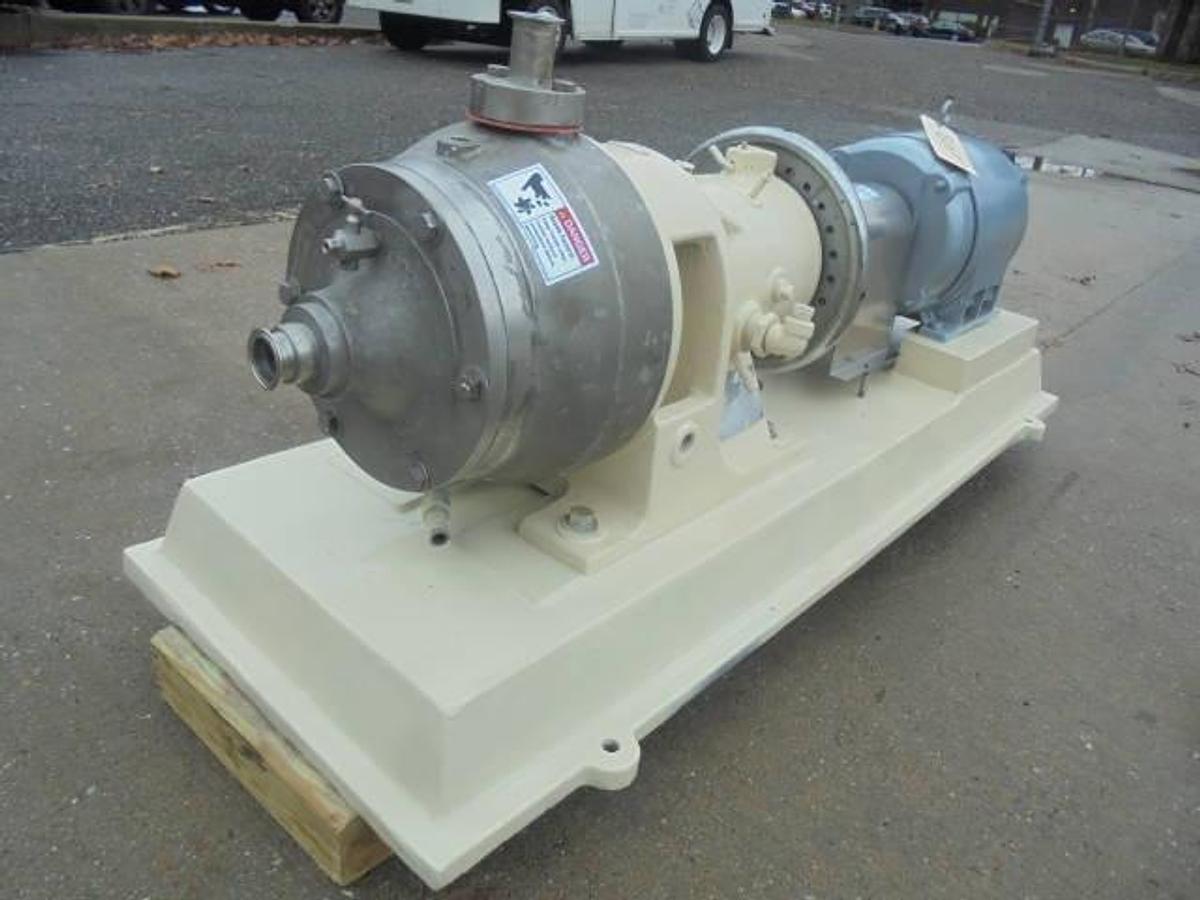
A Charlotte colloid mill is a high-shear processing machine designed to reduce particle size, create emulsions, and produce fine dispersions in liquid or semi-liquid materials. The machine works through a rotor-stator mechanism, where a rapidly spinning rotor passes material through an adjustable gap between itself and a stationary stator. This action subjects the product to intense mechanical shear, hydraulic pressure, and turbulence, breaking down particles and droplets to a very fine, uniform size. Charlotte has built a strong reputation as a manufacturer of these mills, particularly for demanding applications in the food and beverage and chemical industries.
In practical terms, Charlotte colloid mills are used for tasks like homogenizing sauces, dressings, and dairy products, dispersing pigments in coatings, emulsifying pharmaceutical creams and ointments, and processing adhesives or chemical slurries. The adjustable rotor-stator gap is one of the defining features of the design, giving operators direct control over the degree of particle reduction and the consistency of the finished product. Because of this flexibility, the same machine can often handle a wide range of formulations simply by changing the gap setting, which makes Charlotte mills a versatile piece of equipment across multiple production environments.
What industries commonly use Charlotte colloid mills?
Charlotte colloid mills appear across a broad range of industries, though food and beverage processing and chemical manufacturing are the most common applications. In food production, these mills are used to make products like nut butters, mayonnaise, mustard, hummus, salad dressings, tomato paste, and dairy-based products where a smooth, stable emulsion or fine particle size is required. The pharmaceutical and cosmetic industries also rely heavily on colloid mills for producing creams, lotions, ointments, and suspensions where uniformity and particle size directly affect product performance and shelf stability.
Beyond food and personal care, Charlotte colloid mills are found in chemical processing plants for dispersing pigments, grinding resins, and homogenizing adhesives or sealants. Paper and pulp operations have used them for fiber processing, and some agricultural chemical producers use them for pesticide and herbicide formulations. The stainless steel construction of most Charlotte models, particularly those built to sanitary or 3-A dairy standards, makes them well-suited for regulated industries where hygiene and cleanability are non-negotiable. This cross-industry applicability is a significant reason why used Charlotte colloid mills retain strong demand in the secondary equipment market.
What sizes and horsepower options are available for used Charlotte colloid mills?
Used Charlotte colloid mills come in a range of sizes and motor configurations to suit different production volumes and viscosity requirements. On the smaller end, models like the Charlotte SD5 typically run on 10 HP motors and are suited for lower-throughput applications or pilot-scale production. Mid-range models such as the SD-20 are commonly available with 20 HP motors, and some SD-20 units are configured with explosion-proof (XP) motors for use in environments where flammable materials are processed. The SD-40 is one of the more frequently listed used models, powered by 40 HP motors and capable of processing up to approximately 1,200 gallons per hour depending on the material and gap setting. At the higher end, 75 HP inline configurations are also available on the used market for high-volume production lines.
The G30 horizontal model represents a different form factor, designed for installations where a horizontal inline configuration better fits the plant layout. Most Charlotte colloid mills are constructed from stainless steel, with higher-grade models using Type 316 stainless for improved corrosion resistance, which is particularly important in food, dairy, and pharmaceutical applications. When shopping for a used Charlotte mill, it is worth paying close attention to the motor horsepower, the stainless steel grade, and whether the unit is a standard or sanitary model, since these factors significantly affect both the machine's suitability for a given application and its price on the secondary market.
What is the typical price range for a used Charlotte colloid mill?
Pricing for used Charlotte colloid mills varies considerably based on model, motor horsepower, condition, age, and whether the unit meets sanitary or pharmaceutical-grade standards. On the lower end of the market, smaller or older units in fair condition can be found in the range of roughly $1,500 to $5,000. Mid-range models like the SD-20 in good working condition typically fall somewhere between $5,000 and $12,000, while larger SD-40 units in solid condition can approach or exceed $15,000 to $20,000 depending on the seller and the machine's history.
Sanitary models built to 3-A dairy standards, or units with polished 316 stainless steel product-contact surfaces, tend to command a premium over standard industrial configurations because they are harder to source and serve regulated industries with strict compliance requirements. The presence of an explosion-proof motor also adds to the value of a used unit. Buyers should factor in not just the listed price but also the cost of shipping, rigging, and any reconditioning work that may be needed after purchase, since used equipment is typically sold as-is and the total landed cost can differ meaningfully from the sticker price. Getting a clear picture of the machine's condition through an inspection before committing to a purchase is the most reliable way to assess whether the asking price reflects fair market value.
What should a buyer inspect before purchasing a used Charlotte colloid mill?
A thorough inspection of a used Charlotte colloid mill should focus on the condition of the rotor and stator, since these are the core working components and the most expensive to replace. Wear on the rotor-stator surfaces directly affects the machine's ability to achieve consistent particle size reduction, so any visible scoring, pitting, or uneven wear is worth noting. The adjustable gap mechanism should move smoothly and hold its setting without slipping. Buyers should also examine the seals and mechanical seal housing for signs of leakage or corrosion, as seal replacement can be a meaningful repair cost. The motor should be checked for proper amperage draw and bearing noise, and any wiring or electrical components should be inspected for condition and compliance with the buyer's facility requirements.
For sanitary or food-grade applications, the interior surfaces should be polished and free of cracks, pits, or crevices that could harbor bacteria. The stainless steel grade matters here, with 316 stainless being preferable to 304 in corrosive or high-chloride cleaning environments. Reputable used equipment dealers will typically accommodate in-person inspections at their facility, or provide detailed video walkthroughs and photographs if an on-site visit is not practical. In some cases, a machine may still be installed at a production facility where it can be observed running under actual operating conditions, which provides the most accurate picture of its current state. Because used colloid mills are sold as-is, the inspection is the buyer's primary tool for assessing risk and negotiating price.
How does the rotor-stator design of a Charlotte colloid mill control particle size?
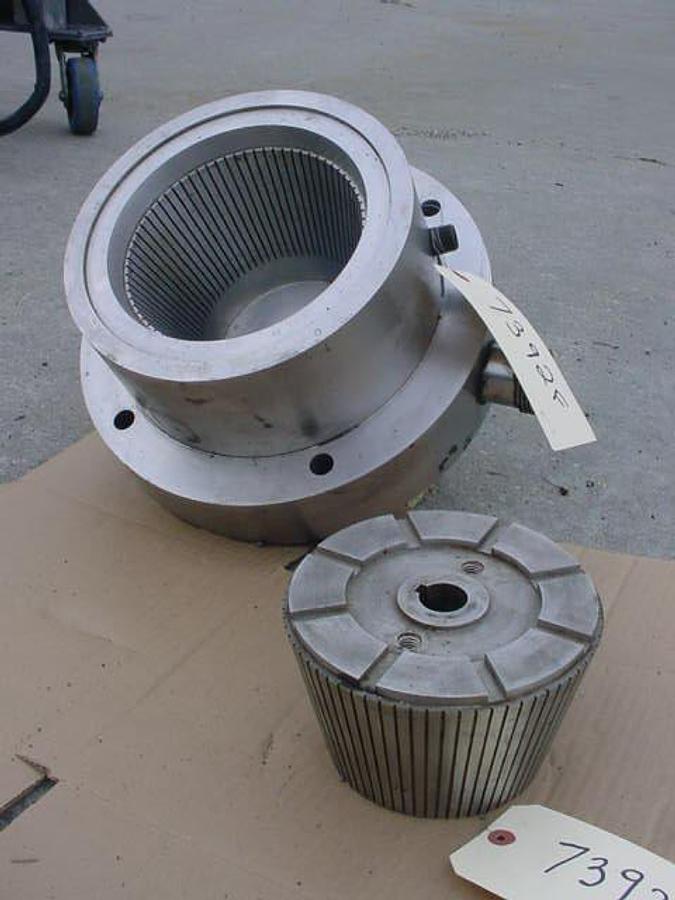
The rotor-stator design is the mechanical heart of a Charlotte colloid mill, and understanding how it works helps explain why these machines are so effective for emulsification and particle reduction. The rotor spins at high speed inside a closely fitted stator, and the product is fed through the narrow gap between the two surfaces. As material passes through this gap, it is subjected to intense shear forces, high-frequency pressure fluctuations, and turbulent flow, all of which work together to break apart particles, droplets, and agglomerates. The result is a finely dispersed, homogeneous product with a much smaller and more uniform particle size than what entered the mill.
The key variable in this process is the gap between the rotor and stator, which on Charlotte mills is adjustable. A tighter gap produces more aggressive shear and finer particle reduction, while a wider gap is gentler and better suited for products that should not be over-processed. This adjustability gives operators meaningful control over the finished product without needing to change equipment, which is one reason Charlotte mills are valued across industries with very different processing requirements. The rotor and stator surfaces themselves can also be configured with different tooth profiles or surface textures depending on the application, with coarser configurations for initial breakdown and finer configurations for polishing the product to a smooth, stable consistency.
What materials can be processed with a Charlotte colloid mill?
Charlotte colloid mills are capable of processing a wide range of liquid and semi-liquid materials, provided the feed material has enough fluidity to pass through the rotor-stator gap. In the food industry, common materials include nut butters, mustard, tomato-based products, fruit purees, dairy emulsions, salad dressings, and baby food formulations. In pharmaceuticals and cosmetics, these mills handle creams, ointments, gels, suspensions, and emulsified drug delivery systems. Chemical applications include pigment dispersions, resin slurries, adhesives, lubricants, and various polymer-based formulations. The common thread across all of these is the need for a stable, finely dispersed product where particle size and uniformity directly affect quality.
The stainless steel construction of most Charlotte models makes them compatible with a broad range of chemistries, though highly acidic or chloride-rich materials may require 316 stainless steel rather than 304 to prevent corrosion over time. Very abrasive materials can accelerate wear on the rotor and stator surfaces, which is a factor to consider when evaluating a used machine that has processed abrasive slurries. High-viscosity materials can be processed but may require more horsepower to maintain adequate flow through the gap, which is one reason the SD-40 and larger models are favored for thick, heavy-bodied products. Buyers should consider the specific material properties of their application when selecting a model to make sure the horsepower, gap range, and materials of construction are appropriate for the job.
Are Charlotte colloid mills still being manufactured, or are only used units available on the market?
Charlotte colloid mills have a long history in industrial processing, and the brand has been associated with quality emulsification equipment for decades. The availability of used Charlotte mills on the secondary market reflects both the durability of the machines and the long service lives they achieve in production environments. Many units that appear for sale through used equipment dealers were decommissioned from food, chemical, or pharmaceutical plants after years or decades of reliable service, which speaks to the build quality of the line.
For buyers specifically interested in used Charlotte colloid mills, the secondary market offers a practical path to acquiring proven equipment at a fraction of the cost of purchasing comparable processing machinery through other channels. Prospective buyers should consult directly with Charlotte or its current distributors to understand what support, parts, and service are available for specific models and serial numbers, since the age of a unit can affect parts availability and manufacturer support. Older models may have limited factory support, while more recent production runs are more likely to have replacement parts readily accessible. This is an important conversation to have before committing to a purchase, particularly for buyers who plan to run the mill in a high-volume production environment where downtime would be costly.
What spare parts and replacement components should buyers plan for when purchasing a used Charlotte colloid mill?
The components that wear most quickly in a Charlotte colloid mill are the rotor and stator, the mechanical seals, and the bearings. The rotor and stator are precision-machined parts, and their condition at the time of purchase has a direct impact on the mill's ability to produce consistent results. If the gap surfaces show significant wear, replacement of these parts may be necessary before the machine can be put into reliable production service. Mechanical seals are consumable items that require periodic replacement regardless of the machine's age, and sourcing the correct seal for a specific Charlotte model is an important step in planning for ongoing maintenance.
Bearings, drive components, and motor contactors are additional items worth stocking, particularly for older models where lead times on replacement parts may be longer. Buyers should contact Charlotte or authorized parts distributors with the model number and serial number of the specific machine they are considering to get a clear picture of parts availability and pricing before finalizing a purchase. Some used equipment dealers may also be able to supply rotor and stator assemblies or other wear parts separately, as seen with listings for SD-20 rotor and housing assemblies in 316 stainless. Having a basic inventory of critical wear parts on hand before starting production reduces the risk of extended downtime if a component fails during operation.
How should buyers approach shipping and logistics when purchasing a used Charlotte colloid mill?
Shipping a used colloid mill requires more planning than shipping standard freight because of the weight, precision components, and potential for damage during transit. Most Charlotte colloid mills weigh several hundred pounds at minimum, with larger SD-40 and 75 HP models weighing significantly more. Proper palletization or custom crating is essential to protect the machine, particularly the rotor-stator assembly and the motor, during loading, transport, and unloading. The level of packaging required will affect the total shipping cost, and buyers should ask the dealer specifically what packaging will be used and whether it is included in the quoted price or billed separately.
Larger or heavier machines may require professional rigging equipment for loading at the dealer's facility and unloading at the buyer's destination, which adds to the total landed cost and should be factored into the purchase budget. Freight carriers experienced with industrial machinery are preferable to standard LTL carriers for heavy or sensitive equipment. Buyers should request a full breakdown of all shipping, rigging, and packaging costs from the dealer before finalizing the transaction so there are no surprises. Most used equipment dealers require full payment before the machine ships, so confirming all costs upfront and getting them in writing is a straightforward way to avoid misunderstandings and accurately compare the total cost of different machines being considered.