Category
Manufacturer
Model
Carruthers Equipment Co.
Carruthers Equipment Co. specializes in meat processing equipment, supplying machines like dicers and formers to the food industry. Their machines are designed to enhance efficiency in meat cutting and portioning processes. Carruthers is known for their robust and hygienic designs, ensuring food safety and productivity.
FAQ:
What types of meat processing equipment does Carruthers Equipment Co. manufacture?
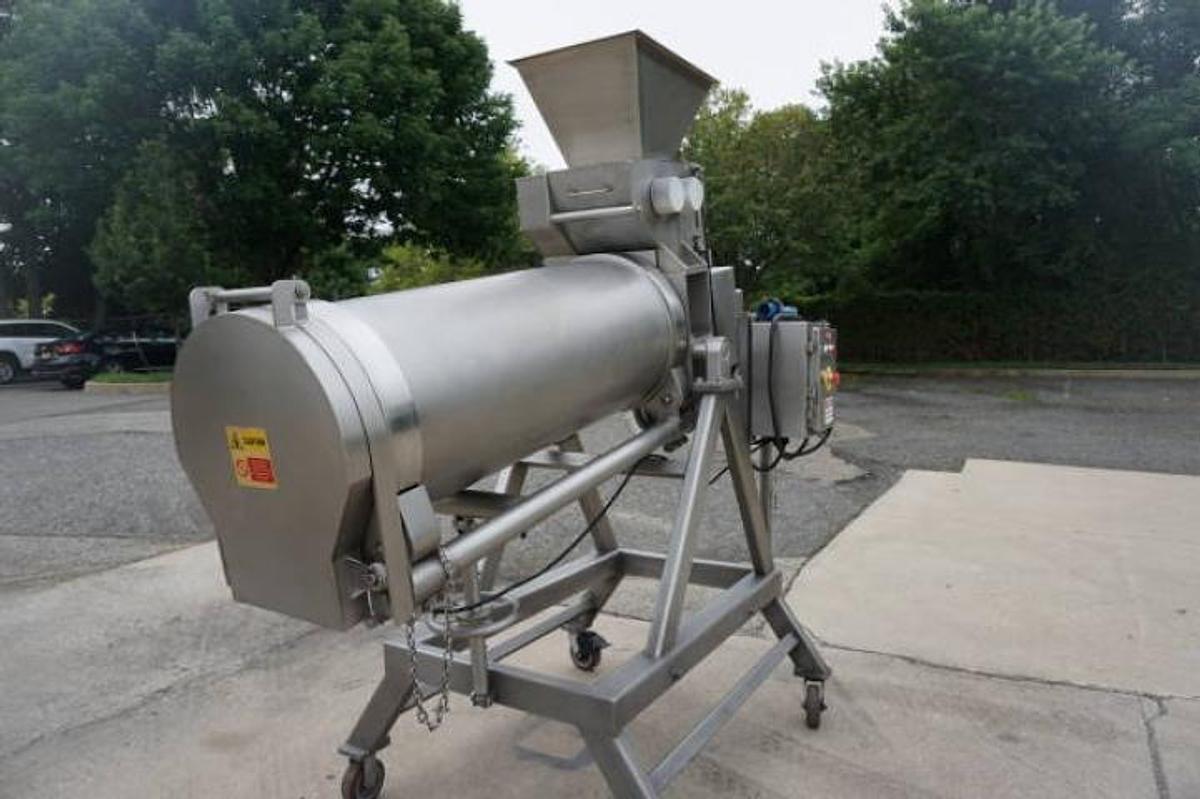
Carruthers Equipment Co. has built a broad product line within the commercial meat processing industry. Their equipment historically includes dicers, formers, shredders, brine injectors, tumblers, stuffers, slicers, grinders, and curing equipment. This range makes Carruthers a relatively complete supplier for facilities that need multiple processing stages covered by a single trusted manufacturer. One specific example of their equipment is the SH20002 High Volume Stainless Meat Shredder, a 20-inch diameter machine built for demanding production environments.
Carruthers is particularly recognized for the hygienic design of their machines, which matters significantly in food processing environments where sanitation protocols are strictly enforced. Their equipment is built to handle the physical demands of continuous meat cutting, portioning, and forming at commercial scale, and the brand has maintained a strong reputation for durability across decades of production. Buyers in the secondary market frequently seek out Carruthers machines specifically because of this build quality and the brand's long track record in the food industry.
What should I look for when buying used Carruthers meat processing equipment?
Buying used meat processing equipment requires a more hands-on evaluation than purchasing from a manufacturer. The most important step is arranging a thorough inspection before committing to a purchase. Reputable used equipment dealers will typically offer in-person inspections, video walkthroughs, or photo documentation of the machine's current condition. If the equipment is still installed at a production facility, some dealers can arrange an inspection at the plant itself, where the machine may even be running in active use. This gives buyers a much clearer picture of actual working condition than a static warehouse viewing.
Beyond the physical inspection, buyers should pay close attention to the age and model of the machine and then contact Carruthers directly to understand what level of manufacturer support is still available for that specific unit. Parts availability can vary considerably depending on how old the machine is, and confirming this before purchase can save significant headaches down the road. Buyers should also ask the dealer for the full history of the machine if available, including any maintenance records or prior refurbishment work. Selecting a dealer who specializes in food processing or meat processing equipment specifically, rather than a general industrial reseller, tends to result in a more informed transaction.
Are used Carruthers machines suitable for small butcher shops or only large-scale processors?
Carruthers equipment is primarily engineered for commercial and industrial-scale meat processing, which means the machines are built for high-volume, continuous-duty operation. A unit like the SH20002 High Volume Meat Shredder, for example, is designed for throughput levels that would far exceed what a small retail butcher shop typically handles in a day. That said, suitability really depends on the specific machine and the production volume of the buyer. Some Carruthers equipment in the secondary market may be appropriately sized for mid-scale processors or growing operations that are moving beyond entry-level equipment.
For small butcher shops, the more practical consideration is often the footprint, power requirements, and operational complexity of the machine rather than the brand itself. Used Carruthers equipment can represent excellent value for a shop that is scaling up, since the machines are built to last and often available at a fraction of what comparable new equipment would cost. Before purchasing, smaller operations should verify that they have the electrical capacity, floor space, and staff training to operate and maintain the machine safely and efficiently. A conversation with the selling dealer about the machine's typical production environment can help clarify whether it's a realistic fit.
What is the typical price range for used Carruthers meat processing equipment?
Pricing for used Carruthers equipment varies widely depending on the type of machine, its age, condition, and the current supply and demand in the secondary market. Smaller units or individual components may be available in the low thousands of dollars, while larger, more complex systems such as high-volume shredders, injectors, or complete forming lines can reach tens of thousands of dollars. The condition of the machine, including whether it has been cleaned, serviced, or had any components replaced prior to sale, will also influence the asking price.
It is worth factoring in costs beyond the purchase price itself. Shipping and rigging for heavy industrial equipment can add meaningfully to the total landed cost, particularly for larger machines that require specialized loading equipment. Buyers should ask dealers for a complete breakdown of packaging, rigging, and freight charges before finalizing a purchase. Inspecting the machine thoroughly before buying, whether in person or via video, is the most reliable way to confirm that the price reflects the actual condition of the equipment.
How does the inspection process work for used meat processing equipment?
Most reputable used equipment dealers offer buyers at least one form of inspection before a sale is finalized. The options typically include an in-person visit to the dealer's facility, a live video call where a dealer representative walks through the machine on camera, or a detailed set of photos and video recordings provided on request. Each approach has its merits depending on the buyer's location and the scale of the purchase. For higher-value machines, an in-person inspection is generally the most thorough option and is worth the travel cost for significant investments.
In some cases, the equipment being sold is still installed at a third-party production facility rather than at the dealer's warehouse. In these situations, the dealer may be able to coordinate an inspection at the actual plant, and the machine may still be in active operation, which provides a valuable opportunity to observe it running under real production conditions. One important limitation to keep in mind is that most equipment dealers do not have the permitting or infrastructure to run actual food production, so testing a machine with live product is generally not possible at the dealer's location. The inspection is focused on mechanical condition, cleanliness, and visual assessment of wear rather than a full production trial.
What replacement parts and manufacturer support are available for Carruthers machines?
Parts availability is one of the most practical considerations when buying any used processing equipment, and Carruthers machines are no exception. Because Carruthers has been manufacturing equipment for decades, older models may have limited support through current manufacturer channels. The best approach is to contact Carruthers directly before purchasing a specific machine to ask about parts availability for that model and production year. Manufacturers can generally indicate whether replacement components, wear parts, or technical documentation are still accessible, which helps buyers make a more informed decision.
For machines where manufacturer parts are no longer readily available, buyers sometimes rely on third-party fabricators or machine shops to reproduce certain components, particularly for simpler mechanical parts. This is more common with older equipment and is a factor worth weighing against the purchase price. Buyers who are less experienced with equipment maintenance may want to prioritize machines where the manufacturer can still provide reasonable support, while more experienced maintenance teams may be comfortable sourcing or fabricating parts independently. Either way, clarifying the parts situation before purchase is a step that experienced buyers rarely skip.
What are the sanitation and food safety design features of Carruthers meat processing equipment?
Carruthers equipment is known within the industry for hygienic design, which is a critical requirement for any machinery used in direct contact with meat products. Hygienic design in this context typically means the use of stainless steel construction, smooth surfaces that minimize bacterial harborage points, and configurations that allow for thorough cleaning and sanitizing between production runs. The SH20002 High Volume Meat Shredder, for example, is built with stainless steel as a primary material, which is standard for food-grade processing equipment of this type.
For buyers evaluating used Carruthers equipment, it is important to inspect the machine specifically for any corrosion, worn seals, cracked surfaces, or areas where cleaning access may have been compromised over time. Even well-designed equipment can develop sanitation concerns after years of heavy use if maintenance has been inconsistent. Buyers should ask dealers about the cleaning history of the machine and visually assess all product-contact surfaces during inspection. Facilities operating under USDA or other regulatory oversight will also want to confirm that any used equipment they bring in can meet the sanitation standards required by their specific inspection program before it goes into production.
What are the shipping and rigging considerations for purchasing used meat processing equipment?
Shipping industrial meat processing equipment is more involved than standard freight and requires careful planning to avoid damage in transit. Machines need to be properly secured, palletized, or crated before loading, and the level of packaging required will depend on the size, weight, and fragility of the specific unit. Dealers will typically handle or coordinate the packaging, but buyers should confirm exactly what preparation is included in the quoted price and what might be charged as an add-on. Inadequate packaging is one of the more common causes of damage during equipment transit, so it is worth asking specifically how the machine will be prepared for shipping.
For larger or heavier machines, specialized rigging equipment is needed for loading and unloading, and this is typically an additional cost that buyers need to account for. A forklift may be sufficient for some units, while others may require cranes or other heavy rigging depending on the machine's weight and configuration. Buyers should request a full breakdown of all shipping-related costs from the dealer before finalizing the purchase, including packaging, rigging at origin, freight, and any unloading requirements at the destination. Understanding the complete landed cost upfront prevents unexpected expenses after the sale is complete.
What payment terms do used equipment dealers typically require for meat processing machinery?
The standard practice among used equipment dealers is to require full payment before a machine is released for shipping. This applies broadly across the industry and reflects the practical reality that used equipment transactions involve unique assets that cannot simply be returned to inventory in the same condition once they have been prepared for shipment. Buyers who have an established relationship with a particular dealer may sometimes be offered payment terms, but this is generally extended on a case-by-case basis to repeat customers rather than as a standard offering.
For buyers making a significant purchase, it is reasonable to ask the dealer about available payment methods and whether any flexibility exists on terms given the size of the transaction. Wire transfer is a common payment method for equipment purchases of this scale. Buyers should also be cautious about any arrangement that involves paying in full before having the opportunity to inspect the machine, at least in some form. Reputable dealers will support reasonable inspection requests prior to payment, and the willingness to accommodate an inspection is itself a useful indicator of a dealer's credibility and confidence in the equipment they are selling.
How does buying used Carruthers equipment compare to purchasing comparable new processing machinery?
The primary advantage of buying used Carruthers equipment is cost. Industrial meat processing machinery carries a significant price tag when purchased directly from a manufacturer, and used equipment in good working condition can be acquired for a fraction of that cost. For processing facilities that are expanding capacity, replacing a specific machine, or equipping a startup operation on a limited budget, the secondary market offers access to proven, heavy-duty equipment that would otherwise be out of reach. Carruthers machines in particular hold their appeal on the secondary market because of the brand's reputation for durability and the quality of their stainless steel construction.
The tradeoff is that used equipment comes without the assurances that accompany a purchase from a manufacturer. There is no warranty, no guarantee of remaining service life, and potentially limited parts support depending on the age of the machine. The buyer takes on the responsibility of evaluating the equipment's condition through inspection and must be prepared to handle maintenance and repairs independently or with third-party service providers. This makes the choice of dealer critically important. Buying from a dealer with a long track record in the food processing equipment space, who can provide accurate condition information and support a meaningful inspection process, reduces the risk considerably compared to purchasing through a general auction or from an unknown seller.