Category
Manufacturer
Model
FAQ:
What types of used Carrier HVAC equipment are typically available for sale?
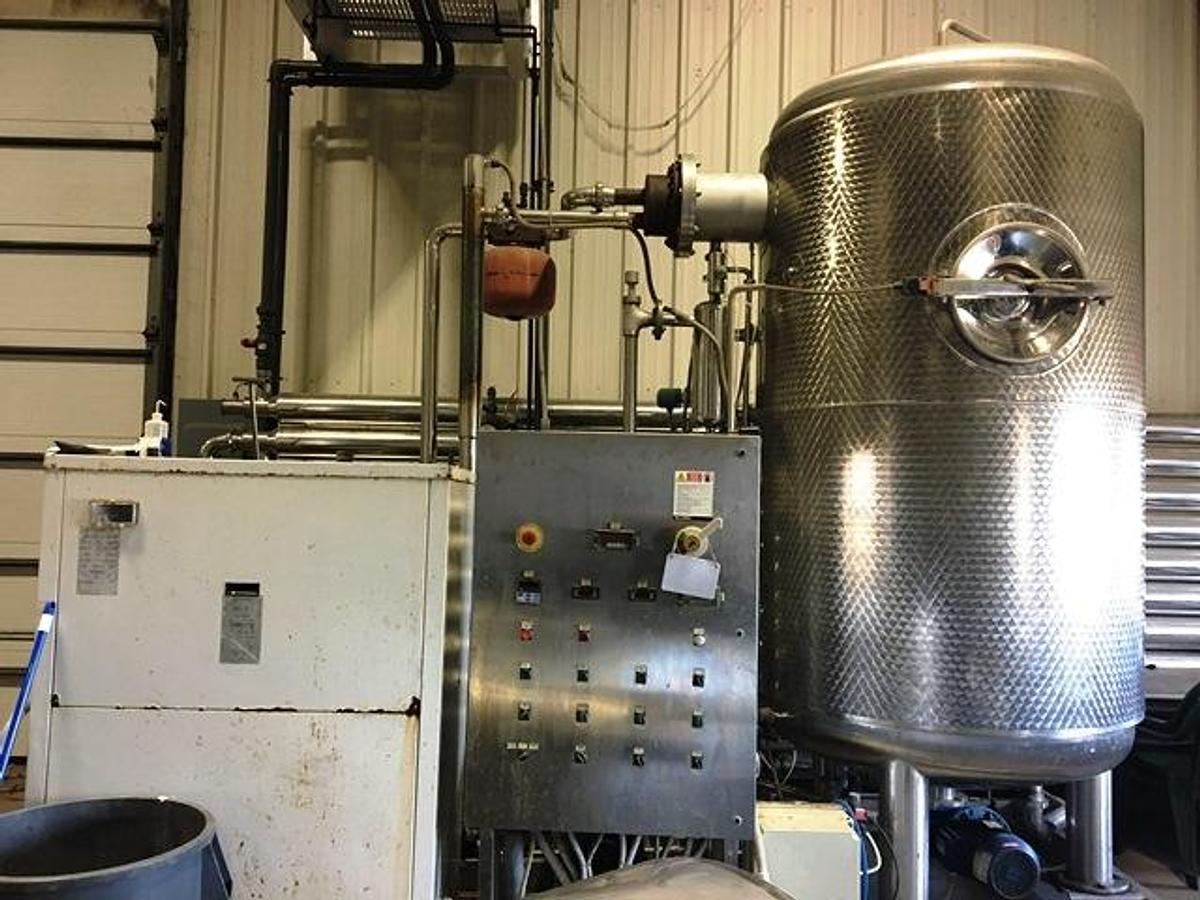
Used Carrier HVAC equipment spans a wide range of commercial and industrial applications. Buyers commonly find rooftop units, chillers, air handlers, condensing units, heat pumps, and packaged systems from Carrier on the secondary market. Carrier has been manufacturing HVAC equipment since 1902, and its long production history means there is a substantial inventory of machines available across many model lines and tonnage ranges. A specific example of what surfaces in the used market is a 40-ton glycol system, which illustrates the kind of large-scale commercial equipment that gets resold after decommissioning or facility upgrades.
Carrier organizes its product lines into three tiers: Infinity (premium efficiency), Performance (mid-range), and Comfort (entry-level). All three tiers appear on the used market, so buyers have options at different price points and efficiency levels. When shopping for used Carrier equipment, it helps to know the model number and tonnage you need before you start, since availability changes as units are sourced from facilities and industrial sites. Reputable used equipment dealers who specialize in HVAC machinery are the best starting point for finding specific Carrier models.
What should I know before buying used Carrier HVAC equipment?
Buying used Carrier HVAC equipment requires more due diligence than purchasing a unit straight from a distributor. Because these machines are sold as-is, the responsibility for evaluating the condition of the equipment falls on the buyer. Before committing to a purchase, buyers should request detailed photos, video walkthroughs, or an in-person inspection to assess the physical and mechanical condition of the unit. Key things to look at include the condition of the coils, compressors, electrical components, and any visible signs of corrosion or damage.
It is also worth contacting Carrier directly to ask about parts availability and technical support for the specific model you are considering, since older or discontinued models may have limited support. Working with a dealer who has a long track record of selling HVAC machinery specifically, rather than a general equipment reseller, gives buyers more confidence that the unit has been accurately represented. The age of the machine, its operating history, and whether it was properly maintained all factor into how much useful life remains, so gathering as much documentation as possible from the seller is a smart move.
How is used Carrier HVAC equipment priced?
Pricing for used Carrier HVAC equipment varies considerably based on the type of unit, its tonnage or capacity, the model tier, age, and overall condition. A smaller used Carrier condensing unit might sell for a few hundred to a few thousand dollars, while large commercial chillers or packaged rooftop units in the 20-ton to 100-ton range can run from several thousand to tens of thousands of dollars. The Infinity-tier units, which were manufactured to higher efficiency standards, tend to hold more residual value than entry-level Comfort-tier equipment.
Buyers should factor in more than just the sticker price when calculating total cost. Shipping, rigging, crating, and installation labor are all additional expenses that can add up quickly, especially for large commercial units that require specialized handling equipment. Getting a clear picture of the fully landed cost before agreeing to a purchase helps avoid budget surprises. Some dealers will provide quotes that break out each of these line items, which makes it easier to compare options accurately.
Can I inspect used Carrier HVAC equipment before buying?
Inspections are a standard part of buying used HVAC equipment, and any reputable dealer should accommodate them. Depending on the situation, inspections can happen in person at the dealer's facility, virtually via live video call, or through recorded video footage of the machine. In some cases, the equipment may still be installed and operating at the facility where it was originally used, which allows for a particularly useful inspection since the machine can sometimes be observed while running.
It is important to understand that most used equipment dealers are not set up to run full production tests, since that would require permitting and infrastructure that a resale operation typically does not have. What a buyer can realistically assess during an inspection includes the physical condition of the unit, whether all major components are present, signs of wear or damage, and any available maintenance records. Buyers who are not HVAC technicians themselves may want to bring in or hire a qualified HVAC professional to evaluate the equipment during the inspection, which adds an extra layer of confidence before finalizing a purchase.
Does used Carrier HVAC equipment come with a warranty?
Used HVAC equipment sold through secondary market dealers is typically sold as-is, without a warranty from the dealer. Manufacturer warranties are generally tied to the original sale and installation of a unit, and they do not transfer in the same way to equipment purchased on the used market. Carrier's standard parts warranty, for instance, requires registration within 90 days of the initial installation, which means used units sold years after that window are unlikely to carry any active manufacturer coverage.
Because there is no warranty safety net, the quality of the inspection process becomes especially important. Buyers are essentially accepting the equipment in its current condition, so understanding exactly what that condition is before purchase is critical. Selecting a dealer who has a long, verifiable history of selling HVAC equipment, who can provide thorough documentation and honest assessments of each unit, is the best way to manage that risk. It is also worth consulting Carrier about parts availability for the specific model, since access to replacement components is a practical form of long-term support even when a formal warranty is not in play.
What SEER rating should I look for in a used Carrier air conditioner?
SEER, or Seasonal Energy Efficiency Ratio, measures how efficiently an air conditioning unit converts electricity into cooling over a season. Higher SEER ratings mean lower operating costs, but used equipment was manufactured under the efficiency standards of its era, so older units will generally carry lower SEER ratings than current production models. Carrier's Infinity-tier products have historically pushed into the high-efficiency range, with some models reaching SEER ratings of 20 or above, while Comfort-tier units typically fall in the 13 to 16 SEER range.
For buyers evaluating used Carrier equipment, the right SEER rating depends on the application and how long the unit is expected to remain in service. A commercial facility that runs cooling systems heavily year-round will benefit more from a higher-efficiency unit than a location with modest seasonal use, where the energy savings may not justify a premium price. It is also worth checking whether the unit meets the minimum SEER requirements for your region, since U.S. efficiency standards have been updated over the years and vary by climate zone. A qualified HVAC professional can help you assess whether a specific used unit's efficiency rating is appropriate for your situation.
What size Carrier HVAC unit do I need for a commercial building?
Sizing an HVAC unit correctly is one of the most important decisions in any commercial installation. An undersized unit will run constantly without adequately conditioning the space, while an oversized unit will cycle on and off too frequently, causing humidity problems and premature wear on components. Carrier equipment is available across a wide tonnage range, from smaller split systems suitable for light commercial use up to large packaged rooftop units and chillers designed for multi-story buildings or industrial facilities.
The proper sizing process for a commercial building involves a load calculation, which accounts for the building's square footage, ceiling height, insulation quality, window area, occupancy levels, local climate, and internal heat sources like lighting and equipment. A rule of thumb of one ton per 400 to 600 square feet is sometimes used as a rough estimate, but that figure can be misleading without a proper Manual J or commercial equivalent load analysis. For used equipment purchases specifically, buyers should have their HVAC contractor confirm the tonnage requirements before selecting a unit, since resizing or returning a used machine after purchase is rarely practical.
How does shipping work for used Carrier HVAC equipment?
Shipping used HVAC equipment involves more planning than a typical freight shipment because these machines are heavy, sometimes awkwardly shaped, and sensitive to damage during transit. Dealers will generally palletize or crate equipment before shipping, and the level of packaging required affects the shipping cost. Smaller units may ship on standard pallets, while large commercial rooftop units or chillers may require custom crating or skidding to protect them adequately. Buyers should ask the dealer specifically how the unit will be packaged and what that packaging is designed to protect against.
For larger machines, rigging is often required both at the point of origin and at the delivery destination. Loading a multi-ton chiller or rooftop unit onto a flatbed truck requires a crane or forklift, and unloading at the buyer's facility requires the same. These rigging costs are typically separate from the freight charge and can be significant depending on the size and weight of the equipment. Getting a fully itemized shipping quote that covers packaging, freight, and any rigging fees on both ends gives buyers an accurate picture of the total landed cost before committing to a purchase.
What are the payment terms for purchasing used Carrier HVAC equipment?
Payment terms in the used equipment market are generally straightforward: most dealers require full payment before the equipment is released for shipping. This is standard practice across the industry and protects the dealer from the risk of shipping a machine before funds are secured. Buyers who are new to a particular dealer should expect to pay in full upfront, typically by wire transfer or another verified payment method.
Some dealers extend different terms to repeat customers or buyers with established relationships, but this varies from dealer to dealer and is not something a first-time buyer should count on. Before finalizing any transaction, buyers should confirm the accepted payment methods, ask about the timeline between payment and shipping, and make sure they have a clear record of what was agreed upon, including the condition of the equipment as described, the price, and any included accessories or documentation. Getting the details in writing protects both parties and reduces the chance of misunderstandings once the machine is in transit.
Why is Carrier considered a reliable brand for used HVAC equipment?
Carrier has one of the longest track records in the HVAC industry, dating back to 1902 when Willis Carrier developed the first modern air conditioning system. That history translates into decades of commercial and industrial installations across virtually every type of building and application, which means there is a large base of installed equipment, trained technicians, and documented service histories in the field. When buying used equipment, brand reputation matters because it affects parts availability, the knowledge base of service technicians, and the overall confidence that a machine was built to last.
From a practical standpoint, Carrier's widespread use in commercial settings means that HVAC contractors are generally familiar with the equipment, which can simplify installation, service, and troubleshooting. Parts for many Carrier models remain available through HVAC supply distributors, though buyers should verify parts availability for older or discontinued models before purchasing. The brand's tiered product structure, from the Infinity line down to the Comfort series, also means that used buyers can find units that were originally built to different specifications and price points, giving flexibility depending on the application and budget.