Category
Manufacturer
Model
Capitani
Capitani is known for its sophisticated pasta production equipment. Serving the food industry, particularly pasta producers, they offer machines that cater to both fresh and dry pasta manufacturing. Capitani’s equipment is designed to ensure consistency, efficiency, and quality in pasta products.
FAQ:
What types of pasta equipment does Capitani manufacture?
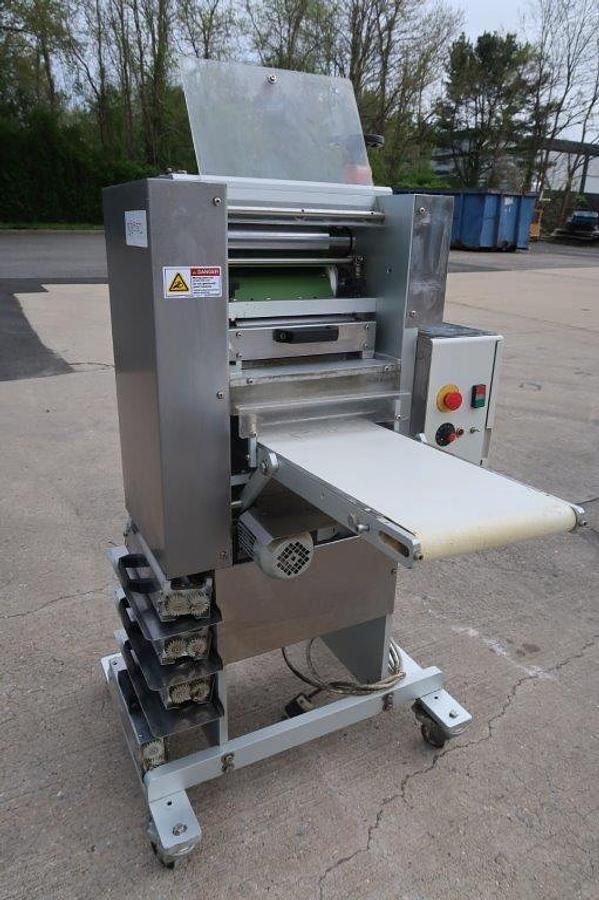
Capitani is an Italian manufacturer with a long history in the food machinery sector, producing a range of industrial and semi-industrial pasta-making equipment. Their product lines typically include pasta extruders, sheeting machines, ravioli machines, pasta cutters, and complete pasta production lines designed for both fresh and dry pasta manufacturing. The Capitani TS250 Pasta Cutter is one example of the kind of specialized equipment they produce, often sold with dies to accommodate different pasta shapes and formats.
Capitani's machines are built to serve commercial pasta producers rather than home cooks, with a focus on consistency, efficiency, and output quality across production runs. Their equipment is designed to handle the demands of small to medium-sized pasta businesses, artisan producers, and food service operations that need reliable, repeatable results. Because the brand has such a well-established reputation in Italian food machinery, their machines remain in demand on the used equipment market long after initial production.
What pasta shapes and formats can Capitani machines produce?
Capitani pasta equipment is designed to handle a wide variety of pasta formats, and the range of shapes a given machine can produce depends largely on the model and the dies or attachments it comes with. Extruder-style machines can typically produce short pasta shapes like rigatoni, penne, fusilli, and spaghetti by swapping out bronze or Teflon dies. Sheeting machines are used for flat pasta formats like lasagna, tagliatelle, pappardelle, and fettuccine. Ravioli machines handle filled pasta formats, producing consistent pockets with controlled fill weights.
When purchasing used Capitani equipment, it is worth paying close attention to which dies are included with the machine, as individual dies can be a meaningful additional cost if they need to be sourced separately. The Capitani TS250 Pasta Cutter, for example, is often listed for sale alongside its dies, which directly affects the range of cuts it can produce. Buyers looking to expand the format capabilities of a used machine should consult with parts suppliers or the manufacturer to confirm which dies are compatible with the specific model they are considering.
What is the production capacity of Capitani pasta machines?
Production capacity varies considerably across Capitani's equipment lineup, which is part of what makes their machines suitable for such a broad range of operations. Smaller semi-industrial models typically produce in the range of 5 to 10 kilograms of pasta per hour, making them a practical fit for artisan producers, specialty food shops, or restaurant operations with consistent but moderate volume needs. Larger commercial models can reach outputs of 50 kilograms per hour or more, supporting small-scale manufacturing facilities or high-volume food service environments.
When evaluating a used Capitani machine, the rated production capacity listed by the manufacturer is a useful benchmark, but actual throughput in a real production environment will depend on factors like the pasta format being produced, the moisture content of the dough, and how well the machine has been maintained over its working life. Buyers should ask dealers for as much detail as possible about the machine's operating history, and if possible, arrange an inspection to assess its current condition before making a purchase decision.
Is Capitani pasta equipment suitable for commercial use?
Capitani pasta equipment is built specifically for commercial and industrial applications, not home use. The machines are engineered to handle continuous production runs, which requires more durable components, higher-capacity motors, and more precise controls than you would find in consumer-grade pasta makers. Their equipment serves pasta producers, food manufacturers, and professional food service operations that need consistent output and reliable performance across shifts.
For a small restaurant or artisan producer considering a used Capitani machine, it is worth matching the model's capacity and footprint to actual production needs. Some of their semi-industrial models are compact enough for a professional kitchen or small production space, while larger units require dedicated floor space, proper electrical supply, and potentially specialized installation. Consulting with the equipment dealer about the specific model's power requirements and physical dimensions before purchase will help avoid surprises during setup.
What should buyers look for when purchasing used Capitani pasta equipment?
Buying used pasta equipment requires a more hands-on evaluation process than purchasing from a manufacturer, since the condition of the machine reflects its entire working history rather than a factory standard. Key things to assess include the condition of the extrusion screws, cutting blades, and dies, as these are high-wear components that directly affect pasta quality and output consistency. The condition of seals, gaskets, and any mixing or kneading components is also worth scrutinizing, since wear in those areas can affect dough handling and hygiene compliance. Asking the dealer for maintenance records, if available, gives useful context about how the machine was serviced.
Inspections are one of the most important steps in the used equipment buying process. Reputable dealers will typically accommodate in-person inspections, virtual walkthroughs, or video captures of the machine so buyers can assess its current state before committing. Some machines may still be installed and operational at the facility where they were used, which allows for a more thorough evaluation. Keep in mind that most equipment dealers do not have production permits that would allow them to run actual pasta through the machine during a demonstration, so the inspection will focus on mechanical condition rather than a live product test. Buyers should also contact the manufacturer directly to understand what level of parts and technical support is available for the specific model and age of the machine they are considering.
Are replacement parts and dies available for used Capitani pasta machines?
Parts availability for used Capitani equipment depends on the age and model of the machine. Capitani has been producing pasta machinery for many years, and for more recent or widely sold models, replacement parts including dies, cutting blades, extrusion screws, and wear components are generally obtainable through the manufacturer or authorized service channels. Older or discontinued models may present more of a challenge, and buyers should verify parts availability before purchasing a used machine, particularly for components that experience regular wear during production.
Dies deserve special attention because they are both model-specific and directly tied to the pasta formats a machine can produce. When evaluating a used Capitani machine, confirming which dies are included in the sale and whether additional dies for that model are still in production or available through aftermarket suppliers is a practical step that can significantly affect the long-term value of the purchase. Contacting Capitani directly or working with a dealer who specializes in Italian food machinery is the most reliable way to get accurate information about parts support for a specific machine.
What is the typical price range for used Capitani pasta equipment?
Pricing for used Capitani pasta equipment varies widely based on the model, age, condition, included accessories, and production capacity. Smaller semi-industrial units in good working condition might be found in the range of a few thousand dollars, while larger, higher-capacity machines or complete production lines in good condition can command significantly higher prices. The inclusion of dies, which are model-specific and can be costly to source separately, also affects the overall value of a used machine listing.
Beyond the purchase price, buyers should factor in the full landed cost of acquiring used equipment. This includes freight and shipping charges, which vary based on the size and weight of the machine and the level of packaging or crating required to protect it in transit. Larger machines may also require specialized rigging for loading and unloading, which adds to the total cost. Payment terms for used equipment are typically full payment prior to shipment, so buyers should have financing or capital in place before negotiating a purchase. Getting a clear picture of all costs upfront helps avoid budget surprises after the deal is done.
How is used Capitani pasta equipment typically shipped?
Shipping industrial pasta equipment requires careful planning to prevent damage in transit, particularly for machines with precision components like extrusion assemblies, cutting heads, and control panels. Dealers will typically package equipment on pallets or in custom crates depending on the size and fragility of the machine. The level of packaging directly affects shipping costs, and buyers should ask dealers for a detailed breakdown of palletization or crating requirements along with freight quotes before finalizing a purchase.
Larger Capitani machines may require heavy-duty rigging for loading at the origin and unloading at the destination, which is an additional cost that should be factored into the total acquisition budget. Buyers who have a loading dock or forklift at their facility can sometimes reduce unloading costs, while those without material handling equipment may need to arrange third-party rigging services. It is worth discussing all of these logistics with the dealer early in the process so the full landed cost of the equipment is clear before any agreements are made.
Does used Capitani pasta equipment require professional installation?
Whether professional installation is needed depends on the complexity and size of the specific machine. Smaller Capitani units may be relatively straightforward to set up, requiring little more than proper placement, leveling, and connection to the appropriate power supply. Larger commercial machines or complete production lines are a different matter. These often involve more complex electrical connections, potentially three-phase power requirements, integration with other equipment, and precise calibration to ensure consistent pasta output. For those machines, working with a qualified technician who has experience with Italian food machinery is a practical choice that can prevent costly mistakes during startup.
Beyond the physical installation, operators will need to be trained on the machine's controls, cleaning procedures, and die changes to get consistent results and maintain the equipment properly. Some dealers who specialize in food processing equipment can connect buyers with technicians or service contacts familiar with Capitani machines. Consulting with the manufacturer about recommended startup procedures for a specific model is also worthwhile, as older machines may have operational quirks that are not obvious from the documentation alone.
Why do used Capitani pasta machines remain in demand on the secondary market?
Capitani has built a reputation over decades for producing Italian pasta machinery with durable construction and reliable mechanical design. Machines built with quality materials and straightforward engineering tend to have long working lives, which means used units that have been properly maintained can still deliver solid production performance years after they were first put into service. For buyers who cannot justify the cost of purchasing from a manufacturer, a well-maintained used Capitani machine offers a way to access proven Italian food machinery technology at a fraction of the cost.
The secondary market for Capitani equipment also benefits from the brand's consistent product philosophy, which has kept certain components and die formats compatible across model generations. This makes it easier for buyers to find parts and accessories for used machines compared to some other brands where compatibility between generations is less predictable. For pasta producers looking to expand capacity, replace aging equipment, or launch a production operation without a large capital outlay, the used Capitani market offers practical options worth exploring with a reputable dealer who specializes in food processing equipment.