Category
Manufacturer
Model
California Pellet Mill
California Pellet Mill (CPM) is an industry leader in the development of pelletizing and feed milling machinery. Their equipment is widely used in the agriculture and biomass industries for producing animal feed and renewable energy pellets. CPM’s machines are renowned for their robust design and high production capacity.
FAQ:
What is a California Pellet Mill (CPM) and what is it used for?
California Pellet Mill, commonly referred to as CPM, is one of the most recognized names in industrial pelleting equipment. The company has built its reputation over decades by developing pelletizing and feed milling machinery that is widely regarded as a benchmark for quality and durability in the industry. CPM machines are used across a broad range of applications, including animal feed production, wood pellet manufacturing, aquatic feed processing, and biomass energy production. Their equipment is particularly well-regarded in the agriculture sector, where consistent pellet quality and high production throughput are critical to profitable operations.
At a mechanical level, a pellet mill works by forcing conditioned raw material through a die using a set of rollers, compressing and extruding the material into uniform cylindrical pellets. CPM machines are engineered for continuous heavy-duty use, which is why they hold their value well even as used equipment. Facilities ranging from mid-sized farms to large commercial feed operations rely on CPM mills because of the machines' ability to handle high tonnage output while maintaining pellet integrity. The brand's widespread adoption also means that technical knowledge, replacement parts, and experienced operators are easier to find compared to lesser-known manufacturers.
What types of pellets can a California Pellet Mill produce?
CPM pellet mills are genuinely versatile machines, capable of producing a wide variety of pellet types depending on the die specification, roller configuration, and feed conditioning setup. The most common applications include livestock and poultry feed pellets, aquatic feed pellets, wood and biomass energy pellets, and specialty compound feeds for pets or exotic animals. The specific formulation of the raw material mix, its moisture content, and the desired pellet diameter all influence which die and roller combination should be used for a given production run.
Biomass and wood pellet production has grown significantly as a renewable energy application, and CPM mills are frequently found in facilities producing fuel pellets for residential and commercial heating systems. For animal feed, the pellet mill allows nutritionists to incorporate a precise blend of grains, proteins, vitamins, and binders into a consistent, easy-to-handle form that reduces feed waste compared to loose mash. Buyers sourcing a used CPM mill should confirm that the die included with the machine matches their intended pellet diameter and material, since die specifications are proprietary to CPM and must be matched carefully to the production goal.
What are the differences between CPM pellet mill models like the 7900, 8900, and Century series?
CPM has produced a broad range of pellet mill models over the years, and the differences between series generally come down to production capacity, motor horsepower, die diameter, and the mechanical design of the main drive and conditioning system. The 7900 series is typically associated with mid-range commercial production, offering a balance of throughput and footprint that suits operations producing several tons per hour. The 8900 series steps up in scale with larger die diameters and higher horsepower ratings, making it more appropriate for high-volume feed mills or industrial biomass operations. The Century series represents CPM's higher-capacity platform, engineered for demanding continuous-duty environments where maximizing tons-per-hour output is the primary objective.
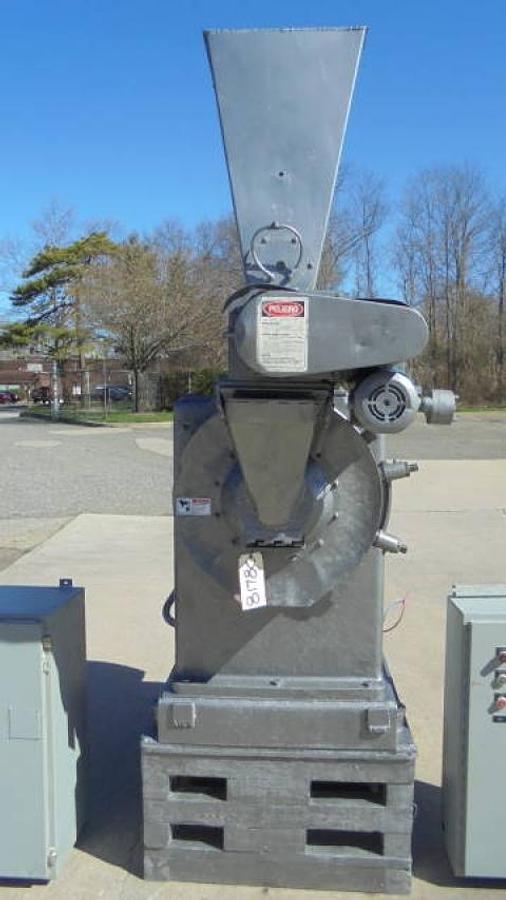
For buyers evaluating used CPM equipment, understanding which series a machine belongs to matters beyond just horsepower ratings. Die availability, roller wear parts, and gearbox components differ between series, so confirming that replacement parts are still readily sourced for a specific model is an important step before purchase. Older models may have more limited manufacturer support depending on when they were produced, so consulting directly with CPM or a knowledgeable used equipment dealer about parts availability for a specific model and serial number is a practical due-diligence step. A used CPM Series C mill at 30HP, for example, represents a smaller-footprint machine suited to medium-scale feed or biomass production rather than high-volume industrial output.
Are California Pellet Mills suitable for small farm operations or only large commercial facilities?
CPM produces machines across a fairly wide capacity range, so the answer depends on the specific model. Smaller CPM units, such as those in the 20 to 50 horsepower range, are practical for medium-sized farm operations that want to produce their own feed on-site rather than purchasing pre-pelleted commercial feed. On-farm pelleting can reduce feed costs, improve feed conversion ratios, and give producers control over their specific ingredient formulas. A used CPM mill in this horsepower class is often a cost-effective entry point for farms that have the raw ingredient supply and labor to support a pelleting operation.
That said, even the smaller CPM models are industrial machines that require a proper electrical service, a conditioned feed supply, and routine mechanical maintenance. They are not hobby-scale pieces of equipment. Farms considering a used CPM mill should evaluate their expected daily tonnage needs against the machine's rated output, factor in the cost of dies, rollers, and conditioning equipment, and ensure they have someone on staff or on call who can handle mechanical upkeep. For very small operations producing only a few hundred pounds of feed per day, a full-size CPM mill may be more machine than the operation requires, so matching the model to the actual production volume is an important part of the buying decision.
What should buyers look for when inspecting a used California Pellet Mill before purchase?
A thorough inspection of a used CPM pellet mill should cover several mechanical systems. The main drive gearbox is one of the most expensive components to repair or replace, so checking for unusual noise, oil leaks, and bearing play is critical. The die and roller assembly should be inspected for wear, since a heavily worn die will produce inconsistent pellets and may need immediate replacement, which adds to the total acquisition cost. The main shaft, feeder, and conditioner components should also be examined for wear and proper function. Electrical panels, motor condition, and any hydraulic systems on the machine warrant close attention as well.
Used equipment dealers specializing in feed milling and pelleting machinery will typically accommodate in-person inspections, and many can also arrange video walkthroughs or provide detailed photo documentation for buyers who cannot travel to the machine's location. Some machines may still be installed at the facility where they were used, which allows a buyer to see the equipment in its operational context. Keep in mind that most dealers do not have the permitting or production infrastructure to run a full production test, so the inspection will focus on the mechanical condition of the machine rather than a live output demonstration. Buyers should ask specifically about the hours of use, the last maintenance performed, and whether the die and rollers included with the machine are the same ones that were in service.
How do die size and configuration affect the performance of a California Pellet Mill?
The die is arguably the most critical variable in a pellet mill's performance. In a CPM machine, the die is a thick steel ring with hundreds of precisely drilled holes, and the material is forced through these holes under pressure from the rollers to form pellets. The die's hole diameter determines the pellet size, and the die's effective length (the depth of each hole relative to its diameter, expressed as the compression ratio) controls how much pressure is applied to the material as it passes through. Different materials require different compression ratios: high-fiber biomass materials typically need a lower compression ratio, while dense protein-based animal feeds may require a higher one to produce a hard, durable pellet.
CPM uses proprietary die specifications, so dies are not interchangeable with other manufacturers' equipment. When purchasing a used CPM mill, buyers should confirm the die size included with the machine and whether it matches their intended application. A die optimized for poultry feed, for example, may not perform well if the buyer intends to produce wood fuel pellets. Replacement dies are available through CPM and through aftermarket suppliers, but they represent a meaningful cost, so factoring die condition and suitability into the purchase price negotiation is a smart move. Rollers, which work in contact with the die, also wear over time and should be evaluated alongside the die during any pre-purchase inspection.
What maintenance does a California Pellet Mill require to stay in good working condition?
CPM pellet mills are built for durability, but they are high-stress machines that require consistent, disciplined maintenance to perform reliably. The most frequent maintenance tasks involve the die and roller assembly, which experience significant friction and wear during normal operation. Rollers should be greased on a regular schedule, and the die should be inspected periodically for wear patterns that indicate uneven pressure distribution or material buildup. When a machine is shut down at the end of a production run, it is standard practice to purge the die with an oil-and-sawdust mixture to prevent the holes from hardening with residual material, which can make restarting difficult.
Beyond the die and rollers, the main drive gearbox requires periodic oil changes and bearing inspections. The conditioner, which adds steam or moisture to the raw material before it enters the die, has its own set of paddles, shafts, and seals that wear over time. Electrical components, drive belts, and the feeder auger also need routine checks. For buyers acquiring a used CPM mill, obtaining the original maintenance manual is highly valuable, as it outlines the specific service intervals and lubrication specifications for that model. If the manual is not available, CPM's technical support team can often provide guidance based on the machine's model and serial number, though the level of support available may vary depending on the age of the equipment.
How do replacement parts availability and manufacturer support factor into buying a used CPM pellet mill?
CPM's widespread adoption across the feed milling and biomass industries means that replacement parts are generally more accessible for their equipment than for many competing brands. Dies, rollers, bearings, gearbox components, and conditioner parts are available both through CPM directly and through a network of aftermarket suppliers who have built their businesses around servicing CPM equipment. This parts ecosystem is one of the reasons used CPM mills hold their resale value well and remain practical purchases even when the machines are several decades old.
That said, parts availability is not uniform across all CPM models and ages. Older or discontinued models may have limited manufacturer support, and some components may only be available through aftermarket channels or by sourcing used parts from other decommissioned machines. Before committing to a purchase, buyers are well-served by contacting CPM directly to ask about parts and technical support for the specific model and serial number they are considering. A reputable used equipment dealer who specializes in feed milling machinery will also be familiar with parts availability for the models they sell and can provide practical guidance on what a buyer should expect. This kind of pre-purchase research helps avoid situations where a machine is acquired at a good price but turns out to have a critical component that is difficult or expensive to replace.
What are typical shipping and logistics considerations when buying a used California Pellet Mill?
Pellet mills are heavy industrial machines, and shipping logistics require more planning than a standard freight shipment. Even a smaller CPM unit in the 30 to 50 horsepower range will typically weigh several thousand pounds, and larger industrial models can weigh considerably more. Proper packaging is essential to prevent damage in transit. Depending on the machine's size and the dealer's capabilities, the equipment may be shipped on a pallet, in a crate, or secured directly to a flatbed trailer. The level of packaging required will affect the shipping cost, so buyers should ask the dealer specifically what packaging is included in the quoted freight price.
Loading and unloading often require rigging equipment such as a forklift or crane, which adds to the landed cost of the machine and must be arranged at both the origin and destination. Buyers should confirm in advance that they have the appropriate unloading equipment at their facility before the shipment departs. For international shipments, additional considerations around customs documentation, import duties, and export crating standards apply. The total landed cost of a used pellet mill, including freight, rigging, and any import fees, can be a significant portion of the machine's purchase price, so getting detailed quotes on all of these line items before finalizing a purchase is an important part of the budgeting process.
What payment terms should buyers expect when purchasing a used California Pellet Mill from a dealer?
Used industrial equipment dealers generally require full payment before a machine is released for shipment. This is standard practice in the industry and reflects the nature of used equipment transactions, where the dealer needs to confirm cleared funds before coordinating the logistics of loading and shipping a large piece of machinery. Payment is typically accepted by wire transfer, though some dealers may accept other forms depending on the transaction size and the buyer's relationship with the dealer. Buyers who have an established history with a particular dealer may occasionally be offered extended terms, but first-time buyers should plan on full payment upfront as the default expectation.
Because used equipment is sold as-is, the financial risk in the transaction sits primarily with the buyer, which makes the pre-purchase inspection process especially important. Buyers should treat the inspection as their primary protection in the transaction rather than relying on any post-sale recourse. Selecting a dealer with a long track record in the feed milling or industrial machinery space, and one that specializes in the type of equipment being purchased, significantly reduces the risk of surprises after payment has been made. Asking for references from past buyers and reviewing the dealer's history in the industry are reasonable steps before committing to a purchase of this size.