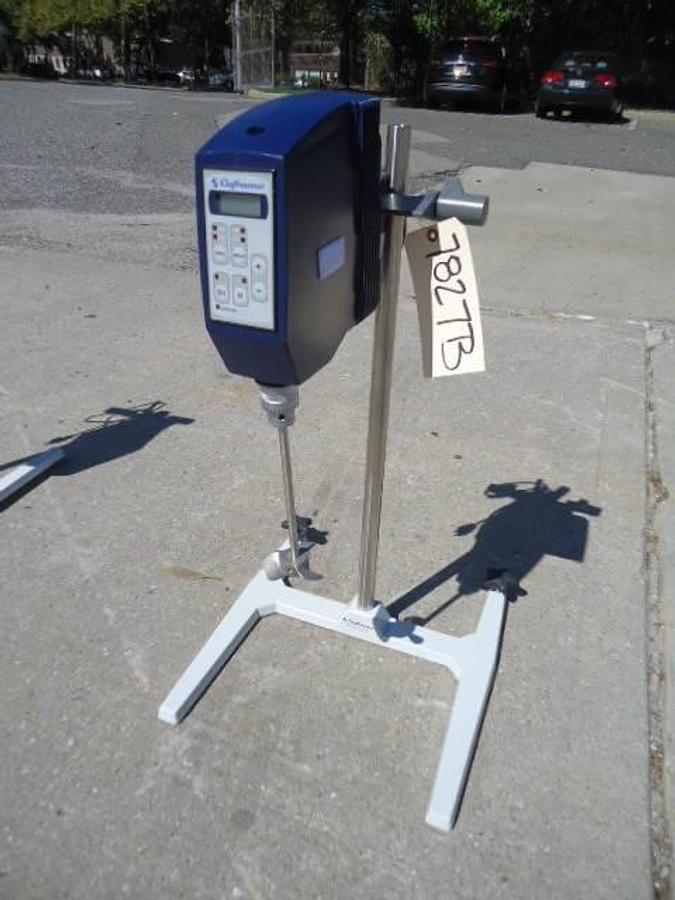
Category
Manufacturer
Model
Caframo
Caframo manufactures advanced heating and stirring equipment for scientific laboratories and industrial applications. They are best known for their laboratory stirrers and fans, which are noted for their reliability and performance. Caframo’s products are integral in ensuring precise and consistent results in lab environments.
FAQ:
What are Caframo lab stirrers used for?
Caframo lab stirrers are overhead mixing devices designed for scientific and industrial applications where consistent, controlled agitation is required. They are commonly used in research labs, quality control settings, and production environments to mix liquids, suspensions, slurries, gels, and resins. Their high torque output makes them particularly well suited for viscous materials that magnetic stir plates cannot handle effectively. Applications range from pharmaceutical compounding and chemical synthesis to food science testing and materials research.
Caframo builds both tabletop and overhead stirrer models, many of which feature variable speed control, digital displays, and torque monitoring. These capabilities make them a preferred choice when repeatability and precision matter. The BDC series, for example, offers programmable settings that allow lab technicians to reproduce mixing conditions across multiple batches. Because of this versatility, Caframo stirrers are found in university research labs, industrial pilot plants, and commercial production facilities alike.
What RPM range do Caframo lab stirrers typically offer?
Caframo lab stirrers cover a wide speed range depending on the model. Many units operate from as low as 10 RPM up to approximately 2,200 RPM, which makes them adaptable across a broad spectrum of mixing tasks. Low-speed settings are useful for gentle blending of fragile samples or slow incorporation of powders into liquids, while higher speeds suit low-viscosity solutions that need rapid homogenization. This range is wider than what many comparable overhead stirrers in the same price category offer.
The variable speed control on most Caframo models is either analog or digital. Digital models in the BDC series allow users to set and monitor speed with greater accuracy, which is important in regulated lab environments where process documentation is required. When evaluating a used Caframo stirrer, it is worth confirming the full speed range of the specific model, since different units within the product line are rated for different RPM ceilings and torque outputs.
Are Caframo lab stirrers suitable for high-viscosity liquids?
Yes, Caframo stirrers are well regarded for their ability to handle high-viscosity materials. Their motors are engineered to deliver strong torque at low speeds, which is exactly what is needed when mixing thick substances like gels, polymer solutions, epoxy resins, or dense slurries. Many competing stirrers at similar price points struggle to maintain consistent speed under load, but Caframo units are built to hold their set RPM even as resistance increases. This torque stability is one of the main reasons they are a preferred brand in research and industrial settings.
For particularly demanding applications, models like the Stir-Pak series are designed specifically for high-torque, high-viscosity work and can accommodate larger impeller attachments suited to thick media. When purchasing a used Caframo stirrer for viscous applications, buyers should verify the torque rating of the specific model and confirm that the unit powers up and maintains speed under a test load if possible. Consulting the manufacturer's published specifications for the model number in question will clarify the viscosity range and maximum volume the unit is rated to handle.
What is the difference between the Caframo BDC series and the Caframo Stir-Pak series?
The BDC series and the Stir-Pak series serve overlapping but distinct purposes within Caframo's product lineup. BDC models are digital overhead stirrers aimed at laboratory research environments where precise speed control, torque display, and data logging capabilities are priorities. They typically feature brushless motors, a digital interface, and programmable settings, making them a strong fit for analytical work, method development, and any application where process parameters need to be recorded or repeated accurately. Speed and torque readouts on the BDC series give users real-time feedback during mixing.
The Stir-Pak series is built more toward high-torque industrial and pilot-scale applications. These units are designed to handle larger volumes and thicker materials, often paired with heavy-duty impellers and support stands for mixing in drums or large vessels. They tend to be more mechanically robust rather than feature-rich on the digital side. For a buyer evaluating used equipment, understanding which series a unit belongs to helps clarify what accessories are compatible and what performance to expect. Checking the model number against Caframo's published documentation is the most reliable way to confirm the specs of any specific unit.
What should buyers look for when purchasing a used Caframo lab stirrer?
Buying a used Caframo stirrer requires a closer look at physical condition and functional performance than simply accepting the brand's general reputation. Key things to evaluate include the condition of the motor housing, the chuck or coupling that holds the impeller shaft, the control panel or speed dial, and any digital display if present. Brushless motor models have longer service lives, but all motors can develop issues over time, particularly if the unit was used heavily or stored improperly. Asking the seller about the machine's service history and operating hours, if known, is a reasonable starting point.
Reputable used equipment dealers will typically offer in-person or video inspections so buyers can see the unit power on, observe the speed control across its range, and check for unusual noise or vibration. Keep in mind that most dealers do not have the permitting or setup to run full production tests with actual product, so the inspection will focus on mechanical and electrical function rather than application-specific performance. Buyers should also confirm which accessories, such as impeller shafts, clamps, or support stands, are included with the unit, since replacement parts can add to the total cost.
What RPM and torque specifications should lab buyers prioritize when selecting a Caframo stirrer?
The right RPM range and torque rating depend entirely on the intended application. For low-viscosity liquids in volumes under a few liters, a wide RPM range with moderate torque is usually sufficient. For viscous materials like pastes, resins, or slurries, torque output at low RPM matters far more than maximum speed. Caframo publishes torque ratings in Newton-centimeters (Ncm) for most of its models, and comparing those figures to the expected resistance of the material being mixed is the most direct way to match the equipment to the task.
Volume capacity is the other key variable. Most Caframo overhead stirrers are rated for specific volume ranges depending on the viscosity of the medium. A unit rated for 40 liters of water may only be suitable for 5 to 10 liters of a thick polymer solution. Buyers looking at used units should cross-reference the model number with Caframo's published spec sheets to confirm the rated capacity. This is especially important with used equipment, since the listing may not always include full technical details. Asking the seller to provide the model number and any available documentation is a practical first step.
Are Caframo lab stirrers compatible with standard lab accessories and impeller shafts?
Most Caframo overhead stirrers use a standard chuck system that accepts common impeller shaft diameters, typically 8mm or 10mm depending on the model. This means they are generally compatible with a wide range of aftermarket and manufacturer-supplied impellers, including propeller, paddle, anchor, and disperser blade styles. The compatibility of a specific unit with third-party accessories depends on the chuck size and the torque output of the motor, since heavier impellers and larger blades require more torque to operate effectively.
When purchasing a used unit, buyers should confirm what chuck size the stirrer uses and whether the original shaft and impeller are included in the sale. Replacement shafts and impellers are available through lab supply channels, but confirming availability for the specific model before purchase is a sensible precaution. Caframo's product documentation lists compatible accessories for each series, which is a useful reference when sourcing replacement parts for an older unit.
Can Caframo lab stirrers be used with corrosive or flammable chemicals?
Caframo produces models specifically designed for use in environments involving flammable solvents or corrosive reagents, but not all models in their lineup carry those certifications. Brushless motor designs reduce the risk of sparking compared to brushed alternatives, but a brushless motor alone does not make a stirrer rated for use in a flammable atmosphere. Models intended for use near flammable chemicals need to meet specific electrical safety standards, and buyers should verify the certification status of any unit before using it in that context.
For corrosive chemical applications, the wetted parts of the stirrer, primarily the shaft and impeller, are the main concern rather than the motor itself. Stainless steel or PTFE-coated shafts are commonly used in these environments. When evaluating a used Caframo stirrer for chemical compatibility, checking the model's original specification sheet for material ratings and any relevant certifications is essential. Used equipment dealers can typically provide the model number, which allows buyers to look up the full technical details directly from the manufacturer's documentation.
What are the advantages of Caframo's brushless motor design in lab stirrers?
Brushless motors offer several practical advantages over brushed motor designs in laboratory stirring applications. The most significant is longevity. Because brushless motors have no physical brushes making contact with rotating components, there is less friction-driven wear over time. This translates to a longer service life and fewer maintenance interruptions, which matters in labs where equipment downtime affects workflow. Brushless designs also tend to run quieter and generate less heat during extended operation, both of which are appreciated in shared lab spaces.
From a performance standpoint, brushless motors maintain more consistent speed under varying loads, which is important when mixing viscous materials that create fluctuating resistance. They also tend to offer better speed control at low RPM, where brushed motors can sometimes stutter or lose torque. For buyers considering used Caframo equipment, knowing whether a specific model uses a brushless motor is relevant to estimating its remaining service life and expected maintenance needs. This information is typically available in the model's specification sheet or can be confirmed by asking the seller.
What should buyers expect regarding shipping and inspection when purchasing a used Caframo lab stirrer?
Used lab stirrers like Caframo models are generally compact enough to ship via standard freight or parcel carriers, but proper packaging is still important. Sellers should palletize or crate the unit securely to prevent damage in transit, and buyers should ask about the packaging method before finalizing a purchase. Shipping costs will vary based on the destination, the weight of the unit, and the level of packaging required. Larger or heavier configurations may need additional rigging for loading, which can add to the total landed cost. Getting a clear breakdown of all shipping-related charges upfront avoids surprises.
Before committing to a purchase, buyers are encouraged to request an inspection, either in person or via video. A reputable dealer will power the unit on, demonstrate the speed control across its range, and show the physical condition of the housing, chuck, and control interface. Some units may still be located at the facility where they were last used, in which case an inspection can sometimes be arranged at that site. Keep in mind that dealers generally cannot perform full application tests with actual product due to permitting limitations, so the inspection focuses on mechanical and electrical function. Payment is typically required in full before the unit ships, which is standard practice in the used equipment industry.