Category
Manufacturer
Model
Burkhard
Burkhard is prominent in mechanical engineering, offering high-performance machinery tailored to sectors such as automotive and consumer goods manufacturing. They provide customized solutions, including fasteners manufacturing equipment that ensures precision and operational efficiency. Burkhard’s dedication to innovation helps their clients maintain high quality and productivity in competitive markets.
FAQ:
What types of Burkhard machinery are available on the used equipment market?
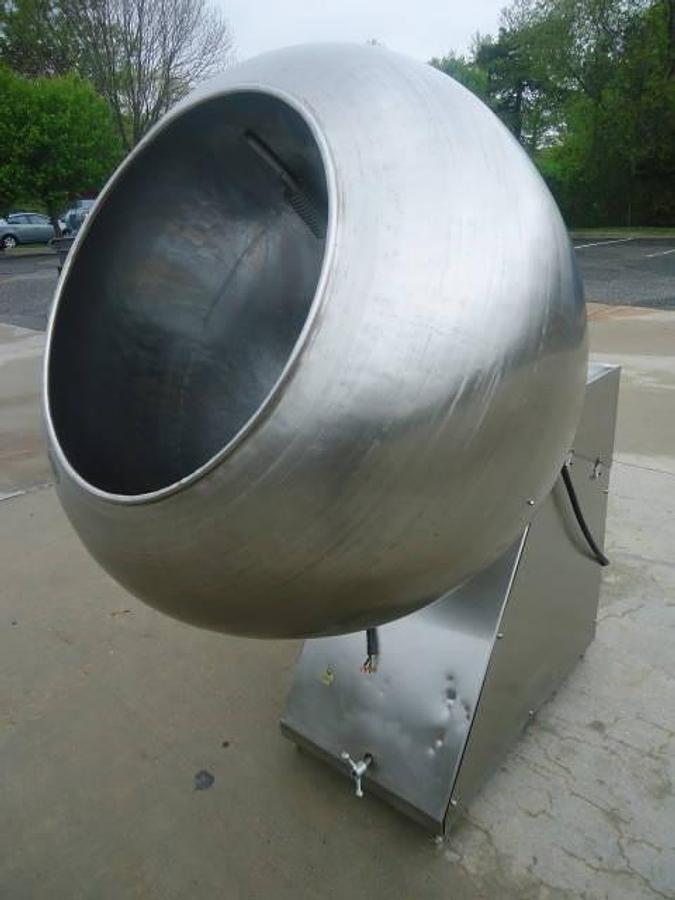
Burkhard has established itself as a notable name in mechanical engineering, with a product range that spans several industrial applications. The brand is particularly recognized for fasteners manufacturing equipment, coating pans, and precision machinery designed for sectors like automotive and consumer goods manufacturing. On the used equipment market, buyers can find items such as stainless steel coating pans, fastener production machines, and other specialized processing equipment that Burkhard has produced over the years. Because the brand covers multiple equipment categories, it pays to be specific about the model and application you need before starting your search.
The availability of any particular machine at a given time depends heavily on what facilities are decommissioning or upgrading their production lines. Used Burkhard machinery tends to appear through specialized industrial equipment dealers who focus on manufacturing and processing sectors. When browsing listings, pay close attention to the model number and specifications rather than relying solely on the brand name, since Burkhard's catalog spans different industries and a machine built for pharmaceutical coating will have very different specifications than one designed for automotive fastener production.
What industries commonly use Burkhard machinery?
Burkhard machinery is primarily associated with manufacturing sectors that demand precision, repeatability, and high throughput. The automotive industry is one of the most prominent users, particularly for fasteners manufacturing equipment where dimensional accuracy is critical to safety and assembly quality. Consumer goods manufacturing is another significant sector, where Burkhard equipment supports production lines that require consistent output at scale. Pharmaceutical and nutraceutical manufacturers also use Burkhard coating pans for tablet and confectionery coating processes, making the brand relevant across a surprisingly broad range of industries.
This cross-industry presence is actually useful context for buyers shopping the used market. A coating pan originally purchased for pharmaceutical use may be perfectly suited for food processing or confectionery applications, and vice versa. Understanding the original application of a used Burkhard machine can help a buyer assess whether it has been operated within its design parameters and what kind of wear to expect. When evaluating a used machine, asking the seller about the industry it served and the types of materials it processed can provide meaningful insight into its current condition and remaining service life.
How do I verify the condition of used Burkhard machinery before purchasing?
Verifying the condition of any used industrial machine requires a layered approach, and Burkhard equipment is no exception. The first step is requesting detailed photographs that cover all major components, including the drive system, control panel, wear surfaces, and any tooling or attachments. Beyond photos, ask the seller for service and maintenance records if they are available. A machine with documented upkeep is generally a safer purchase than one with an unknown history, since you can assess whether critical components have been replaced or serviced at appropriate intervals.
Reputable used equipment dealers will typically accommodate in-person inspections or virtual walkthroughs via video call. For higher-value machines, arranging an on-site visit is worth the effort, especially if the equipment is still installed at a production facility where you may be able to observe it running. Keep in mind that most dealers do not have the permitting or production infrastructure to run a machine through a full production cycle, so a functional test in a dealer's warehouse will be limited in scope. It is also worth contacting Burkhard directly to understand what level of technical support, documentation, and parts availability you can expect for the specific model you are considering, since older models may have more limited manufacturer support than recent production runs.
Does used Burkhard machinery come with a warranty?
Used industrial machinery is almost universally sold on an as-is basis, and Burkhard equipment purchased through a reseller is no different. Warranties are a feature of purchases made directly through manufacturers for equipment they produce and stand behind. Once a machine enters the secondary market, the responsibility for assessing its condition shifts to the buyer. This is why thorough pre-purchase inspection is so important, and why selecting a dealer with a solid track record in the relevant equipment category matters as much as the price.
To protect yourself as a buyer, focus on dealers who specialize in the type of industrial machinery you are purchasing rather than generalist auction platforms. A specialist dealer is more likely to have accurately assessed the machine's condition, to have sourced it from a credible facility, and to provide honest disclosure about any known issues. Before finalizing a purchase, consult with Burkhard or an authorized service technician to understand the realistic maintenance outlook for the specific model, including parts availability and any known failure points common to that machine's age and design.
What should I look for in the service history of a used Burkhard machine?
Service history is one of the most telling indicators of a used machine's remaining operational life. For Burkhard equipment, look for records that document routine maintenance such as lubrication schedules, belt and bearing replacements, and calibration checks. If the machine includes electronic controls or programmable logic controllers, any records of software updates or electrical repairs are particularly valuable. A gap-free service log suggests the machine was treated as a long-term asset rather than run to failure, which is a meaningful distinction on the used market.
Beyond the paperwork, ask the seller specific questions about the machine's operating history: how many shifts per day it ran, what materials it processed, and whether it was ever involved in a breakdown that required major repair. Even if formal documentation is incomplete, an experienced seller should be able to speak knowledgeably about the machine's background. If records are entirely absent, factor that uncertainty into your offer price and budget for a thorough inspection by a qualified technician before putting the machine into production.
Are spare parts and replacement components readily available for Burkhard machines?
Parts availability is one of the most practical factors to evaluate before committing to a used Burkhard machine, and it varies considerably depending on the model and its age. For machines that are relatively recent in production terms, Burkhard or authorized distributors may still stock or be able to source critical components. For older machines, the picture is more mixed. Some components such as motors, gearboxes, and standard electrical parts can often be sourced through third-party suppliers or aftermarket manufacturers even when the machine maker no longer supports a specific model.
Before purchasing, it is worth reaching out to Burkhard directly to ask about parts support for the exact model and serial number you are considering. Describe the machine's age and ask specifically about wear components that are likely to need replacement during normal operation. If the manufacturer confirms limited support, ask the dealer or other owners of the same model whether aftermarket or compatible parts are available. Some buyers also purchase a second machine of the same model as a parts source, which can be a cost-effective strategy for high-value or hard-to-source equipment. Going in with a clear picture of your parts options prevents costly downtime after the purchase.
What is the typical price range for used Burkhard machinery?
Pricing for used Burkhard machinery varies widely depending on the type of machine, its age, condition, and the level of demand in the market for that specific application. Smaller items like coating pans may be available in a range that reflects their size and condition, while larger, more complex fastener production lines or precision manufacturing systems command significantly higher prices. As a general reference point, used industrial coating pans from established manufacturers can range from a few thousand dollars for older or well-worn units to tens of thousands for machines in excellent working condition with full documentation.
The best way to calibrate your expectations is to compare multiple listings for similar Burkhard models across reputable industrial equipment dealers. Pricing from specialist dealers who have inspected and prepared a machine for resale will typically be higher than pricing from a liquidation or estate sale where the machine is sold with no assessment. That premium often reflects reduced risk and better pre-purchase information, which can be worth paying for. Factor in shipping, rigging, and any refurbishment costs when comparing prices, since the landed cost of a machine at your facility is what ultimately determines its value.
What are the shipping and logistics considerations for buying used Burkhard machinery?
Shipping industrial machinery requires more planning than standard freight, and the logistics costs can add meaningfully to the total purchase price. Smaller Burkhard machines like coating pans may be palletized and shipped via standard LTL freight carriers, but the packaging must be done carefully to prevent damage in transit. Larger machines or complete production systems typically require custom crating, and the cost of that crating should be confirmed with the seller before finalizing the deal. Always ask for a breakdown of packaging, rigging, and freight charges so you understand the full landed cost before committing.
For international shipments, additional considerations come into play including customs duties, import documentation, and compliance with the destination country's equipment standards. Larger machines may need to be partially disassembled for transport and then reassembled on-site, which adds to both cost and timeline. Rigging services for loading and unloading heavy equipment are typically an added expense, and buyers should confirm whether the seller arranges rigging at the origin point or whether that is the buyer's responsibility. Getting these details in writing before purchase avoids surprises when the machine arrives.
What payment terms are typical when buying used industrial machinery from a dealer?
Most used equipment dealers require full payment before a machine is released for shipment. This is standard practice in the industry and reflects the dealer's need to confirm cleared funds before incurring the cost and logistics of preparing a machine for transport. Payment is commonly made by wire transfer, though some dealers accept other methods depending on the transaction size and the buyer's relationship with the seller. For first-time buyers with a dealer, expect full prepayment to be the standard requirement.
Some dealers extend payment terms to repeat customers or buyers with an established purchasing history, but this is the exception rather than the rule and is typically negotiated on a case-by-case basis. If financing is a consideration, buyers sometimes arrange third-party equipment financing independently and then pay the dealer directly from those funds. Before finalizing any purchase, confirm the accepted payment methods, the timeline for payment processing, and when the machine will be scheduled for pickup or shipment after payment clears. Having these details documented in writing protects both parties and keeps the transaction moving smoothly.
How do I choose a reputable dealer when buying used Burkhard machinery?
The dealer you buy from matters as much as the machine itself, especially in the used equipment market where condition assessments and honest disclosure vary considerably from one seller to the next. Look for dealers who have been operating for a significant number of years and who specialize in the type of industrial machinery you are purchasing. A dealer with deep experience in manufacturing equipment will be better positioned to accurately describe a Burkhard machine's condition, identify any issues, and answer technical questions than a generalist liquidator who handles all categories of surplus assets.
Ask the dealer directly about how they sourced the machine, whether they have inspected it, and what documentation they can provide. A reputable dealer should be willing to arrange an in-person or video inspection and should be transparent about any known issues or missing components. Check for reviews or references from past buyers, and look for dealers who are members of recognized industry associations, as membership often implies adherence to a code of conduct. Taking the time to vet your dealer before purchasing significantly reduces the risk of receiving a machine that does not match its listing description.