Category
Manufacturer
Model
Bubber Machine Tools
FAQ:
What types of machine tools does Bubber manufacture?
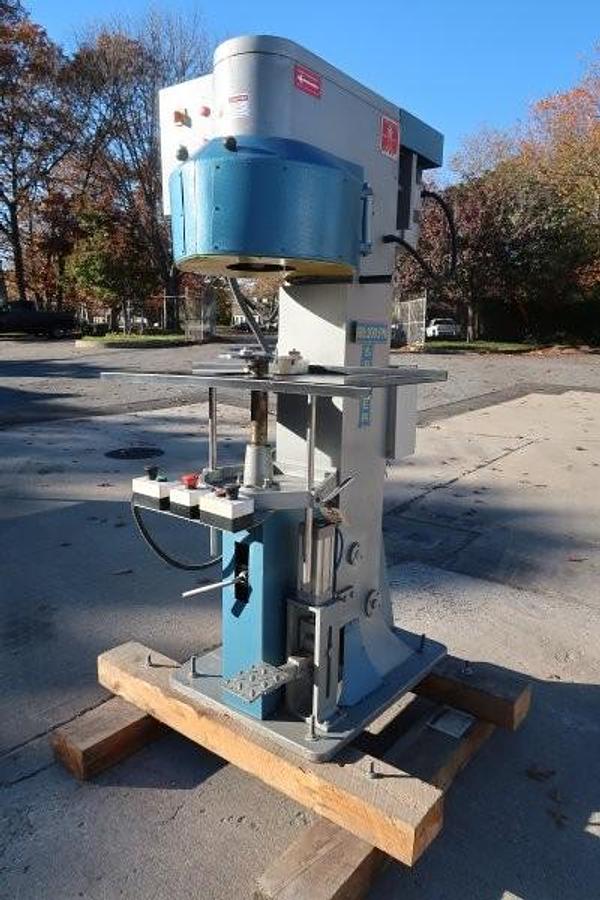
Bubber is a manufacturer known primarily for can seaming and packaging machinery. The Bubber Semi-Automatic Can Seamer is one of their recognized machines, designed for seaming cans of specific diameters such as the 603 diameter size. This type of equipment falls within the food and beverage packaging machinery category, where precision seaming is critical to product integrity and shelf life. Buyers looking for Bubber equipment are typically in the canning, food processing, or beverage production industries.
Beyond can seamers, Bubber has produced various semi-automatic and automatic production machines suited to light industrial and food packaging applications. Because these machines are available on the used market, the specific models and configurations available at any given time will vary depending on what has come off production floors and into the secondary market. Anyone researching Bubber machinery should verify the exact model specifications, seam diameter compatibility, and production speed ratings before committing to a purchase.
What is a can seamer and how does it work?
A can seamer is a machine used to attach a lid to a filled can by forming a double seam, which mechanically interlocks the lid and the can body to create an airtight seal. The process involves a series of seaming rolls that progressively fold and compress the lid flange and can body flange together. This double-seam method has been the industry standard for canned food and beverage production for decades because it produces a hermetic seal without requiring adhesives or heat bonding.
Semi-automatic can seamers, like the Bubber models commonly found on the used market, require an operator to position the filled can and lid before the machine completes the seam. These machines are well suited to small and mid-scale production runs where full automation is not yet justified by volume. Key specifications to evaluate on any can seamer include the can diameter range it accommodates, the seaming speed in cans per minute, and the condition of the seaming rolls and chuck, since worn tooling directly affects seam quality.
Are used Bubber machine tools suitable for small workshops or only large industrial operations?
Used Bubber semi-automatic can seamers are generally a practical fit for small to mid-size operations rather than high-volume industrial lines. Semi-automatic machines by design require operator involvement at each cycle, which limits throughput compared to fully automatic inline systems. For craft breweries, small food producers, specialty canneries, or pilot production facilities, a used semi-automatic seamer can be an efficient and cost-effective solution that does not require the capital investment of a fully automated line.
That said, the suitability of any used machine depends heavily on its condition and how well it has been maintained by previous owners. A well-maintained Bubber seamer that has been properly serviced can deliver consistent seam quality in a small workshop setting for years. Buyers should request detailed photos, inspection reports, or a live video demonstration of the machine operating before purchasing, and they should confirm that the machine's can diameter specifications match their production requirements.
Do used Bubber machine tools come with a warranty?
Used machinery is typically sold on an as-is basis, which means no warranty coverage is provided by the dealer. This is standard practice across the used equipment industry. The absence of a warranty is one of the key differences between buying used and buying directly from a manufacturer, and it places the responsibility of due diligence squarely on the buyer. This is why thorough inspection before purchase is so important.
To manage risk when buying used machinery without a warranty, buyers should take several practical steps. First, work only with reputable used equipment dealers who have a verifiable track record and industry specialization. Second, request an in-person or video inspection of the machine to assess its current condition. Third, contact the manufacturer directly to understand what technical support, parts availability, and service documentation exists for the specific model and age of machine being considered. The manufacturer's level of ongoing support can vary significantly based on how old the machine is and whether the model is still in production.
How should I inspect a used can seamer before buying it?
Inspecting a used can seamer thoroughly before purchase is the most important step in protecting your investment. The primary areas to examine are the seaming rolls and chuck, which are the tooling components that form the double seam. Worn or damaged rolls produce inconsistent seams that can fail, so look for visible wear, scoring, or uneven surfaces. The drive motor, cam mechanism, and timing components should also be checked for smooth, consistent operation. If possible, ask the dealer to run the machine through a seaming cycle so you can observe it in action.
Most reputable used equipment dealers will accommodate in-person inspections at their facility or, if the machine is still located at the selling facility, can arrange access there. If travel is not feasible, ask for a detailed video walkthrough that includes the machine running under power. Pay attention to any unusual noise, vibration, or hesitation during operation. Also request any available maintenance records, manuals, or service history, as this documentation gives you a clearer picture of how the machine was used and how well it was maintained. Machines still in active production at a facility offer the advantage of being verifiably operational.
What does the 603 diameter specification mean on a Bubber can seamer?
Can diameter specifications in the industry are expressed using a standardized numbering system where the first digit represents inches and the remaining digits represent sixteenths of an inch. A 603 diameter, for example, refers to a can that is 6 and 3/16 inches in diameter. This is a common size in the food canning industry and corresponds to a larger format can used for products like fruits, vegetables, soups, and institutional food packaging.
When evaluating a used can seamer, the diameter specification is one of the most critical compatibility factors. A machine tooled for 603 diameter cans will not produce acceptable seams on significantly different can sizes without retooling or replacing the chuck and seaming rolls. Buyers should confirm that the machine's current tooling matches their production can size, and they should also ask whether alternative tooling is included with the machine or available for purchase separately. Sourcing tooling for older or less common machines can sometimes be a challenge, so it is worth verifying parts availability before finalizing the purchase.
Are replacement parts available for used Bubber machinery?
Parts availability is one of the most practical concerns when purchasing any used machine, and it deserves careful attention before committing to a purchase. For Bubber machinery, buyers should contact the manufacturer directly to ask which parts are currently stocked or can be produced on request for the specific model they are considering. The age of the machine plays a significant role here. Older models may have limited or discontinued parts support, while more recent machines are more likely to have components readily available.
For can seamers specifically, the highest-wear components are the seaming rolls, chuck, and drive belts. These parts are sometimes available from third-party tooling suppliers even when the original manufacturer no longer stocks them, since many seaming components are manufactured to industry-standard dimensions. It is worth asking the selling dealer whether any spare parts or tooling are included with the machine, and independently researching whether aftermarket suppliers carry compatible components. Building a small inventory of critical wear parts at the time of purchase is a common practice among experienced machinery buyers.
What should I know about shipping a used can seamer?
Shipping used industrial machinery involves more complexity than standard freight, and the costs can vary considerably depending on the size and weight of the machine, the distance being shipped, and the level of packaging required. Can seamers, even semi-automatic models, are precision machines with moving parts that must be properly secured and protected before transport. Dealers will typically palletize or crate the machine, and the cost of that packaging is generally passed on to the buyer. Heavier or larger machines may also require professional rigging equipment for loading and unloading, which adds to the total landed cost.
Buyers should ask the dealer for a complete breakdown of shipping costs before finalizing the purchase, including packaging, freight, and any rigging fees at the destination. Understanding the full landed cost, meaning the purchase price plus all costs to get the machine operating at your facility, is essential for accurate budgeting. It is also worth confirming who is responsible for filing a freight claim in the event of shipping damage, and whether the dealer recommends or requires transit insurance for the shipment.
What are typical payment terms when buying used machine tools from a dealer?
The standard payment practice in the used equipment industry is full payment prior to shipment. This applies to most transactions regardless of the buyer's size or history, and it reflects the dealer's need to confirm funds before releasing equipment. Some dealers will extend different terms to established customers with a history of repeat purchases, but buyers entering a new dealer relationship should expect to pay in full upfront. Common payment methods include wire transfer, certified funds, or other secure payment arrangements.
Buyers should factor this payment structure into their purchasing timeline and cash flow planning. It is also worth asking the dealer about the payment process and any documentation provided at the time of payment, such as a bill of sale or title transfer. Clarifying these details before agreeing to a purchase prevents misunderstandings and ensures both parties have a clear record of the transaction. For higher-value equipment purchases, some buyers choose to work with equipment financing companies that can provide capital for used machinery acquisitions.
How do I evaluate whether a used machine tool dealer is reputable?
Choosing a reputable dealer is arguably as important as choosing the right machine, especially when buying used equipment without warranty protection. A dealer's track record is the most reliable indicator of trustworthiness. Look for dealers who have been in business for a meaningful number of years, who specialize in the type of machinery you are buying, and who have verifiable customer references or reviews. Specialization matters because a dealer who focuses on food packaging machinery, for example, will have more relevant expertise and a better network for sourcing, inspecting, and supporting those machines than a general surplus equipment liquidator.
Other positive indicators include a dealer's willingness to accommodate inspections, their transparency about a machine's condition and history, and the quality of the documentation they provide. A dealer who is reluctant to share photos, video, or inspection access is a red flag. Reputable dealers will also be straightforward about what they know and do not know about a machine's service history, rather than making claims they cannot support. Checking industry directories, trade association memberships, and third-party review platforms can all help verify a dealer's standing in the market.