Category
Manufacturer
Model
Brown International
FAQ:
What types of equipment does Brown International manufacture?
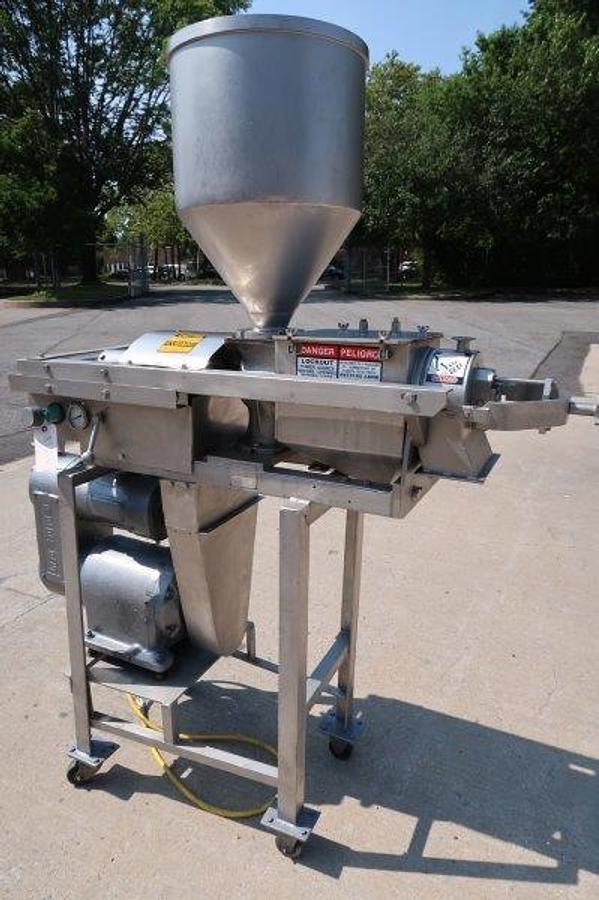
Brown International is a well-established manufacturer specializing in citrus processing machinery, with a product line built around high-volume commercial and industrial applications. Their equipment includes juice extractors, screw juice finishers, pasteurizers, and related processing machinery used primarily in orange juice and citrus production. The Brown International 3600 Screw Juice Finisher is one example of the kind of heavy-duty, production-grade equipment the company is known for. These machines are designed for large-scale operations rather than small or artisanal producers, and they are widely used by citrus growers and juice processors across Florida, California, and other major citrus-producing regions.
Brown International has built a long-standing reputation in the fruit processing industry, and their equipment is generally associated with high throughput capacity and durable construction suited to continuous production environments. Processors looking to maximize yield from citrus fruit often seek out Brown International machinery specifically because of the efficiency these machines bring to extraction and finishing operations. Because of the brand's history in the industry, used Brown International equipment remains in demand on the secondary market, where buyers can find machines that have been decommissioned from commercial facilities and are available for resale.
What is a screw juice finisher and what is it used for in citrus processing?
A screw juice finisher is a piece of processing equipment used to separate juice from pulp, seeds, and peel material after the initial extraction stage in citrus production. The machine uses a rotating screw or auger mechanism to press and strain the juice through a screen, removing solids and producing a cleaner, finished juice product. In commercial citrus operations, finishers are a critical step in the production line because they directly affect the clarity, texture, and yield of the final juice. The Brown International 3600 Screw Juice Finisher is a well-known example of this type of equipment, designed for high-volume throughput in industrial settings.
Finishers are typically positioned downstream from juice extractors in a processing line. The level of fineness in the finished juice can often be adjusted by changing screen sizes or adjusting machine settings, which gives processors control over pulp content. For large citrus operations processing significant volumes of fruit daily, a reliable, high-capacity finisher like those produced by Brown International is essential to maintaining production efficiency and consistent product quality. Used screw juice finishers from established manufacturers are frequently sought on the secondary market by processors looking to expand capacity or replace aging equipment without the cost of purchasing unused machinery.
What should buyers know about purchasing used Brown International equipment?
Buying used Brown International citrus processing equipment requires careful due diligence, particularly around the condition and operational history of the machine. Because these are used machines, they are typically sold as-is, which means the responsibility for evaluating condition falls on the buyer. Reputable used equipment dealers will generally offer inspection options, either in person, through video calls, or via detailed video captures of the machine, so buyers can assess the current working order before committing to a purchase. Buyers should ask specifically about the machine's production history, how long it was in service, and whether it was decommissioned or is still running at a facility.
It is also worth contacting Brown International directly to understand what level of manufacturer support is available for the specific model and age of equipment being considered. Parts availability and technical support can vary depending on how old the machine is, and getting that information upfront helps buyers plan for ongoing maintenance. Selecting a used equipment dealer with a strong track record in the food processing or citrus industry adds an important layer of confidence to the transaction, since specialized dealers are more likely to accurately represent the condition and capabilities of the machinery they sell.
How do buyers typically inspect used citrus processing equipment before purchasing?
Inspections of used industrial food processing equipment generally take one of three forms: in-person visits to the dealer's facility or the plant where the equipment is located, live video calls where a dealer representative walks through the machine with the buyer, or pre-recorded video documentation of the equipment. Each approach has its advantages depending on the buyer's location and the circumstances of the sale. Some machines are still installed and running at a production facility when they are listed for sale, which can allow for a more thorough inspection of the equipment in its working environment. In those cases, the dealer coordinates access between the buyer and the facility owner.
It is important to understand that most used equipment dealers do not have the permitting or production infrastructure to run actual product through a machine during an inspection. What buyers can typically evaluate is the mechanical condition, visible wear, integrity of screens and components, and general cleanliness of the equipment. For complex machinery like a screw juice finisher or juice extractor, buyers may want to involve a qualified technician or engineer in the inspection process to assess components that are not easily evaluated visually. Getting as thorough a picture as possible of the machine's condition before purchase is the most effective way to protect the buyer's investment.
What is the typical price range for used Brown International citrus processing equipment?
Pricing for used Brown International equipment varies considerably depending on the model, age, condition, and configuration of the machine. Smaller or older units may be available at lower price points, while larger, higher-capacity machines such as industrial-grade screw juice finishers or complete processing line components can command significantly higher prices. The market for used citrus processing equipment is relatively specialized, so prices are often negotiated based on the specific machine's throughput capacity, the availability of replacement parts for that model, and current demand from processors in the market.
Buyers should also factor in costs beyond the listed price of the equipment. Shipping, rigging, crating, and any refurbishment or parts replacement needed after purchase can add meaningfully to the total cost of ownership. Requesting a full landed cost estimate from the dealer before finalizing a purchase helps avoid surprises. For buyers comparing used equipment options, it is useful to weigh the purchase price against the cost of sourcing comparable capacity through other means, since Brown International machinery is recognized in the industry for its durability and performance in high-volume citrus applications.
How does shipping work for large used citrus processing equipment?
Shipping heavy industrial food processing equipment requires more planning than typical freight shipments. Machines need to be properly packaged to prevent damage in transit, and the level of packaging required, whether palletization, crating, or custom packaging, will affect the overall shipping cost. Buyers should ask the dealer specifically about how the equipment will be prepared for transport and what those preparation costs include. For larger or heavier machines, specialized rigging equipment is often needed to safely load and unload the machinery, and rigging services carry their own costs that should be accounted for in the buyer's budget.
The total landed cost of used equipment includes the purchase price plus all shipping, packaging, rigging, and any applicable freight charges. For buyers located far from the seller, freight costs on heavy industrial machinery can be substantial, particularly if the equipment requires a flatbed or specialized carrier. Asking the dealer for a detailed breakdown of all costs associated with getting the machine to its destination is a straightforward way to understand the true investment before committing to a purchase. Some dealers have established relationships with freight and rigging companies and can assist in coordinating logistics.
What are the payment terms for purchasing used industrial equipment?
Most used equipment dealers require full payment prior to shipping the machinery. This is standard practice in the industry and reflects the nature of the transaction, since used equipment is typically sold as-is and dealers need to confirm funds before releasing and preparing a machine for transport. Buyers who are working with a dealer for the first time should expect to pay in full upfront. In some cases, dealers may offer payment terms or extended arrangements to established repeat customers with whom they have an existing business relationship, but this is not the norm for first-time transactions.
Buyers should confirm the accepted payment methods with the dealer early in the process, as wire transfers are common for large equipment purchases. It is also worth clarifying the timeline between payment and shipment, including how long packaging and rigging preparation will take before the machine is ready to leave the facility. Having a clear understanding of the payment and shipping schedule helps buyers plan for installation and any production downtime associated with integrating the equipment into their facility.
How do buyers find replacement parts for used Brown International machinery?
Sourcing replacement parts for used Brown International equipment depends largely on the age and model of the machine. For more recent models, contacting Brown International directly is the most reliable starting point, as the manufacturer may still carry or be able to source components for equipment produced within a certain timeframe. For older machines, parts availability can be more limited, and buyers may need to work with third-party suppliers, machine shops capable of fabricating worn components, or other used equipment sources where parts machines are available. This is one of the reasons buyers are advised to consult with the manufacturer before purchasing a used machine, to get a realistic picture of what support and parts supply they can expect.
Dealers who specialize in citrus or food processing equipment are often a useful resource for parts questions, since they may have accumulated spare components over time or have contacts within the industry who can help source hard-to-find parts. Buyers should factor parts availability into their purchasing decision, particularly for critical wear components like screens, seals, and drive components that will need periodic replacement during normal operation. Understanding the parts landscape for a specific model before purchase is a practical step that can prevent costly production delays down the road.
What industries and applications commonly use Brown International equipment?
Brown International equipment is primarily associated with the commercial citrus processing industry, where their machines are used in the production of orange juice, grapefruit juice, lemon juice, and other citrus-based products. Large citrus growers, juice manufacturers, and beverage processors in major citrus-producing states like Florida and California have historically been the core users of Brown International machinery. The equipment is built for industrial-scale production, making it most relevant to operations processing significant volumes of fruit on a continuous or high-frequency basis.
Beyond straight juice production, Brown International finishers and extractors are used in operations that produce juice concentrate, pulp products, and other citrus derivatives for the food and beverage industry. The durability and throughput capacity of their equipment makes it a practical choice for processors who need consistent performance over long production runs. Used Brown International machines are sometimes acquired by smaller regional processors looking to scale up their operations, or by facilities entering the citrus processing market who want proven equipment at a lower cost than purchasing unused machinery.
What should buyers consider when evaluating a used screw juice finisher?
Evaluating a used screw juice finisher involves looking at several mechanical and operational factors that affect both the machine's current condition and its long-term usefulness. The condition of the screens is one of the most important things to assess, since screens are a wear component that directly affects juice quality and yield. Buyers should also examine the screw or auger for wear, check the condition of seals and bearings, and look at the overall structural integrity of the machine's frame and housing. Any visible corrosion, damage to food-contact surfaces, or signs of deferred maintenance are worth noting and factoring into the purchase decision.
Beyond the physical condition of the machine, buyers should consider the throughput capacity relative to their production needs, the screen sizes available or included with the machine, and whether the electrical configuration is compatible with their facility. For machines that have been in storage rather than active production, it is worth asking how long the equipment has been idle and what steps have been taken to preserve it. A thorough inspection, whether in person or through detailed video documentation provided by the dealer, is the most reliable way to assess whether a used finisher is a sound investment for a specific production application.