Category
Manufacturer
Model
Brown
Brown Manufacturing Group is known for its high-tech equipment for printing and graphics industries, producing screen printing machines and drying systems that cater to diverse needs. Their innovative technology enhances the quality and efficiency of printing processes, supporting businesses from apparel decoration to industrial graphic applications. Brown’s commitment to advancing print technology ensures that clients achieve superior, consistent outputs.
FAQ:
What types of screen printing equipment does Brown Manufacturing produce?
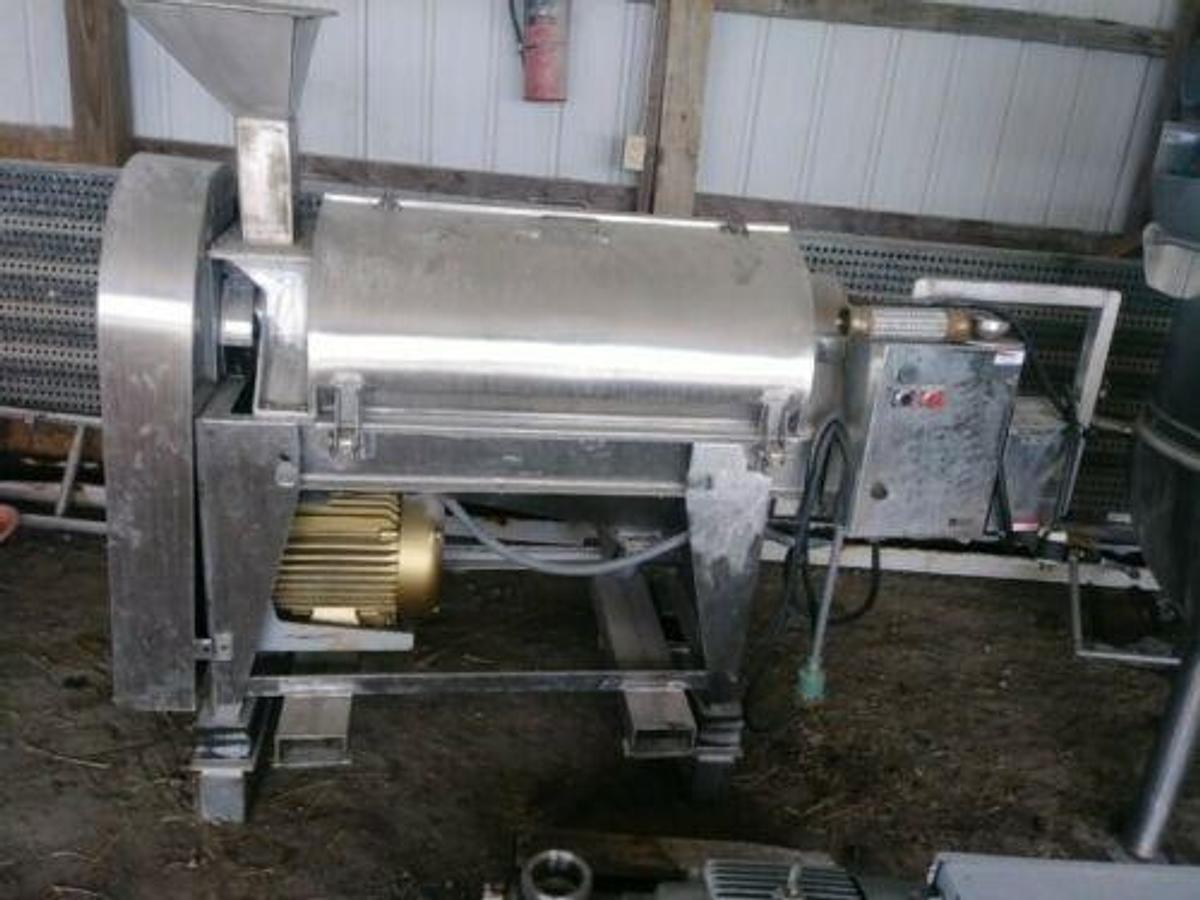
Brown Manufacturing Group has built a strong reputation in the printing and graphics industries by producing screen printing machines and drying systems designed to handle a wide range of production demands. Their equipment lineup covers everything from screen printing presses to finishing systems, with the Brown 202 Finisher being one example of the industrial-grade machinery they are known for. The company's focus has always been on high-tech solutions that improve both the quality and efficiency of the printing process, making their machines a common choice for apparel decoration shops, commercial printers, and industrial graphic operations.
Across their product range, Brown equipment is built with sturdy steel construction and precise registration systems, which matter a great deal when running multi-color jobs where alignment has to be consistent from piece to piece. Their machines are used to print on textiles, garments, posters, promotional items, and a variety of industrial materials. Because Brown has developed equipment to serve such a broad set of applications, buyers in the used equipment market tend to find their machines across multiple categories, from entry-level presses to large-format industrial systems.
What is the difference between manual and automatic Brown screen printing presses?
Manual Brown screen printing presses require an operator to physically pull the squeegee across the screen and rotate the platen carousel by hand between each print cycle. These machines are well suited for smaller shops, short runs, or operations where flexibility and low overhead matter more than raw output speed. They tend to have a lower purchase price on the used market and are generally simpler to maintain, which makes them an accessible starting point for shops that are scaling up their capabilities without committing to a fully automated line.
Automatic Brown screen printing presses handle the squeegee stroke and platen indexing mechanically, which dramatically increases output per hour and reduces the physical demands on operators. Semi-automatic configurations fall in between, typically automating the print stroke while still requiring manual indexing. For high-volume production environments, automatic machines are the practical choice because they deliver consistent pressure and speed across thousands of impressions without operator fatigue affecting print quality. When buying a used automatic press, it is worth asking the dealer for a detailed inspection or video of the machine running through a full cycle so you can assess the mechanical condition of the drive system, registration locks, and flood bar before committing to a purchase.
What should buyers know about purchasing used Brown screen printing equipment?
Buying used Brown screen printing equipment can be a cost-effective way to access professional-grade machinery, but the process requires more due diligence than purchasing from a manufacturer. Used machines are sold as-is, meaning the condition of the equipment at the time of sale is what the buyer receives. There are no manufacturer warranties attached to used sales, so the responsibility for evaluating the machine's condition falls entirely on the buyer. Selecting a dealer with a long track record of selling screen printing equipment specifically is one of the most important steps a buyer can take to reduce risk.
Before finalizing any purchase, buyers should request an in-person inspection, a live video walkthrough, or detailed video footage of the machine operating. Some equipment may still be in active production at a facility, which can allow for a more thorough evaluation of its working condition. It is also worth contacting Brown Manufacturing directly to ask about parts availability and technical support for the specific model and age of machine being considered, since older models may have limited support resources. Understanding these factors upfront gives buyers a much clearer picture of the true cost and usability of the equipment.
What is the typical price range for used Brown screen printing equipment?
Pricing for used Brown screen printing equipment varies considerably depending on the machine type, age, configuration, and overall condition. Entry-level manual presses on the used market can be found for a few hundred to a few thousand dollars, while mid-range semi-automatic machines typically fall somewhere in the low-to-mid five figures. Industrial-grade automatic presses and finishing systems, like the Brown 202 Finisher, can reach into the tens of thousands of dollars depending on their specifications and how recently they were last serviced.
Beyond the purchase price, buyers should factor in the full landed cost of the equipment. Shipping, rigging, crating, and any freight surcharges for heavy machinery can add meaningfully to the total. Larger machines often require specialized rigging equipment for loading and unloading, which is an additional expense that dealers can typically provide estimates for in advance. Getting a clear picture of all costs before agreeing to a purchase helps avoid surprises and makes it easier to compare options across different listings.
How does Brown screen printing equipment support multi-color printing?
Multi-color screen printing requires precise registration, meaning each color must be printed in exactly the right position relative to the others so the final image aligns correctly. Brown presses are known for incorporating registration systems that lock platens and screens into repeatable positions, which is critical when a job requires four, six, eight, or more colors. Without reliable registration, even minor shifts between passes produce visible misalignment in the finished print, which wastes materials and increases rejection rates.
On automatic Brown presses, the mechanical consistency of the indexing system also plays a major role in multi-color quality. Because the machine moves platens through each station at the same speed and with the same pressure every cycle, the variables that cause color drift on manual presses are largely eliminated. For shops doing high-volume multi-color work on apparel or industrial graphics, this consistency is one of the primary reasons Brown equipment has remained a valued option on the used market. Buyers evaluating a used multi-color press should pay particular attention to the condition of the registration micro-adjustments and platen lock mechanisms during any inspection.
What industries and applications use Brown screen printing equipment?
Brown Manufacturing Group designed its equipment to serve a wide range of printing applications, and that versatility is reflected in the industries where their machines show up. Apparel decoration is one of the most common uses, covering everything from custom t-shirts and athletic wear to workwear and promotional garments. Screen printing on textiles requires equipment that can handle varying substrate thicknesses and ink viscosities, and Brown machines are built to accommodate that range.
Beyond apparel, Brown equipment is used in industrial graphic applications, which can include printing on rigid substrates, signage, packaging components, and specialty materials. Poster and promotional item printing also falls within the scope of what these machines handle well. The drying systems Brown produces, like their finisher models, are integral to any production line because ink must be cured properly to achieve durability and wash resistance. Shops that do high-volume production across multiple substrate types tend to find Brown's combination of press and finishing equipment particularly well suited to their workflow.
What maintenance does used Brown screen printing equipment typically require?
Screen printing presses, including Brown models, require regular maintenance to stay in production-ready condition. On the mechanical side, this includes lubricating moving parts such as the carousel bearings, platen arms, and drive components on automatic machines. Registration mechanisms need periodic inspection and adjustment to ensure they hold their position accurately over time. Squeegee and flood bar assemblies should be checked for wear, and any pneumatic components on automatic presses need to be monitored for leaks or pressure inconsistencies that could affect print quality.
For drying and finishing equipment like the Brown 202 Finisher, maintenance typically involves inspecting the heating elements, conveyor belt, and temperature control systems. Belts can stretch or develop uneven wear, and heating elements have a service life that depends heavily on how many hours the machine has run. When purchasing used finishing equipment, it is worth asking the dealer about the machine's run history and whether any heating or conveyor components have been replaced recently. Buyers who plan to put a used machine back into production quickly should budget for a thorough mechanical inspection and any necessary servicing before the first production run.
How should buyers evaluate the condition of a used Brown screen printing machine before purchasing?
The most reliable way to evaluate a used screen printing machine is through a direct inspection, either in person or via a live video session with the dealer. During the inspection, buyers should look at the overall condition of the frame and platens for signs of warping, cracking, or damage from impact. Registration mechanisms deserve close attention since worn or loose micro-adjusters are a common issue on heavily used presses and can be expensive to repair or replace. On automatic machines, observing a full print cycle gives a clear view of how smoothly the indexing system operates and whether there are any hesitations or mechanical irregularities.
Buyers should also ask the dealer specific questions about the machine's history, including how many years it was in production, what substrates it was used to print on, and whether any major components have been repaired or replaced. Some dealers specialize in screen printing equipment and can provide more detailed condition assessments than general machinery sellers. It is also advisable to check with Brown Manufacturing about parts availability for the specific model, since older machines may have components that are difficult to source. Going into a purchase with that information helps buyers make a realistic assessment of the machine's long-term value.
What are the shipping and logistics considerations when buying used Brown screen printing equipment?
Screen printing presses and finishing equipment are heavy, often awkwardly shaped machines that require careful handling during transport. Packaging standards matter significantly because damage in transit on a large press can be costly to repair and may render the machine unusable. Buyers should ask dealers specifically about how the equipment will be palletized or crated before shipping, and what measures are taken to protect sensitive components like registration systems, platens, and control panels. The level of packaging required will affect the total shipping cost, and those details should be confirmed before finalizing a purchase.
Larger Brown machines, particularly industrial automatic presses and finishing systems, may require specialized rigging for loading at the origin and unloading at the destination. Rigging services involve cranes or forklifts capable of handling the machine's weight safely, and these are typically an added cost on top of freight charges. Buyers should request a full breakdown of shipping, rigging, and crating costs from the dealer so they understand the complete landed cost of the equipment. Failing to account for these expenses upfront is one of the most common ways buyers underestimate the total investment in a used machine purchase.
What payment terms do used screen printing equipment dealers typically offer?
Most used equipment dealers require full payment before a machine is released for shipping. This is standard practice in the industry and reflects the fact that used machinery transactions do not carry the same buyer protections as retail purchases. For buyers, this means having financing or funds in place before the purchase is agreed upon. Some dealers may offer payment terms or installment arrangements to repeat customers with whom they have an established relationship, but this is not a standard expectation for first-time buyers.
Buyers who need financing for larger purchases should explore equipment financing options through third-party lenders that specialize in machinery loans before approaching a dealer. Having financing pre-arranged puts buyers in a stronger position to move quickly on equipment that is in demand, since well-priced used Brown presses and finishing systems can sell quickly. It is also worth asking the dealer directly about their accepted payment methods and whether any flexibility exists on timing, particularly for large transactions where wire transfers or other arrangements may take a few business days to process.