Category
Manufacturer
Model
Bradford
Bradford Equipment is recognized for its supply of foundry, welding, and processing equipment, serving industries such as manufacturing and metalworking. The company’s product range includes sand mixers, grinders, and dust collection systems that facilitate seamless industrial operations. Bradford is committed to delivering equipment that upholds quality and safety standards, essential for complex processing environments.
FAQ:
What types of used industrial equipment does Bradford manufacture?
Bradford is recognized across foundry, welding, and processing industries for a product range that covers sand mixers, grinders, dust collection systems, and industrial valves. The company has historically served manufacturing and metalworking environments where precision and durability are non-negotiable. Their equipment is designed to handle complex processing conditions, which is why it remains in demand on the secondary market long after initial deployment.
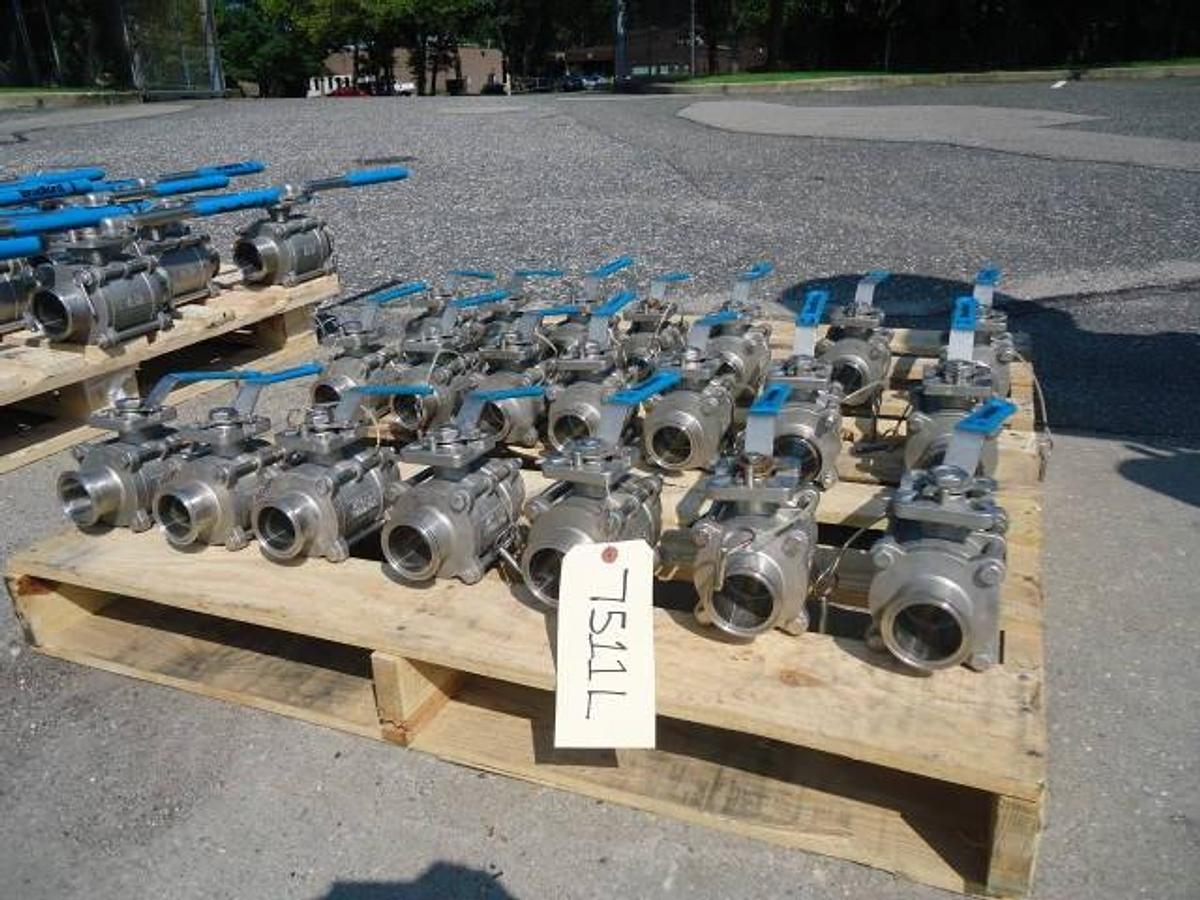
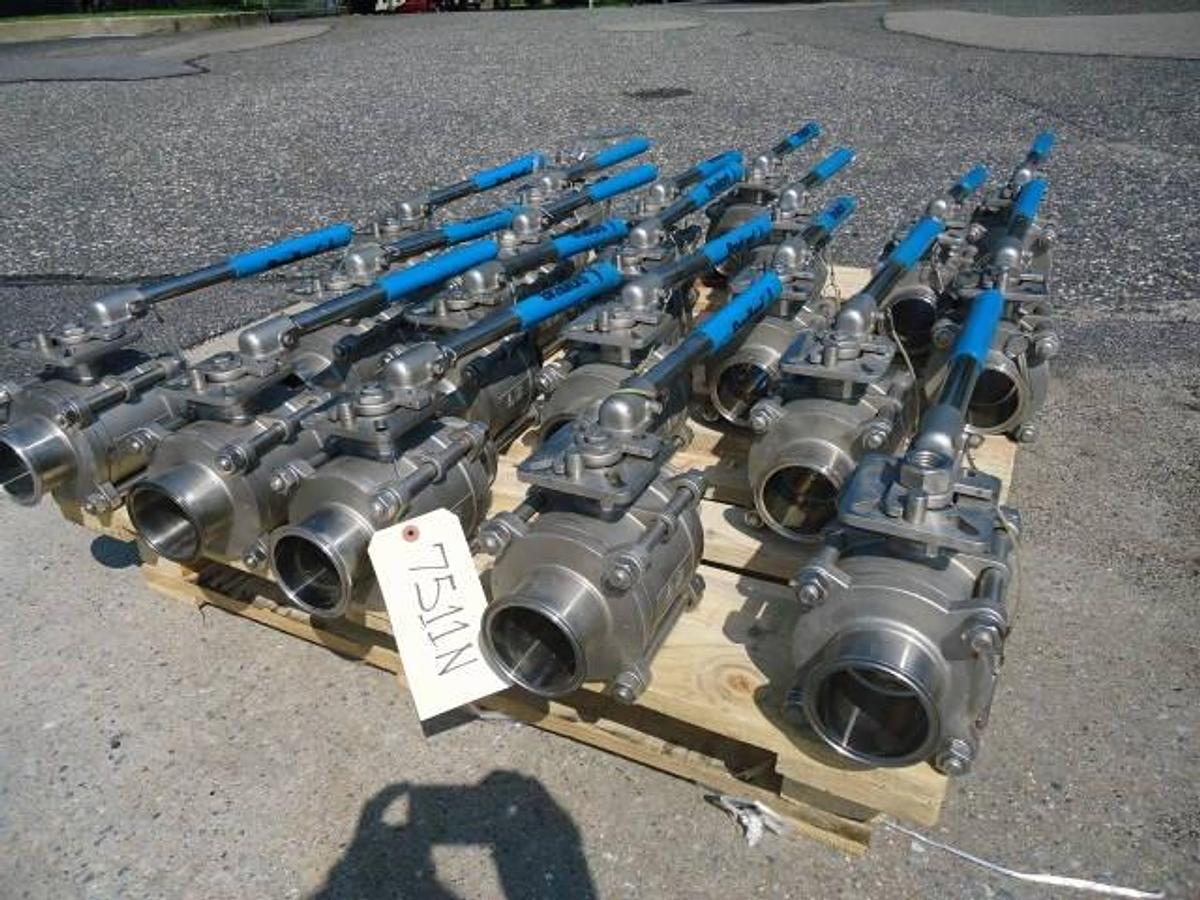
On the used market, Bradford equipment appears in a variety of configurations, including stainless steel ball valves in multiple diameter sizes, mixing and grinding machinery, and dust collection units suited for foundry environments. Buyers sourcing used Bradford equipment should clarify the specific model, size, and configuration with the dealer, as specifications can vary considerably across production runs and years of manufacture.
What should I know before buying used foundry or metalworking equipment?
Buying used foundry and metalworking equipment requires more due diligence than purchasing standard shop tools. These machines operate under demanding conditions, which means wear patterns, maintenance history, and the environment in which the machine was used all affect its remaining service life. Before committing to a purchase, buyers should research the specific model's known wear points, typical service intervals, and whether replacement parts are still being produced by the manufacturer.
It is also worth contacting the manufacturer directly to ask about parts availability and technical support for the model you are considering. Older machines or discontinued models may have limited manufacturer support, which shifts more responsibility onto the buyer to source parts independently. A reputable used equipment dealer with experience in the foundry and metalworking sector will be able to provide documentation, photos, and inspection access to help you assess the machine's actual condition before any money changes hands.
Can I inspect used industrial equipment in person before purchasing?
Reputable used industrial equipment dealers typically offer multiple inspection options, including in-person visits, live video walkthroughs, and recorded video documentation of the machine. The goal of any inspection is to get an accurate picture of the equipment's current condition, including visible wear, structural integrity, and any obvious signs of damage or prior repairs. For high-value machinery, an in-person inspection is strongly recommended.
Some equipment may still be installed and running at a production facility, in which case the dealer can often arrange access between the buyer and the current owner for a plant-floor inspection. Keep in mind that most used equipment dealers do not have the permits or infrastructure to run full production tests, so functional testing of actual output may not be possible. Buyers should use the inspection to examine the machine physically, review any available maintenance logs, and ask detailed questions about the machine's operating history before finalizing the purchase.
Do used industrial equipment dealers offer warranties on machines like Bradford equipment?
Warranties on used industrial equipment work very differently from what buyers might expect with a factory purchase. Manufacturer warranties are generally tied to the first sale of the machine and do not transfer to subsequent owners. Used equipment dealers typically sell machinery on an as-is basis, meaning the buyer accepts the machine in its current condition and assumes responsibility for any repairs or issues that arise after the sale.
This is precisely why inspection, documentation, and dealer reputation matter so much in the used equipment market. Buyers should prioritize dealers with a long track record in the specific industry, whether that is foundry, metalworking, or general industrial processing. A dealer who specializes in the category of equipment you are buying will generally provide more accurate condition assessments and be more forthcoming about known issues than a generalist reseller. Consulting the manufacturer about expected service life and parts availability for the specific model adds another layer of protection before committing to a purchase.
How do I evaluate the condition of used sand mixers or grinders before buying?
Sand mixers and grinders used in foundry environments accumulate wear in predictable places: mixing blades, liner plates, drive components, and sealing surfaces are the areas that typically show the most stress. When evaluating a used machine, buyers should ask for close-up photos or video of these specific components, along with any available maintenance records that document when parts were last replaced. Hour meters or cycle counters, if present, provide useful context but should be treated as one data point rather than a definitive condition indicator.
If an in-person or video inspection is arranged, pay close attention to signs of improvised repairs, cracking around structural welds, or corrosion in areas that should be protected. Ask the dealer directly whether the machine was decommissioned or still in active use at the time of acquisition, since machines pulled from active production often have more reliable condition histories than those that sat idle for extended periods. Cross-referencing the machine's apparent condition with the manufacturer's published service intervals for that model gives buyers a reasonable baseline for estimating remaining useful life.
How does shipping and delivery work for large used industrial equipment?
Shipping large industrial machinery involves significantly more planning than standard freight. Equipment needs to be properly secured, palletized, or crated based on its size, weight, and fragility, and the level of packaging required directly affects shipping costs. Buyers should ask the dealer for a detailed breakdown of palletization or crating requirements before agreeing to a purchase, since these costs can vary widely depending on the machine.
For heavier equipment, specialized rigging is required for both loading at the origin and unloading at the destination. Rigging costs are typically separate from freight charges and should be factored into the total landed cost of the machine. Buyers who do not have rigging equipment or experienced personnel on-site at delivery should arrange for a local rigging contractor in advance. Getting a full picture of packaging, rigging, freight, and any applicable fuel surcharges before finalizing the deal prevents unexpected costs from eroding the value of buying used.
What payment terms should I expect when purchasing used industrial equipment?
The standard practice in the used industrial equipment market is full payment prior to shipment. This applies to most transactions regardless of the machine's value, and buyers should plan their purchasing process accordingly. Some dealers extend payment terms to established customers with a documented purchase history, but this is the exception rather than the rule, particularly for first-time buyers.
Buyers should clarify payment expectations early in the negotiation process, including acceptable payment methods, any deposit requirements to hold a machine, and the timeline between payment confirmation and shipping. For large purchases, it is reasonable to ask about the dealer's process for confirming payment receipt and providing shipping documentation. Understanding the full payment and shipping timeline upfront helps buyers coordinate receiving logistics on their end and avoids delays once the transaction is complete.
Why is dealer specialization important when buying used Bradford foundry or processing equipment?
A dealer who focuses specifically on foundry, welding, and processing equipment will have a fundamentally different level of knowledge than a general surplus reseller. Specialized dealers understand the typical failure points of sand mixers, dust collectors, and industrial grinders, and they are better positioned to give buyers an honest assessment of a machine's condition and remaining service life. They are also more likely to have relationships with manufacturers and parts suppliers that can benefit buyers during the due diligence process.
Dealer specialization also matters for accurate pricing. A generalist reseller may price equipment based on superficial factors, while a specialist can assess value based on model-specific demand, parts availability, and actual operating condition. When evaluating a dealer, look for a track record measured in years or decades within the specific industry, not just a broad inventory of miscellaneous machinery. Buyers who take the time to vet their dealer carefully are far less likely to encounter surprises after the sale.
How do I find out if parts and manufacturer support are still available for a used Bradford machine?
The best starting point is a direct inquiry to Bradford or the relevant manufacturer. Most manufacturers maintain records of which models are still supported, what parts remain in production, and whether technical documentation is available for older equipment. This call is worth making before finalizing any purchase, because the answer can significantly affect the long-term cost of ownership. A machine with no available replacement parts for a critical component may be inexpensive to acquire but expensive to keep running.
Beyond the manufacturer, specialized dealers and industry forums for foundry and metalworking professionals can be useful sources of information about parts sourcing for specific models. Third-party machining shops can sometimes fabricate replacement components for older machines, though this adds cost and lead time. Buyers should factor all of this into their evaluation, particularly for equipment that is more than 15 to 20 years old, where manufacturer support is more likely to be limited or discontinued entirely.
What are the advantages of buying used industrial equipment compared to purchasing new machinery?
The most immediate advantage is cost. Used industrial equipment typically sells at a fraction of the price of a comparable machine purchased directly from a manufacturer, which makes it possible for smaller operations to access equipment that would otherwise be out of budget. For well-maintained machines from reputable manufacturers like Bradford, the performance gap between used and new is often minimal, particularly for foundry and processing applications where the equipment design has not changed significantly over the years.
Buying used also means shorter lead times. Industrial machinery purchased through normal channels can have lead times measured in months, while used equipment is generally available for immediate purchase and shipment. This matters significantly for operations dealing with unexpected equipment failure or a sudden increase in production capacity. The trade-off is that buyers take on more responsibility for verifying condition and sourcing any needed repairs, which is why working with a knowledgeable, specialized dealer and conducting a thorough inspection before purchase is so important.