Category
Manufacturer
Model
Bivans
Bivans delivers specialized equipment for the packaging sector, with an emphasis on cartoning and wrapping solutions. Their product line includes cartoners, case packers, and flow wrappers that service a broad range of markets, particularly in pharmaceuticals and consumer goods. Bivans is dedicated to providing flexible and reliable packaging machinery that enhances operational effectiveness and packaging quality.
FAQ:
What types of packaging equipment does Bivans manufacture?
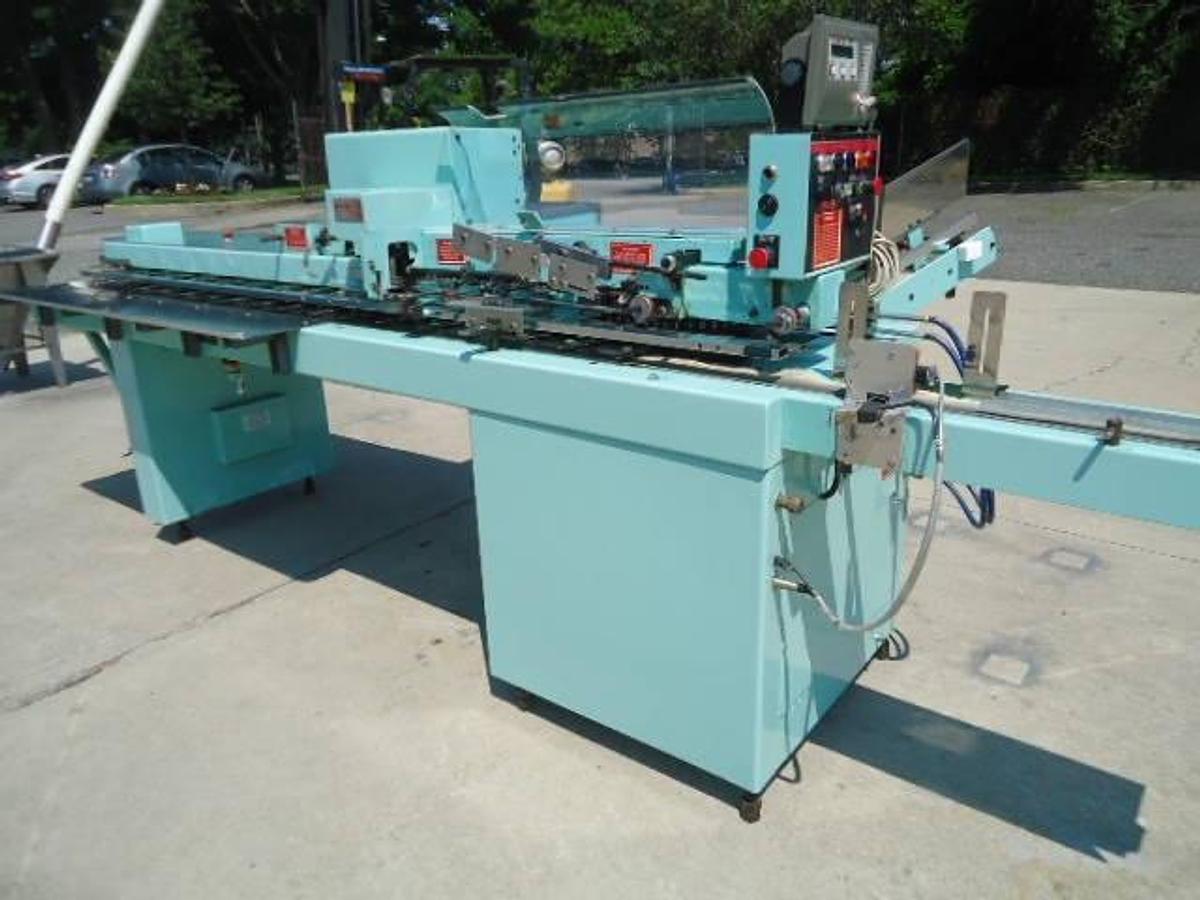
Bivans specializes in cartoning and wrapping solutions for the packaging industry. Their product line includes cartoners, case packers, and flow wrappers, with specific models such as the Vertuck 74 Automatic Cartoner with Leaflet Inserter, the Model 82 Carton Closer, the Tuck-O-Mat 50 Cartoner, and the Convey-O-Mat 54L Carton Set-Up Machine. The Convey-O-Mat 54L, for example, runs at up to 60 cartons per minute, giving a sense of the throughput these machines are designed to handle in production environments.
Bivans equipment is built around flexibility and reliability, making it a practical choice for operations that need consistent packaging quality across varying product formats. Their cartoning machines in particular have found long-term use in pharmaceutical and consumer goods production, where precise, repeatable carton forming and closing is critical to line efficiency and product presentation.
What industries commonly use Bivans packaging equipment?
Bivans packaging machinery has a strong presence in the pharmaceutical and consumer goods sectors. The precision required for pharmaceutical cartoning, including leaflet insertion and tamper-evident carton closing, makes Bivans cartoners well-suited to that industry's strict packaging standards. Consumer goods manufacturers also rely on Bivans equipment for high-volume carton setup, filling, and closing operations across a wide range of product sizes.
Beyond pharmaceuticals and consumer goods, Bivans machines have been used in food, beverage, and personal care production environments. The durability and long operational lifespan of these machines means they often remain in service for many years, which is one reason they continue to appear on the secondary market. Buyers from a variety of industries seek out used Bivans equipment because the machines hold up well over time and can often be integrated into existing packaging lines with relatively straightforward modifications.
What should I look for when buying used Bivans packaging equipment?
Condition assessment is the most important step when purchasing any used packaging machine. For Bivans equipment specifically, buyers should request detailed photos or video of the machine in its current state, paying close attention to mechanical components like drive systems, cam followers, and carton guides, all of which experience wear in high-cycle cartoning operations. If the machine is still installed at a production facility, arranging an in-person or virtual inspection through the dealer is strongly advisable. Keep in mind that most used equipment dealers do not have the permitting or setup required to run actual product through a machine, so inspections typically focus on mechanical condition and function rather than a full production test.
Buyers should also verify that the machine's speed and carton size range are compatible with their existing line requirements before committing to a purchase. Technical documentation and operator manuals can be harder to source for older Bivans models, so confirming whether documentation is available, either through the dealer or directly from the manufacturer, is a key step. Consulting with Bivans directly about parts availability and support for a specific model and age of machine is also worth doing before finalizing any purchase decision.
Are used Bivans packaging machines suitable for small businesses, or are they designed for large-scale operations only?
Bivans makes equipment across a range of output capacities, so used models can be a practical fit for smaller operations depending on the specific machine. A portable unit like the Tuck-O-Mat 50 Cartoner, for example, offers more flexibility for facilities with limited floor space or lower production volumes than a fixed, high-speed line would require. Smaller businesses that cannot justify the capital cost of purchasing new packaging equipment often find that well-maintained used Bivans machines offer a cost-effective path to professional-grade cartoning capability.
That said, buyers from smaller operations should be realistic about the infrastructure requirements. Bivans cartoners and case packers are industrial machines that require adequate electrical supply, floor space, and in some cases compressed air. Before purchasing, it is worth mapping out the machine's footprint, utility requirements, and any upstream or downstream equipment needed to complete the packaging line. A used equipment dealer with experience in packaging machinery can help match a specific Bivans model to the scale and layout of a given facility.
What is the typical price range for used Bivans packaging equipment?
Pricing for used Bivans packaging equipment varies considerably based on the model, age, condition, and included accessories. Simpler machines such as carton set-up units or basic carton closers tend to be priced lower than fully automated cartoners with integrated leaflet inserters or high-speed case packers. In the secondary market, used cartoning equipment from established manufacturers like Bivans can range from a few thousand dollars for older or simpler models to tens of thousands of dollars for more complex, well-maintained machines.
Beyond the purchase price, buyers should factor in additional costs that affect the total landed price of the equipment. Shipping, rigging, and crating charges can add meaningfully to the overall cost, particularly for heavier machines that require specialized loading and unloading equipment. Any refurbishment, spare parts procurement, or installation work will also contribute to the final cost of getting the machine into production. Requesting a full breakdown of these costs from the dealer upfront helps avoid surprises and allows for a more accurate comparison between available machines.
Do used Bivans machines come with a warranty?
Warranties on packaging equipment are typically provided by the original manufacturer and apply to machines purchased through authorized channels. Used equipment dealers generally sell machines on an as-is basis, meaning no warranty is extended by the dealer. This is standard practice across the used industrial machinery market and places the responsibility for evaluating condition squarely on the buyer prior to purchase.
Because of this, selecting a reputable used equipment dealer with a long track record in packaging machinery is especially important. Buyers should take full advantage of any inspection opportunities offered, whether in person, via video, or through detailed photo documentation. It is also worth contacting Bivans directly before purchasing to understand what level of manufacturer support, parts availability, and technical assistance can be expected for the specific model and age of machine under consideration. The age and model of a machine can significantly affect what support resources remain available.
Are replacement parts available for older Bivans packaging equipment?
Parts availability for used Bivans machines depends largely on the model and how long ago it was manufactured. For machines that have been in widespread use across the pharmaceutical and consumer goods industries, some common wear components like belts, bearings, and cam followers may be sourceable through industrial parts distributors even when the manufacturer no longer stocks them directly. However, more model-specific components, such as proprietary carton guides or custom cam assemblies, can be harder to locate for older machines.
Before purchasing a used Bivans machine, it is a good practice to contact Bivans directly and ask about parts support for that specific model. This conversation will quickly reveal whether the manufacturer still carries the parts needed for routine maintenance and repairs, or whether buyers would need to rely on third-party machining or salvage from other used units. Some buyers also keep a second machine of the same model as a parts source, which is a common strategy in facilities running older packaging lines. Understanding the parts situation upfront is one of the more important due diligence steps in any used packaging equipment purchase.
How difficult is it to install and set up used Bivans packaging equipment?
Installation complexity for Bivans cartoners and related equipment depends on the specific model, the condition of the machine, and the existing infrastructure at the receiving facility. Most Bivans cartoning machines are designed for industrial production environments and require proper electrical connections, adequate floor anchoring, and in some cases integration with conveyor systems or upstream filling equipment. Facilities that already run similar packaging lines will generally find the transition straightforward, while operations setting up a cartoning line for the first time may need additional technical support during commissioning.
Having access to the operator manual and any available technical documentation makes setup considerably easier. As noted, documentation can be harder to source for older Bivans models, so confirming its availability before purchase is worthwhile. Many used equipment dealers can point buyers toward resources or connect them with technicians experienced with the specific machine type. A qualified packaging machinery technician familiar with cartoning equipment can typically assess the machine's condition on arrival, handle mechanical adjustments, and get the unit running to spec more efficiently than a general maintenance team working without prior experience on that model.
What should buyers know about shipping and rigging costs for used Bivans packaging equipment?
Shipping costs for used packaging equipment like Bivans cartoners are not a flat rate and vary based on several factors, including the size and weight of the machine, the distance being shipped, and the level of packaging or crating required to protect the equipment in transit. Lighter or more compact machines may ship on standard pallets, while larger cartoners and case packers often require custom crating to prevent damage. The cost of that crating is typically passed on to the buyer and should be clarified before finalizing a purchase.
For heavier machines, specialized rigging equipment is needed for loading at the origin and unloading at the destination. This can include forklifts, cranes, or other heavy-lift equipment, and those services carry additional costs that vary by location and machine weight. Buyers should ask the dealer for a complete breakdown of packaging, rigging, freight, and any applicable fuel or accessorial charges so the full landed cost of the machine is understood before committing. Getting freight quotes from multiple carriers or rigging companies can also help buyers manage this portion of the total investment.
What are the payment terms typically used when purchasing used packaging equipment?
Used packaging equipment dealers generally require full payment before a machine ships. This is standard practice in the industry and applies to most transactions, particularly for first-time buyers working with a given dealer. The reasoning is straightforward: once a machine leaves the dealer's facility, the ability to verify its condition or recover it in a dispute becomes much more complicated, so payment in full prior to shipment protects both parties and keeps the transaction clean.
Some dealers extend payment terms to repeat customers with an established purchasing history, but this is at the dealer's discretion and not something buyers should count on for an initial transaction. Common payment methods include wire transfer and company check, though accepted methods vary by dealer. Buyers should confirm payment requirements early in the process, well before inspections are completed and a purchase decision is made, so there are no delays once both parties are ready to move forward.