Category
Manufacturer
Model
Biro
Biro Manufacturing thrives in the food processing industry, with a strong focus on equipment for meat processing applications. Known for their innovative meat saws, grinders, and slicers, Biro caters to butcher shops, grocery stores, and meat processing plants. Their machines are engineered for durability and hygiene, facilitating safe and efficient meat processing operations.
FAQ:
What types of Biro meat processing equipment are commonly available on the used market?
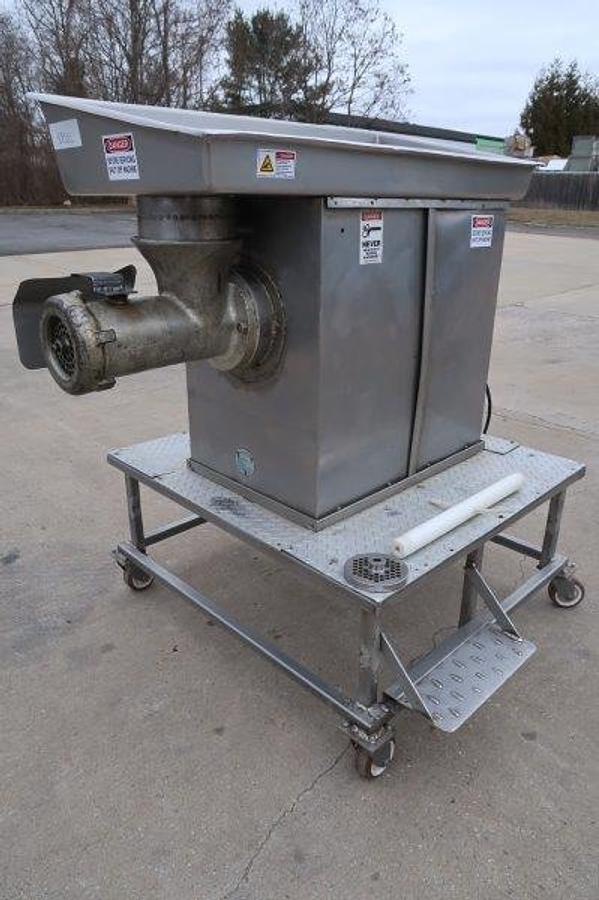
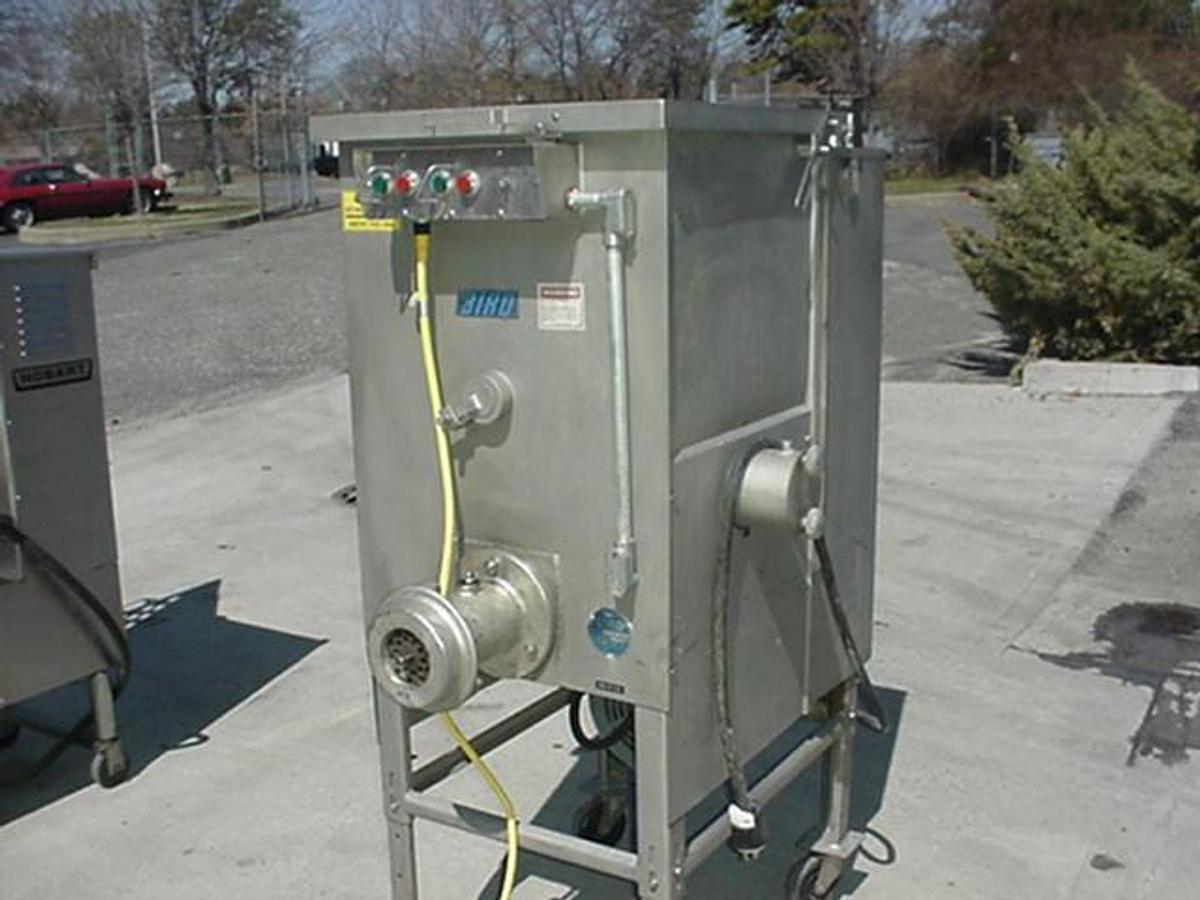
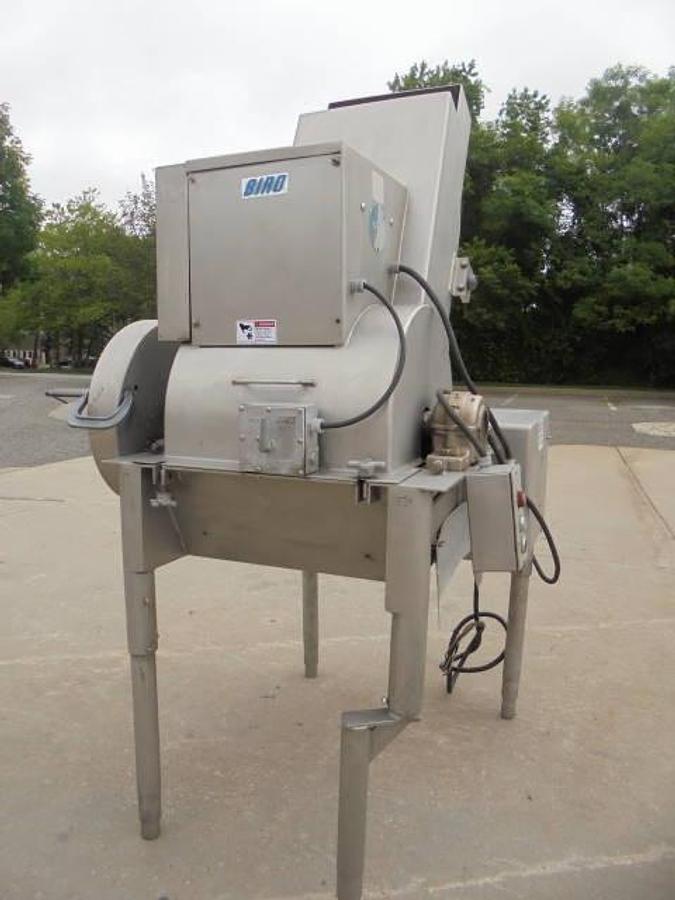
Biro Manufacturing has been producing meat processing equipment since 1921, and the brand's reputation for durability means a wide range of machines regularly appear on the used market. The most common types include meat band saws, grinders, slicers, tenderizers, and frozen block flakers. Specific models like the Biro 15 HP portable meat grinder, the APF-1520 frozen block flaker/chipper, and the AFMG-48 mixer-grinder are examples of the kind of equipment that surfaces through used machinery dealers. These machines were built for commercial production environments, so even older units often retain significant functional value.
Beyond grinders and saws, Biro also manufactured a variety of slicers and combination units suited to different production volumes. Butcher shops, grocery store meat departments, and mid-scale processing plants all used Biro equipment extensively over the decades, which means the secondary market tends to reflect that diversity. Buyers looking for a specific machine type or horsepower range will often find multiple Biro options available, since the brand's longevity in the industry created a large installed base of machines that eventually cycle through resale channels.
Is used Biro meat processing equipment suitable for small butcher shops, or is it designed only for large commercial operations?
Biro has historically manufactured equipment across a range of scales, so used Biro machines can be a practical fit for small butcher shops as well as larger processing facilities. Smaller units like compact band saws and lower-horsepower grinders were specifically designed for retail meat counters and independent butcher operations. A shop that processes moderate volumes of product daily does not necessarily need the same throughput capacity as an industrial plant, and Biro's product line has always reflected that range.
That said, buyers should pay close attention to horsepower ratings, feed capacity, and the physical footprint of any machine they are considering. A 15 HP portable grinder, for example, is a serious piece of equipment that may exceed the daily needs of a very small operation, while a 7.5 HP mixer-grinder might be a more practical match. When purchasing used equipment, reviewing the machine's original specifications alongside current production requirements is the best way to confirm a good fit. Used machinery dealers who specialize in food processing equipment can often help buyers identify which models align with their volume and space constraints.
What is the difference between Biro band saws, grinders, and slicers?
Each of these machine types performs a distinct function in the meat processing workflow. Band saws are used to cut through bone and large cuts of meat, making them essential for breaking down primal cuts into retail portions. Biro's band saws are known for their heavy-duty construction and precise cutting capability, and they are a staple piece of equipment in butcher shops and meat departments that handle whole or half carcasses. The continuous blade design allows for clean, consistent cuts that would be difficult to achieve manually.
Grinders convert whole muscle meat into ground product by forcing it through a plate with specific hole sizes, which controls the grind texture. Mixer-grinders, like the Biro AFMG-48, combine both mixing and grinding functions in a single unit, which is useful for sausage production and other applications where seasoning needs to be incorporated before grinding. Slicers, by contrast, are used for portioning cooked or cured meats into thin, uniform slices, making them more common in deli operations than in raw meat cutting. Understanding which function each machine serves helps buyers prioritize which type of used Biro equipment their operation actually needs.
Why does used Biro equipment hold its value so well compared to other meat processing brands?
Biro's reputation comes down to build quality and longevity. The company has been manufacturing meat processing equipment since 1921, and machines built decades ago are still in active use in commercial kitchens and processing facilities today. Biro equipment is typically constructed with stainless steel and high-grade aluminum components, which resist corrosion and hold up well under the sanitation protocols required in food processing environments. That kind of construction does not come standard across every brand in the market, and buyers who have worked with Biro machines over the years tend to seek them out specifically when sourcing used equipment.
The secondary market for Biro equipment is also supported by the availability of replacement parts through authorized dealers and service networks. A machine is only worth buying used if it can be maintained and repaired, and Biro's established parts ecosystem makes that more feasible than with brands that have thinner support infrastructure. When a used machine can be serviced and kept running for years after purchase, buyers are willing to pay more for it upfront, which keeps resale values higher. For operations that want durable, serviceable equipment without the cost of buying unused machines, Biro is consistently one of the stronger options in the used market.
How do I find replacement parts for used Biro meat processing machines?
Replacement parts for Biro equipment are generally available through authorized Biro dealers and service centers. Because the brand has been in continuous production for over a century, there is an established network of parts suppliers familiar with both current and older models. Before purchasing any used Biro machine, it is worth contacting Biro Manufacturing or an authorized dealer directly to confirm parts availability for the specific model and age of the equipment you are considering. Older machines may have limited parts availability depending on whether components have been discontinued, so this step can save significant headaches down the road.
The age and model of a machine directly affects what level of manufacturer support a buyer should expect. Biro can typically advise on whether a given model is still supported with parts and what the realistic service options are. For machines that are older or less common, third-party fabricators and aftermarket parts suppliers sometimes offer compatible components, though buyers should verify compatibility carefully. Consulting with the used equipment dealer about the machine's service history and any known parts needs is also a practical step, since a reputable dealer who specializes in food processing equipment will often have insight into the serviceability of specific units they are selling.
What should I inspect before buying used Biro meat processing equipment?
A thorough inspection is one of the most important steps in any used equipment purchase, and it is especially critical for meat processing machinery where both performance and sanitation are at stake. Key areas to examine include the condition of blades, cutting plates, and grinding components, since these wear parts directly affect output quality and may need replacement. The structural integrity of the frame, the condition of stainless steel surfaces, and the state of any seals or gaskets that affect sanitation are also worth scrutinizing closely. Motors and drive components should be checked for signs of overheating, unusual wear, or prior repairs.
Reputable used equipment dealers will typically accommodate in-person inspections, video walkthroughs, or recorded video captures of the machine so buyers can assess its condition remotely. Some equipment may still be installed at the facility where it was used, which can allow for an inspection while the machine is in place, though keep in mind that most dealers do not have the permitting required to run actual production, so live product testing is generally not possible. Buyers who cannot inspect in person should ask for detailed photos and video of the machine running under power. Verifying that the machine powers on and that all major components move freely is a reasonable baseline, and any reputable dealer should be willing to facilitate that level of review.
What power requirements do Biro meat processing machines typically need?
Power requirements for Biro equipment vary significantly depending on the type and size of the machine. Smaller retail-oriented units may run on standard single-phase 110V or 220V electrical service, which is common in most commercial kitchen environments. Larger, higher-horsepower machines like a 15 HP grinder or a heavy-duty band saw typically require three-phase electrical service, which is standard in industrial and food processing plant settings but may require an electrical upgrade for smaller shops or facilities that currently only have single-phase power available.
Before purchasing any used Biro machine, buyers should confirm the exact voltage, phase, and amperage requirements for that specific model and verify that their facility can support it. This information is usually available on the machine's nameplate or in the manufacturer's specification documentation. If a facility needs to add or upgrade electrical service to accommodate a machine, that cost should be factored into the total acquisition budget alongside the purchase price, shipping, and any rigging or installation expenses. A used equipment dealer who specializes in food processing machinery can often help clarify power specs for the units they are selling.
How difficult is it to clean and sanitize used Biro meat processing equipment?
Biro designs its equipment with sanitation in mind, which is one reason the brand has remained a standard in regulated commercial environments for so long. Most Biro machines feature stainless steel contact surfaces and components that can be broken down for cleaning without specialized tools. Band saws, grinders, and slicers are typically designed so that blades, plates, and other parts that contact meat can be removed, cleaned, and sanitized separately. This kind of disassembly-friendly design is important in any USDA or state-inspected facility where cleaning logs and sanitation protocols are required.
That said, the ease of cleaning a used machine depends partly on its condition and how well it was maintained by previous owners. Grease buildup, worn seals, or damaged surfaces can make sanitation more difficult and may create harborage points for bacteria. When inspecting a used Biro machine, paying close attention to the condition of all food-contact surfaces, seals, and hard-to-reach areas is important. A machine that has been well maintained and properly cleaned throughout its service life will be much easier to bring into compliance with current sanitation standards than one that shows signs of neglect. Buyers should factor in any refurbishment or deep-cleaning costs when evaluating the overall value of a used unit.
What are the typical shipping and logistics considerations when buying used Biro meat processing equipment?
Shipping costs for used meat processing equipment depend on the size and weight of the machine, the distance involved, and the level of packaging required to protect it in transit. Smaller units like countertop slicers may ship on a standard pallet with minimal crating, while larger machines such as industrial grinders or frozen block flakers require more substantial crating or custom packaging to prevent damage. Buyers should ask the dealer specifically what packaging method will be used and whether that cost is included in the quoted price or billed separately.
Larger and heavier machines often require professional rigging for loading at the dealer's location and unloading at the buyer's facility. Rigging involves specialized equipment like forklifts or cranes and trained personnel, and it is typically an added cost that buyers need to account for when calculating the full landed cost of the equipment. Freight carriers that handle heavy industrial machinery are different from standard parcel or LTL carriers, so transit times and handling requirements can vary. Getting a complete breakdown of packaging, rigging, freight, and any delivery surcharges before finalizing a purchase is the best way to avoid surprises and accurately compare the total cost of different equipment options.
What payment terms should buyers expect when purchasing used Biro equipment from a dealer?
Most used equipment dealers require full payment before a machine is released for shipping. This is standard practice in the industry because used machinery transactions do not carry the same financing infrastructure as purchases from manufacturers or large equipment distributors. Buyers should be prepared to pay in full prior to shipment, and they should confirm the accepted payment methods with the dealer before proceeding, as wire transfers, credit cards, and certified checks are all common depending on the dealer's preferences.
Some dealers may offer payment terms to established customers with a prior purchase history, but this is not the norm for first-time buyers. Because used equipment is typically sold as-is, the transaction places a higher level of responsibility on the buyer to conduct due diligence before payment is made. This makes the inspection process especially important. Buyers should complete any inspections, verify specifications, and clarify all shipping and rigging costs before submitting payment, since the ability to resolve issues after the fact is limited compared to purchasing from a manufacturer with a formal return process.