Category
Manufacturer
Model
Bestronic
Bestronic is a notable player in the electronics and small parts manufacturing gear, offering solutions such as automated assembly systems and testing equipment. Their machines are essential for enhancing accuracy and efficiency in electronic manufacturing processes. Bestronic’s advanced capabilities ensure high-quality output and increased productivity for their clients.
FAQ:
What types of equipment does Bestronic manufacture?
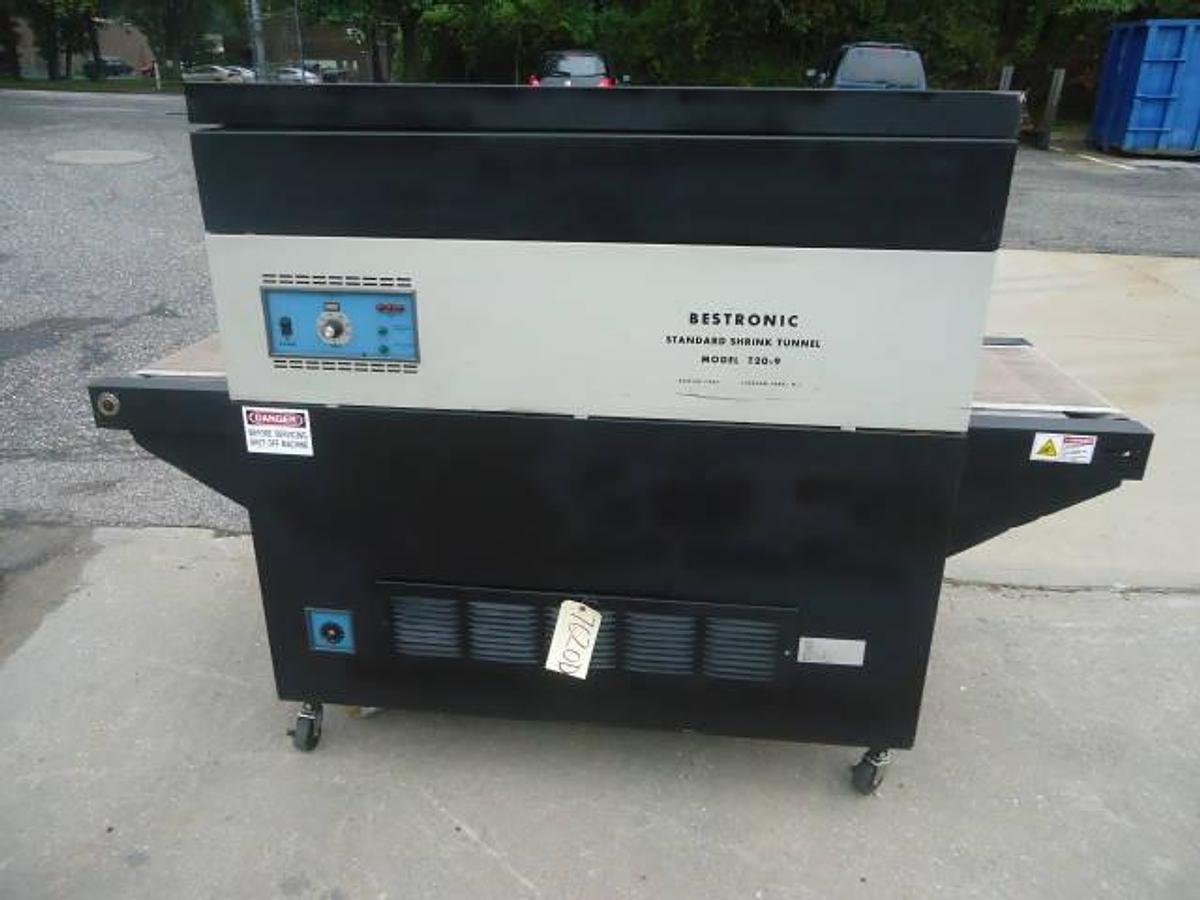
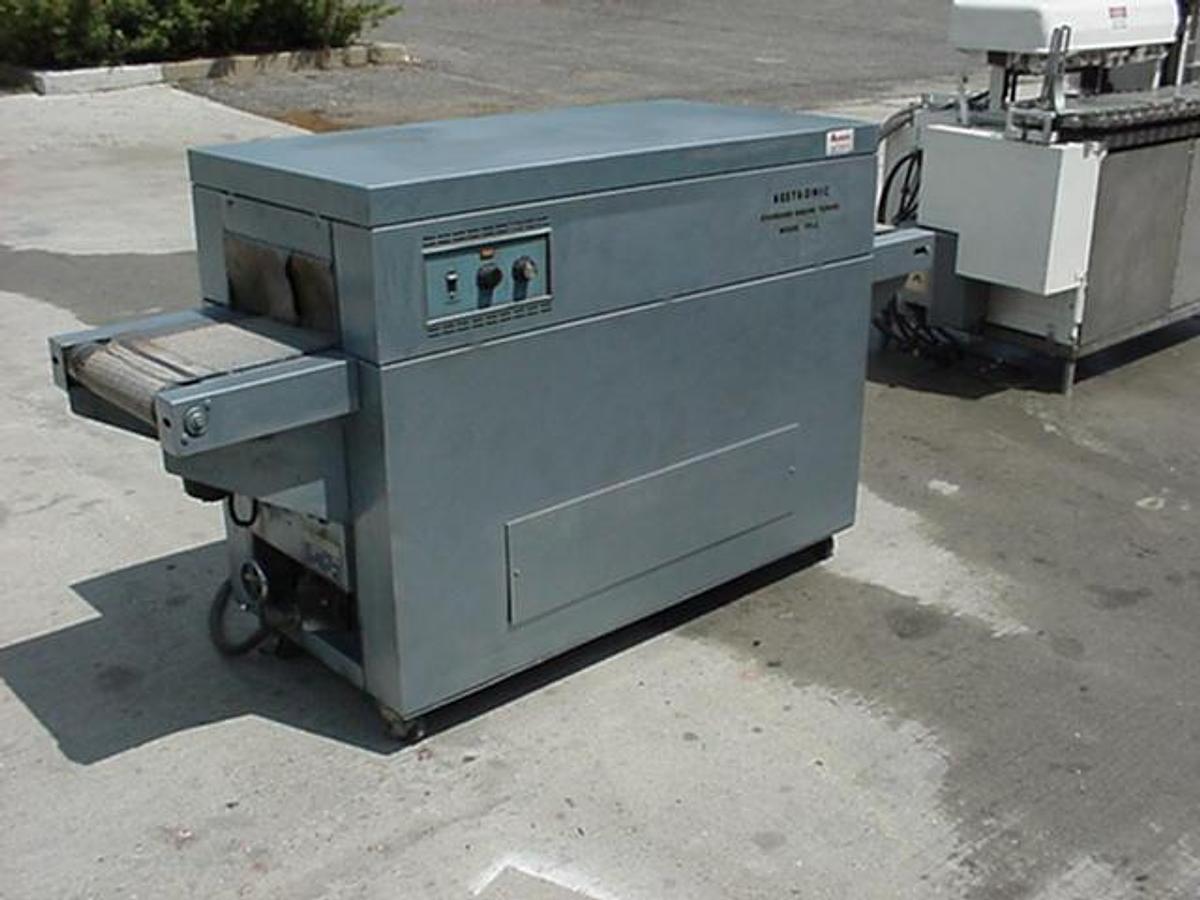
Bestronic is a manufacturer focused on electronics and small parts manufacturing equipment. Their product lineup includes automated assembly systems, testing equipment, and packaging machinery such as motorized shrink tunnels. Specific models that appear in the used equipment market include units like the 16-inch by 20-inch Motorized Shrink Tunnel and the 15-inch Wide Motorized Shrink Tunnel, both of which are portable and designed for packaging operations in electronics or light manufacturing environments.
Beyond packaging, Bestronic's broader catalog is oriented toward enhancing accuracy and efficiency in electronic manufacturing processes. Their machines are typically used by manufacturers who need reliable, repeatable output in assembly and testing workflows. Because Bestronic equipment tends to serve niche manufacturing segments, buyers sourcing their machines on the secondary market should research the specific model carefully to confirm it fits their production requirements before purchasing.
What should buyers know about purchasing used Bestronic equipment?
Buying used Bestronic equipment follows the same general principles that apply to any pre-owned industrial machinery purchase. The machines are sold as-is, meaning the responsibility of evaluating condition falls squarely on the buyer. This makes it critical to work with a reputable used equipment dealer who has a demonstrated history of selling machinery in the relevant industry, since an experienced dealer will be far more likely to provide accurate information about a machine's working condition and history.
Buyers should also contact Bestronic directly, or consult with a qualified technician familiar with the brand, to understand what level of manufacturer support is available for the specific model they are considering. Older models may have limited parts availability or reduced technical support from the manufacturer, which can affect long-term serviceability. Requesting an inspection, either in person or via video, before committing to a purchase is strongly recommended and is standard practice in the used equipment industry.
How can I inspect used Bestronic equipment before buying?
Used equipment dealers typically offer buyers several options for inspecting machinery prior to purchase. The most common formats are in-person inspections, live video walkthroughs, and recorded video captures that document the machine's physical condition and, where possible, its operation. For Bestronic equipment that is still installed and running at a production facility, the dealer may be able to arrange a visit to the actual plant so the buyer can see the machine in active use, which provides the clearest picture of its current working order.
It is worth understanding that most used equipment dealers do not have the permitting or production infrastructure needed to run full product tests on machinery. A dealer can demonstrate that a machine powers on and operates mechanically, but replicating a full production run with actual materials is generally not feasible in a dealer's facility. Buyers should ask specific questions about what the inspection will cover, request documentation such as maintenance records if available, and consider hiring an independent technician to assess the equipment if they are unfamiliar with the specific model or its condition indicators.
Are warranties available on used Bestronic equipment?
Used Bestronic equipment is typically sold as-is, without a warranty from the dealer. Manufacturer warranties are generally tied to the sale of equipment direct from the manufacturer and do not transfer to subsequent buyers on the secondary market. This is standard practice across the used industrial equipment industry and is not unique to Bestronic machines.
Because there is no warranty protection, buyers carry the full responsibility of due diligence before completing a purchase. This means thoroughly inspecting the equipment, understanding its service history where possible, and consulting with the manufacturer to determine what parts and technical support are still available for that model. Choosing a dealer with a strong reputation and a long track record in the industry is one of the most effective ways to reduce risk when buying used machinery without warranty coverage.
What are the shipping considerations for used Bestronic machinery?
Shipping used industrial equipment like Bestronic machinery involves more complexity than standard freight because these machines require careful packaging to prevent damage in transit. Depending on the size and weight of the unit, packaging requirements can range from basic palletization to full custom crating. The cost of shipping will vary based on which packaging method is required, the shipping distance, and the carrier used. Buyers should ask the dealer for a detailed breakdown of packaging, rigging, and freight costs upfront so they have a clear picture of the total landed cost before finalizing the purchase.
Larger or heavier Bestronic machines may also require specialized rigging equipment for loading and unloading, which adds to the overall cost. Rigging services involve cranes, forklifts, or other heavy-lift equipment operated by trained professionals, and this is typically quoted separately from freight. Buyers who are not familiar with machinery logistics should work closely with the dealer to understand every cost component involved, since the difference between the listed machine price and the actual delivered cost can be significant.
What payment terms are typical when buying used industrial equipment?
The standard payment practice in the used equipment industry is full payment prior to shipment. This applies broadly across dealers selling machinery of all types, including electronics manufacturing equipment like Bestronic machines. The requirement for upfront payment reflects the nature of the used equipment market, where machines are often one-of-a-kind inventory items that cannot be held indefinitely while payment arrangements are worked out.
Some dealers may offer extended payment terms to repeat customers or buyers with an established relationship, but this is not the norm for first-time transactions. Buyers should clarify accepted payment methods directly with the dealer, as options can vary. Wire transfer is common for larger transactions, while other forms of payment may be available depending on the dealer's policies. Understanding the payment terms before entering negotiations helps avoid surprises and keeps the purchasing process moving efficiently.
How do I find replacement parts for used Bestronic equipment?
Sourcing replacement parts for used Bestronic equipment starts with contacting the manufacturer directly. Bestronic, like most equipment manufacturers, is the primary source for model-specific components, and reaching out to them early in the process helps buyers understand what parts are still in production and what the lead times and costs look like. The age and model of the machine are significant factors here, as older units may have parts that are discontinued or available only in limited quantities.
In cases where manufacturer parts are no longer available, buyers often turn to third-party suppliers or machine shops that can fabricate replacement components based on specifications. Used equipment dealers who specialize in a particular industry sometimes maintain a stock of common wear parts for the machines they sell, so it is worth asking the dealer about parts availability before completing a purchase. Building a small inventory of critical consumable or wear parts at the time of purchase is a practical strategy that many experienced buyers use to protect their production operations from unexpected downtime.
What is a motorized shrink tunnel and what is it used for in manufacturing?
A motorized shrink tunnel is a packaging machine that uses controlled heat to shrink a plastic film tightly around a product or group of products. The item to be packaged is first wrapped in shrink film, then passed through the tunnel on a conveyor belt. As the product moves through the heated chamber, the film contracts uniformly around it, creating a tight, professional-looking package. These machines are used across a range of industries including food and beverage, electronics, pharmaceuticals, cosmetics, and consumer goods.
In electronics manufacturing environments, shrink tunnels are commonly used to package finished components, kits, or assembled products for shipment or retail display. Portable units, like those produced by Bestronic, offer flexibility for smaller operations or facilities where the packaging station needs to be repositioned periodically. Key specifications to evaluate when sourcing a used shrink tunnel include tunnel opening size (which determines the maximum product dimensions), conveyor speed, and temperature range, as these directly affect what products the machine can handle and at what throughput rate.
How should buyers evaluate the condition of used electronics manufacturing equipment?
Evaluating used electronics manufacturing equipment requires a structured approach because these machines often have both mechanical and electronic components that need to be assessed independently. On the mechanical side, buyers should look for signs of wear on moving parts, check the condition of belts, rollers, and conveyors, and confirm that all structural components are intact and properly aligned. On the electrical and control side, the focus should be on the condition of wiring, the functionality of the control panel or interface, and whether the machine's sensors and actuators respond correctly.
Beyond the physical inspection, buyers should try to obtain as much documentation as possible, including any maintenance logs, service records, or calibration history. Machines that have been regularly serviced tend to have longer remaining useful lives than those where maintenance was deferred. If the machine was in active production until recently, that is generally a positive sign, though it also means wear components may be closer to the end of their service life. An independent technician or engineer familiar with the type of equipment being purchased can add significant value to the inspection process, particularly for buyers who are not technically trained on the specific machine type.
What factors most affect the resale value of used Bestronic equipment?
Several factors influence how used Bestronic equipment is priced on the secondary market. Condition is the most immediate driver, with machines that are fully functional, clean, and well-maintained commanding higher prices than those showing significant wear or requiring repairs. Age plays a related role, though it is not always the dominant factor. A well-maintained older machine can be worth more than a neglected newer one, particularly if the older unit has a proven track record in production.
Parts and support availability also affect value significantly. If a specific Bestronic model still has readily available replacement parts and active manufacturer support, buyers are willing to pay more for it because the total cost of ownership is more predictable. Conversely, machines that are difficult to source parts for tend to trade at a discount to reflect the added risk. Market demand for the specific type of equipment, the completeness of the machine (all original tooling, manuals, and accessories included), and the reputation of the selling dealer are additional factors that buyers and sellers should factor into their pricing expectations.