Category
Manufacturer
Model
Bereif
Bereif is a provider of advanced manufacturing equipment, specializing in textile and fabric production systems. Known for their weaving and knitting machines, Bereif offers technology that enhances the efficiency and quality of textile production processes. Their equipment is well-regarded for precision engineering, supporting diverse applications in the textile industry.
FAQ:
What types of equipment does Bereif manufacture?
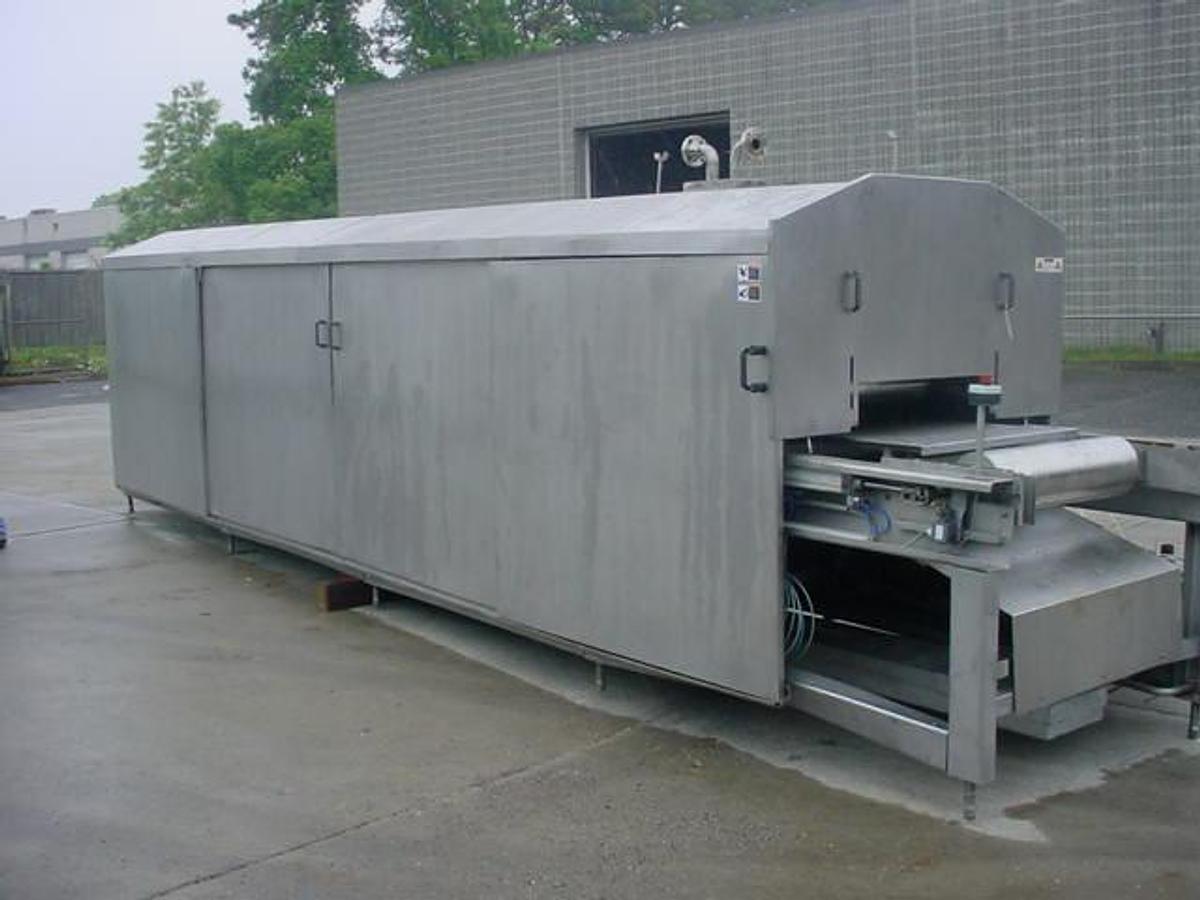
Bereif specializes in textile and fabric production systems, with a product line that includes weaving machines, knitting machines, and continuous belt processing equipment. The brand is recognized for precision engineering across a range of machinery used in industrial textile production. One specific example of Bereif equipment that appears in the used machinery market is the Bereif Continuous Belt Grill, constructed in stainless steel, which is used in fabric finishing and processing applications.
Because Bereif is not as widely documented as some larger textile equipment manufacturers, buyers researching the brand should take extra steps to verify the specific model and its intended application before purchasing. Consulting with a used equipment dealer who specializes in textile machinery is a practical way to confirm whether a particular Bereif machine fits the production requirements at hand. Dealers with hands-on experience in the textile sector can often provide context on how a specific machine was used, its condition, and what types of operations it supports.
What should buyers know about purchasing used Bereif textile equipment versus buying from a manufacturer?
Buying used Bereif textile equipment means purchasing machinery that has already been in production service, which is a fundamentally different transaction than sourcing directly from a manufacturer. Used machines are sold as-is, without manufacturer backing, so the condition of the equipment at the time of sale is the buyer's primary concern. The upside is that used industrial textile machinery is typically available at a significant discount compared to equivalent machines sourced through a manufacturer's distribution channel, which makes it attractive for operations looking to expand capacity or replace aging equipment without a large capital outlay.
The trade-off is that the buyer takes on more responsibility for due diligence. This means carefully evaluating the machine's condition, understanding its maintenance history if available, and working with a dealer who has a proven track record in the textile equipment space. Reputable used equipment dealers will accommodate in-person or video inspections so buyers can assess the machine's working order before committing to a purchase. Buyers should also reach out directly to Bereif or its authorized service network to understand what level of technical support and parts availability they can expect for the specific model and age of equipment they are considering.
How should a buyer inspect used Bereif textile machinery before purchasing?
Inspection is one of the most important steps in buying any used industrial textile machine, and Bereif equipment is no exception. Reputable dealers typically offer three formats: an in-person visit to the dealer's facility or the plant where the equipment is currently located, a live video walkthrough conducted remotely, or pre-recorded video documentation of the machine. Each approach gives the buyer a different level of detail, and serious buyers often request more than one format to get a thorough picture of the equipment's condition.
It's worth understanding that most used equipment dealers are not set up to run full production tests, since operating textile machinery at production capacity requires different permitting and facilities than a standard equipment warehouse. What an inspection can confirm is the physical condition of the machine, visible wear on key components, the state of electrical panels and controls, and whether the machine appears complete with its major parts intact. Buyers should prepare a checklist of critical components specific to the Bereif model they are evaluating and ask the dealer to walk through each item during the inspection. If the machine is still in active production at a manufacturing facility, the dealer may be able to arrange an inspection at that location, which offers the added benefit of seeing the equipment running under real conditions.
What industries and applications is Bereif textile equipment suited for?
Bereif equipment is designed for textile and fabric production environments, with machinery that supports both weaving and knitting processes as well as fabric finishing operations. This positions Bereif machines as relevant to a broad range of textile manufacturing sectors, including apparel fabric production, technical textiles, home furnishings, and industrial fabric applications. The Bereif Continuous Belt Grill, for example, is the type of equipment used in finishing lines where fabric is processed under controlled heat or pressure conditions, a step common in producing consistent surface characteristics in woven and knitted goods.
Buyers evaluating Bereif equipment for a specific application should consider how the machine's specifications align with their production requirements in terms of fabric width, processing speed, material compatibility, and output volume. Because used machines may have been configured for a particular production environment, it is useful to ask the dealer for any available documentation on how the machine was set up and what it was processing. This context helps buyers anticipate what adjustments, if any, might be needed to integrate the equipment into their own facility.
What is the typical price range for used textile manufacturing equipment?
Used textile manufacturing equipment spans an extremely wide price range depending on the machine type, size, age, brand, and condition. Smaller or older machines in categories like knitting or weaving can be found for a few thousand dollars, while large-scale industrial systems in good working condition, particularly those with advanced controls or specialized capabilities, can run into the hundreds of thousands of dollars. Finishing and processing equipment like continuous belt systems tends to fall somewhere in the middle of that range, though condition and configuration have a significant impact on final pricing.
For buyers researching used Bereif equipment specifically, the best approach is to contact dealers directly for current pricing, since used machinery values fluctuate based on market supply, demand, and the condition of individual units. It is also important to factor in costs beyond the machine's sticker price. Shipping, rigging, crating, and any site preparation or installation work required at the buyer's facility can meaningfully increase the total landed cost. Getting a clear picture of all these costs upfront prevents surprises and allows for accurate budgeting before a purchase decision is made.
Are replacement parts available for used Bereif textile machinery?
Parts availability is one of the most practical concerns for any buyer of used industrial textile equipment, and it deserves serious attention before a purchase. For Bereif machinery, buyers should contact the manufacturer or its authorized service representatives directly to ask about parts availability for the specific model and production year they are considering. Older machines or discontinued models may have limited factory support, which means buyers would need to rely on third-party parts suppliers, machine shops capable of fabricating replacement components, or cannibalizing parts from other used Bereif units.
This is not necessarily a deal-breaker, but it does affect the long-term cost of ownership and the machine's reliability over time. Buyers should also ask the selling dealer whether any spare parts are included with the machine, as some used equipment sales include a stock of consumables or wear parts that the previous owner accumulated. Understanding the parts situation before purchase, rather than after a component fails, is a key part of responsible due diligence in the used textile equipment market.
What payment terms should buyers expect when purchasing used textile manufacturing equipment?
Payment practices in the used industrial equipment market are fairly consistent across dealers. Most used equipment dealers require full payment before the machine is released for shipping. This protects the dealer against loss on high-value equipment and is standard practice in the industry. Buyers who have an established relationship with a dealer may occasionally be offered extended terms, but this is the exception rather than the rule for first-time transactions.
For buyers making a significant purchase, it is reasonable to ask the dealer about acceptable payment methods and whether any structured payment arrangements are available. Wire transfer is the most common payment method for industrial equipment transactions. Buyers should also clarify at what point payment is due relative to the inspection process, since it is generally advisable to complete any inspection or due diligence before releasing funds. Confirming these details in writing before the transaction proceeds helps both parties avoid misunderstandings.
How is used textile manufacturing equipment typically shipped, and what does it cost?
Shipping industrial textile machinery involves more logistical complexity than standard freight because of the size, weight, and sensitivity of the equipment. Machines need to be properly prepared for transit, which typically means palletizing or crating depending on the equipment's dimensions and fragility. The level of packaging required directly affects shipping costs, and buyers should ask dealers specifically what preparation is included in the quoted price versus what will be billed as an additional charge.
For larger or heavier machines, rigging is required to safely load the equipment onto a truck or container, and unloading at the destination may require a forklift or crane depending on the buyer's facility. These rigging costs are generally passed on to the buyer and can add meaningfully to the total cost of acquisition. Buyers should request a complete breakdown of all shipping-related costs, including packaging, rigging, freight, and any applicable fuel surcharges or insurance, before finalizing a purchase. Understanding the full landed cost of the machine is essential to making an accurate comparison between different equipment options.
What factors should buyers prioritize when evaluating used textile manufacturing equipment?
Buyers in the industrial textile equipment market consistently focus on a core set of evaluation criteria: the mechanical condition of the machine, its production capacity and speed, energy consumption, and how straightforward it is to maintain and service. For used equipment specifically, the maintenance history matters a great deal. A machine that has been well-maintained with regular servicing and documented repairs is generally a safer purchase than one with an unknown history, even if the two machines are the same model and appear similar on the surface.
Beyond the machine itself, buyers should weigh the availability of technical support and spare parts, as discussed separately. Certifications are another consideration, particularly for buyers who need equipment to meet CE marking standards, ISO compliance requirements, or local safety regulations in their country or region. Not all used machines will carry current certifications, and in some cases recertification may be required before the equipment can be legally operated. Confirming the certification status of a specific used machine with the dealer and verifying requirements with local regulatory authorities is a prudent step before finalizing any purchase.
How can a buyer verify the reputation of a used textile equipment dealer before making a purchase?
The dealer's reputation is arguably as important as the machine itself in a used equipment transaction, since buyers are relying heavily on the dealer's honesty and expertise to make an informed decision. A few practical steps can help buyers assess a dealer's credibility. Looking for dealers with a long operating history in the textile machinery space is a good starting point, since longevity in a specialized market generally reflects a track record of completing transactions to customers' satisfaction. Industry associations, trade publications, and references from other buyers in the textile manufacturing sector are useful sources of independent feedback.
Buyers should also pay attention to how a dealer handles the inspection process and responds to detailed technical questions. A knowledgeable, transparent dealer will provide clear documentation, facilitate thorough inspections without resistance, and give honest assessments of a machine's condition including any known issues. Dealers who specialize in textile equipment specifically, rather than general industrial machinery, tend to have deeper knowledge of the machines they sell and a better network for sourcing parts and technical support. Taking the time to vet the dealer before committing to a purchase reduces the risk that comes with buying used industrial equipment.