Category
Manufacturer
Model
FAQ:
What types of Befco equipment are commonly available on the used market?
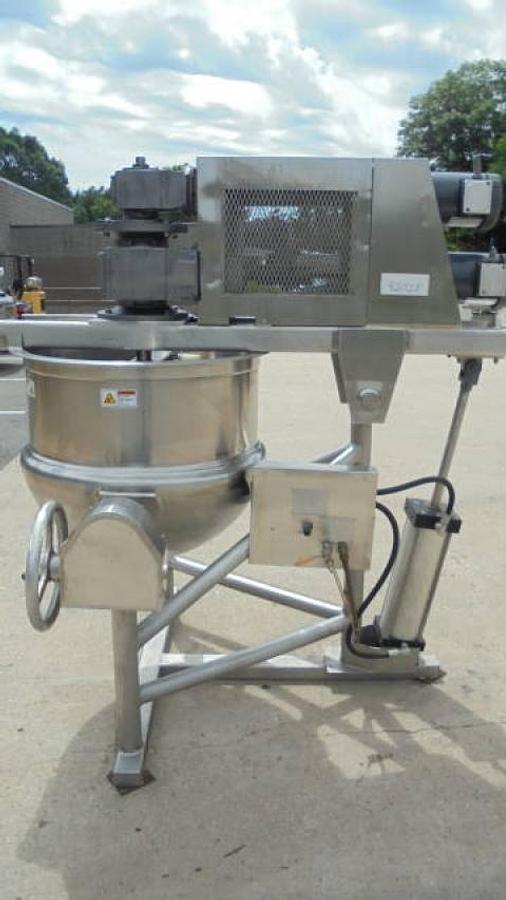
Befco built its reputation across several categories of agricultural and turf maintenance implements, and the used market reflects that range fairly well. The most commonly found pieces include finish mowers, rotary cutters, grooming mowers, and tillers, all of which were designed primarily for 3-point hitch tractor attachment. Municipalities, small farm operators, and hobby farmers were among the brand's most loyal customers, so used units tend to surface from those kinds of operations. Occasionally, specialty pieces like stainless steel jacketed kettles and other processing equipment also appear, depending on the dealer's sourcing network.
Beyond the standard turf and tillage lineup, Befco produced a variety of implements suited to different acreage sizes and horsepower ranges, which means the used market can include everything from compact, light-duty finish mowers to heavier commercial-grade rotary cutters. Buyers searching for used Befco equipment should pay attention to the specific model designation, since the brand's catalog spans decades and individual models vary considerably in their intended use, cutting width, and tractor compatibility. Checking with a dealer who specializes in agricultural and food processing equipment is a practical way to identify what's currently available and whether a specific unit fits the buyer's application.
What is Befco as a brand, and what is its history?
Befco is a legacy American agricultural equipment manufacturer that built a strong following from the mid-20th century onward, primarily through its line of finish mowers, rotary cutters, and turf maintenance implements. The brand became particularly well-regarded among small farm owners, hobby farmers, and government agencies like parks departments and municipalities that needed reliable, low-maintenance grooming equipment. Befco implements earned a durability reputation that has kept many older units in active service for decades, which is a meaningful part of why the brand still attracts buyers on the used equipment market.
Over the years, Befco went through ownership changes, which created some uncertainty among long-time users about parts availability and factory support for older models. That history is worth understanding before purchasing a used unit, since the level of manufacturer support can vary depending on the age and specific model of the machine. Prospective buyers are generally advised to contact the current manufacturer directly to ask about parts and service support for the particular model they're considering. Despite those ownership transitions, Befco equipment has retained a loyal following, and well-maintained used units continue to hold value reasonably well compared to other implement brands in the same category.
Are Befco replacement parts still available for older models?
Parts availability for older Befco equipment is one of the more common concerns buyers raise, and it's a legitimate one given the brand's ownership history. The short answer is that availability varies by model and age. Some components, particularly blades, belts, and hardware for popular finish mower models, have remained relatively accessible through agricultural equipment dealers and aftermarket parts suppliers. Other components specific to older or less common models can be harder to source, especially if they were produced under a previous ownership structure.
Buyers considering a used Befco implement should do some homework before committing to a purchase. Contacting the current manufacturer directly is a practical first step to gauge what parts are stocked or can be ordered for a specific model. It's also worth asking a knowledgeable used equipment dealer about the parts situation, since dealers who specialize in agricultural implements often have insight into which Befco models are well-supported and which ones present more of a sourcing challenge. In some cases, third-party aftermarket suppliers have filled gaps left by ownership transitions, so checking those channels is worthwhile as well. The age and condition of the machine at the time of purchase will naturally influence how pressing the parts question becomes over time.
What horsepower does a tractor need to run Befco implements?
Befco designed its implement lineup to cover a fairly wide range of tractor sizes, so the horsepower requirement depends heavily on the specific model and type of equipment. Lighter finish mowers and grooming mowers in the Befco catalog were built for compact tractors in the 20 to 40 PTO horsepower range, making them well-suited to hobby farm and residential applications. Heavier rotary cutters and wider-cut models step up the requirement, often calling for 40 to 60 or more PTO horsepower depending on cutting width and intended terrain.
When evaluating a used Befco implement, the PTO horsepower rating on the machine's specification plate or in the manufacturer's documentation is the most reliable reference point. Buyers should match that figure to their tractor's available PTO output, not just the engine horsepower, since those numbers differ. Running an implement beyond its rated horsepower range or pairing it with an underpowered tractor can lead to premature wear or mechanical stress on both the implement and the tractor's drivetrain. A reputable used equipment dealer should be able to provide or help locate the original specification data for any Befco unit they're selling, which makes it easier to confirm compatibility before purchase.
What 3-point hitch category do Befco implements use?
Most Befco implements were built around Category 1 and Category 2 three-point hitch systems, which covers the majority of compact and utility tractors in common use. Category 1 hitch pins measure 7/8 inch in diameter and are standard on smaller tractors typically in the 20 to 50 horsepower range. Category 2 uses a 1-1/8 inch pin diameter and is found on larger utility tractors. Befco's lineup was designed to serve both segments, so the specific hitch category of a given unit depends on the model and its intended tractor size pairing.
Before purchasing a used Befco implement, confirming the hitch category is a straightforward but important step. Mismatched hitch categories can usually be addressed with adapter bushings, but it's better to know upfront rather than discover the issue after the equipment has shipped. When inspecting a used unit, either in person or through video, buyers should ask the dealer to confirm the hitch pin size and check whether the top link bracket and lower lift arm connections are in good condition. Worn or damaged hitch points are a common area of concern on used implements that have seen heavy field use, so a close look at those components during inspection is time well spent.
How should a buyer inspect used Befco equipment before purchasing?
Inspecting used agricultural equipment carefully before buying is one of the most important steps a buyer can take, and Befco implements are no exception. Reputable used equipment dealers typically offer inspection options that include in-person visits, live video walkthroughs, or recorded video captures of the machine. The goal of any inspection is to get an accurate, honest picture of the equipment's current condition, including visible wear, structural integrity, and the state of key components like blades, belts, gearboxes, and hitch hardware. Buyers should ask specifically about hours of use if that data is available, and request photos or video of any areas that show wear or prior repair.
It's worth keeping in mind that most used equipment dealers are not set up to run full production tests on machinery, since operating processing or agricultural equipment at scale requires permitting and facilities that a typical dealer won't have. What a dealer can do is demonstrate mechanical function, show the condition of moving parts, and confirm that the unit operates as expected at a basic level. For equipment that is still installed at a production facility, some dealers can coordinate an in-person inspection at the plant between the buyer and the current owner. Buyers should approach the inspection with a checklist of the components most critical to their intended use, and should not hesitate to ask the dealer pointed questions about anything that looks unclear in photos or video.
How is used Befco equipment typically shipped, and what should buyers expect for costs?
Shipping used agricultural and processing equipment involves more variables than standard freight, and buyers should ask about the full details before finalizing a purchase. Smaller Befco implements like finish mowers and tillers can often be palletized and shipped via standard LTL freight carriers, but the level of packaging required to prevent damage in transit will affect the cost. Heavier or larger units may need custom crating, and some equipment requires professional rigging for safe loading and unloading, which adds to the overall expense. The landed cost of a machine, meaning the purchase price plus all shipping and handling charges, is the number buyers should be focused on when comparing options.
Buyers should ask the dealer specifically about how the equipment will be packaged, what rigging or loading equipment will be used at the point of origin, and whether the buyer is responsible for unloading at the destination. For larger implements, having a forklift or other unloading equipment available at delivery is often necessary. Getting a clear, itemized breakdown of shipping costs before agreeing to a purchase avoids surprises and helps with budgeting. Shipping costs can vary significantly based on distance, freight class, and the specific handling requirements of the machine, so it pays to ask these questions early in the process.
What payment terms do used equipment dealers typically offer for Befco machinery?
Payment practices in the used equipment industry follow a fairly consistent pattern. Most dealers require full payment before a machine is released for shipping, which protects the seller and ensures the transaction is complete before the equipment changes hands. This is standard practice across the industry and applies to most used agricultural and processing equipment transactions, including Befco implements. Buyers who are working with a dealer for the first time should expect to pay in full upfront, typically by wire transfer or another agreed-upon method.
Some dealers extend payment terms to established repeat customers with whom they have a track record, but that kind of arrangement is generally not available to first-time buyers. For buyers making a significant purchase, it's reasonable to ask the dealer about their accepted payment methods and whether any financing options are available through third-party lenders. Some buyers choose to work with equipment financing companies independently, using the funds to pay the dealer in full while spreading their own repayment over time. Regardless of the payment structure, buyers should make sure they receive proper documentation of the transaction, including a bill of sale that clearly identifies the equipment, the purchase price, and the terms of the sale.
How does used Befco equipment hold its value compared to other implement brands?
Befco's durability reputation has historically supported reasonably strong value retention on the used market, particularly for its finish mowers and grooming implements. Many buyers specifically seek out used Befco equipment because units from several decades ago are still functional and productive, which speaks to the build quality the brand established during its peak production years. That said, value retention on any used implement depends heavily on the specific model, the condition of the unit, and how well it was maintained by previous owners. A well-kept Befco finish mower from a municipality or small farm operation can command a solid price, while a neglected unit in poor condition will be priced accordingly.
Ownership changes at the manufacturer level have introduced some uncertainty into the market, and buyers who are concerned about long-term parts support may factor that into their willingness to pay. In general, Befco implements that use common, widely available components like standard blades and belts tend to hold value better than models that rely on proprietary parts that are harder to source. Buyers comparing used Befco equipment to competing brands should weigh the purchase price against the expected cost of any needed repairs or maintenance, the availability of replacement parts, and the suitability of the machine for their specific application. A lower upfront price doesn't always translate to the best overall value if parts are difficult to find.
What should buyers look for when choosing a used agricultural equipment dealer?
Selecting a reputable dealer is one of the most consequential decisions a buyer makes in a used equipment transaction. The used machinery market does not carry the same consumer protections as buying from a manufacturer, and equipment is typically sold as-is, which puts the responsibility for due diligence squarely on the buyer. A dealer with a long track record in the industry and a history of selling equipment within the relevant category, whether that's agricultural implements, food processing machinery, or industrial equipment, is a meaningful indicator of reliability. Buyers should look for dealers who are willing to answer detailed questions about the equipment, provide thorough inspection opportunities, and give honest assessments of a machine's condition.
Specialization matters. A dealer who focuses on agricultural or food processing equipment will generally have more relevant knowledge about Befco implements than a generalist dealer who handles a wide range of unrelated machinery. That expertise shows up in the quality of the inspection they can offer, the accuracy of the condition descriptions they provide, and their ability to answer technical questions about compatibility and use. Buyers should also pay attention to how a dealer handles communication throughout the process, since responsiveness and transparency before the sale are usually good indicators of how smoothly the transaction will go overall. Asking for references or looking at a dealer's history of past listings and sales can provide additional confidence before committing to a purchase.