Category
Manufacturer
Model
Bakers Aid
Bakers Aid specializes in supplying baking machinery solutions to both industrial and artisanal bakeries. Known for their reliable ovens and dough processing equipment, they serve small to large-scale producers seeking consistency and efficiency. Bakers Aid’s machines are celebrated for their durability and ease of use, making them a preferred choice among bakers aiming to enhance their production capabilities.
FAQ:
What types of equipment does Bakers Aid manufacture?
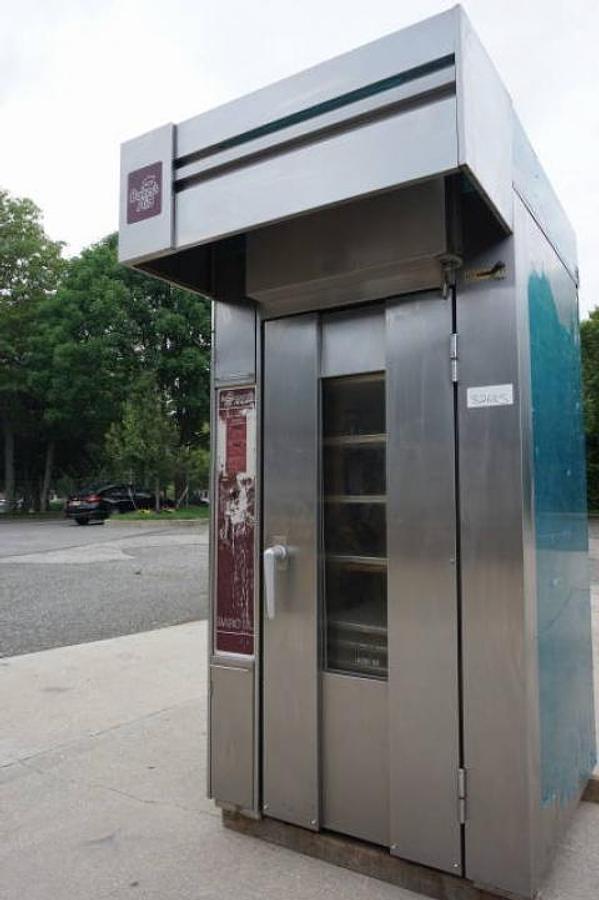
Bakers Aid is an American bakery equipment brand with a long history of producing heavy-duty commercial machinery for both industrial and artisanal baking operations. The brand is best known for its rack ovens, including full-size and half-size gas-fired models, which have become a staple in institutional, retail, and wholesale bakery environments. Beyond ovens, Bakers Aid has produced dough processing equipment designed to support high-volume production with consistent results. Their machines are built around the idea that bakers need reliable, repeatable performance across long production runs.
The product lineup has historically served a wide range of operations, from small craft bakeries looking to scale up, to large commercial facilities running continuous production schedules. Bakers Aid equipment tends to feature stainless steel construction and components selected for durability under daily, demanding use. This build quality is a big part of why the brand has maintained a strong presence on the used equipment market for decades, with machines often remaining in service well beyond their initial installation.
Is used Bakers Aid equipment suitable for a commercial bakery?
Used Bakers Aid equipment is widely considered a practical choice for commercial bakery operations, largely because the brand was designed from the ground up for high-volume, continuous use. The rack ovens, in particular, are a common sight in retail bakeries, foodservice operations, and wholesale production facilities because they deliver consistent baking results across full rack loads. Buying used allows bakeries to access that same production-grade hardware at a fraction of the cost of purchasing comparable equipment elsewhere.
That said, buyers should approach any used machinery purchase with realistic expectations. Since these are pre-owned machines, their condition will vary depending on how they were operated and maintained by previous owners. A thorough inspection, either in person or via video, is the best way to assess the current working order of a specific unit before committing to a purchase. Consulting with the manufacturer about parts availability for the model you are considering is also a smart step, since Bakers Aid has changed ownership over the years and support for older or legacy models can vary.
What should I look for when buying a used Bakers Aid rack oven?
Rack ovens see heavy daily use in most bakery environments, so a careful pre-purchase inspection is essential. Start by examining the burner assembly, heat exchangers, and any visible interior components for signs of excessive wear, corrosion, or damage. The door seals and hinges are also worth checking closely, since worn seals affect heat retention and baking consistency. Ask the seller for any available service records, as a machine that has been regularly maintained will generally be in better mechanical condition than one that has not.
Beyond the physical inspection, it is worth contacting Bakers Aid or an authorized service provider to confirm that parts are still available for the specific model you are evaluating. Older Bakers Aid units may have limited parts support depending on their production era, which can affect long-term serviceability. Reputable used equipment dealers will typically offer in-person or video inspections so buyers can see the machine's current condition before purchasing. If the unit is still installed and operating at a facility, some dealers can arrange for an inspection at the actual production site.
How do I find replacement parts for older Bakers Aid equipment?
Parts availability for Bakers Aid equipment depends heavily on the age and model of the machine. Because the brand has changed ownership over the years, support for legacy units can be inconsistent. The best starting point is to contact the current Bakers Aid manufacturer directly to ask whether parts are still stocked or available for your specific model number. Providing the model and serial number will help them give you an accurate answer. Independent bakery equipment service companies sometimes stock or can source parts for older commercial oven brands as well, so they are worth contacting if the manufacturer cannot help.
For buyers who have not yet purchased a machine, this is an important step to take before finalizing a deal rather than after. Knowing whether common wear items like burner components, door gaskets, or control parts are readily available will give you a much clearer picture of the total cost of ownership. A used machine that is priced attractively but requires hard-to-find parts can end up being more expensive to operate than a unit priced higher with better parts support.
What is the typical price range for used Bakers Aid equipment?
Pricing for used Bakers Aid equipment varies considerably based on the type of machine, its age, overall condition, and how it has been maintained. A used Bakers Aid gas-fired rack oven in good working condition will generally command a higher price than one that has been decommissioned and requires servicing before it can be put back into production. Smaller or older units tend to be priced lower, while larger capacity or more recent models will typically be priced higher due to their greater output potential and the likelihood of better parts availability.
Buyers should also factor in costs beyond the listed price when calculating what a machine will actually cost to put into service. Shipping, rigging, any necessary repairs or servicing, and installation can all add meaningfully to the total investment. Getting a clear picture of these landed costs upfront, before committing to a purchase, helps avoid surprises. Asking the seller for a breakdown of packaging, rigging, and freight charges is a reasonable step for any buyer evaluating used commercial bakery equipment.
Does used Bakers Aid equipment come with a warranty?
Used bakery equipment is generally sold on an as-is basis, which is standard practice across the used machinery industry. Warranties are typically only offered by manufacturers on equipment they sell directly. When purchasing through a used equipment dealer, the responsibility for evaluating the machine's condition falls primarily on the buyer, which is why thorough pre-purchase inspections are so important.
Buyers can reduce their risk by working with dealers who have a long track record of selling commercial bakery equipment specifically, since industry specialization tends to correlate with more accurate condition assessments and better buyer support. Requesting an in-person or video inspection before purchasing gives you the clearest possible view of what you are buying. It is also worth contacting Bakers Aid directly to understand what level of manufacturer support, if any, is available for the model you are considering, since age and production era can affect the support and parts a manufacturer is able to provide.
How is used Bakers Aid equipment typically shipped?
Shipping commercial bakery equipment requires more planning than standard freight because these machines are heavy, often awkwardly shaped, and sensitive to damage in transit. Rack ovens and similar equipment need to be properly palletized or crated before they leave the seller's facility, and the level of packaging required will affect the shipping cost. Buyers should ask the dealer specifically how the machine will be prepared for transit and what that preparation will cost, since this varies from one seller to the next.
Larger or heavier machines may also require professional rigging for loading at the origin and unloading at the destination. Rigging is a separate cost from freight and involves specialized equipment and labor to safely move heavy machinery. Buyers who do not account for rigging costs upfront can be caught off guard when the machine arrives. Getting a full breakdown of packaging, rigging, and freight charges before completing a purchase gives you an accurate picture of the total landed cost, which is the number that actually matters when comparing options.
Can I inspect a used Bakers Aid machine before buying it?
Reputable used equipment dealers routinely offer inspection options to prospective buyers, and taking advantage of them is strongly recommended for any significant purchase. Inspections can take several forms: an in-person visit to the dealer's facility, a live video walkthrough conducted remotely, or a recorded video of the machine that the dealer provides. Each approach gives the buyer a chance to assess the machine's physical condition, check for visible wear or damage, and ask specific questions about its history and current working order.
In some cases, used equipment is still installed and operating at a production facility at the time of sale. When that is the situation, some dealers can arrange for an inspection at the actual plant, where you may be able to see the machine running under real production conditions. Keep in mind that most used equipment dealers do not have the permitting or infrastructure to run actual baking production at their own locations, so live product testing is generally not something dealers can offer. The goal of any inspection is to get an honest, accurate picture of the machine's current mechanical condition before money changes hands.
What are the payment terms for purchasing used commercial bakery equipment?
Most used equipment dealers require payment in full before a machine is released for shipping. This is standard practice in the industry and applies to the majority of transactions, particularly with buyers who do not have an established purchasing history with the dealer. The reasoning is straightforward: once a machine ships, the dealer has transferred possession, and collecting payment after the fact introduces significant financial risk.
Some dealers will extend payment terms to repeat customers with whom they have built a track record, but this is not something buyers should count on for a first purchase. If financing is a consideration, buyers are generally better served by arranging third-party equipment financing independently before approaching a dealer, rather than expecting the dealer to carry the terms themselves. Clarifying payment expectations early in the conversation, before getting deep into negotiations, saves time for both parties and avoids misunderstandings at the point of sale.
How easy is it to maintain and clean used Bakers Aid bakery equipment?
Bakers Aid equipment has a reputation for practical, operator-friendly design, which extends to cleaning and routine maintenance. The brand's commercial ovens typically feature stainless steel surfaces that can be wiped down without specialized products, and the interior decks or rack systems are generally accessible enough for regular cleaning without major disassembly. Keeping baking equipment clean is not just a hygiene requirement but also a maintenance practice, since grease and residue buildup can affect burner performance and heat distribution over time.
For used machines specifically, it is worth budgeting for a thorough cleaning and mechanical inspection when the equipment first arrives, regardless of how well it was maintained by the previous owner. Having a qualified bakery equipment technician service the machine before putting it into production is a reasonable precaution. They can identify any worn components that should be replaced, verify that the burners and controls are functioning correctly, and give you a baseline understanding of the machine's condition. Establishing a routine maintenance schedule from that point forward will help extend the life of the equipment significantly.