Category
Manufacturer
Model
FAQ:
What types of Baker Perkins equipment are commonly available on the used market?
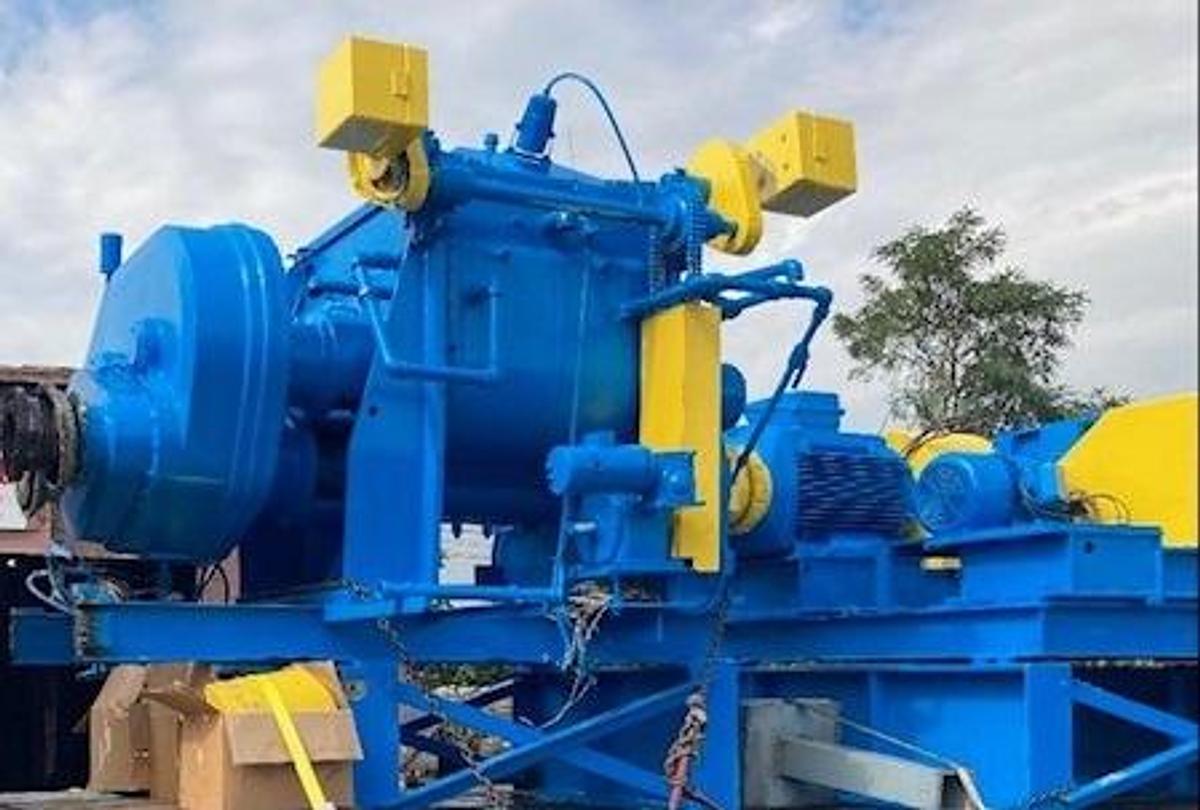
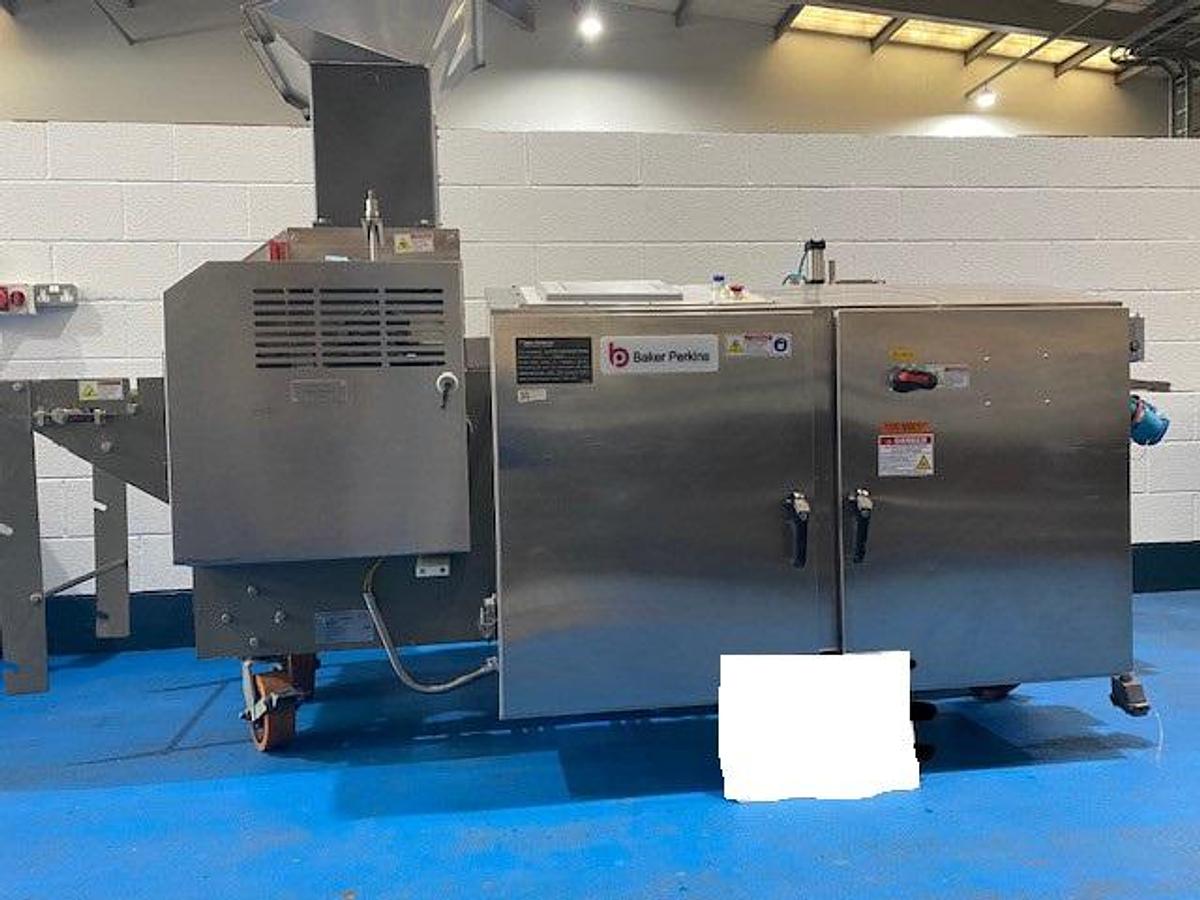
Baker Perkins has built its reputation across several distinct manufacturing categories, and the used market reflects that breadth. The most frequently available equipment includes bakery and bread-making systems, confectionery processing lines, snack food extruders, mixing and blending systems, and pharmaceutical tablet presses. Specific machine types that appear regularly include mixer-extruders in various capacities (such as 250-gallon carbon steel units), wirecut extruders for cookie and cracker production, depositors, band ovens, and continuous mixing systems. Because Baker Perkins has been manufacturing for well over 150 years, the secondary market carries machines from a wide range of eras and configurations.
Buyers looking for a specific type of machine should filter by subcategory and model when browsing used equipment listings, as dealers who specialize in food processing and industrial machinery will often carry multiple Baker Perkins units at any given time. It helps to know the specific model number or capacity you need before reaching out, since dealers can sometimes source equipment that isn't actively listed if they know what you're looking for. Wirecut extruders and large-capacity mixer-extruders tend to move quickly due to consistent demand from bakeries and snack food producers, so acting promptly when a suitable machine appears is advisable.
Is used Baker Perkins equipment reliable enough for active production use?
Baker Perkins machinery has a well-documented reputation for engineering durability, and many units remain in active production well beyond 20 to 30 years of service life when they have been properly maintained. The brand's long history in food processing and industrial manufacturing means that machines are built to handle demanding production schedules, and the mechanical simplicity of many older Baker Perkins designs actually works in the buyer's favor since there are fewer complex electronic components that can fail or become obsolete. That said, reliability after purchase depends heavily on the condition of the specific machine, not just the brand name.
Before committing to a purchase, buyers should request a thorough inspection, either in person or via a detailed video walkthrough conducted by the dealer. Ask specifically about the condition of wear parts such as blades, dies, seals, and drive components, as these are the areas most likely to need attention on a used machine. If the equipment is still installed at a production facility, there may be an opportunity to observe it running under actual operating conditions, which is the most reliable way to assess its current state. Pairing a careful inspection with a review of any available service records gives buyers the best picture of what they're acquiring.
What should I look for when inspecting a used Baker Perkins mixer-extruder?
A mixer-extruder is a mechanically intensive piece of equipment, so the inspection process needs to cover both the mixing chamber and the extrusion components in detail. On the mixing side, check the condition of the agitator blades or paddles, the integrity of the bowl or barrel lining, and the seals around any shaft penetrations. Carbon steel units should be examined carefully for corrosion, especially in areas that contact product or cleaning solutions. On the extrusion side, the die plate, screw flights, and barrel bore are the highest-wear areas, and any visible scoring, pitting, or uneven wear should be factored into your cost calculations since these parts can be expensive to replace.
Beyond the mechanical components, pay attention to the drive system, including the gearbox, motor, and any variable speed controls. Ask the dealer whether the machine has been tested under power and, if so, what the results were. Most used equipment dealers do not have the production permits required to run actual food product through a machine, so a dry or no-load test is the realistic expectation. Request any available engineering drawings or operational manuals, as these documents are genuinely valuable for setup, maintenance, and sourcing replacement parts down the road. A machine sold with its original documentation is worth meaningfully more than one without.
What industries use Baker Perkins equipment?
Baker Perkins serves a fairly specific set of industries, and understanding that focus helps buyers assess whether a particular machine fits their application. The core markets are food processing (particularly baked goods, biscuits, crackers, cookies, and bread), confectionery (including hard candy, toffee, and gum), snack foods (extruded and co-extruded products), and breakfast cereals. The company also has a significant presence in the pharmaceutical sector, primarily through tablet compression and coating equipment. Some industrial mixing and processing equipment from Baker Perkins also finds use in chemical and adhesive manufacturing.
For buyers in the baking and snack food industries specifically, Baker Perkins is one of the most recognized equipment brands in the world, and finding used Baker Perkins machinery is often a priority for producers who want proven technology without the lead times and capital cost of purchasing through a manufacturer. Pharmaceutical buyers should pay close attention to the specific model and its compliance history, since regulatory documentation and equipment qualification records can be as important as the machine itself in that sector. Regardless of industry, confirming that the machine's design specifications match the intended production process is the first step before any other evaluation.
Are spare parts available for older Baker Perkins models?
Parts availability is one of the most practical concerns for anyone buying older Baker Perkins equipment, and the answer varies depending on the specific model and its age. Baker Perkins has historically maintained parts support for many of its legacy lines, though the depth of that support tends to diminish for machines that are several decades old or have been discontinued for a long time. Before purchasing, it is worth contacting Baker Perkins directly to ask about parts availability for the specific model number you are considering. They can give you a realistic picture of what is stocked, what can be manufactured on request, and what is no longer supported.
Beyond the manufacturer, a healthy ecosystem of third-party suppliers and machine shops produces compatible components for many common Baker Perkins models, particularly for high-wear items like dies, screws, blades, and seals. Dealers who specialize in food processing equipment often have knowledge of these supply channels and can point buyers toward reliable sources. When evaluating a used machine, ask whether any spare parts are included in the sale, as sellers sometimes have stockpiled components that are worth as much as the machine itself. Machines sold with a set of spare parts, engineering drawings, and maintenance manuals represent significantly better long-term value than bare equipment with no documentation.
How does the inspection process work when buying used Baker Perkins equipment from a dealer?
Used equipment dealers typically offer three forms of inspection: in-person visits to the dealer's facility, virtual walkthroughs conducted via video call, or pre-recorded video documentation of the machine. Each approach has its advantages depending on the buyer's location and the complexity of the equipment. An in-person inspection is the most thorough option and is generally recommended for higher-value or more mechanically complex machines like large mixer-extruders or complete processing lines. For buyers who cannot travel, a live video inspection conducted by someone at the facility can be nearly as informative if the dealer is willing to move the camera to specific areas of interest and answer questions in real time.
Some Baker Perkins equipment being sold is still installed and operating at the original production facility at the time of sale. In these cases, the dealer can sometimes arrange for the buyer to visit the plant and observe the machine running under actual production conditions, which is the most reliable form of verification available in the used equipment market. Keep in mind that even in the best circumstances, most dealers cannot run food product through a machine at their own facility due to permitting requirements, so inspections at dealer warehouses are typically limited to visual assessment and no-load power tests. Buyers should come prepared with a checklist of specific components they want to examine and any questions about the machine's history.
What is the typical price range for used Baker Perkins equipment?
Pricing for used Baker Perkins equipment varies considerably based on the type of machine, its age, condition, configuration, and how much demand exists for that particular model at the time of sale. Smaller standalone machines such as wirecut extruders or bench-scale mixers might be priced anywhere from a few thousand dollars to the low tens of thousands, while larger production-scale mixer-extruders, complete depositing lines, or full bakery systems can run from $50,000 to several hundred thousand dollars depending on capacity and condition. Complete processing lines with multiple integrated components naturally command higher prices than individual machines.
Buyers should also factor in costs beyond the listed price. Rigging, crating, and freight can add meaningfully to the total cost of acquisition, particularly for heavy equipment that requires specialized loading and transport. If the machine needs reconditioning, replacement parts, or electrical upgrades to meet current standards, those costs should be estimated before finalizing a purchase decision. Asking the dealer for a full breakdown of the landed cost, including packaging, rigging, and shipping to your facility, gives a much clearer picture of the actual investment than the sticker price alone. Comparing a few similar listings over time also helps buyers develop a realistic sense of market value for the specific Baker Perkins model they need.
What documentation should I request when purchasing a used Baker Perkins machine?
Documentation is one of the most underestimated aspects of buying used industrial equipment, and Baker Perkins machines are no exception. The most valuable documents to request are the original operator's manual, maintenance manual, and any engineering or parts drawings that were supplied with the machine. These materials are essential for proper setup, routine maintenance, and sourcing replacement parts, and they are often difficult or impossible to obtain after the fact for older models. If the machine was used in a pharmaceutical application, any equipment qualification records, calibration logs, or validation documentation may also be critical depending on the buyer's regulatory requirements.
Service and maintenance records are equally important. A machine with a documented history of regular preventive maintenance and timely repairs is a meaningfully lower-risk purchase than one with no records at all. Ask the dealer specifically whether any service history is available, and if the equipment was recently decommissioned from a production facility, the facility may be willing to provide maintenance logs as part of the sale process. Electrical schematics and wiring diagrams are also worth requesting, especially for machines with programmable controls or custom automation, since troubleshooting becomes significantly harder without them. Dealers who have made an effort to gather this documentation before listing a machine are generally a good sign that they take their inventory seriously.
What are the shipping and logistics considerations for used Baker Perkins equipment?
Baker Perkins machinery ranges from relatively compact standalone units to large, heavy production systems, and the logistics requirements vary accordingly. Smaller machines may ship on standard pallets with appropriate blocking and bracing, while larger units such as industrial mixer-extruders or complete processing lines typically require custom crating or skidding to prevent damage in transit. The cost of packaging is usually separate from the freight cost and depends on the level of protection required for the specific machine. Buyers should ask dealers for a detailed breakdown of what packaging is included and what additional preparation might be needed.
For heavier equipment, specialized rigging is required for loading at the dealer's location and unloading at the buyer's facility. This means a forklift with adequate capacity or, in some cases, a crane, and the cost of that rigging is typically an additional charge on top of freight. International shipments add another layer of complexity, including export documentation, customs clearance, and potentially different electrical standards that may require the machine to be rewired or have its controls updated. Getting a full landed cost estimate before agreeing to a purchase, including packaging, rigging, freight, and any import duties, is the only way to accurately compare the total cost of different machines listed at different locations.
What payment terms are typical when buying used Baker Perkins equipment from a dealer?
The used equipment market operates differently from standard retail purchasing, and buyers who are not familiar with industry norms are sometimes surprised by the payment expectations. Most used equipment dealers require full payment before a machine is released for shipping. This is standard practice across the industry and reflects the fact that used machinery, unlike manufactured goods, cannot simply be returned to a supplier if a transaction falls through. Payment is typically accepted by wire transfer, though some dealers also accept certified checks or other secured payment methods. Credit card payments are less common for large transactions due to processing fees, but smaller purchases may have more flexibility.
Some dealers extend payment terms to repeat customers or buyers with established relationships, but this is the exception rather than the rule for first-time transactions. Buyers who are concerned about the risk of paying in full before receiving a machine should focus their due diligence on selecting dealers with a long track record in the industry and verifiable references. A dealer who has been operating for many years, specializes in food processing and industrial equipment, and is willing to accommodate thorough inspections before payment is a much lower-risk counterparty than an unknown seller. Asking about the dealer's history and requesting references from past customers is a reasonable step before committing to a significant purchase.