Category
Manufacturer
Model
B F Gump
B F Gump has long been recognized as a leader in manufacturing machinery tailored for the agricultural and food processing industries. Their machines excel in sorting and drying applications, allowing for enhanced product consistency and quality. The company’s commitment to innovation and precision engineering has made them a trusted name in enhancing productivity in these sectors.
FAQ:
What types of machinery did B.F. Gump manufacture?
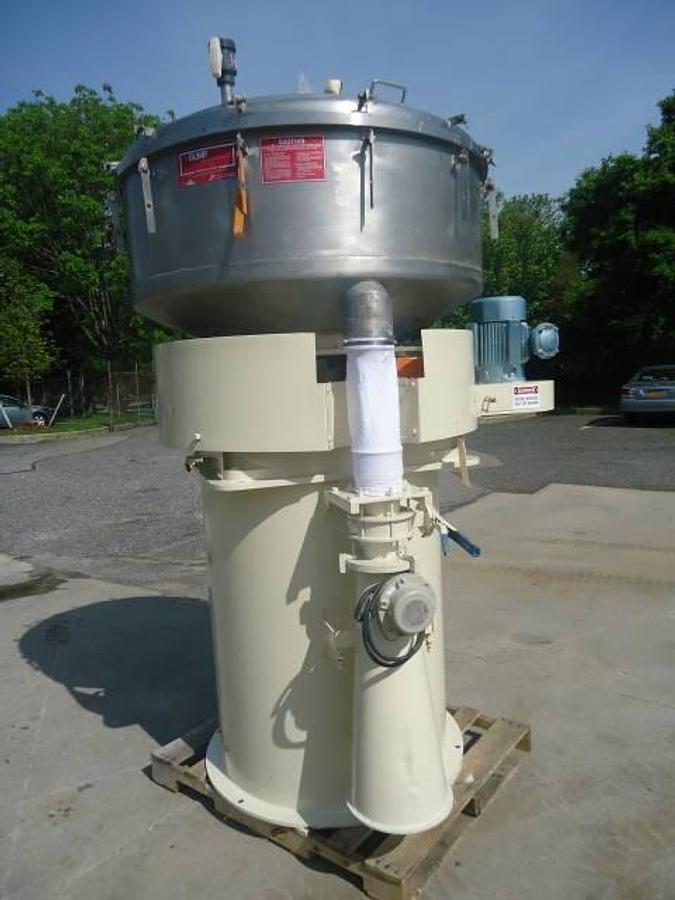
B.F. Gump built a reputation over many decades as a manufacturer focused on the agricultural and food processing industries, with particular strength in sorting and drying equipment. Their machines were engineered for precision and consistency, helping processors maintain product quality at scale. One well-known example from their lineup is the CP-43 Inline Pressure Sifter, a stainless steel unit designed for food-grade sifting applications. Beyond sifting, B.F. Gump equipment covered a range of processing functions that addressed the core challenges of bulk material handling in food production environments.
Because B.F. Gump is no longer actively manufacturing, every unit currently available on the market is a used machine. That actually speaks to the durability of their engineering. Many of these machines have remained operational for decades with proper upkeep, which is why they continue to attract buyers in the food processing and agricultural sectors. Buyers looking for specific models should work with dealers who specialize in food processing equipment, since that background helps ensure accurate identification and condition assessment of older machinery.
What industries commonly use B.F. Gump machinery?
B.F. Gump equipment has historically served the agricultural and food processing industries, where consistent sorting, sifting, and drying of bulk materials is critical to product quality. Grain processors, flour mills, spice manufacturers, and similar operations have relied on this type of machinery to maintain throughput and reduce product variability. The stainless steel construction found on models like the CP-43 Inline Pressure Sifter reflects the sanitary requirements typical of food-grade production environments, making B.F. Gump equipment a practical fit for facilities subject to food safety standards.
On the secondary market, buyers tend to come from smaller-scale food processors, contract manufacturers, and agricultural cooperatives that need reliable processing equipment without the capital outlay of purchasing new machinery. The heavy-duty build quality of B.F. Gump machines makes them attractive to operations that prioritize longevity and mechanical simplicity over cutting-edge automation. Buyers from these sectors should verify that any used unit they consider matches the specific material type and throughput requirements of their production line before committing to a purchase.
Is B.F. Gump still in business, and can buyers get manufacturer support?
B.F. Gump is no longer actively manufacturing equipment, which means there is no current factory support channel in the traditional sense. All machines available today are used units that have been on the market for some time. This is a meaningful consideration for buyers, because the level of documentation, parts availability, and technical guidance that might come from a manufacturer simply does not exist for B.F. Gump the way it would for an active company. Buyers should factor this into their due diligence process and consult with knowledgeable dealers who have hands-on familiarity with the specific model they are considering.
That said, the longevity and mechanical straightforwardness of B.F. Gump machinery means that experienced food processing equipment technicians can often service and maintain these machines without factory support. Third-party parts suppliers and machine shops can frequently fabricate or source replacement components for older equipment. Before purchasing, it is worth reaching out to independent service technicians who specialize in food processing machinery to get a realistic picture of ongoing maintenance requirements and parts availability for the specific model in question.
How do I verify the condition of a used B.F. Gump machine before buying?
Inspecting a used B.F. Gump machine before purchase is one of the most important steps a buyer can take, given that these are older units with no manufacturer support available. Reputable used equipment dealers will typically offer in-person inspections, virtual walkthroughs, or detailed video captures of the machine so buyers can assess its current condition. For machines still installed at a production facility, some dealers can arrange direct access to the site where the equipment is located, giving buyers a chance to see it in its operating environment. Keep in mind that most dealers do not have the permitting required to run actual production tests, so functional verification is usually limited to visual and mechanical inspection rather than a full production run.
During an inspection, buyers should look closely at wear points, the condition of contact surfaces (especially on stainless steel components like sifter screens and frames), the integrity of seals and gaskets, and whether all mechanical assemblies move freely without unusual resistance or noise. On pressure sifting equipment specifically, the condition of the sifting screens and pressure housing is critical. Buyers should also ask for any available maintenance records or documentation about the machine's service history. Choosing a dealer with a long track record in food processing equipment adds a meaningful layer of confidence, since experienced dealers can speak to the machine's history and flag any known issues upfront.
What is the typical price range for used B.F. Gump machinery?
Pricing for used B.F. Gump equipment varies considerably depending on the model, its mechanical condition, completeness of components, and how recently it was last in service. Simpler units or machines with significant wear can be found at lower price points, while well-maintained, fully operational machines in food-grade condition command higher prices. The stainless steel construction common to food processing models adds inherent material value that floors the pricing somewhat compared to carbon steel equipment of similar age. Buyers should treat any price they see as a starting point and factor in additional costs before calculating the true landed cost of the machine.
Those additional costs can add up quickly. Rigging and loading at the seller's location, freight charges, and any crating or palletization required to protect the machine in transit are all buyer-side expenses that vary based on machine size and destination. Once the machine arrives, installation, any necessary refurbishment, and sourcing replacement wear parts are further considerations. Getting a full breakdown of these costs from the dealer before committing to a purchase is the best way to avoid surprises and accurately compare options across different listings.
How do I find replacement parts for B.F. Gump equipment?
Sourcing parts for B.F. Gump machinery requires a different approach than buying parts for equipment from an active manufacturer. Since the company is no longer in production, buyers cannot go directly to a factory parts department. The most practical starting points are dealers who specialize in used food processing equipment, as they sometimes carry surplus parts or can connect buyers with other sources. Online industrial parts marketplaces and surplus equipment auctions occasionally surface B.F. Gump-specific components, particularly for more common models that were produced in large quantities.
For parts that cannot be found as direct replacements, a qualified machine shop can often fabricate components based on the existing part's dimensions, especially for mechanical elements like shafts, screens, or housings. Stainless steel fabrication shops with food processing experience are particularly well-suited for this kind of work on sifting and sorting equipment. Before purchasing any used B.F. Gump machine, it is worth identifying which wear parts are most likely to need replacement and investigating availability and cost for those specific items. This upfront research can prevent a situation where a machine is purchased and then sits idle because a critical component cannot be sourced.
Are used B.F. Gump machines compatible with modern production lines?
B.F. Gump machines were built to handle the mechanical demands of food processing and agricultural sorting, and the core functions they perform, such as inline pressure sifting and material classification, remain relevant in modern facilities. Whether a specific unit integrates smoothly into a current production line depends on factors like the machine's inlet and outlet dimensions, throughput capacity, power requirements, and control system compatibility. Older equipment typically uses simpler electromechanical controls rather than programmable logic controllers, which may require some adaptation if the facility relies on automated line management.
Many food processors find that the mechanical simplicity of older B.F. Gump equipment is actually an advantage in certain contexts, since it reduces the complexity of troubleshooting and maintenance compared to more electronically dependent modern machines. That said, buyers should have their engineering or maintenance team review the machine's specifications against their production line requirements before purchasing. Asking the dealer for full dimensional drawings, electrical specifications, and any available documentation on the machine's original performance parameters will make that evaluation much more straightforward.
What should I look for when inspecting a used B.F. Gump inline pressure sifter?
An inline pressure sifter like the B.F. Gump CP-43 operates under pressure, which means the integrity of the housing, seals, and screen assemblies is especially important. During an inspection, buyers should examine the pressure housing for any signs of cracking, corrosion, or previous repairs that might compromise structural integrity under operating conditions. Stainless steel construction is generally resistant to corrosion, but weld points and areas around gaskets and fittings can show wear over time. The sifting screens themselves are a consumable component, and their condition directly affects the machine's ability to perform accurate classification. Torn, deformed, or improperly tensioned screens will need replacement before the machine can be put back into service.
Beyond the pressure components, buyers should check the drive assembly, bearings, and any gyratory or vibratory mechanisms for smooth, consistent operation without unusual noise or excessive play. Asking the dealer to demonstrate the machine running under power, even without product, can reveal mechanical issues that a static inspection might miss. If an in-person visit is not possible, a detailed video inspection conducted by the dealer is a reasonable alternative. Buyers should request footage that covers all major components and includes the machine running, not just static shots of the exterior.
What are typical shipping and logistics considerations when buying used B.F. Gump equipment?
Shipping used industrial machinery involves more planning than standard freight, and buyers should get a clear picture of all logistics costs before finalizing a purchase. The seller will typically be responsible for preparing the machine for shipment, which may involve palletizing, crating, or custom packaging depending on the machine's size and fragility. The level of packaging directly affects the risk of damage in transit, so buyers should ask specifically what packaging the dealer provides and whether additional crating is available for an extra charge. Larger or heavier machines may require specialized rigging equipment for loading at the origin and unloading at the destination, and those rigging costs are generally the buyer's responsibility.
Freight charges will vary based on machine weight, dimensions, origin, destination, and the type of carrier required. Flatbed trucking is common for larger industrial equipment, while smaller machines may ship via standard LTL freight. Buyers should request a full breakdown of packaging, rigging, and freight costs from the dealer so they can calculate the true landed cost of the machine before comparing it to other options. It is also worth confirming who is responsible for coordinating freight and whether the dealer works with preferred carriers, as that can sometimes simplify the logistics process.
What payment terms do used industrial equipment dealers typically require?
Most used industrial equipment dealers require full payment before a machine is shipped. This is standard practice in the industry and reflects the fact that used equipment transactions involve older machinery that is sold as-is, without the return policies that might apply to consumer goods. Buyers should be prepared to complete payment in full prior to any shipping arrangements being made. Some dealers may extend payment terms to repeat customers with whom they have an established relationship, but this is the exception rather than the rule for first-time buyers.
Common payment methods in used equipment transactions include wire transfer, which is the most widely accepted method for larger purchases, as well as certified checks or other verified funds. Credit card payments may be accepted by some dealers, though often with a processing fee added. Buyers should clarify accepted payment methods with the dealer early in the process to avoid delays once a purchase decision is made. It is also worth confirming exactly when payment is due relative to the shipping timeline, since some dealers will begin preparing the machine for shipment only after funds have cleared.