Category
Manufacturer
Model
Autotherm
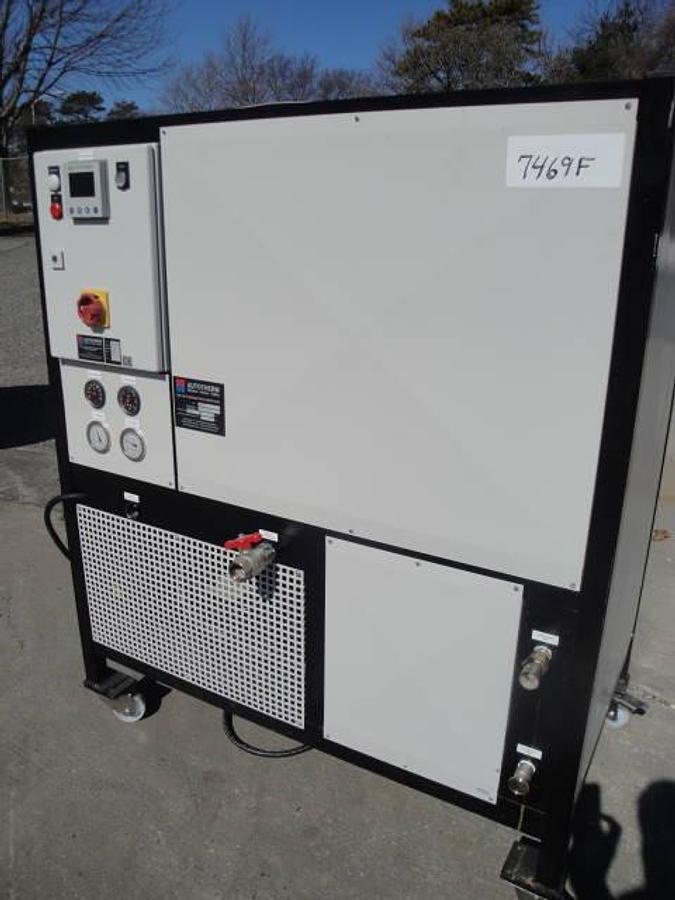
Autotherm manufactures advanced thermal processing equipment extensively used in food processing and metalworking industries. Their systems offer precision heat treatment and drying solutions, ensuring optimal conditions for various manufacturing processes. Autotherm’s reputation for reliability and efficiency underscores their contributions to industrial heat management.
FAQ:
What types of thermal processing applications is Autotherm equipment designed for?
Autotherm thermal processing equipment is designed to handle a broad range of industrial heat treatment and drying applications. Their systems are commonly used for processes such as annealing, tempering, stress relieving, hardening, and drying, making them a practical choice across both metalworking and food processing environments. The equipment is built to deliver precision temperature control, which is critical in applications where heat uniformity directly affects the quality and consistency of the finished product.
In metalworking, Autotherm systems are frequently used for heat treating ferrous and non-ferrous metals to achieve specific mechanical properties. In food processing, their drying and thermal systems help manufacturers meet production throughput requirements while maintaining product integrity. The combination of reliability and efficiency that Autotherm equipment is known for makes it a recurring choice for facilities that require repeatable, controlled thermal environments across high-volume manufacturing operations.
What industries commonly use Autotherm thermal processing equipment?
Autotherm thermal processing equipment sees regular use across several manufacturing-intensive industries. Metal fabrication and metalworking operations rely on these systems for heat treatment processes that alter the physical and chemical properties of metal components. Food processing facilities use Autotherm drying and thermal systems to manage moisture content and ensure product consistency at scale. Beyond these two primary sectors, Autotherm equipment also appears in automotive manufacturing, aerospace component production, electronics fabrication, and ceramics processing, where precise and repeatable heat application is a production requirement rather than an option.
The common thread across all these industries is the need for controlled thermal environments that can be monitored and adjusted to tight tolerances. Facilities evaluating used Autotherm equipment for any of these applications should pay close attention to the specific model and configuration available, since chamber size, temperature range, heat source type (gas-fired versus electric), and control system generation can vary significantly from one unit to the next. Matching the equipment's specifications to the intended application is the most important step in the purchasing decision.
What temperature ranges can Autotherm thermal processing equipment achieve?
Temperature capability varies by model and configuration within the Autotherm product line. Industrial heat treatment systems in this category generally span from low-temperature drying applications, which may operate in the range of 150°F to 400°F (65°C to 200°C), up to high-temperature furnace systems capable of reaching 2000°F (1093°C) or beyond, depending on the specific design and intended metallurgical application. Food processing and drying equipment typically operates in the lower end of this range, while systems intended for annealing, hardening, or stress relieving metals are built for significantly higher operating temperatures.
When evaluating a used Autotherm unit, buyers should confirm the rated maximum temperature of the specific model and assess whether the heating elements, insulation, and control systems are still capable of reaching and holding that temperature consistently. Age and prior use patterns can affect temperature uniformity and the accuracy of control systems over time. Requesting documentation on the machine's last calibration or service history, and arranging a thorough inspection before purchase, will give buyers the clearest picture of the equipment's current thermal performance.
Is Autotherm equipment available in both batch and continuous processing configurations?
Autotherm manufactures equipment suited to both batch and continuous processing operations, which is part of what makes the brand relevant across such a wide range of production environments. Batch systems, such as box furnaces and chamber ovens, process a fixed load of material per cycle and are well suited to job shops, lower-volume production, or applications requiring different thermal profiles for different product types. Continuous systems, including conveyor ovens and tunnel dryers, are designed for high-throughput production lines where parts or products move through the heat zone at a controlled rate without interruption.
When shopping for used Autotherm equipment, understanding which processing configuration fits the intended production workflow is essential before evaluating any specific listing. A continuous conveyor system may offer higher throughput but requires more floor space and a consistent feed of product to run efficiently. A batch system offers more flexibility in load size and thermal programming but introduces cycle time as a production constraint. Both configurations appear in the used equipment market, and the right choice depends on the buyer's production volume, floor space, and process requirements rather than any inherent superiority of one type over the other.
What should buyers look for when inspecting used Autotherm thermal processing equipment?
Inspecting used thermal processing equipment requires attention to several mechanical and functional areas that directly affect performance and long-term reliability. For Autotherm systems, buyers should examine the condition of the heating elements or burners, the integrity of the refractory or insulation lining, the functionality of the temperature control system and thermocouples, and the condition of any conveyor, fan, or drive components. Signs of uneven heat distribution, damaged insulation, or outdated controls can all affect how well the machine performs in production and what additional investment may be needed after purchase.
Used equipment dealers typically offer in-person inspections, virtual walkthroughs, or video documentation of the machine's current condition. Some units may still be installed and running at the facility where they were used, which allows for a more realistic assessment of operating condition. Keep in mind that most dealers do not have the permitting or infrastructure to run actual production tests, so inspections focus on mechanical and electrical condition rather than live process output. Buyers should also contact the manufacturer directly to understand what level of technical support, spare parts availability, and documentation can be expected for the specific model and age of the unit being considered.
How does the total cost of ownership factor into buying used Autotherm equipment?
The purchase price of a used Autotherm system is only one part of the overall cost equation. Energy consumption is a significant ongoing expense for thermal processing equipment, and older systems may be less efficient than more recent designs. Buyers should ask about the power requirements (kilowatts for electric systems) or gas consumption rates for fuel-fired units, and compare those figures against current utility costs to estimate annual operating expenses. Maintenance costs, including replacement heating elements, thermocouples, refractory repairs, and control system upgrades, should also be factored in based on the machine's age and observed condition.
Downtime risk is another cost factor that is easy to underestimate. A used machine that requires frequent repairs or extended lead times for parts can disrupt production schedules and erode the savings gained from buying used rather than purchasing a new system. Selecting equipment from a reputable dealer who specializes in industrial thermal processing, reviewing the machine's service history where available, and consulting the manufacturer about parts availability for that specific model are all practical steps toward understanding the true long-term cost of the equipment. A lower upfront price on a machine with uncertain reliability may cost more over a three-to-five-year horizon than a higher-priced unit in demonstrably better condition.
What compliance standards and certifications should buyers verify for used Autotherm equipment?
Industrial thermal processing equipment is subject to various safety and performance standards depending on the region of intended use and the specific application. Common certifications that buyers may encounter include CE marking for equipment sold in European markets, UL or CSA listings for electrical safety in North American applications, and compliance with NFPA standards for gas-fired equipment. ISO-related quality standards may also be relevant for facilities operating under quality management systems that require documented equipment compliance as part of their certification requirements.
For used equipment, verifying that the original certifications are still valid and applicable to the buyer's operating environment is an important due diligence step. Modifications made to the machine after it left the manufacturer, changes in local regulatory requirements, or the age of the certification documentation can all affect whether the equipment meets current compliance expectations. Buyers should request all available documentation from the dealer, including any original manuals, electrical schematics, and certification plates or tags on the machine itself. Consulting with a qualified electrical or mechanical engineer before installation is advisable, particularly if the machine will be integrated into a facility that operates under strict safety or quality certifications.
What are the typical lead times for purchasing and receiving used Autotherm equipment?
Lead times for used industrial equipment depend on several variables that differ from buying through a standard supply chain. Once a purchase agreement is in place, the timeline is largely driven by the packaging and crating process, the rigging required to load the machine, and the shipping method selected. Smaller Autotherm units, such as benchtop or compact systems, can often be crated and shipped within a week or two of payment. Larger furnaces or continuous conveyor systems require more preparation, including professional rigging for loading, heavier crating or custom skidding, and potentially specialized freight arrangements such as flatbed trucking or LTL freight with liftgate service.
Buyers should ask dealers for a clear breakdown of the expected timeline from payment to delivery, including how long packaging and rigging will take, what shipping options are available, and what the estimated transit time is to the destination. It is also worth confirming whether the machine is currently installed at a production facility or already in the dealer's inventory, since machines still in active use at a plant may require coordination with the current owner before they can be decommissioned and prepared for shipment. Getting a full picture of the landed cost, which includes packaging, rigging, freight, and any unloading requirements at the destination, before finalizing the purchase helps avoid unexpected expenses.
What payment terms should buyers expect when purchasing used Autotherm equipment?
Used industrial equipment transactions typically follow straightforward payment terms that differ from the net-30 or net-60 arrangements common in ongoing supplier relationships. Most used equipment dealers require full payment before the machine is released for shipping. This protects the dealer against non-payment on high-value, difficult-to-resell assets and is standard practice across the industry. Payment is commonly accepted by wire transfer, although some dealers may also accept other forms of verified funds. Buyers should confirm accepted payment methods early in the process to avoid delays once an agreement is reached.
For buyers who are repeat customers or who have an established relationship with a dealer, some flexibility on payment terms may be available, but this is the exception rather than the rule for first-time transactions. Buyers should also be aware that the quoted price for the equipment itself is typically separate from shipping, rigging, and crating costs, which are usually invoiced based on actual requirements once the machine is prepared for transport. Clarifying what is included in the purchase price versus what will be billed separately ensures there are no surprises when the final invoice arrives.
How does buying used Autotherm equipment compare to purchasing a new thermal processing system?
The primary advantage of purchasing used Autotherm equipment is cost. Used thermal processing systems are typically available at a fraction of the price of a comparable system purchased directly from a manufacturer, which can make a meaningful difference in capital expenditure for facilities operating under budget constraints or looking to expand capacity without a large upfront investment. Used equipment also avoids the lead times associated with custom-manufactured systems, which can run several months from order to delivery for purpose-built industrial furnaces and ovens.
The trade-offs are worth understanding clearly. Used equipment comes without a manufacturer warranty and is sold as-is, placing the burden of due diligence on the buyer. The age of the machine may affect parts availability, and control systems on older units may lack the programmability or connectivity features found on more recently manufactured equipment. Buyers who prioritize the latest energy efficiency standards, modern PLC-based controls, or specific compliance certifications may find that a used unit requires upgrades to meet those requirements. For buyers whose primary need is reliable thermal processing capacity at a lower capital cost, and who are willing to invest in a thorough inspection before purchasing, used Autotherm equipment can represent strong value relative to the alternative of buying through a manufacturer.