Category
Manufacturer
Model
Autoprod
Autoprod is recognized for its specialized food packaging equipment, with expertise in aseptic filling and sealing machines. Serving the dairy and beverage industries, Autoprod’s technology ensures product safety and longer shelf life. Their commitment to innovation and hygiene standards helps producers meet stringent regulatory requirements globally.
FAQ:
What types of food packaging equipment does Autoprod manufacture?
Autoprod specializes in food packaging equipment designed primarily for aseptic filling and sealing applications. Their product line includes rotary cup fillers, sealers, and cappers, as well as multi-lane cup filling, sealing, and lidding machines. These machines are built specifically for dairy, beverage, deli, and fresh food producers who need reliable, high-speed automated packaging with strict hygiene requirements. The equipment is constructed with hygienic stainless steel and is typically designed to be compatible with clean-in-place (CIP) sanitation systems, which is a critical requirement in food production environments.
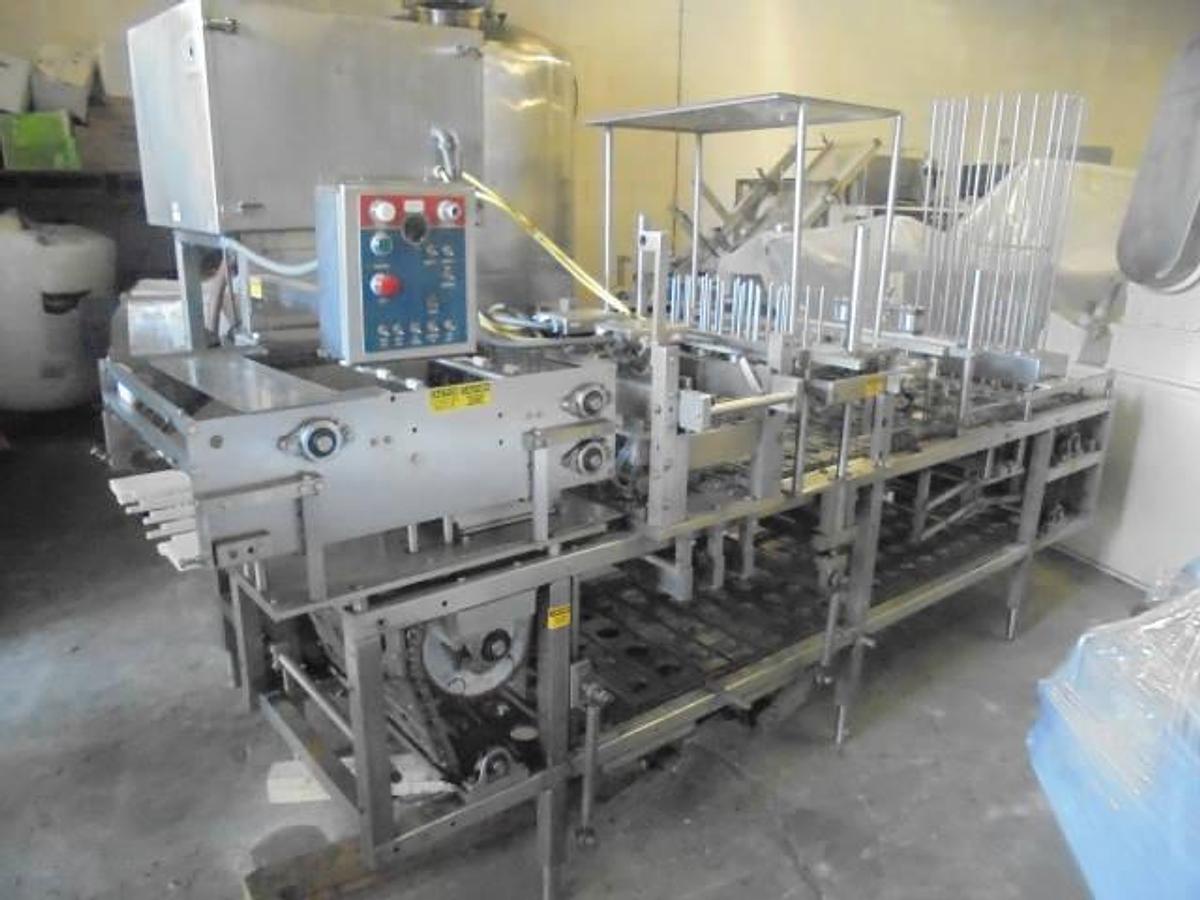
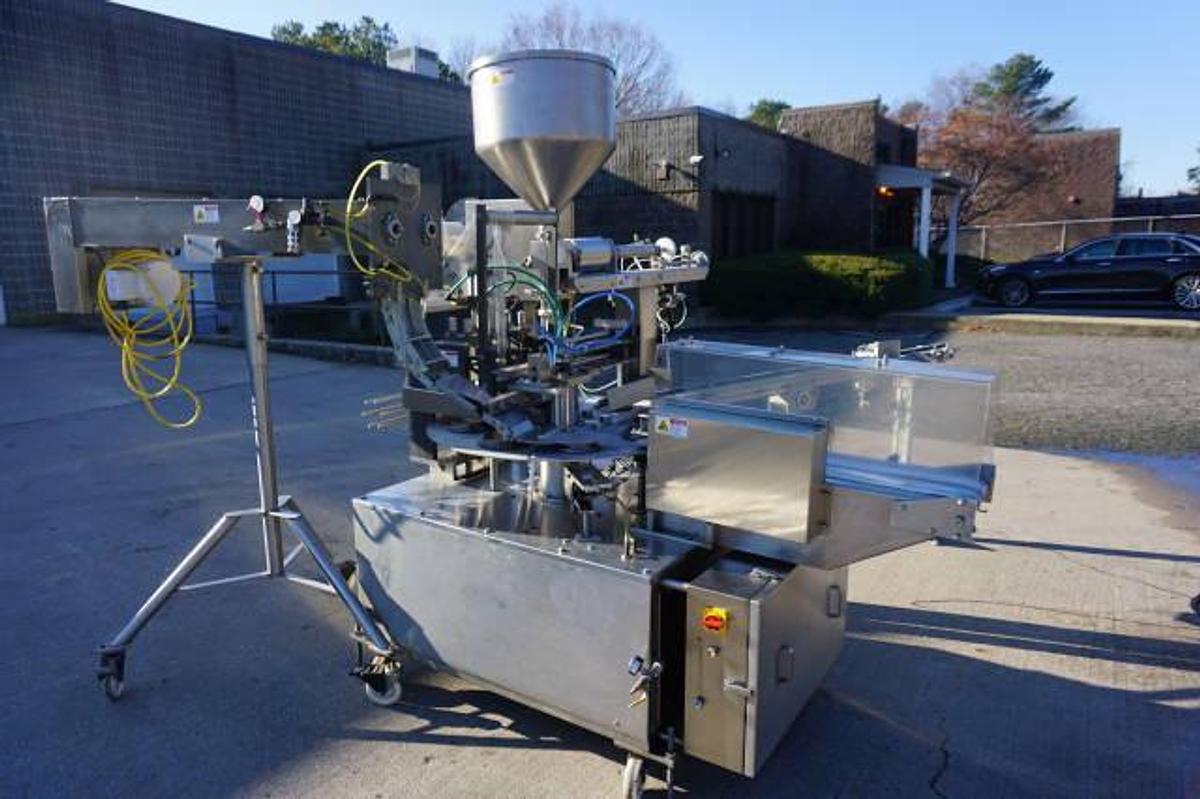
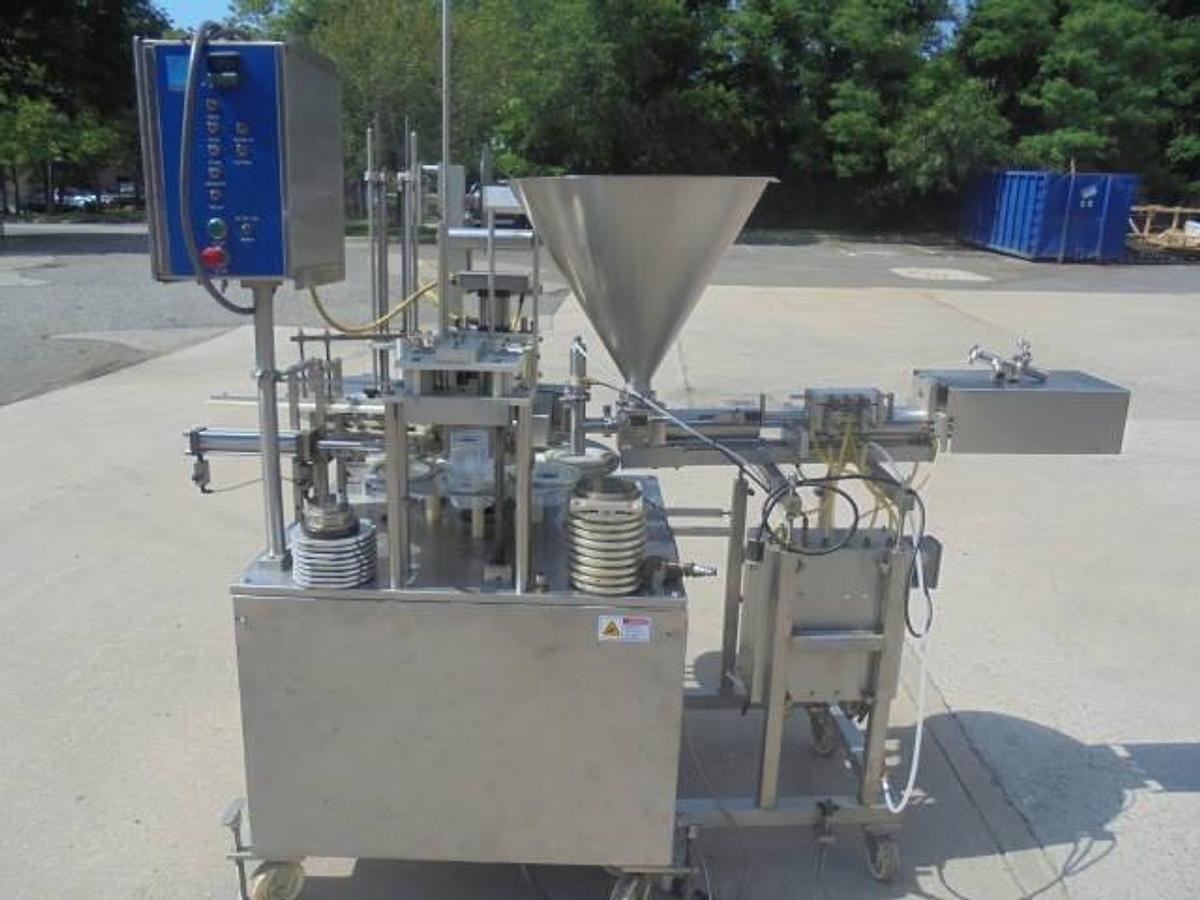
Specific models in the Autoprod lineup include the RO-A7 HS Rotary Fill/Seal/Cap System, the RO-A3 Rotary Cup Filler/Sealer/Capper, and the FP 2X4 Four Lane Cup Filling/Sealing/Lidding Machine. The RO-A1 Rotary Filler/Sealer is another well-known model in their catalog. These machines handle a range of packaging formats, primarily focused on cup-style containers, and are designed to meet stringent regulatory and food safety standards across global markets. For buyers sourcing used Autoprod equipment, it is worth identifying the exact model and confirming its configuration, as fill volume adjustability and tooling setups can vary from one machine to the next.
What production speeds can Autoprod packaging machines achieve?
Autoprod machines are built for medium to large-scale food production operations and are capable of impressive throughput rates depending on the model. The RO-A3 Rotary Cup Filler/Sealer/Capper, for example, operates at up to 50 cups per minute, as does the RO-A1 Rotary Filler/Sealer. The RO-A7 HS Rotary Fill/Seal/Cap System runs at approximately 40 cycles per minute. At the higher end, the FP 2X4 Four Lane Cup Filling/Sealing/Lidding Machine is capable of processing 240 cups per minute, making it well-suited for high-volume dairy or beverage operations where line efficiency is critical.
When evaluating a used Autoprod machine, it is important to understand that published speeds represent the machine's rated capacity under ideal conditions. Actual throughput in a production environment depends on factors like product viscosity, cup size, tooling condition, and how well the machine has been maintained. Buyers should ask the seller about the machine's operating history, the types of products it was running, and whether it was regularly serviced. If possible, requesting a video of the machine running or arranging an in-person inspection at the facility where it was last used can give a much clearer picture of what to expect in terms of real-world performance.
What industries use Autoprod food packaging equipment?
Autoprod equipment is designed primarily for the dairy and beverage industries, where aseptic filling and hygienic sealing are non-negotiable requirements. Producers of yogurt, sour cream, cottage cheese, flavored milk, and similar dairy products are among the most common users of Autoprod machinery. The equipment is also used in deli food production, fresh food packaging, and beverage filling applications where product safety, shelf life extension, and consistent portion control are priorities.
Beyond dairy and beverages, Autoprod's cup filling and sealing technology has found applications in any food category that uses pre-formed cup containers, including puddings, dips, sauces, and portion-packed condiments. The machines are engineered to meet the hygiene and regulatory standards required in these environments, including compliance with food safety regulations in North American and international markets. For operations looking to add or expand cup-filling capacity, used Autoprod equipment can be a practical option, particularly for producers whose product formats align with the machine's existing tooling and configuration.
What should buyers look for when purchasing used Autoprod equipment?
Buying used food packaging equipment requires a different level of diligence than purchasing from a manufacturer. With Autoprod machines, prospective buyers should start by identifying the exact model number and confirming the machine's production history, including how many hours it has run, what products it was filling, and whether it has undergone regular preventive maintenance. The condition of wear components like sealing dies, filling valves, conveyor belts, and servo drives should be assessed carefully, as these parts directly affect machine performance and can represent significant replacement costs.
One of the most important steps is arranging an inspection before committing to a purchase. Reputable used equipment dealers will typically offer in-person inspections, video walkthroughs, or recorded demonstrations of the machine. Keep in mind that most dealers are not set up to run actual product through the machine during an inspection, as food production requires specific permitting that equipment dealers do not hold. However, a video of the machine cycling through its motions can still reveal a great deal about its mechanical condition. Buyers should also contact Autoprod directly to ask about parts availability and technical support for the specific model they are considering, since older or discontinued models may have limited manufacturer support.
How do used Autoprod machines compare to buying new food packaging equipment?
Used Autoprod equipment offers a significant cost advantage over purchasing a comparable machine from a manufacturer. For food producers who need proven, high-quality cup filling and sealing technology but want to avoid the capital expense of a brand-new line, the used equipment market can provide access to the same core functionality at a fraction of the price. Autoprod machines are built to industrial food-grade standards with stainless steel construction and robust mechanical systems, which means well-maintained units can continue operating effectively for many years after their initial installation.
The trade-off is that used equipment is sold as-is, without the coverage that comes with a purchase from a manufacturer. This means the buyer assumes responsibility for the machine's condition from the point of purchase. There is no manufacturer coverage on a used machine, and parts availability can vary depending on the model's age. Buyers should factor in the potential cost of refurbishment, tooling replacement, or electrical upgrades when calculating the total cost of acquisition. Selecting a dealer with deep experience in food packaging equipment and a verifiable track record is one of the most effective ways to reduce risk in a used equipment purchase.
What packaging formats and materials are compatible with Autoprod machines?
Autoprod equipment is primarily designed around pre-formed cup containers, making it a strong fit for operations that package dairy, deli, or fresh food products in single-serve or multi-serve cup formats. The machines handle filling, sealing, and in some configurations, capping, which covers the full packaging cycle for cup-based products. Lid and seal materials typically include foil, film, and paperboard laminates, depending on the product and shelf-life requirements. The specific materials a machine can handle depend on the model and how the sealing tooling is configured.
For buyers evaluating a used Autoprod machine, it is critical to confirm that the existing tooling matches their intended cup size, lid format, and seal material. Tooling for cup filling and sealing machines is typically product-specific, and switching to a different cup diameter or lid type may require additional tooling investment. Some machines are also configurable for different fill volumes through adjustable fill heads, which adds flexibility for operations that run multiple SKUs. Before purchasing, buyers should document the tooling that comes with the machine and verify that it is compatible with their packaging specifications or budget for any necessary changeover parts.
How is used food packaging equipment typically shipped, and what costs should buyers expect?
Shipping used food packaging equipment involves more complexity than standard freight, and the costs can vary considerably based on the size and weight of the machine, its destination, and the level of packaging required to protect it in transit. Smaller Autoprod models may be palletized and shipped via standard LTL freight, while larger multi-lane machines like the FP 2X4 may require custom crating, specialized rigging for loading and unloading, and flatbed or enclosed transport. Rigging services, which involve the use of forklifts, cranes, or other heavy equipment to safely move and load machinery, are typically an added cost beyond the base shipping rate.
Buyers should ask the seller for a detailed breakdown of all shipping-related costs before finalizing a purchase. This should include palletization or crating fees, rigging at the point of origin, freight charges, and any rigging or unloading assistance required at the destination. Understanding the full landed cost of the equipment is essential for accurate budgeting. It is also worth confirming whether the machine will be shipped from a dealer's warehouse or directly from a production facility, as the latter may involve coordination with the facility owner and could affect scheduling and access.
What are typical payment terms when buying used food packaging equipment?
Most used equipment dealers require payment in full before a machine is released for shipping. This is standard practice in the industry and reflects the fact that used equipment transactions typically do not involve the same financing infrastructure as purchases from a manufacturer. For buyers making a significant investment in a piece of equipment like an Autoprod filling and sealing system, this means having capital ready or arranging third-party financing before the purchase is completed. Some dealers may offer payment terms to established customers with a prior purchasing history, but this is not the norm for first-time buyers.
Accepted payment methods vary by dealer but commonly include wire transfer, ACH, and in some cases business checks, though checks may require clearance before shipment is authorized. Buyers should clarify payment expectations early in the negotiation process and confirm exactly when title transfers and when the machine will be prepared for shipping after payment is received. For high-value transactions, some buyers choose to work with an escrow service or request detailed documentation of the machine's condition prior to releasing funds. Asking for photos, inspection reports, or video documentation as part of the pre-purchase process is a reasonable and common practice.
Can buyers inspect used Autoprod equipment before purchasing?
Inspections are a standard part of purchasing used food packaging equipment, and reputable dealers will accommodate them in several formats. In-person inspections allow a buyer or their technician to physically examine the machine, check for wear, review electrical panels, and assess overall condition. Virtual inspections via video call are also common and can be arranged when travel is not practical. Many dealers can also provide pre-recorded video of the machine running through its cycle, which gives buyers a useful look at mechanical function without requiring a site visit.
It is worth noting that most equipment dealers are not licensed food production facilities, so they cannot run actual product through the machine during an inspection. What buyers can typically observe is the machine cycling mechanically, which still provides meaningful information about the condition of drives, conveyors, sealing heads, and other components. In some cases, the equipment may still be installed at the production facility where it was last used, and an inspection can be arranged at that location. Whether the machine is still in production or has been decommissioned will affect what can be demonstrated. Buyers should use the inspection as an opportunity to ask detailed questions about the machine's service history, any known issues, and the availability of spare parts.
How should buyers evaluate the long-term support and parts availability for a used Autoprod machine?
Before committing to a used Autoprod machine, buyers should contact the manufacturer directly to ask about support for the specific model they are considering. The level of technical assistance and parts availability that Autoprod can provide depends heavily on the age of the machine and whether it is a current or discontinued model. Older machines may have limited parts support from the manufacturer, which means buyers need to plan for sourcing components through third-party suppliers or fabricating certain parts as needed. This is a normal reality of the used equipment market and should be factored into the total cost of ownership calculation.
Beyond manufacturer support, buyers should assess whether the dealer they are working with has experience with Autoprod equipment specifically. Dealers who specialize in food packaging machinery are more likely to have technical knowledge of these machines, access to spare parts inventories, and relationships with service technicians familiar with the brand. Choosing a dealer with a long track record in the food equipment sector reduces the risk of purchasing a machine with undisclosed issues. Buyers should also consider whether their own maintenance team has experience with similar filling and sealing equipment, or whether they will need to budget for outside technical support during installation and commissioning.