Category
Manufacturer
Model
Ateco
Ateco is a prominent designer of decorating and icing equipment for the bakery and confectionery industries. Their product line includes precision nozzles and tools that enhance creative design in cake and pastry production. Known for their attention to detail, Ateco empowers pastry chefs to achieve professional quality outcomes.
FAQ:
What types of Ateco equipment are available on the used market?
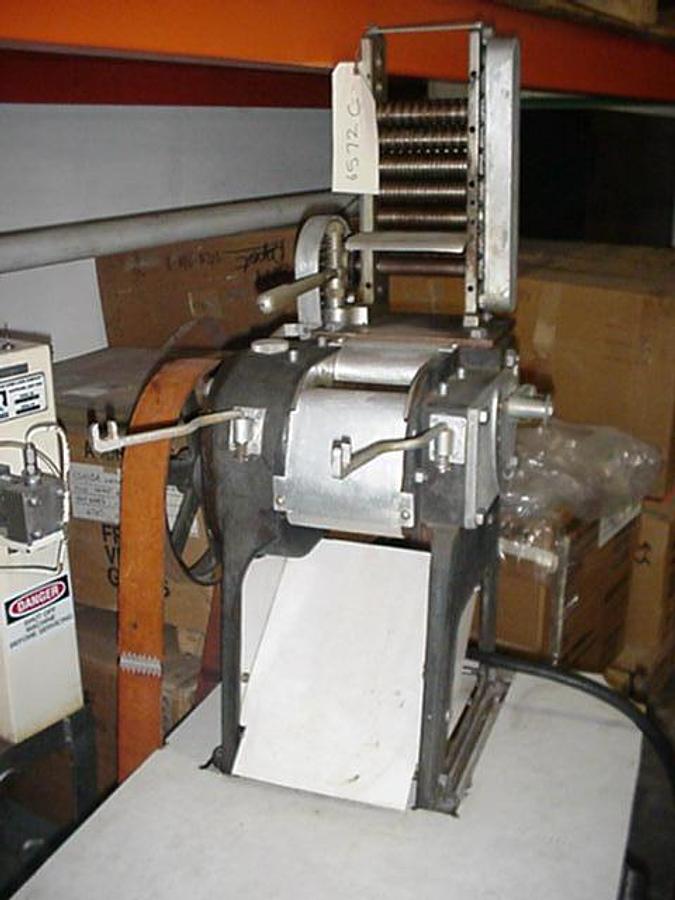
Ateco produces a wide range of equipment for the bakery and confectionery industries, and many of these machines and tools surface on the used market as commercial kitchens, bakeries, and food production facilities upgrade or close their operations. The most commonly available used Ateco equipment includes tabletop pasta sheeters, decorating and icing tools, precision nozzle sets, turntables, bench scrapers, and pastry cutters. Larger tabletop production units like pasta sheeters are particularly sought after by small bakeries and specialty food producers who want commercial-grade output without the footprint or cost of full industrial machinery.
Beyond production equipment, Ateco's decorating tool sets, including their well-regarded stainless steel pastry tips, couplers, and related accessories, also appear in used lots, often as complete professional collections with 50 or more pieces. These sets are an industry standard in professional pastry kitchens, and buying them used can represent significant savings compared to purchasing retail. Anyone sourcing used Ateco equipment should pay close attention to the specific model and condition, since Ateco has produced many variations of similar tools over its long history dating back to 1905, and parts availability can vary by age and model.
What is Ateco known for in the bakery and confectionery industry?
Ateco has been a fixture in professional baking and pastry work since 1905, making it one of the longer-standing American brands in the culinary equipment space. The company built its reputation primarily on decorating and icing equipment, with its stainless steel pastry tips widely regarded as an industry standard. Pastry chefs value Ateco tips for their precision, consistency, and durability across high-volume production environments. Beyond tips, the brand is recognized for a broad product line that includes turntables, bench scrapers, dough cutters, and tabletop production equipment like pasta sheeters.
What sets Ateco apart from many competitors is the sheer range of its tip catalog. Professional sets can include 50 or more distinct tip styles and sizes, giving pastry chefs the flexibility to execute everything from basic frosting work to intricate decorative piping. This depth of product line is one reason Ateco equipment holds its value well on the secondary market. Used Ateco tools and machines are frequently purchased by professional kitchens, culinary schools, and serious home bakers who want commercial-quality results without paying retail prices for equipment that still has plenty of productive life left in it.
Is used Ateco equipment suitable for professional pastry and bakery production?
Used Ateco equipment is regularly purchased by professional bakeries, pastry shops, catering operations, and culinary schools precisely because the brand was designed from the ground up for commercial use. Ateco's tabletop pasta sheeters and decorating tools are built to handle the demands of production environments, and a well-maintained used unit can perform just as reliably as it did when it was first put into service. The key is verifying the condition of the specific machine or tool set before purchase, which is why thorough inspection is so important when buying used commercial equipment.
For smaller operations or those just scaling up, used Ateco equipment offers a practical path to commercial-grade capability without the capital outlay of buying at retail. A used tabletop pasta sheeter, for example, gives a small pasta producer or specialty bakery the ability to sheet dough consistently and efficiently, which is difficult to replicate with consumer-grade alternatives. Buyers should request detailed photos, video walkthroughs, or in-person inspections to confirm that the equipment operates as expected and that any wear is cosmetic rather than functional. Consulting with Ateco directly about parts and support availability for a specific model is also a smart step before committing to a purchase.
How should I inspect used Ateco equipment before buying?
Inspecting used commercial equipment before purchase is one of the most important steps a buyer can take to avoid costly surprises. For used Ateco equipment, reputable dealers will typically offer in-person inspections, virtual walkthroughs, or detailed video captures of the machine in its current state. If the equipment is still installed at a production facility, some dealers can arrange access so the buyer can see it in an active or recently decommissioned setting. The goal of any inspection is to get an accurate, honest picture of the machine's working condition, including any visible wear, missing components, or mechanical issues.
Keep in mind that most used equipment dealers do not have the permitting or setup required to run full production tests with actual product, so functional testing is generally limited to confirming that the machine powers on, moves correctly, and shows no obvious signs of damage or excessive wear. For decorating tools and tip sets, inspection is more straightforward since buyers can assess condition visually, checking for deformation, corrosion, or missing pieces. Buyers should also ask the dealer about the equipment's history, including how long it was in service and under what production conditions, since high-volume commercial use will show more wear than light or intermittent use.
What should I know about shipping used Ateco equipment?
Shipping used commercial equipment requires more planning than a typical retail purchase, and the costs involved can vary significantly depending on the size, weight, and fragility of the specific Ateco item being purchased. Smaller items like decorating tool sets and pastry tip collections are relatively straightforward to package and ship, but larger tabletop equipment like pasta sheeters requires proper palletization or crating to prevent damage in transit. Dealers will generally handle packaging, but the level of protection required, and therefore the cost, depends on what the equipment needs to arrive safely.
For heavier or more awkward equipment, rigging for loading and unloading at either end of the shipment can add to the total landed cost. Buyers should ask dealers upfront for a detailed breakdown of packaging, rigging, and freight charges so there are no surprises when calculating the true cost of the purchase. Getting this information before finalizing a deal is especially important for buyers who are comparing multiple pieces of equipment at different price points, since a lower sticker price can sometimes be offset by higher shipping costs depending on the dealer's location and the buyer's destination.
What are the typical payment terms when buying used Ateco equipment from a dealer?
Payment practices in the used commercial equipment market are fairly consistent across reputable dealers. In most cases, full payment is required before the equipment is released for shipping. This protects the dealer and ensures the transaction is complete before the machine leaves their custody. For buyers purchasing from a dealer for the first time, this is the standard expectation, and it is worth factoring into cash flow planning, especially for larger purchases.
Some dealers extend payment terms to repeat customers or established business accounts, but this is not universal and typically requires a prior relationship. Buyers who are new to a particular dealer should ask about accepted payment methods and confirm the payment timeline relative to the shipping schedule. It is also worth clarifying what happens in the event of a shipping delay or logistical issue, so both parties have clear expectations before the transaction is finalized. Working with a dealer who has a long track record in the bakery and food equipment space adds a layer of confidence to the process, since their reputation depends on handling transactions fairly and transparently.
What warranty or support can I expect when buying used Ateco equipment?
Used commercial equipment is typically sold on an as-is basis, which is standard practice across the used machinery industry. This means the buyer assumes responsibility for verifying the condition of the equipment before purchase, and there is no coverage from the original manufacturer's warranty on a used machine. The as-is nature of these transactions is exactly why inspection matters so much. A buyer who takes the time to thoroughly evaluate a piece of equipment, whether in person, via video, or through detailed photos provided by the dealer, is in a much better position than one who purchases sight unseen.
For buyers concerned about long-term support, it is worth contacting Ateco directly before purchasing a specific used model to ask about parts availability and technical support. Ateco has been in business since 1905, which generally works in the buyer's favor since the brand has a long institutional history, but the level of support available for a particular machine can vary based on its age and how long ago that model was produced. Selecting a dealer who specializes in bakery and food production equipment, and who has a verifiable history of selling in that category, is one of the best ways to reduce risk when buying used.
What materials are Ateco decorating tools made from, and does that matter for used equipment buyers?
Ateco's decorating tips and many of its hand tools are made from stainless steel, which is one of the reasons the brand carries the reputation it does in professional kitchens. Stainless steel is corrosion-resistant, food-safe, and holds its shape well under repeated use and cleaning, which makes it a practical material for pastry tools that go through commercial dishwashers and heavy daily use. Some Ateco accessories incorporate other food-safe materials, but the core decorating tip line is predominantly stainless steel construction.
For buyers considering used Ateco tools, the stainless steel construction is actually a significant advantage. Unlike tools made from softer metals or plastics, stainless steel tips and scrapers tend to age well as long as they have been properly maintained and stored. When inspecting used sets, buyers should look for any deformation of the tip openings, which would affect piping precision, as well as any signs of rust or pitting that could indicate improper storage or exposure to harsh chemicals. A well-maintained set of used stainless steel Ateco tips can deliver the same precision and consistency as a set purchased retail, which is why these sets retain value on the secondary market.
How do I choose the right used Ateco decorating or production equipment for my needs?
The right Ateco equipment depends heavily on the type of production or decorating work being done and the volume at which it needs to happen. For pastry decorating, the key variables are the range of tip styles needed and the production volume. A small custom cake operation might do well with a focused set of 20 to 30 tips covering the most common piping styles, while a high-volume bakery or culinary school would benefit from a larger professional collection with 50 or more pieces covering specialty techniques. For production equipment like a tabletop pasta sheeter, the relevant factors are throughput capacity, the thickness range the machine can achieve, and the footprint it requires in the workspace.
When browsing used Ateco equipment, it helps to know the specific model number of any piece you are considering, since Ateco has produced many iterations of similar products over its long history. The model number allows you to look up original specifications, confirm compatibility with any existing accessories or attachments, and check with Ateco about parts availability. Dealers who specialize in bakery and food production equipment are generally a better resource than general industrial equipment sellers, since they are more likely to accurately describe condition and application suitability for this category of machinery.
Why do professional bakeries and pastry operations buy used Ateco equipment instead of purchasing retail?
The primary driver is cost. Commercial bakeries and pastry operations run on tight margins, and buying used equipment allows them to access professional-grade tools and machinery at a fraction of the retail price. A used Ateco tabletop pasta sheeter, for example, can deliver the same production capability as a retail unit while freeing up capital for other operational needs like ingredients, staffing, or facility improvements. For decorating tool sets, the savings can be equally significant, especially when purchasing large professional collections that would cost considerably more brand new.
Beyond cost, there is also a practical argument for buying used in this category specifically. Ateco has been producing equipment since 1905, and many of its older tools and machines are built to a standard of durability that holds up well over time. A used piece of Ateco equipment that has been properly maintained often has many productive years remaining. Culinary schools frequently outfit their kitchens with used commercial equipment for this reason, getting reliable performance at a lower acquisition cost. The key is sourcing from a dealer with a solid track record in the food equipment space and doing due diligence through inspection before committing to a purchase.