Category
Manufacturer
Model
Asc
Asc manufactures high-quality automation and robotics solutions, widely applicable in the automotive and electronics industries. Their robotic arms and automated assembly lines boost productivity by reducing manual labor and ensuring precision. Asc’s cutting-edge technology facilitates smart factory implementations, supporting innovation and operational excellence.
FAQ:
What types of industrial automation equipment does ASC manufacture?
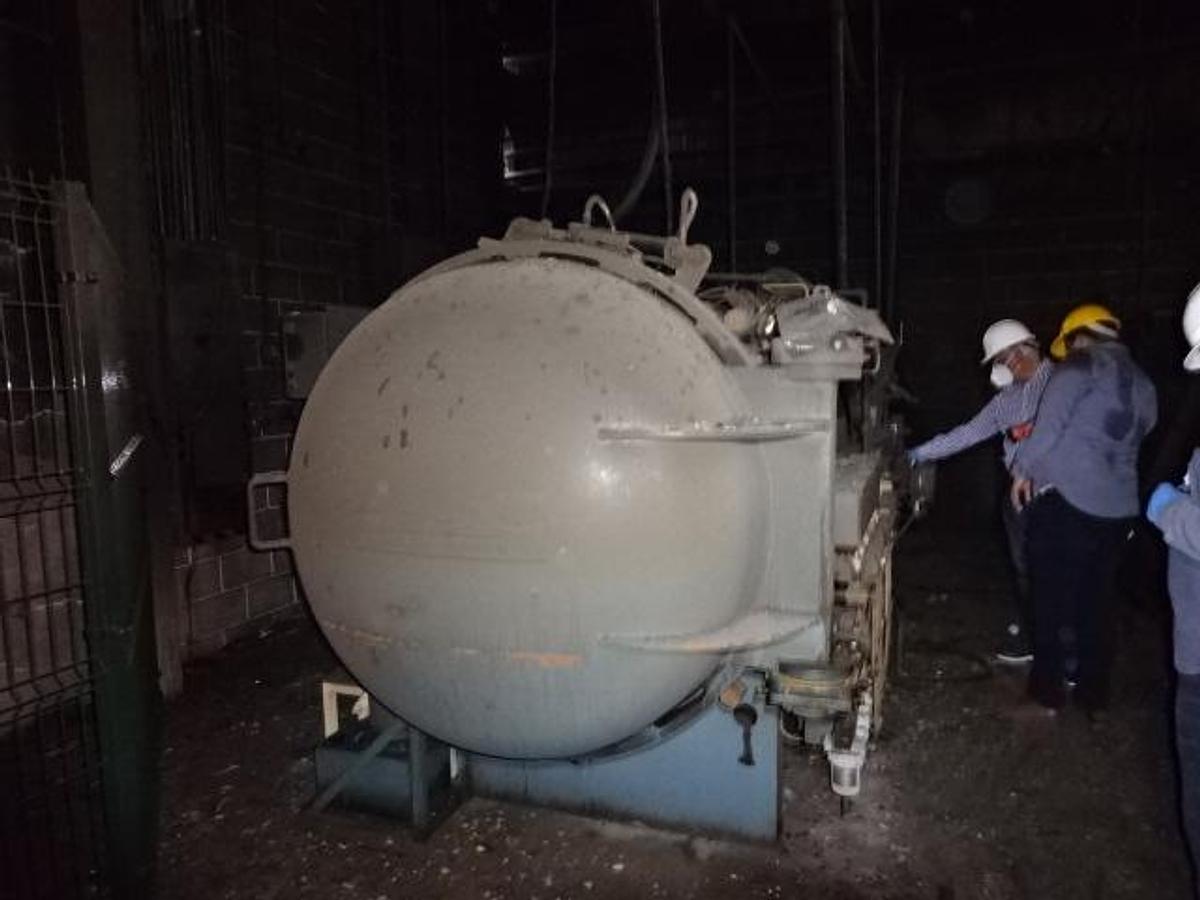
ASC produces a range of automation and robotics solutions designed for high-volume manufacturing environments. Their product lineup includes robotic arms, automated assembly lines, and specialized process equipment such as horizontal autoclaves. The ASC 3 Ft. x 6 Ft. Horizontal Autoclave, rated at 200 PSI at 850 degrees F, is one example of the kind of precision industrial equipment ASC builds for demanding production applications. Their systems are engineered to reduce manual labor, improve throughput consistency, and support smart factory configurations.
ASC equipment is particularly well-suited to the automotive and electronics industries, where precision tolerances and repeatable cycle times are non-negotiable. Robotic arms and automated assembly systems from ASC are designed to integrate into production cells where human labor has historically been the bottleneck. Because used ASC equipment retains much of this core engineering quality, buyers sourcing machines on the secondary market can often acquire capable automation hardware at a fraction of the cost of comparable current-production alternatives.
What industries commonly use ASC automation equipment?
ASC automation systems have a strong track record in the automotive and electronics sectors, where assembly precision and cycle-time consistency are critical. Robotic arms and automated assembly lines from ASC are used in applications like component insertion, fastening, welding, and material handling, all of which are common across automotive tier suppliers and electronics contract manufacturers. The equipment's ability to support smart factory implementations also makes it attractive to facilities undergoing broader Industry 4.0 upgrades.
Beyond automotive and electronics, ASC's process equipment, including autoclave systems, sees use in aerospace composites manufacturing, advanced materials processing, and industrial testing environments. Autoclaves rated to high pressure and temperature thresholds are essential tools in facilities that cure composite parts, sterilize components, or conduct pressure testing. Buyers from a wide range of manufacturing backgrounds regularly seek used ASC equipment because the machines are built to industrial-grade specifications that translate well across different production contexts.
What should buyers know about purchasing used ASC industrial automation equipment?
Buying used industrial automation equipment requires a different level of due diligence than purchasing current-production machinery. Used ASC equipment is typically sold as-is, which places the responsibility of verifying condition squarely on the buyer. This makes the inspection process critical. Buyers should request detailed photos, video walkthroughs, or in-person visits to assess the physical and mechanical condition of the machine before committing to a purchase. Reputable used equipment dealers with a long track history in industrial automation are far more likely to provide accurate condition descriptions and accommodate thorough inspections.
It is also worth contacting ASC directly before purchasing a used unit to understand what level of manufacturer support is available for the specific model and age of the machine. Parts availability, firmware support, and technical documentation can vary significantly depending on when the equipment was produced. Older models may have limited parts availability, while more recent used machines may still fall within a support window. Understanding these factors upfront helps buyers calculate the true cost of ownership and avoid surprises after the machine arrives at their facility.
How does used ASC automation equipment compare in value to buying current-production machinery?
Used ASC automation equipment can offer substantial cost savings compared to sourcing equivalent machinery through current-production channels. Industrial robotic arms and automated assembly systems carry significant price tags when purchased through standard procurement channels, and lead times for current-production equipment can stretch to several months or longer depending on supply chain conditions. A used machine that is already built, tested, and available for immediate inspection removes both the cost premium and the wait time from the equation.
The trade-off is that used equipment comes without the assurances that accompany a current-production purchase. Buyers take on more responsibility for verifying condition, sourcing spare parts, and arranging any necessary refurbishment. For buyers with in-house maintenance capabilities or access to qualified automation integrators, this trade-off is often very favorable. A well-maintained used ASC robotic arm or autoclave can deliver years of productive service at a fraction of what a comparable current-production unit would cost, making the secondary market a practical sourcing strategy for budget-conscious manufacturers.
What inspection options are available when buying used industrial automation equipment?
Used equipment dealers typically offer several inspection formats to help buyers assess machine condition before purchase. In-person inspections allow a buyer or their technical representative to physically examine the equipment, check for wear, review maintenance records if available, and observe any operational demonstration the dealer can provide. Virtual inspections conducted via video call are a practical alternative for buyers who cannot travel, and many dealers will also provide pre-recorded video walkthroughs that document the machine's condition in detail.
One important limitation to understand is that most used equipment dealers are not set up to run full production cycles on the machines they sell. Running actual product through an automated assembly line or autoclave requires production permitting and facility infrastructure that a dealer typically does not have. What inspections can realistically cover is the mechanical and electrical condition of the machine, including visual checks, power-on demonstrations where feasible, and documentation review. Buyers should clarify with the dealer exactly what the inspection will cover so expectations are aligned before the visit is arranged. For machines still installed at an active production facility, it may be possible to observe the equipment running in its current application, which provides a much higher level of confidence in its operating condition.
Are used ASC automation systems compatible with existing PLC and control infrastructure?
Compatibility between used ASC automation equipment and a facility's existing control infrastructure depends on the age of the machine, the control platform it was built around, and how it was originally configured. ASC systems, like most industrial automation equipment, are typically built around established PLC platforms from manufacturers such as Siemens, Allen-Bradley, Fanuc, or Mitsubishi. Buyers should identify the control system on any used ASC unit they are considering and confirm whether their engineering team has experience with that platform or whether integration support will be needed.
For older used equipment, the control hardware itself may be a generation or two behind current standards, which can complicate integration with modern networked factory systems. In some cases, buyers choose to retrofit used mechanical systems with updated control hardware to gain compatibility with current SCADA, MES, or IoT infrastructure. This is a common practice in the used automation market and can be a cost-effective way to get modern connectivity out of a mechanically sound older machine. Consulting with an automation integrator before purchase is a smart step for buyers who have specific connectivity requirements, as they can assess the feasibility and estimated cost of any integration work needed.
What technical documentation should buyers request when purchasing used ASC equipment?
Technical documentation is one of the most valuable assets that comes with a used industrial automation machine, and buyers should make a point of requesting everything available before finalizing a purchase. The most important documents include the original equipment manual, electrical schematics, pneumatic or hydraulic diagrams, parts lists, and any PLC program files or HMI project files associated with the machine. For ASC autoclaves and similar process equipment, pressure vessel certifications and inspection records are also highly relevant, particularly if the machine will be used in a regulated environment.
Not every used machine will come with a complete documentation package. Equipment that has changed hands multiple times or been in service for many years may have incomplete records. In those cases, buyers should contact ASC directly to request any documentation the manufacturer can still provide for that model. Dealers who specialize in industrial automation are often better positioned to track down documentation than general-purpose machinery resellers, which is one reason why working with a specialist in the relevant equipment category tends to produce better outcomes. Incomplete documentation is not necessarily a dealbreaker, but it does increase the time and cost required to get the machine fully operational.
How is used industrial automation equipment typically shipped, and what costs should buyers anticipate?
Shipping used industrial automation equipment involves more complexity than standard freight because of the size, weight, and sensitivity of the machinery. Most used automation equipment requires professional packaging, which can range from basic palletization with strapping and protective wrapping to full custom crating depending on the machine's fragility and the shipping distance involved. The level of packaging directly affects freight costs, and buyers should ask dealers for a clear breakdown of what packaging is included in the quoted price versus what will be charged separately.
Larger and heavier machines, such as autoclaves or multi-axis robotic systems, typically require industrial rigging for loading at the origin and unloading at the destination. Rigging involves specialized equipment like forklifts, cranes, or skidding systems, and the cost can be significant depending on the machine's weight and the complexity of the move. Buyers should request a full landed cost estimate that includes packaging, rigging, freight, and any delivery services required at their facility before agreeing to a purchase. Surprises in shipping costs are one of the most common points of friction in used equipment transactions, and getting a complete picture upfront avoids that problem.
What payment terms are standard when purchasing used industrial automation equipment?
Used industrial automation equipment dealers generally require payment in full before the machine is released for shipment. This is standard practice across the used machinery industry and reflects the nature of the transaction, where the dealer needs to confirm funds before incurring the costs of packaging, rigging, and freight. Payment is typically accepted via wire transfer, though some dealers may accept other forms of verified payment depending on the transaction size and the buyer's location.
Buyers who have an established relationship with a dealer may be able to negotiate payment terms in some cases, but first-time buyers should expect to pay in full upfront. For larger purchases involving multiple machines or high-value equipment, buyers may want to work with their financial institution to arrange a letter of credit or other instrument that provides some protection during the transaction. It is also reasonable to ask the dealer about their process for resolving disputes related to condition discrepancies discovered after delivery, so both parties have a shared understanding of how those situations would be handled before money changes hands.
How should buyers evaluate the condition of a used ASC autoclave before purchasing?
An ASC horizontal autoclave rated to 200 PSI at 850 degrees F is a piece of pressure vessel equipment, and evaluating its condition requires attention to factors that go beyond a standard visual inspection. The pressure vessel itself should be examined for signs of corrosion, pitting, weld repairs, or any structural modifications that could affect its integrity. If available, the machine's inspection and certification history is critical, as pressure vessels in many jurisdictions are subject to periodic third-party inspection by certified boiler and pressure vessel inspectors. Buyers should ask whether current certifications exist and whether the vessel has any documented repairs or modifications.
Beyond the vessel itself, buyers should assess the condition of the heating elements or steam system, door seals and locking mechanisms, instrumentation and controls, and any safety relief valves. These components are subject to wear and may require servicing or replacement depending on the machine's age and usage history. Having a qualified technician with autoclave experience involved in the inspection process is strongly recommended, as they can identify issues that a general equipment buyer might miss. Understanding the full scope of any refurbishment work needed before purchase allows buyers to make an informed decision about whether the machine represents good value at the asking price.