Category
Manufacturer
Model
Artisan
Artisan creates high-performance industrial bakery equipment, renowned for its artisan dough handling and proofing technologies. Their machines serve specialized bakeries aiming to produce premium, handmade-style bread and pastries. Artisan equipment supports quality and consistency, crucial for bakeries emphasizing artisanal product characteristics.
FAQ:
What types of equipment are essential for an artisan bakery?
An artisan bakery relies on a core set of machines to produce the texture, crust, and crumb structure that distinguishes handmade-style bread and pastries from mass-produced goods. The most critical pieces are deck ovens, spiral mixers, dough dividers, sheeters, and proofing chambers. Deck ovens are particularly important because the stone or steel baking surface delivers the bottom heat and steam retention needed to develop the thick, crackly crust associated with sourdough and other artisan loaves. Spiral mixers are strongly preferred over planetary mixers for bread dough because they develop gluten more gently and generate less friction heat, which helps maintain dough temperature throughout the mix cycle.
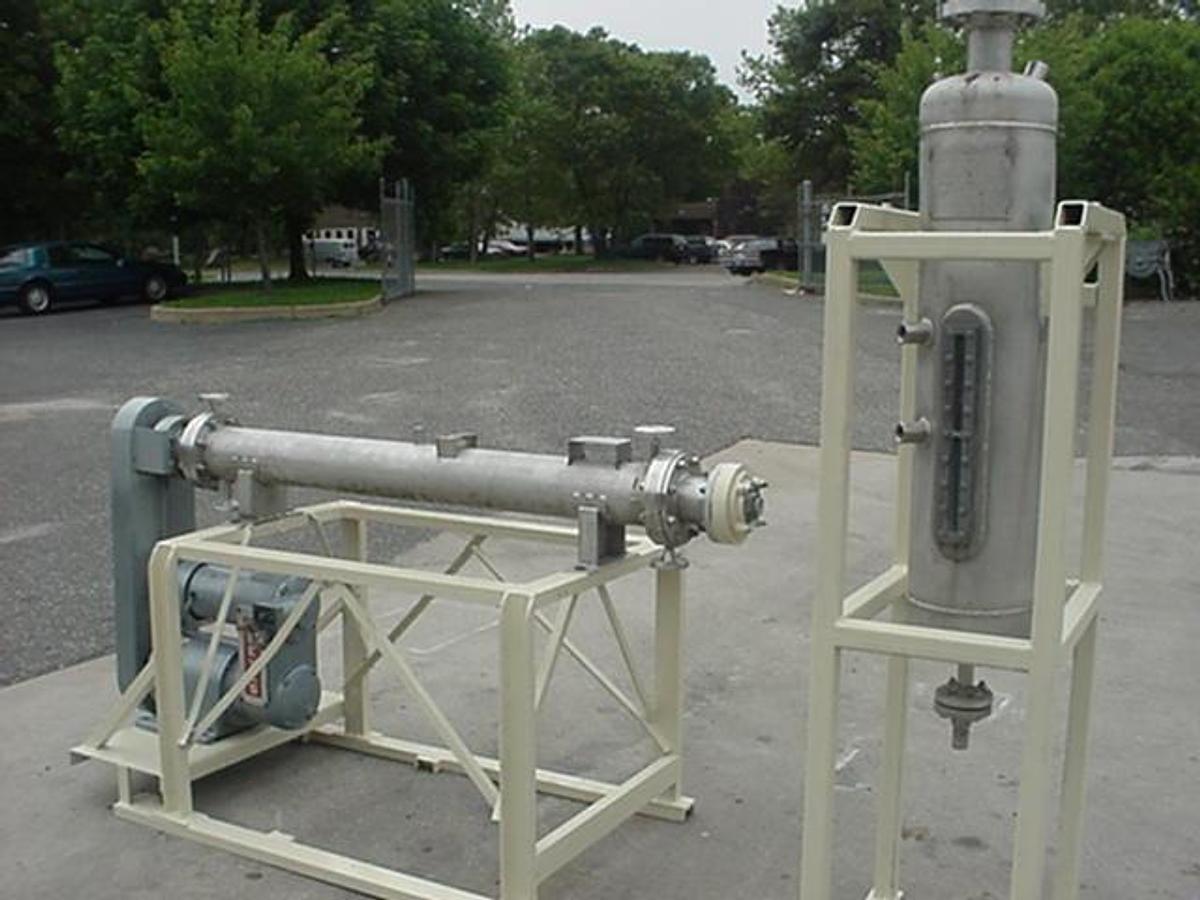
Beyond those core machines, a well-equipped artisan operation typically includes a dough retarder or retarder-proofer for controlling fermentation timing, a bread slicer for retail-ready loaves, and a scraped surface heat exchanger if the bakery produces filled pastries or temperature-sensitive fillings. The specific combination of equipment depends on production volume and product mix. A bakery focused on sourdough boules has different priorities than one producing croissants or laminated doughs, so it pays to map out the full production process before purchasing any single machine.
What is the difference between commercial and artisan bakery equipment?
The distinction comes down to design philosophy and the type of product each machine is built to produce. Standard commercial bakery equipment is engineered for high throughput and uniformity, prioritizing speed and consistency across large batches. Artisan bakery equipment, by contrast, is designed to replicate the conditions of hand production at scale. That means gentler dough handling, more precise temperature and humidity control during proofing, and baking surfaces that mimic the thermal properties of a traditional stone hearth.
In practical terms, an artisan spiral mixer uses a slower, more deliberate mixing action compared to a high-speed commercial mixer, and an artisan deck oven uses independent deck controls so a baker can fine-tune top and bottom heat for each product. These machines are built for specialized bakeries that compete on product quality rather than volume alone. The trade-off is that artisan-focused equipment often has a higher per-unit cost and a more complex setup, but for bakeries where crust quality and crumb structure are central to the brand, that investment directly affects the product on the shelf.
Is used artisan bakery equipment a good option for small bakeries?
For small and growing bakeries, used equipment is often the most practical path to acquiring professional-grade machines without the capital outlay that buying from a manufacturer requires. A used deck oven or spiral mixer from a reputable dealer can perform identically to its factory-fresh counterpart at a fraction of the price, which matters enormously when a bakery is still building revenue. The savings can be redirected toward ingredients, staffing, or facility improvements that have a more immediate impact on the business.
The key is sourcing from dealers who specialize in bakery equipment specifically, rather than general industrial machinery resellers. Specialized dealers understand how these machines were used, what wear patterns to look for, and which models have strong parts availability from the manufacturer. Buyers should take advantage of any inspection options offered, whether in person, via video call, or through recorded footage of the machine in operation. Since used equipment is typically sold as-is, a thorough pre-purchase inspection is the primary protection a buyer has, and a reputable dealer will support that process openly.
How much does used artisan bakery equipment typically cost?
Pricing on used artisan bakery equipment varies widely depending on the type of machine, its age, condition, and the manufacturer. A used spiral mixer suitable for a small artisan operation might sell in the range of $2,000 to $10,000, while a multi-deck stone oven from a recognized manufacturer can run anywhere from $8,000 to $40,000 or more depending on the number of decks and the baking surface area. Proofing chambers and retarder-proofers typically fall between $3,000 and $15,000 on the used market. Specialty items like scraped surface heat exchangers tend to be priced based on capacity and configuration.
Beyond the sticker price, buyers should account for shipping, rigging, and any reconditioning work needed before the machine goes into production. Large, heavy equipment like deck ovens requires professional rigging for both loading and unloading, and that cost can add several hundred to several thousand dollars depending on distance and complexity. Getting a full landed-cost estimate before committing to a purchase is a smart practice, since the machine price alone does not reflect what it actually costs to get the equipment installed and ready to run.
What should I look for when inspecting used bakery equipment before buying?
A thorough inspection of used bakery equipment should cover both the mechanical condition and the operational history of the machine. On the mechanical side, look for signs of excessive wear on high-contact components like mixing arms, conveyor belts, and seals. Check for corrosion, especially on surfaces that contact dough or water, and examine the electrical components for any signs of modification or damage. For deck ovens, the condition of the deck surface and the heating elements is especially important, as replacing damaged decks can be costly.
Reputable dealers typically offer in-person inspections, video calls, or recorded video walkthroughs of the machine. Some equipment may still be in active production at its current facility, which can allow a buyer to see it running under real conditions. Keep in mind that most equipment dealers do not have the permits required to run full production tests, so the inspection will focus on the machine's mechanical operation rather than a finished product bake-off. Buyers should also contact the manufacturer directly to understand what parts and technical support are available for the specific model and age of the machine, since older or discontinued models may have limited support options.
Does artisan bakery equipment come with a warranty when purchased used?
Used bakery equipment is typically sold as-is, without a manufacturer warranty. Warranties from the original manufacturer are generally tied to the first sale of the machine and do not transfer through subsequent owners. This is standard practice across the used equipment industry, not a red flag specific to any one dealer. The practical implication is that the buyer takes on responsibility for the machine's condition at the time of purchase, which is why pre-purchase inspection matters so much.
To manage risk, buyers should prioritize dealers with a long track record in bakery equipment specifically. A dealer who has been selling bakery machinery for many years has a reputation to protect and is more likely to represent the condition of equipment accurately. It is also worth consulting the manufacturer of the machine before buying to understand what service, technical support, and parts availability looks like for that particular model. Age and production run can significantly affect how easy it is to source replacement parts, and knowing that before the purchase helps avoid surprises down the road.
What certifications should I look for when buying commercial bakery equipment?
Certifications on commercial bakery equipment signal that a machine has been tested against established safety and sanitation standards, which matters both for regulatory compliance and for passing health department inspections. The most commonly referenced certifications in the U.S. are NSF (National Sanitation Foundation) for food-contact sanitation standards, UL (Underwriters Laboratories) for electrical safety, and ETL, which is an alternative to UL testing recognized by most jurisdictions. CE marking is the relevant standard for equipment manufactured or sold in European markets.
For used equipment, the original certification labels should still be present on the machine. Buyers should verify that the certification is intact and matches the model documentation, since modifications to a machine after its initial certification can affect compliance status. When a bakery is opening a new facility or undergoing a health department inspection, having certified equipment simplifies the approval process considerably. If there is any uncertainty about whether a specific used machine meets local requirements, it is worth consulting with the local health authority or a licensed kitchen designer before finalizing the purchase.
What size deck oven do I need for an artisan bakery?
Deck oven sizing is driven by production volume and the size of the loaves or products being baked. Deck ovens are measured by the number of decks and the baking surface area of each deck, typically expressed in square feet or by the number of standard loaf pans or sheet pans that fit per deck. A small artisan bakery producing a few hundred loaves per day might operate comfortably with a two-deck oven offering 16 to 32 square feet of total baking surface. A higher-volume operation supplying wholesale accounts or multiple retail locations may require a three- or four-deck configuration with significantly more surface area.
Beyond raw capacity, the configuration of the oven matters for artisan baking specifically. Independent deck controls allow the baker to set different temperatures for each deck, which is useful when baking multiple products simultaneously. Steam injection is essentially non-negotiable for sourdough and other hearth breads, as it keeps the crust pliable during oven spring and contributes to the glossy, blistered surface that defines artisan bread. When evaluating used deck ovens, buyers should confirm that the steam system is functional and that the deck surfaces are in good condition, since these are the features most directly tied to product quality.
How does shipping and delivery work for large artisan bakery equipment?
Shipping large bakery equipment involves more logistical complexity than standard freight. Heavy machines like deck ovens, spiral mixers, and proofing chambers need to be properly palletized or crated before transport to prevent damage in transit. The level of packaging required depends on the machine's size, weight, and fragility, and the cost of crating or palletization is typically separate from the freight charge itself. Buyers should ask the dealer for a detailed breakdown of packaging, freight, and any additional handling fees so they understand the full landed cost before committing to a purchase.
For very large or heavy equipment, professional rigging is required at both the origin and destination. Rigging involves specialized equipment and trained crews to safely move machines that cannot be handled with standard pallet jacks or forklifts. This is an added cost that varies based on the machine's weight and the complexity of the loading and unloading environment. Buyers should also confirm in advance that their facility can accommodate the equipment, checking doorway widths, floor load ratings, and utility connections. Coordinating these details before the machine ships avoids costly delays or complications on delivery day.
What payment terms are typical when buying used bakery equipment?
Most used equipment dealers require full payment before a machine is shipped. This is standard practice in the industry and reflects the nature of used equipment transactions, where the dealer has already invested in acquiring and holding the inventory. For buyers making a first-time purchase from a dealer, payment in full prior to shipment is the norm. Some dealers may offer payment terms to established customers with a history of repeat purchases, but this is the exception rather than the rule.
Buyers should clarify accepted payment methods early in the process, as wire transfers are common for larger transactions and some dealers may not accept credit cards for high-value purchases. It is also worth confirming the payment timeline relative to shipping, so both parties are clear on when the machine will be released for transport after funds are received. For buyers concerned about the financial commitment involved in purchasing high-ticket equipment like a deck oven or large spiral mixer, some dealers may be able to connect buyers with third-party equipment financing options, though the terms and availability of those arrangements vary.