Category
Manufacturer
Model
Application Engineers
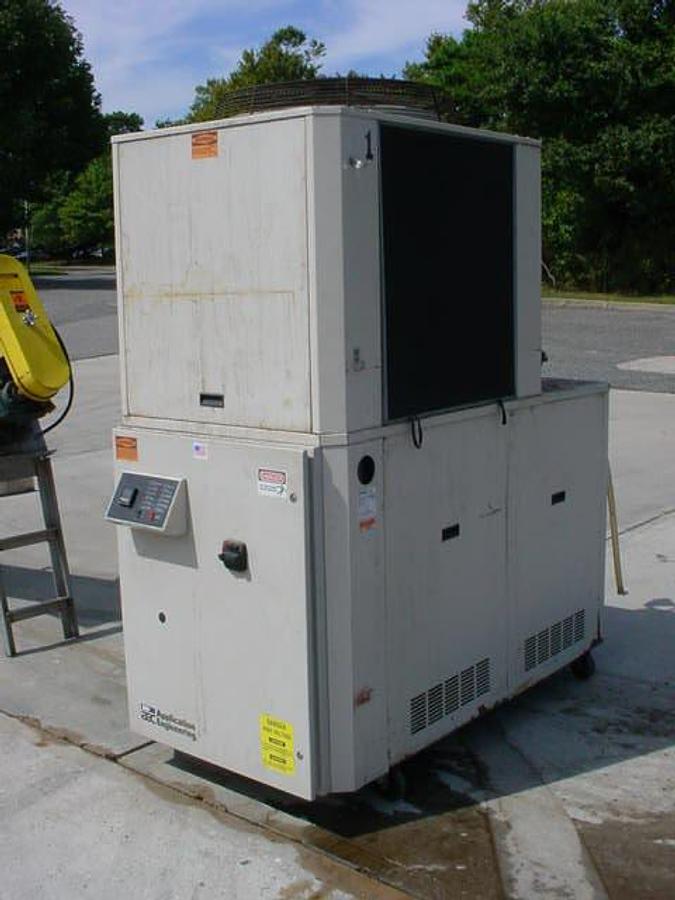
Application Engineers specializes in the development of highly efficient HVAC and thermal processing systems for industrial applications. Their equipment serves a wide array of industries, including food processing and pharmaceuticals, by ensuring precise climate and temperature control within production areas. Known for reliability and technical innovation, their systems are integral to optimizing manufacturing environments.
FAQ:
What types of equipment does Application Engineers manufacture?
Application Engineers specializes in the development of highly efficient HVAC and thermal processing systems built for industrial use. Their product line is focused on precise climate and temperature control within production environments, with equipment ranging from portable chillers to larger-scale thermal management systems. Their designs are known for technical reliability and are used in settings where maintaining consistent temperature and air quality directly affects product quality and process outcomes.
Beyond basic HVAC functionality, Application Engineers equipment is engineered for demanding industrial conditions. Portable chillers, for example, are self-contained units that provide localized cooling for process equipment, molds, or production lines without requiring a permanent chilled water infrastructure. This makes them practical for facilities that need flexible, deployable cooling capacity across different production areas or shifts.
What industries use Application Engineers HVAC and thermal processing equipment?
Application Engineers equipment is used across a broad range of industries where temperature control and climate management are critical to operations. Food processing is one of the primary sectors, where maintaining precise thermal conditions affects product safety, shelf life, and regulatory compliance. Pharmaceutical manufacturing is another major application, as drug production and storage environments are subject to strict temperature and humidity requirements that industrial-grade HVAC systems must consistently meet.
Beyond food and pharma, their systems are relevant to any manufacturing environment where heat generation from machinery, chemical processes, or personnel creates conditions that need active management. Plastics processing, electronics manufacturing, and general industrial production facilities all rely on thermal control equipment to protect both product integrity and worker conditions. The versatility of Application Engineers systems makes them applicable wherever production quality is tied directly to environmental stability.
What should I know before buying used Application Engineers equipment?
Buying used industrial HVAC and thermal processing equipment requires a clear understanding of the machine's service history, current mechanical condition, and the availability of parts and manufacturer support for that specific model. Application Engineers equipment, like any used industrial machinery, is typically sold as-is by dealers, meaning the responsibility for evaluating condition falls on the buyer. This makes pre-purchase inspection a critical step rather than an optional one. Age and model generation can also affect whether the manufacturer still supports the unit with replacement components or technical documentation.
Buyers should prioritize working with dealers who specialize in industrial process equipment and have a verifiable track record in the market. Reputable dealers will accommodate in-person visits or video inspections so buyers can assess the equipment's physical and operational condition before committing. It is also worth contacting Application Engineers directly to understand what level of technical support, parts availability, and documentation exists for the specific model being considered, since older units may have limited manufacturer backing regardless of their mechanical condition.
How do I inspect used industrial HVAC or chiller equipment before purchasing?
Inspection of used HVAC and chiller equipment typically takes one of three forms: in-person visits to the dealer's facility or the plant where the equipment is currently located, live video walkthroughs conducted remotely, or recorded video documentation provided by the seller. Each approach gives the buyer a different level of detail. In-person inspections allow for hands-on assessment of wear, leaks, electrical condition, and general cleanliness. Video inspections are a practical alternative when travel is not feasible, though buyers should request footage of all major components including compressors, pumps, heat exchangers, and control panels.
One important limitation to understand is that most used equipment dealers are not set up to run full production tests on machinery. Testing a chiller under actual load conditions, for example, requires utilities, permitting, and infrastructure that a typical dealer facility does not have. Some equipment may still be installed and running at a manufacturing plant, in which case the dealer may be able to arrange an inspection at that location while the machine is in active use. Buyers should ask specifically whether the equipment has been powered on recently, what the decommissioning circumstances were, and whether any service records are available.
What is a portable industrial chiller and what is it used for?
A portable industrial chiller is a self-contained refrigeration unit designed to supply chilled water or coolant to process equipment, tooling, or production machinery. Unlike central chilled water systems, portable chillers can be moved between locations within a facility and connected directly to the equipment requiring cooling. They are commonly used in plastics injection molding, laser cutting, hydraulic power units, medical equipment, and food processing lines where localized, controlled cooling is needed to maintain process temperatures or remove heat generated during production.
Portable chillers are rated by cooling capacity, typically expressed in tons or horsepower. A 10 HP portable chiller, for instance, is well-suited for medium-scale process cooling applications where a central chilled water loop is either unavailable or impractical. Key specifications to evaluate include the temperature range the unit can achieve, flow rate, pump pressure, refrigerant type, and electrical requirements. For buyers considering used portable chillers, the condition of the compressor, refrigerant charge level, and integrity of internal heat exchangers are the most important factors to assess during inspection.
How does the shipping process work for used industrial equipment like chillers?
Shipping used industrial equipment involves more complexity than standard freight because of the weight, size, and sensitivity of the machinery involved. Dealers typically handle packaging through palletization or custom crating, and the level of protection required depends on the equipment's dimensions, fragility, and transit distance. Buyers should expect packaging costs to vary based on what the dealer determines is necessary to prevent damage in transit. Heavier or larger machines may require specialized rigging for loading and unloading at both origin and destination, and those rigging costs are generally passed on to the buyer as part of the total landed cost.
Before finalizing a purchase, buyers should ask the dealer for a complete breakdown of all costs beyond the equipment price itself, including packaging, rigging, freight, and any fuel surcharges or liftgate fees if the destination does not have a loading dock. Understanding the full landed cost upfront prevents surprises and allows for accurate budget planning. It is also worth confirming who is responsible for filing a freight claim in the event of transit damage, and whether the dealer recommends or requires cargo insurance for the shipment.
What are the typical payment terms for purchasing used industrial equipment?
Most used industrial equipment dealers require full payment before the machine ships. This is standard practice in the industry and reflects the nature of used equipment transactions, where machines are often unique items that cannot simply be restocked if a buyer backs out after shipping has begun. Payment is typically accepted by wire transfer, though some dealers may accept other methods depending on the transaction size and the buyer's relationship with the seller. Buyers who have an established purchasing history with a particular dealer may occasionally be offered extended terms, but this is the exception rather than the rule for first-time transactions.
For buyers new to purchasing used industrial equipment, it is advisable to treat the payment process with the same diligence as the equipment inspection itself. Confirming payment instructions directly with the dealer through verified contact channels helps avoid fraud, which is a known risk in high-value equipment transactions. Buyers should also clarify what documentation they will receive upon payment, including bill of sale, any available service records, and shipping details, so there is a clear paper trail for the transaction.
How do I evaluate whether a used industrial equipment dealer is reputable?
Selecting a reputable used equipment dealer matters significantly because the as-is nature of used machinery means buyers are relying heavily on the dealer's honesty and transparency about condition. A dealer's track record is one of the most telling indicators of reliability. Look for dealers who have been operating in the industry for many years, have verifiable customer references, and specialize in the type of equipment you are purchasing rather than selling across every category indiscriminately. Specialization matters because a dealer focused on industrial process and HVAC equipment will have more relevant knowledge about what they are selling than a generalist.
Other practical signals of a reputable dealer include their willingness to accommodate inspections without pressure, their ability to provide accurate and detailed specifications for listed equipment, and the quality and honesty of their equipment descriptions. A dealer who clearly identifies wear, missing components, or unknown operational history on a listing is demonstrating transparency. Dealers who provide vague descriptions or resist inspection requests are a red flag. Checking for a physical business address, verifiable contact information, and any industry affiliations or memberships can also help confirm that a dealer is an established, legitimate operation.
What should buyers check when evaluating used HVAC or thermal processing equipment specifications?
When reviewing specifications for used HVAC or thermal processing equipment, buyers should focus on the parameters most directly tied to their application requirements. For chillers and cooling systems, the key figures include cooling capacity (in tons or BTU/hr), temperature range, coolant flow rate, pump head pressure, refrigerant type, and electrical supply requirements. Confirming that the machine's specs align with your facility's electrical infrastructure and coolant system before purchase avoids costly retrofitting after delivery.
Beyond the performance specifications, buyers should also pay attention to the age and model of the unit, as these factors influence parts availability and manufacturer support. Refrigerant type is particularly relevant for older equipment, since some refrigerants used in machines manufactured before certain regulatory cutoffs are now restricted or phased out, which can affect the cost and feasibility of future servicing. If the equipment will be integrated into an existing production system, consulting with a qualified HVAC or process engineer before finalizing the purchase is a practical step to confirm compatibility and identify any modifications that may be needed.
Can used Application Engineers equipment be integrated into existing production systems?
Used Application Engineers HVAC and thermal processing equipment can generally be integrated into existing production systems, but successful integration depends on matching the equipment's specifications to the facility's existing infrastructure. Key compatibility factors include electrical supply voltage and phase, coolant connection sizes and types, physical footprint and clearance requirements, and control system compatibility if the equipment will be tied into a broader building management or process control network. Buyers should gather complete specification sheets for the used unit and compare them against their facility's requirements before purchasing.
Because used equipment may have been configured for a specific prior application, some modifications or reconditioning work may be needed to adapt it to a new environment. This is not unusual and does not necessarily make a used unit a poor choice, but it should be factored into the total cost of ownership. Engaging a qualified mechanical or process engineer to review the equipment specifications and plan the integration is a reasonable investment, particularly for larger or more complex installations. Dealers who specialize in industrial process equipment can often provide useful guidance on what to expect during installation, even if they do not offer formal commissioning services.