Category
Manufacturer
Model
Anderson Dahlen
FAQ:
What types of Anderson Dahlen equipment are commonly available on the used market?
Anderson Dahlen produces a wide range of industrial processing equipment, and the used market reflects that variety. Buyers searching for pre-owned Anderson Dahlen machinery will typically encounter batch retorts, continuous cookers, sterilizers, tunnel freezers, smokehouses, and industrial ovens. The brand also manufactures ribbon blenders, including lab and pilot plant scale double ribbon blenders designed for smaller-batch or research applications. This breadth of product lines means the equipment shows up across multiple segments of food and beverage manufacturing.
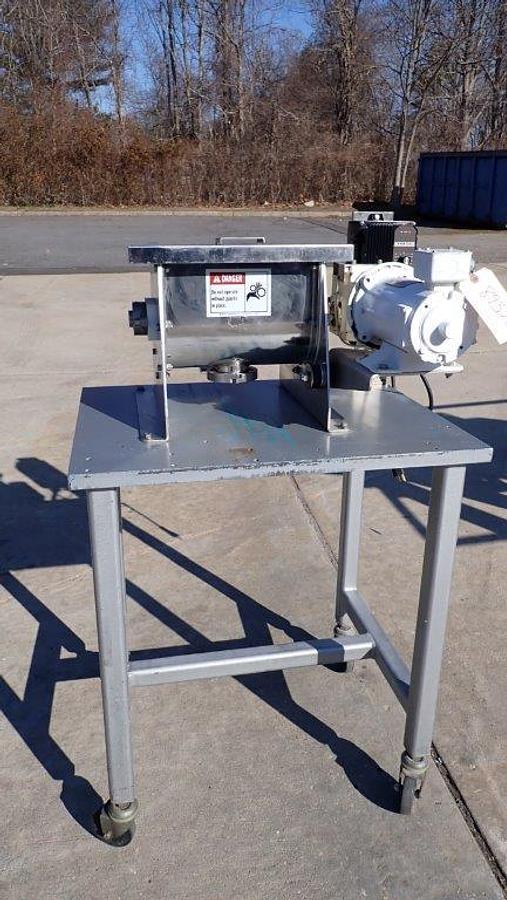
The specific models available at any given time depend on what facilities are decommissioning or upgrading their production lines. A lab-scale double ribbon blender, for example, is a stainless steel unit suited for blending dry or semi-dry ingredients in controlled, smaller volumes before scaling to full production. Buyers looking for a specific machine type should monitor reputable used equipment dealers who specialize in food processing machinery, as inventory turns over regularly and the right piece of equipment can surface unexpectedly.
What industries use Anderson Dahlen processing equipment?
Anderson Dahlen equipment is most closely associated with the food and beverage manufacturing industry, where thermal processing, sterilization, and continuous cooking are central production requirements. Protein processing facilities, including those handling poultry, beef, pork, and seafood, are heavy users of Anderson Dahlen retorts, smokehouses, and continuous cookers. Prepared foods manufacturers, canneries, and ready-to-eat meal producers also rely on this equipment to meet food safety and throughput demands.
Beyond mainstream protein and prepared food manufacturing, Anderson Dahlen equipment appears in pet food production, institutional food service supply chains, and specialty food processing where hygienic design and consistent thermal delivery matter. The stainless steel construction and sanitary design standards built into most Anderson Dahlen machines make them a practical fit for any application where cleanability and compliance with food safety regulations are non-negotiable. Buyers from adjacent industries, such as pharmaceutical or nutraceutical processing, occasionally find Anderson Dahlen blending and mixing equipment adaptable to their needs as well.
Is used Anderson Dahlen equipment a good value compared to buying new?
Anderson Dahlen has a strong reputation for building equipment with long operational lifespans, which is a key reason used units tend to hold their value well. A facility that invested in an Anderson Dahlen retort or continuous cooker years ago likely ran it hard, and the machine may still have substantial service life remaining. For buyers who need proven industrial capacity without the lead times and capital outlay associated with purchasing direct from a manufacturer, the used market offers a practical path to getting quality equipment into production faster.
The trade-off is that used equipment is sold as-is, meaning the buyer takes on responsibility for understanding the machine's current condition. Pricing on used Anderson Dahlen equipment varies considerably based on age, model, size, and condition. A well-maintained smokehouse or tunnel freezer from a reputable source can represent significant savings compared to an equivalent new unit, but buyers should factor in any refurbishment, installation, or compliance costs that might be needed before the machine goes into service. Getting a thorough inspection done before purchase is the most important step in making sure the value is real.
How do I verify the condition of used Anderson Dahlen equipment before buying?
Reputable used equipment dealers will typically offer in-person inspections, virtual walkthroughs, or detailed video documentation of the machine. For Anderson Dahlen equipment still installed at a production facility, it may be possible to arrange an inspection while the unit is still in operation, which gives the buyer the clearest possible picture of how the machine performs under real production conditions. If the equipment has already been decommissioned and moved to a dealer's warehouse, a static inspection can still reveal a great deal about mechanical condition, wear patterns, and any visible damage.
Buyers should ask specific questions about the machine's maintenance history, hours of operation, and any known repairs or modifications. It is also worth contacting Anderson Dahlen directly to ask about parts availability and technical support for the specific model being considered, since age and production era can affect what kind of manufacturer support remains accessible. For high-value purchases, hiring an independent equipment inspector or a qualified millwright familiar with food processing machinery is a reasonable precaution. The goal is to build an accurate picture of the machine's working order before any money changes hands.
Does used Anderson Dahlen equipment come with a warranty?
Used equipment is generally sold as-is by dealers, without the warranty coverage that would accompany a purchase directly from a manufacturer. This is standard practice across the used industrial machinery market, not specific to Anderson Dahlen. The as-is nature of these sales puts the responsibility for evaluating condition squarely on the buyer, which is why thorough pre-purchase inspection matters so much.
To reduce risk, buyers should focus on sourcing from dealers with a long track record in food processing equipment specifically. A dealer who specializes in this category will have deeper familiarity with Anderson Dahlen machines, more meaningful context about condition and provenance, and a stronger incentive to represent equipment accurately in order to protect their reputation. Buyers should also check with Anderson Dahlen directly regarding parts availability and service support for the model in question, since older or discontinued models may have more limited manufacturer support than current production lines.
What should I know about shipping and rigging used Anderson Dahlen equipment?
Anderson Dahlen equipment ranges from relatively compact lab-scale blenders to large-footprint continuous processing systems, and shipping costs will vary significantly based on the size, weight, and configuration of the specific machine. Smaller units may be palletized and shipped via freight carrier, while larger retorts, smokehouses, or tunnel freezers will require professional rigging for loading and unloading. Rigging costs are typically separate from freight and should be discussed with the dealer upfront so the buyer understands the full landed cost before committing to a purchase.
Packaging matters a great deal for protecting equipment in transit. Buyers should ask dealers specifically how the machine will be prepared for shipping, whether that involves crating, skidding, or custom packaging, and who is responsible for those costs. For equipment being moved out of an active facility, coordination between the dealer, the selling facility, and the buyer's receiving site is often required to schedule rigging crews and ensure the machine arrives without damage. Getting clarity on all of these logistics before finalizing a purchase avoids surprises that can erode the cost savings that made buying used attractive in the first place.
What are typical payment terms for purchasing used Anderson Dahlen equipment?
Most used equipment dealers require payment in full before a machine is released for shipping. This is the standard practice in the industry and applies regardless of the brand or type of equipment being purchased. For buyers making a significant capital investment in a large piece of Anderson Dahlen processing equipment, this means having financing or funds arranged and confirmed before the deal closes.
Some dealers may extend terms to established customers with a prior purchasing history, but first-time buyers should generally plan for full payment upfront. Wire transfer is the most common payment method for transactions of this size. Buyers who are financing the purchase through a third-party lender should make sure their financing is in place and that the lender is comfortable with used equipment purchases, since some lenders have restrictions around machinery age or condition. Clarifying payment expectations early in the conversation with a dealer prevents delays once both parties are ready to move forward.
What is a ribbon blender, and what is it used for in food processing?
A ribbon blender is a type of industrial mixing equipment that uses a helical ribbon agitator rotating inside a horizontal trough to blend dry, granular, or semi-dry materials. The ribbon design moves material simultaneously in opposing directions, which produces a thorough, consistent blend without the aggressive mechanical action that could damage fragile ingredients. Double ribbon blenders, like the Anderson Dahlen lab and pilot plant model that appears on the used market, use two concentric ribbons moving in opposite directions for even more efficient blending across the full length of the trough.
In food processing, ribbon blenders are used for applications like dry seasoning blends, powdered beverage mixes, bakery premixes, protein powders, and pet food ingredient blending. The stainless steel construction common in food-grade ribbon blenders supports sanitary cleaning requirements and compliance with food safety standards. Lab and pilot plant scale units are particularly useful for product development and recipe testing, allowing food manufacturers to validate formulations before committing to full production-scale batches. Used ribbon blenders in good condition are practical acquisitions for facilities that need reliable blending capacity without the cost of purchasing new equipment.
How do I find replacement parts for used Anderson Dahlen equipment?
The best starting point for replacement parts on Anderson Dahlen equipment is the manufacturer itself. Contacting Anderson Dahlen directly allows buyers to determine what parts remain available for a specific model and production era, which is an important consideration before purchasing older used equipment. Some models will have strong parts support, while others, particularly older or discontinued lines, may have limited availability that requires sourcing aftermarket or fabricated components.
Beyond the manufacturer, industrial parts suppliers, food processing equipment service companies, and specialty fabricators can often supply wear components, seals, gaskets, and mechanical parts for established brands like Anderson Dahlen. When evaluating a used machine for purchase, it is worth spending time upfront to confirm that critical wear parts are obtainable and at what cost, since parts availability directly affects the long-term operating cost and reliability of the equipment. Dealers who specialize in food processing machinery often have familiarity with parts sourcing for the brands they carry and can be a useful resource for that research.
Can used Anderson Dahlen equipment be modified for different production requirements?
Many Anderson Dahlen machines are built with industrial-grade construction that lends itself to modification by qualified fabricators and equipment specialists. Common modifications on used food processing equipment include changes to conveyor speeds, capacity adjustments, control system upgrades, and alterations to inlet or outlet configurations to fit a specific facility layout. Whether a particular Anderson Dahlen unit can be modified depends on the machine type, its age, and the nature of the changes being considered.
Buyers who are considering modifications should consult with a food processing equipment engineer or a fabricator experienced with the specific type of machinery before purchasing. Some modifications are straightforward and cost-effective, while others may require significant engineering work that could affect the economics of buying used versus purchasing equipment already configured for the intended application. It is also worth noting that modifications to food processing equipment may need to be reviewed for compliance with applicable food safety and sanitation standards, particularly if the changes affect product contact surfaces or thermal processing parameters.