Category
Manufacturer
Model
Anderson
Anderson is a notable supplier of manufacturing equipment, catering primarily to the food and beverage industries with an emphasis on efficient processing machinery. Known for their advanced pasteurization equipment, Anderson has carved a niche in offering solutions that maintain product quality and safety. Their systems are highly regarded for reliability and user-friendly operation, enhancing productivity in large-scale manufacturing environments.
FAQ:
What types of manufacturing equipment does Anderson produce?
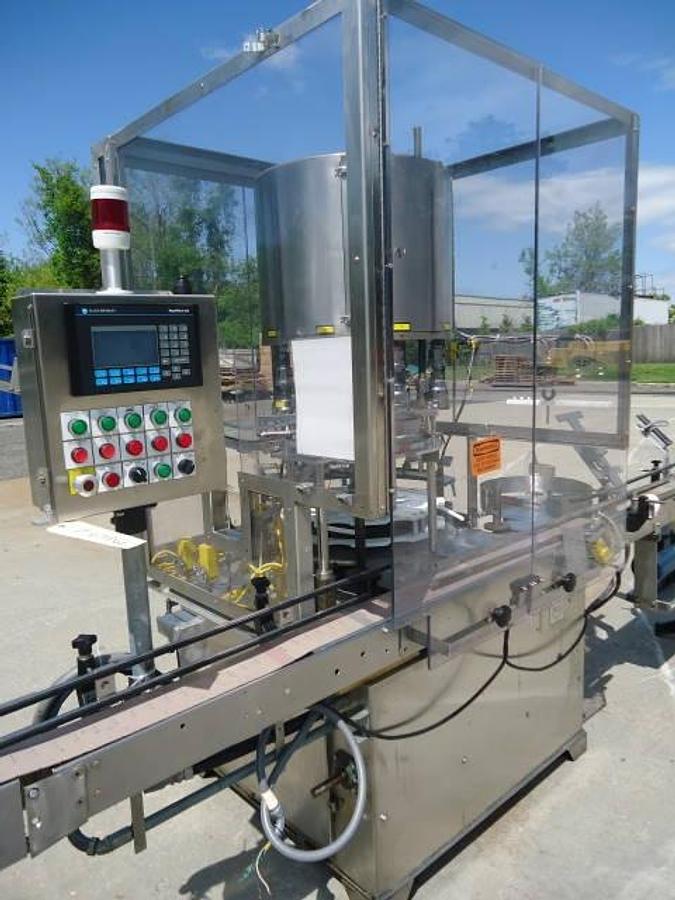
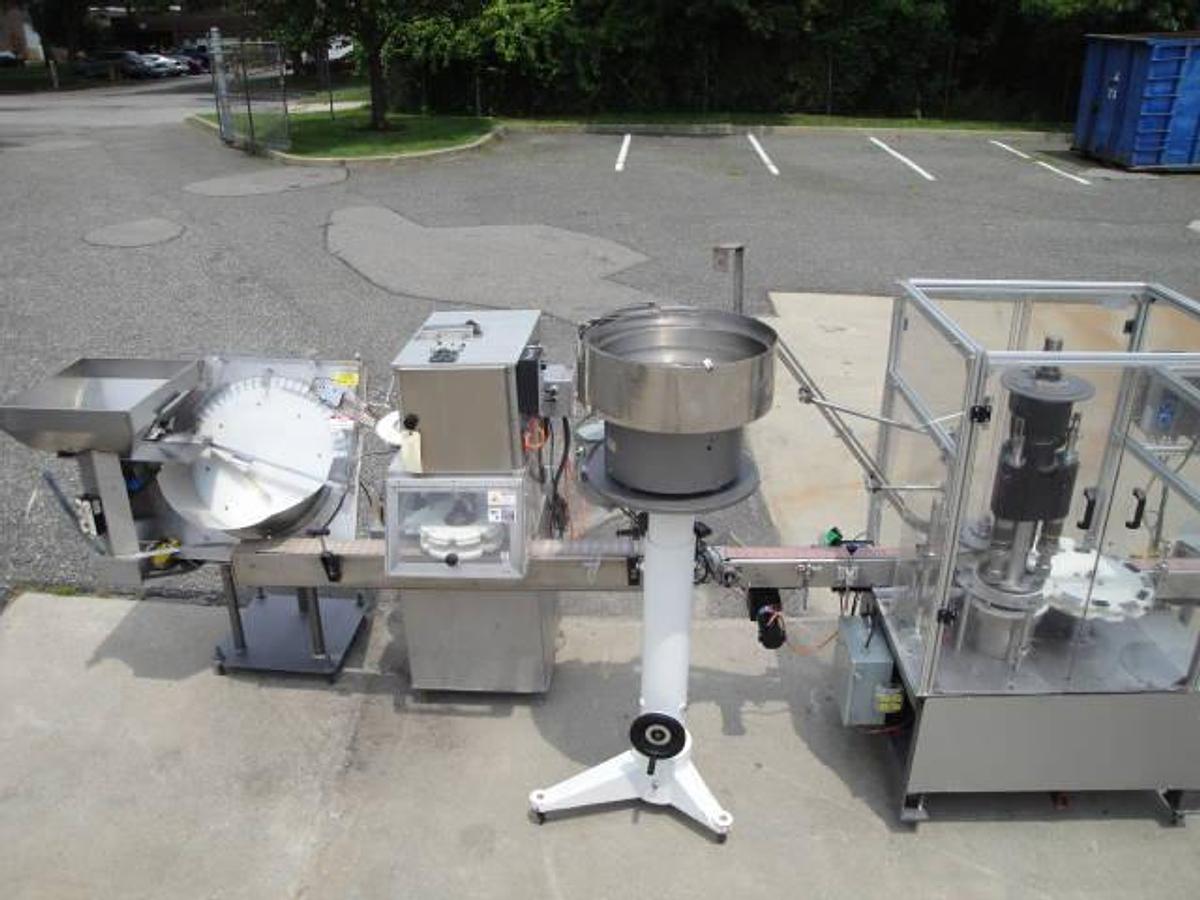
Anderson has built a strong reputation in the food and beverage processing sector, with a particular focus on pasteurization systems and filling line equipment. Their product lineup includes pump placing and screw capping systems designed for liquid products such as nasal sprays and similar pharmaceutical or consumer goods applications. Anderson's machinery is engineered for large-scale production environments where throughput, reliability, and ease of operation are priorities.
Beyond pasteurization and capping systems, Anderson equipment often integrates conveyor-based automation to keep production lines moving efficiently. The PP-8006 Pump Placer with Conveyor is one example of their approach to combining placement accuracy with continuous-feed conveyor systems. Buyers searching the used equipment market will find Anderson machines appearing across food processing, pharmaceutical filling, and beverage manufacturing categories, reflecting the brand's broad applicability across regulated production industries.
What industries use Anderson manufacturing equipment?
Anderson manufacturing equipment is primarily associated with the food and beverage industry, where consistent product quality, sanitation standards, and high-volume output are non-negotiable. Their pasteurization systems are widely used by beverage producers and food processors who need to meet strict safety regulations while maintaining production speed. The equipment is also found in pharmaceutical and personal care product manufacturing, particularly for liquid-fill and capping applications involving products like nasal sprays, lotions, and similar pump-dispensed goods.
The crossover between food-grade and pharmaceutical-grade applications is a notable characteristic of Anderson equipment, since both sectors demand similar standards for cleanliness, material compatibility, and process control. Facilities that produce high volumes of bottled or packaged liquid products tend to be the primary users. When evaluating used Anderson equipment, buyers from these industries should verify that the specific model they are considering matches the regulatory and sanitation requirements of their own production environment.
What should buyers know about purchasing used Anderson manufacturing equipment?
Buying used Anderson equipment can be a cost-effective way to add proven, well-regarded machinery to a production line without the lead times or expense associated with sourcing equipment through other channels. However, used machinery is typically sold as-is, which places the responsibility of due diligence squarely on the buyer. This makes it essential to work with reputable dealers who have a demonstrated track record in industrial and food processing equipment, and who can provide detailed information about the machine's history, condition, and current operational status.
Before committing to a purchase, buyers should request an inspection, either in person or via a detailed video walkthrough conducted by the dealer. Some machines may still be installed and running at the facility where they are being decommissioned, which can allow for a live operational review. Buyers should also contact Anderson directly to understand what level of technical support, documentation, and parts availability they can expect for the specific model and age of the machine they are considering, since older models may have more limited manufacturer support.
How can buyers inspect used Anderson equipment before purchasing?
Reputable used equipment dealers typically offer several inspection options to help buyers assess a machine's condition before finalizing a purchase. In-person inspections are the most thorough option and are generally accommodated by dealers, sometimes at a production facility where the equipment is still installed. Virtual inspections conducted via video call, or pre-recorded video walkthroughs that show the machine's components, controls, and visible wear, are also commonly available and can be a practical alternative for buyers who cannot travel.
The goal of any inspection is to get an accurate picture of the machine's current working condition. It is worth noting that most used equipment dealers are not set up to run full production tests, since operating a machine for actual product output requires permits and facility infrastructure that a dealer's warehouse typically does not have. Buyers should therefore focus inspections on mechanical integrity, the condition of key components like pumps, conveyors, and capping heads, and any signs of wear, corrosion, or prior repairs. Bringing in a qualified technician or equipment specialist to assist with the evaluation is a sound practice for higher-value purchases.
What is the typical price range for used Anderson manufacturing equipment?
Pricing for used Anderson manufacturing equipment varies considerably depending on the specific machine type, its age, overall condition, and how complete the system is at the time of sale. Smaller standalone units such as pump placers or individual capping heads will generally fall at a lower price point than fully integrated pasteurization systems or complete filling lines that include conveyors, controls, and ancillary components. The secondary market for Anderson equipment reflects strong demand, which tends to support pricing relative to other brands in the same category.
Buyers should factor in more than just the listed purchase price when budgeting for used equipment. Shipping, rigging, installation, any refurbishment or parts replacement needed to bring the machine to production-ready condition, and potential costs for technical support or integration work all contribute to the true landed cost. Getting a clear picture of all these expenses upfront will help avoid surprises and allow for a more accurate comparison between available machines at different price points.
What warranty coverage applies to used Anderson manufacturing equipment?
Used manufacturing equipment is generally sold as-is, without the warranty coverage that would typically accompany a purchase directly from the equipment manufacturer. Manufacturer warranties are ordinarily tied to the first sale of a machine and do not transfer through subsequent resales. This is standard practice in the used equipment industry and is not unique to Anderson machinery. The as-is nature of these sales is precisely why thorough pre-purchase inspection is so important.
To protect themselves, buyers should prioritize dealers with a long, verifiable history of selling industrial machinery in their specific sector. A dealer's reputation and transparency about a machine's condition serve as practical substitutes for formal warranty coverage. Buyers should also reach out to Anderson directly to understand what technical documentation, service manuals, and parts support are available for the model they are evaluating. For older machines, parts availability can be a significant factor in long-term serviceability, and it is better to understand that picture before purchasing than after.
Are replacement parts available for used Anderson manufacturing equipment?
Parts availability for Anderson equipment depends largely on the age and model of the machine in question. Anderson has been an established supplier in the food and beverage processing space for many years, and their equipment tends to have reasonable parts support compared to less established brands. However, as machines age, some components may become harder to source directly from the manufacturer, and buyers may need to rely on third-party suppliers or fabrication for certain wear parts.
Before purchasing a used Anderson machine, it is worth contacting Anderson directly to ask specifically about parts availability for that model. Dealers who specialize in food processing or pharmaceutical equipment often have useful knowledge about which components are commonly needed and where they can be sourced. Buyers should also inspect the machine for any parts that appear worn or close to end-of-life during the pre-purchase evaluation, so they can factor potential replacement costs into their overall budget before making a commitment.
How does shipping and delivery work for used Anderson manufacturing equipment?
Shipping used industrial equipment like Anderson pasteurization systems, pump placers, and capping machines requires careful planning. Machinery must be properly secured, palletized, or crated to prevent damage in transit, and the level of packaging required directly affects shipping costs. Heavier or larger machines may require specialized rigging for both loading at the dealer's location and unloading at the buyer's facility. Rigging services are typically an additional cost on top of freight charges and should be confirmed in advance.
Buyers should ask dealers for a detailed breakdown of all shipping-related costs, including palletization or crating fees, freight charges, and any rigging or lift gate requirements, so they can calculate the full landed cost of the equipment. Transit times will vary based on the origin and destination of the shipment, the carrier used, and whether the equipment is moving via standard freight or requires specialized heavy-haul transport. Confirming these details before purchase avoids unexpected delays or costs once the transaction is underway.
What are the payment terms for purchasing used Anderson manufacturing equipment?
Payment practices in the used industrial equipment market are fairly consistent across dealers. Most require full payment before a machine is released for shipping. This protects the dealer and ensures that logistics can be arranged without financial uncertainty on either side of the transaction. Buyers who are working with a dealer for the first time should expect to pay in full upfront, typically via wire transfer or another secure payment method.
Some dealers extend payment terms to established repeat customers with whom they have a prior purchasing relationship, but this is not standard for first-time transactions. Buyers who need financing should explore options through equipment financing companies or their own banking relationships before approaching a dealer, since most used equipment dealers do not act as lenders themselves. Having financing arranged in advance puts buyers in a stronger position to move quickly when the right machine becomes available, which matters in a secondary market where desirable equipment can sell without much notice.
How should buyers evaluate a used equipment dealer selling Anderson machinery?
The dealer's track record is one of the most important factors to assess when purchasing used industrial equipment. Buyers should look for dealers who have been operating for a significant number of years, have verifiable customer references, and specialize in the type of equipment relevant to their industry. A dealer who focuses on food processing and pharmaceutical equipment will generally have more relevant expertise about Anderson machinery than a generalist reseller, and that expertise matters when it comes to accurately representing a machine's condition and history.
Transparency is another key indicator of a trustworthy dealer. A reputable seller will be forthcoming about what they know and do not know about a machine's service history, will offer inspection access without pressure, and will provide honest answers about the machine's condition rather than overselling its capabilities. Buyers should be cautious of listings with minimal photos, vague condition descriptions, or dealers who are reluctant to accommodate inspection requests. Taking the time to vet a dealer thoroughly before committing to a purchase is one of the most effective ways to reduce risk in the used equipment market.