Category
Manufacturer
Model
Ampco
Ampco provides high-quality pumps and mixing solutions, prominently used in food, beverage, and chemical industries. Their pump technology is known for reliability and efficiency and is crucial in applications requiring precise fluid control and mixing capabilities.
FAQ:
What types of Ampco pumps are available on the used equipment market?
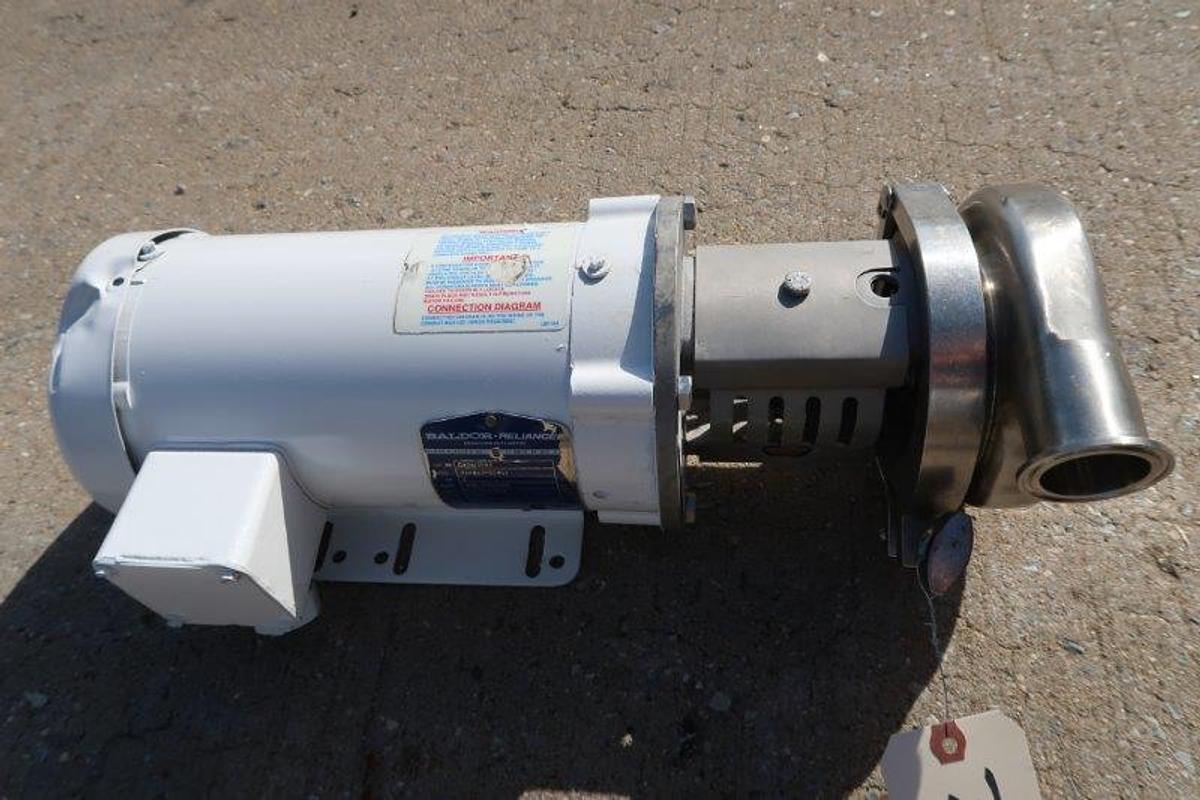
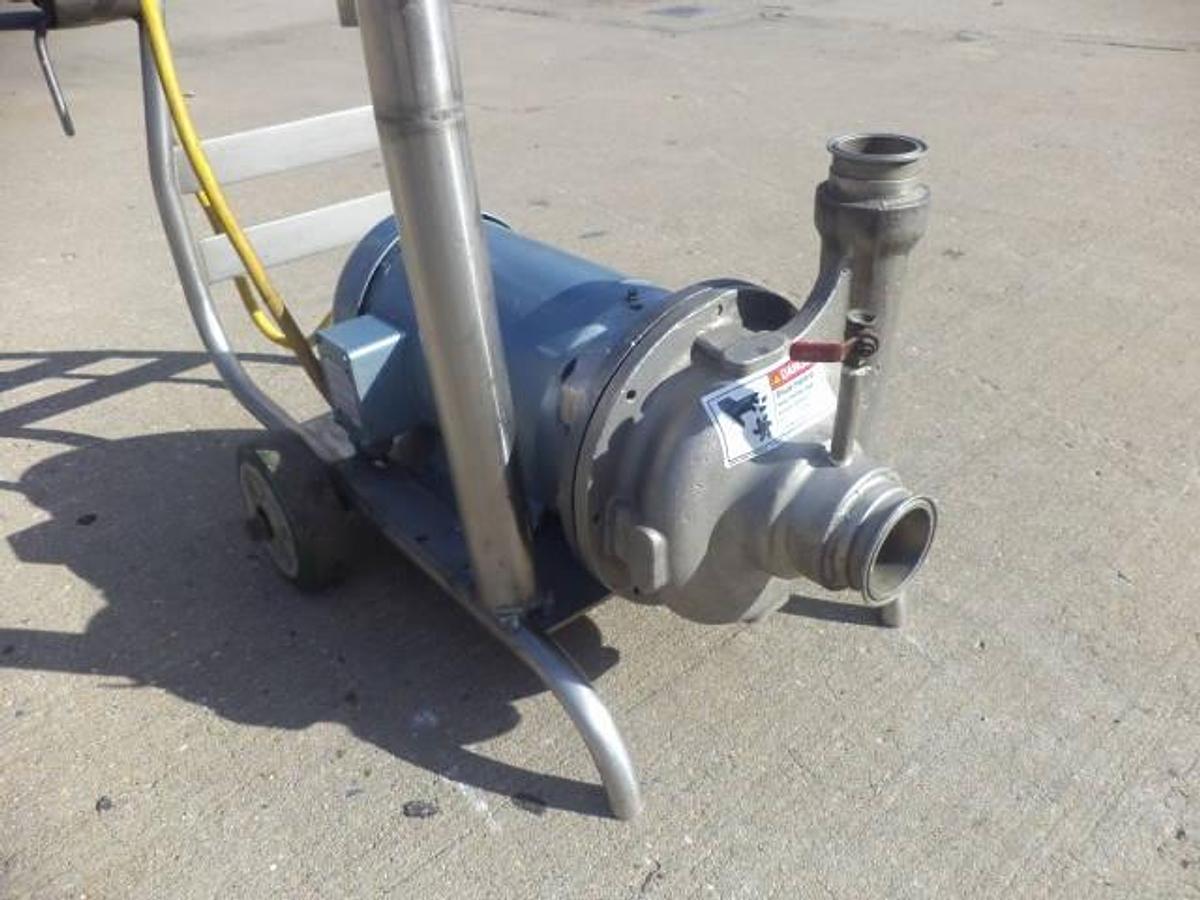
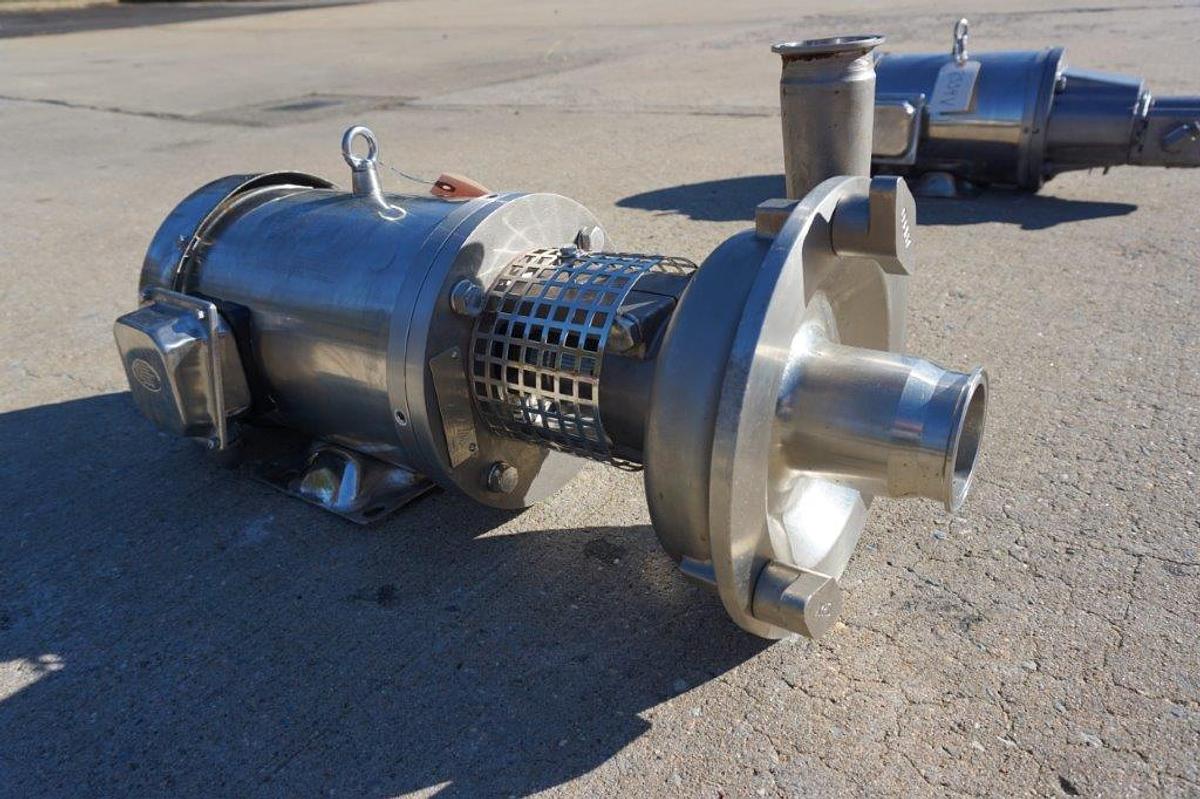
Ampco produces several distinct pump lines, and all of them appear with regularity on the used equipment market. The most commonly available types include sanitary centrifugal pumps, positive displacement pumps, and portable centrifugal units. Centrifugal pumps from Ampco are particularly common, often found in configurations ranging from smaller 2 HP units with 1.5 in. x 2 in. ports up to heavier-duty 5 HP models with 3 in. x 2 in. inlet/outlet dimensions. Portable centrifugal pumps are also available for buyers who need flexibility in their processing setups.
Positive displacement pumps from Ampco serve a different function than centrifugal models. They are designed for applications requiring consistent, metered flow regardless of pressure fluctuations, which makes them popular in dosing, filling, and viscous-fluid transfer operations. When shopping used Ampco equipment, buyers will typically encounter stainless steel construction throughout, with sanitary-grade fittings and surface finishes that reflect the hygienic markets these pumps were built to serve. Checking the inlet and outlet sizes, horsepower rating, and pump series against your process requirements is the most practical starting point when evaluating available inventory.
What industries use Ampco pumps?
Ampco pumps are built specifically for industries where hygiene, corrosion resistance, and precise fluid handling are non-negotiable. The food and beverage sector is the largest user base, covering applications like dairy processing, brewing, juice production, sauce and condiment manufacturing, and beverage blending. Pharmaceutical and personal care manufacturers also rely heavily on Ampco equipment because the pumps are designed to meet strict sanitary standards that regulatory agencies require in those production environments.
Chemical processing is another significant application area, particularly for processes involving aggressive or corrosive fluids where stainless steel construction and reliable sealing are critical. Ampco's mixing and blending product lines extend the brand's reach into any facility that needs homogenization or emulsification alongside fluid transfer. Because these pumps are purpose-built for regulated, sanitary environments, used Ampco equipment retains strong practical value even after it leaves its first production facility. Buyers in the dairy, brewing, pharmaceutical, and specialty food sectors frequently seek out used Ampco pumps as a cost-effective way to expand or replace production capacity.
Are used Ampco pumps suitable for food-grade and sanitary applications?
Ampco pumps are engineered from the ground up for sanitary service, and that design does not change based on whether a unit is purchased used or directly from the manufacturer. Ampco builds its pumps to comply with 3-A Sanitary Standards, and many models also carry FDA and USDA compliance credentials. These standards govern surface finish, material selection, and internal geometry to ensure that product contact surfaces can be properly cleaned and do not harbor bacteria or contamination. The stainless steel construction, typically 316L grade, and the polished internal surfaces are inherent to the pump's design rather than an add-on feature.
That said, buyers purchasing used sanitary equipment should take the inspection process seriously. Before finalizing a purchase, it is worth requesting detailed photos or a video walkthrough of the pump's internal surfaces, seals, and fittings to assess wear and cleanliness. Seals and gaskets are wear items that may need replacement before the pump re-enters food-grade service, and this should be factored into the total acquisition cost. A reputable used equipment dealer will be transparent about the pump's condition and accommodate inspection requests so buyers can make an informed decision about fitness for their specific application.
What materials are Ampco pumps constructed from?
Stainless steel is the defining construction material across Ampco's pump lines, with 316L stainless steel being the standard alloy for product-contact components. The "L" designation indicates a low-carbon variant that offers superior resistance to intergranular corrosion, which matters in applications involving cleaning chemicals, acidic food products, or repeated thermal cycling during clean-in-place (CIP) procedures. Wetted surfaces are typically finished to a specific Ra (roughness average) value to meet 3-A Sanitary Standards, which require smooth surfaces that prevent microbial adhesion and allow for effective sanitation.
Beyond the stainless steel casings and impellers, Ampco pumps incorporate elastomeric seals and gaskets made from food-grade materials such as EPDM or Buna-N, depending on the model and intended service. These components are selected for compatibility with the fluids being handled and the cleaning agents used in sanitary processing environments. When evaluating a used Ampco pump, the condition of seals and gaskets deserves close attention because elastomers degrade over time regardless of use frequency. The structural stainless steel components, by contrast, are highly durable and often remain in excellent serviceable condition well into a pump's second or third decade of life.
What should buyers know about inspecting a used Ampco pump before purchase?
Inspecting a used pump before committing to a purchase is one of the most important steps a buyer can take, and reputable used equipment dealers will accommodate this in several ways. In-person inspections allow a buyer or their technician to physically examine the pump, check surface finishes, review seal condition, and assess any visible wear on the impeller, casing, and fittings. For buyers who cannot travel, virtual inspections via video call or detailed video captures of the machine are a practical alternative that most established dealers can arrange. In some cases, equipment may still be installed and operating at a processing facility, which can provide additional context about its recent service history.
It is worth understanding that used equipment dealers typically do not have production permits or the infrastructure to run product through a pump during an inspection. Testing is generally limited to dry or water runs to confirm mechanical operation, rotation, and absence of obvious leaks. Buyers should use the inspection to verify key specifications including inlet and outlet port sizes, horsepower, motor voltage and phase, and the condition of all product-contact surfaces. Consulting with Ampco directly about a specific model's age and current parts availability is also a smart step, since the manufacturer can give guidance on what service support and replacement components are accessible for older units.
Do Ampco pumps come with a warranty when purchased used?
Manufacturer warranties are tied to the purchase of equipment directly through authorized channels and do not transfer to subsequent owners in the used equipment market. Used Ampco pumps are sold on an as-is basis, which is standard practice across the used industrial equipment industry. This means the responsibility for assessing a pump's condition falls on the buyer, which is precisely why the inspection process carries so much weight before any purchase decision is made.
To reduce risk in an as-is transaction, buyers should focus on selecting dealers with a long, verifiable track record in the food processing or industrial equipment space. Dealers who specialize in sanitary processing equipment will have more relevant expertise than general machinery resellers and are better positioned to accurately represent a pump's condition. Buyers should also contact Ampco directly to understand what level of technical support, parts availability, and documentation exists for the specific model they are considering. Older or discontinued models may have limited manufacturer support, while more recent production runs typically have better parts ecosystems. Going into a purchase with a clear picture of post-sale support options is the best way to mitigate the absence of a formal warranty.
What are the typical horsepower and size configurations for Ampco centrifugal pumps?
Ampco centrifugal pumps span a wide range of sizes to serve everything from small-batch artisan food production to large-scale continuous processing lines. On the lighter end, 2 HP units with 1.5 in. inlet by 2 in. outlet ports are common and well-suited for lower-volume transfer applications. Mid-range configurations around 5 HP with 3 in. x 2 in. port sizes handle higher flow demands, and larger industrial variants are available for high-throughput facilities. Portable centrifugal models add another dimension, offering flexibility for plants that need to move pumping capability between multiple process points.
The relationship between horsepower, impeller diameter, and port size determines a pump's flow rate and head pressure capabilities. Buyers should cross-reference the pump's model number with Ampco's published performance curves to confirm that a specific unit will meet their process requirements in terms of gallons per minute and feet of head. Used equipment listings will typically include the motor horsepower and inlet/outlet dimensions as the primary specifications, but the full model number is what unlocks access to detailed performance data. When evaluating used inventory, matching the pump curve to the actual system requirements is a more reliable approach than selecting based on horsepower alone.
How does buying a used Ampco pump compare to purchasing new equipment?
The most immediate difference is cost. Used Ampco pumps typically sell at a significant discount compared to buying equivalent equipment through a distributor, and the savings can be substantial for buyers equipping a new line or replacing failed equipment on a tight timeline. Lead times are another factor. Supply chain delays for industrial equipment have made used inventory an attractive option for processors who cannot wait months for a new unit to be manufactured and delivered. A used pump that is already available can be inspected, purchased, and shipped within days rather than weeks or months.
The trade-off is that used equipment comes without the assurances that accompany a new purchase, including manufacturer warranties, documentation packages, and the certainty of zero prior wear. Buyers need to invest more effort in due diligence, including thorough inspection, verification of specifications, and assessment of seal and gasket condition. For buyers with in-house maintenance capabilities or access to a qualified pump technician, refurbishing a used Ampco pump to full service readiness is often straightforward given the brand's reputation for durable construction and the general availability of replacement parts. The stainless steel components that make up the bulk of an Ampco pump's structure are built to outlast multiple service cycles, which is a major reason the used market for these pumps remains active and well-supplied.
What should buyers expect regarding shipping costs for a used Ampco pump?
Shipping costs for used industrial pumps vary based on several factors, and buyers should request a detailed breakdown before finalizing a purchase. The weight and dimensions of the pump determine freight class and carrier requirements. Smaller 2 HP centrifugal pumps can often ship on a standard pallet, while larger multi-stage or high-horsepower units may require custom crating to prevent damage in transit. The level of packaging required is one of the more significant variables in the total landed cost, and dealers will typically provide options ranging from basic palletization to full wood crating depending on the fragility and value of the equipment.
Larger or heavier pumps may also require specialized rigging for loading at the dealer's facility and unloading at the buyer's destination. Forklift service, liftgate delivery, or crane assistance can add to the total shipping cost and should be discussed with the dealer upfront. Buyers should ask specifically about whether the quoted shipping price includes loading at origin, freight to destination, and any unloading assistance required. Getting clarity on all of these line items before purchase prevents surprises and allows for accurate total cost comparisons when evaluating multiple pieces of equipment or sourcing options.
Can replacement parts be sourced for used Ampco pumps?
Ampco is an established U.S.-based manufacturer with an active product line, which generally means parts support is available for a broad range of their pump models. Common wear items like mechanical seals, gaskets, impellers, and seal plates are the components most likely to need attention in a used pump, and these are typically available either directly through Ampco or through authorized service distributors. The model number and series designation are the key pieces of information needed to identify the correct replacement components, so buyers should make sure to obtain this information as part of any purchase.
Parts availability does vary with age and model. Ampco has produced pumps across many decades, and very early production models may have limited or no factory parts support. Before purchasing a used pump, it is worth contacting Ampco's technical or parts department with the model information to confirm what is available and at what cost. This step is especially important for buyers in regulated industries where downtime is costly, since knowing the parts ecosystem in advance allows for proactive stocking of critical spares. For more recent Ampco models, parts availability is generally good, and the modular design of many Ampco centrifugal pumps makes seal and impeller replacement a manageable maintenance task for a qualified technician.