Category
Manufacturer
Model
FAQ:
What types of AMF Glen equipment are typically available on the used market?
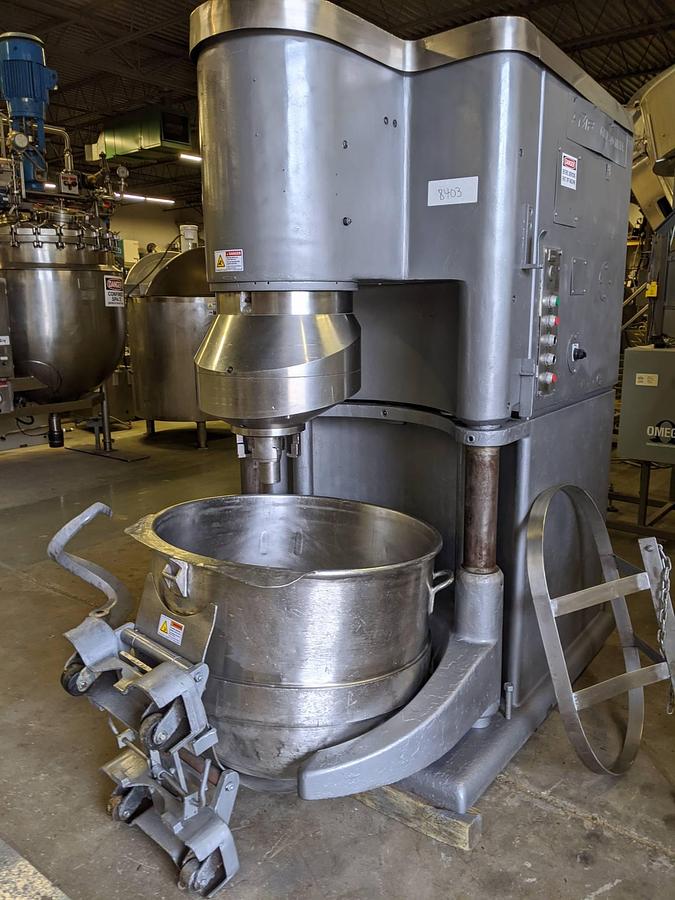
AMF Glen equipment spans a fairly wide range of bowling and food service machinery, and what shows up on the used market reflects that variety. On the bowling side, the most commonly listed pieces include pinsetters (the AMF 82-70 series being among the most recognized), lane machines, ball returns, scoring systems, and related lane furniture. On the food service and mixing side, equipment like the AMF Glen 340 Qt. vertical mixer with bowl surfaces regularly, particularly among bakeries, commercial kitchens, and food production facilities looking for heavy-duty, proven machinery at a fraction of the cost of comparable equipment.
Because all of this equipment is used rather than sourced directly from a manufacturer, condition and configuration will vary from listing to listing. Some machines come fully decommissioned and ready for relocation, while others may still be in active use at a facility, which can actually be an advantage for buyers who want to see the equipment running before committing to a purchase. Buyers should ask sellers specifically about the machine's service history, hours of use if trackable, and any known mechanical issues before making a decision.
Is AMF Glen equipment still being manufactured, or is everything on the market used?
The AMF bowling division went through significant ownership changes over the decades, and the classic equipment lines associated with AMF Glen are no longer in primary production. What you find listed for sale today is used equipment, often pulled from bowling alleys that have closed, downsized, or upgraded to more recent systems. The same applies to AMF Glen commercial mixing and food processing equipment, which was produced during a specific era and is now available only through the secondary market.
This is worth understanding before you start shopping. Used equipment carries a different set of considerations than buying from a manufacturer, including the absence of a factory warranty, the importance of a thorough pre-purchase inspection, and the need to research parts availability for the specific model you are considering. That said, AMF Glen equipment has a strong reputation for mechanical durability, which is a big part of why it continues to circulate on the used market decades after production. Buyers who do their homework and work with reputable used equipment dealers can find machines that deliver reliable performance for years.
What is the AMF Glen 340 Qt. vertical mixer, and what is it used for?
The AMF Glen 340 Qt. vertical mixer is a large-capacity commercial mixing machine designed for high-volume food production environments. At 340 quarts, it sits firmly in the industrial category, making it well suited for large-scale bakeries, food manufacturing plants, pizza dough operations, and any production facility that needs to process large batches of dough, batter, or similar materials in a single mix cycle. These machines were built to handle continuous, demanding workloads, and their mechanical construction has made them a sought-after option on the used equipment market.
The bowl configuration on these mixers is a key feature, as the vertical design and large bowl capacity allow for efficient mixing of dense, heavy materials that smaller commercial mixers cannot handle effectively. When evaluating a used AMF Glen 340 Qt. mixer, buyers should pay close attention to the condition of the bowl itself, the drive system, the agitator attachments included with the machine, and the overall mechanical integrity of the unit. Since these are used machines, an in-person or video inspection is strongly recommended before purchase to assess current working condition accurately.
How do I verify the condition of used AMF Glen equipment before buying?
Verifying condition before purchase is one of the most important steps in any used equipment transaction. Reputable dealers will typically offer buyers the option to inspect equipment in person, via live video call, or through detailed video walkthroughs of the machine. If the equipment is still installed at a production facility or bowling alley, there may even be an opportunity to observe it operating under real working conditions, which provides the most accurate picture of mechanical health. Buyers should take full advantage of whatever inspection access is available and ask specific questions about the machine's history, known issues, and last service date.
It is also worth consulting with the equipment manufacturer or a qualified technician familiar with the specific AMF Glen model you are considering. They can help you interpret what you see during an inspection and flag anything that might indicate costly repairs down the line. Keep in mind that most used equipment dealers do not have the permitting or facilities to run full production tests, so inspections are focused on mechanical condition rather than output testing. The more specific and thorough your inspection checklist, the better position you will be in to make a confident purchasing decision.
Are replacement parts still available for AMF Glen equipment?
Parts availability is one of the most practical concerns for anyone buying older AMF Glen equipment, and the answer depends significantly on the specific model and component in question. For some of the more widely used AMF bowling equipment, particularly the 82-70 pinsetter series, a secondary market for parts has developed over the years, with specialty suppliers and third-party manufacturers producing replacement components. Salvaged machines are also a common parts source, where buyers or shops purchase non-functional units specifically to harvest usable components.
For AMF Glen food service and mixing equipment, parts sourcing follows a similar pattern. It is worth contacting the manufacturer directly before purchasing a used machine to understand what level of support you can realistically expect for that particular model and age. Older or less common models may have limited factory support, making it more important to factor in the availability of third-party parts and local repair expertise when calculating the true cost of ownership. Discussing parts availability with the selling dealer before purchase is a reasonable and advisable step.
What should I expect to pay for used AMF Glen equipment?
Pricing for used AMF Glen equipment varies considerably depending on the type of machine, its age, mechanical condition, configuration, and what the market is doing at the time of sale. A large-capacity vertical mixer like the 340 Qt. model will carry a different price point than a pinsetter or a ball return system, and within each category, pricing shifts based on how well the machine has been maintained and what accessories or components are included. Generally speaking, buyers can expect used AMF Glen equipment to be priced well below comparable modern machinery, which is a significant part of the appeal.
Beyond the listed price, buyers should account for the full landed cost of the equipment, which includes shipping, rigging, crating or palletization, and any installation or reconditioning work needed after delivery. These additional costs can be substantial for heavy industrial equipment, so getting a complete cost breakdown from the dealer before committing is essential. Reaching out to multiple dealers and comparing not just price but also machine condition, inspection access, and dealer reputation will give you the most accurate picture of fair market value for the specific piece you are looking for.
What are the shipping and freight considerations for purchasing used AMF Glen equipment?
Shipping heavy commercial equipment like AMF Glen mixers or bowling machinery involves logistics that go well beyond standard freight. These machines are often large, heavy, and mechanically complex, which means they require proper crating or palletization to prevent damage in transit. The level of packaging required will directly affect shipping costs, and buyers should ask the selling dealer specifically how the equipment will be prepared for transport. Inadequate packaging is one of the most common causes of damage during machinery shipments, so this is not a detail to overlook.
For particularly large or heavy machines, specialized rigging equipment may be needed for loading at the origin point and unloading at the destination. This adds cost and requires coordination between the dealer, the freight carrier, and the buyer's receiving facility. Buyers should confirm in advance that their facility is equipped to receive and unload the equipment safely. Getting a full breakdown of all shipping-related costs, including rigging, freight, and any delivery surcharges, before finalizing a purchase will prevent unexpected expenses and ensure you have an accurate picture of what the equipment will actually cost to put into service.
What payment terms are typical when buying used AMF Glen equipment from a dealer?
Used equipment dealers generally require full payment before a machine is released for shipping. This is standard practice across the industry and reflects the nature of used equipment transactions, where the seller needs to confirm funds before coordinating logistics for large, heavy machinery. Buyers who are working with a dealer for the first time should expect to pay in full upfront, and should factor this into their purchasing timeline and cash flow planning.
Some dealers may offer extended terms or other arrangements to established repeat customers, but this is not the norm for first-time buyers and should not be assumed. Before completing any transaction, buyers should confirm the accepted payment methods, understand the timeline from payment to shipment, and make sure they have a clear record of the transaction details including machine specifications, agreed condition, and shipping arrangements. Working with a dealer who has a verifiable track record in the industry is one of the best ways to ensure the transaction goes smoothly.
How did AMF and Glen come to be associated in the used equipment market?
AMF, which stands for American Machine and Foundry, was one of the most influential industrial equipment manufacturers of the 20th century, with a particularly dominant presence in the bowling industry. The company produced a wide range of mechanical and electromechanical equipment, and over the decades, AMF's bowling division became synonymous with pinsetters, lane machinery, and related equipment found in bowling alleys across the country and internationally. Glen, as a brand associated with commercial mixing and food processing equipment, became linked with AMF through manufacturing relationships and product lines that carried both names.
Today, the pairing of AMF and Glen in equipment searches reflects the way these machines were labeled, marketed, and documented during their production years. Buyers searching for used commercial mixers or bowling equipment frequently encounter both names together, particularly on machines from specific production eras. Understanding this history helps buyers search more effectively and recognize the equipment they are looking at, since the combined branding appears on nameplates, documentation, and dealer listings for machines that are now decades old but still in active circulation on the used market.
Is used AMF Glen bowling equipment compatible with modern bowling alley setups?
Compatibility between older AMF Glen bowling equipment and modern alley configurations is a real consideration for anyone looking to renovate an existing facility or set up a new one using used machinery. AMF's mechanical pinsetter designs, particularly the widely used 82-70 series, were built to function within lane dimensions and mechanical specifications that have remained largely consistent in ten-pin bowling, which works in the buyer's favor. Many independent and retro-style bowling alleys have successfully integrated used AMF equipment into their operations, in part because the mechanical reliability of these machines makes them a practical choice even at age.
That said, integrating older equipment with modern scoring systems, lane conditioning machines, or updated electrical infrastructure may require additional work and expertise. Buyers should consult with a qualified bowling equipment technician before purchasing to assess whether the specific model they are considering will work within their planned setup without requiring costly modifications. It is also worth checking with AMF or current service providers about the availability of technical documentation and support for the model in question, since older machines may have limited manufacturer support depending on their age and production history.