Category
Manufacturer
Model
American Can Company
FAQ:
What types of American Can Company equipment are typically available for sale?
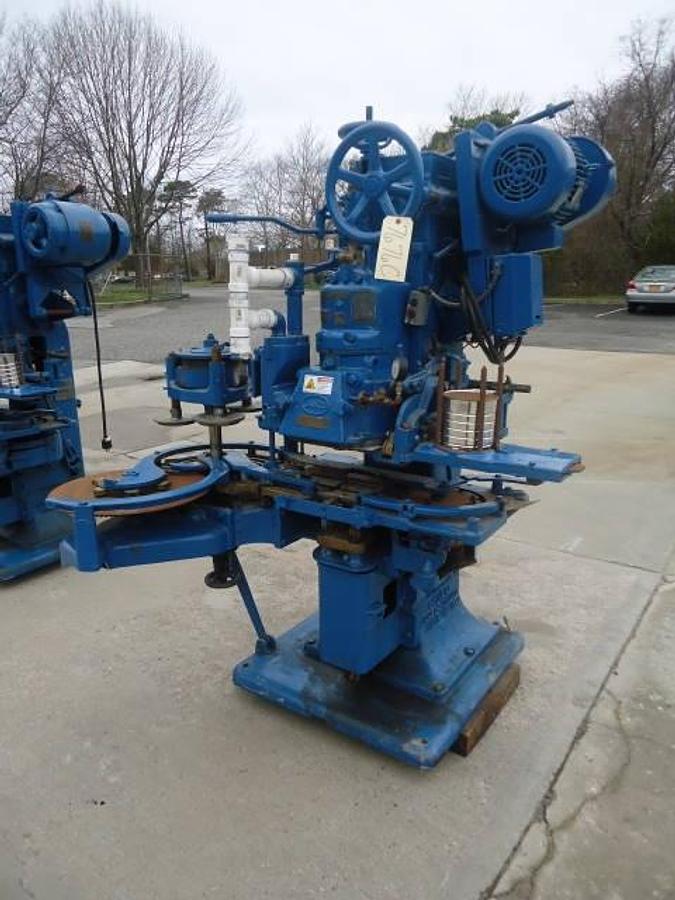
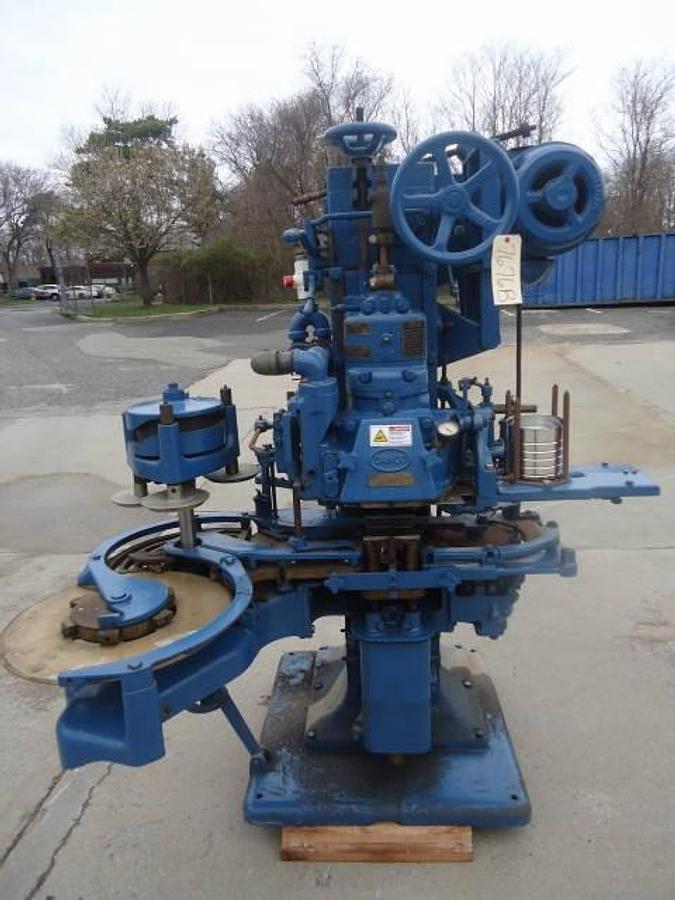
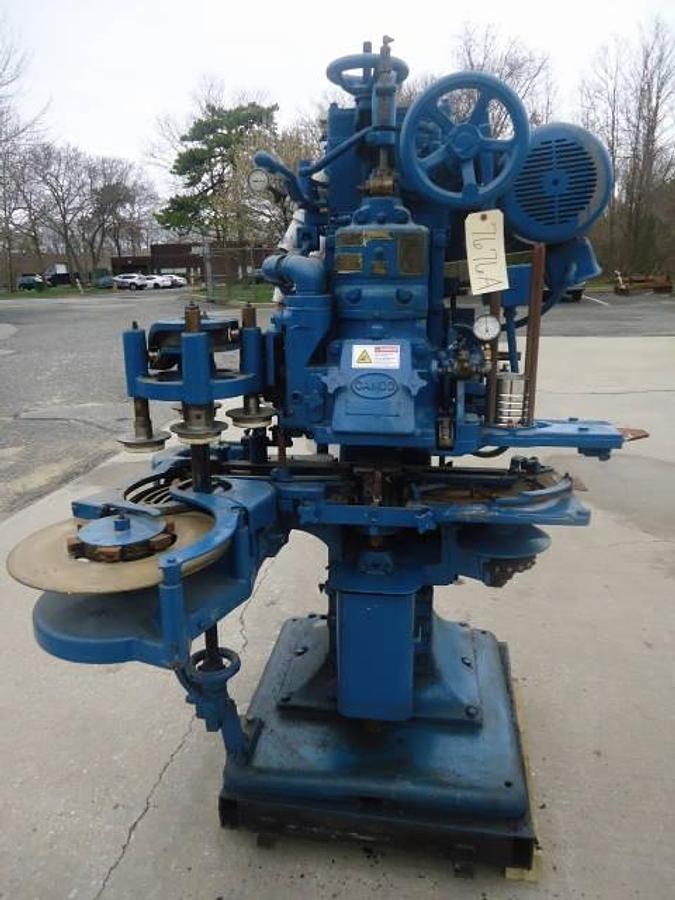
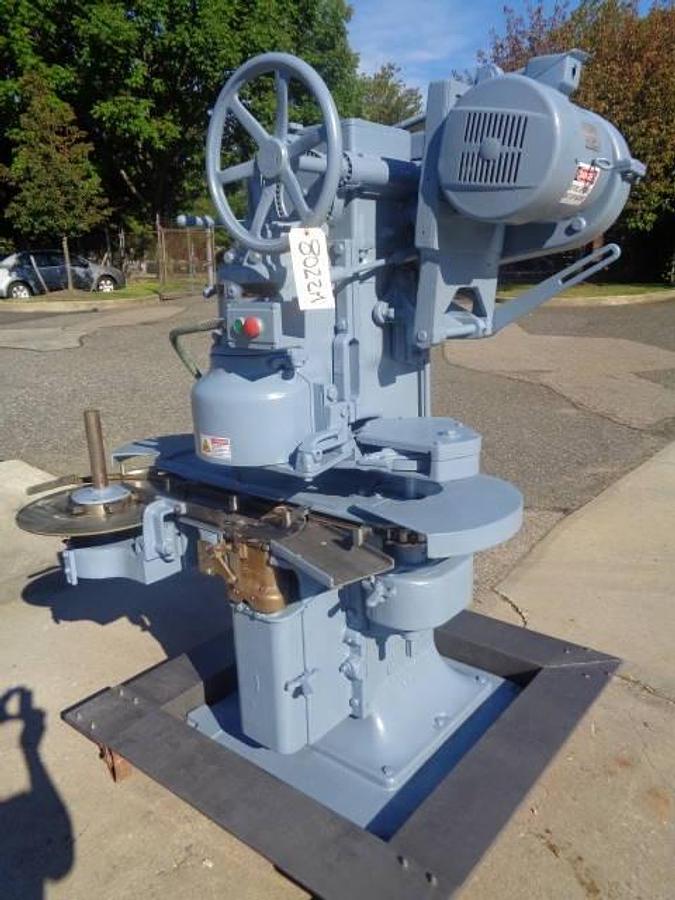
American Can Company produced a wide range of industrial canning and packaging machinery over its history, and the used equipment market reflects that breadth. Commonly available machines include vacuum can closers in various diameter specifications (such as 401 and 603 diameter models), automatic can openers designed for commercial-scale production, and various seaming and filling equipment tied to the Canco brand. Specific models like the Canco 008 Vacuum Can Closer, the Canco 00-6, and the Canco Model 05 Automatic Can Opener for #10 cans represent the kind of specialized machinery that surfaces through used equipment dealers.
Beyond closers and openers, the American Can Company's production lines historically included labeling equipment, conveyor systems, and other packaging line components. Because the company operated from 1901 through several decades of industrial expansion before rebranding as Primerica in 1987, equipment spans multiple eras of manufacturing technology. Buyers should expect significant variation in age, mechanical complexity, and overall condition depending on the specific machine and its production era. All equipment available through used dealers is sold in used condition, so understanding the machine's history and current state is an essential part of any purchase decision.
What is the difference between Canco and American Can Company equipment?
Canco is the trade name and brand used by the American Can Company for its machinery and equipment products. When you see equipment listed under the Canco name, such as the Canco Model 05 or Canco 008, those machines were manufactured by the American Can Company and marketed under the Canco label. The two names refer to the same manufacturer, and dealers and collectors use them interchangeably depending on whether they are referencing the corporate entity or the equipment brand itself.
This distinction matters practically because when researching parts, service history, or technical documentation, searching under both "Canco" and "American Can Company" will yield more complete results. Manuals, schematics, and industry references may use either name depending on their publication date and context. For buyers evaluating used Canco machinery, understanding this relationship also helps when consulting with manufacturers or parts suppliers about support availability, since the corporate lineage ended decades ago and documentation may be scattered across different archival sources.
What condition should buyers expect when purchasing used American Can Company equipment?
Used American Can Company machinery is sold in as-is condition, which is standard practice across the used industrial equipment market. Condition varies considerably from machine to machine depending on how the equipment was maintained during its working life, whether it was decommissioned and stored or kept in active production, and how long it has been sitting idle. Some machines may be fully operational, while others may require mechanical attention, cleaning, or sourcing of worn components before returning to service. Buyers should never assume a machine is production-ready without a thorough inspection.
Reputable used equipment dealers will typically accommodate in-person inspections, virtual walkthroughs, or video documentation of the machine so buyers can assess its current state before committing to a purchase. Some equipment may still be located at the facility where it was last used, meaning an inspection can be arranged at the production site. Keep in mind that dealers generally do not have the permitting or infrastructure to run test production, so functional verification is usually limited to mechanical observation rather than full operational testing. Buyers with specific production requirements should factor in the cost of any reconditioning work when evaluating the total investment.
Are replacement parts still available for American Can Company and Canco machinery?
Parts availability for American Can Company and Canco equipment is one of the more significant challenges buyers face, and it deserves careful consideration before any purchase. The American Can Company ceased equipment production decades ago following its corporate restructuring into Primerica in 1987, which means there is no active manufacturer supplying purpose-built replacement parts. Buyers must rely on a combination of existing old-stock components, parts salvaged from other machines of the same model, and custom fabrication by qualified machinists who can work from original specifications or reverse-engineer worn parts.
Before purchasing a specific machine, it is worth consulting directly with any remaining industry contacts or manufacturers familiar with Canco equipment to understand what level of parts and technical support is realistically available. The age and model of the machine will directly affect this. Some models with longer production runs or wider distribution may have more parts in circulation than rarer or earlier machines. Buyers should also ask dealers whether they have any associated spare parts, documentation, or tooling available with the machine, as these add significant practical value when sourcing replacements becomes necessary down the line.
Who typically buys used American Can Company equipment, and what do they use it for?
The buyer pool for used American Can Company equipment generally falls into two distinct categories. The first group consists of industrial buyers, typically small-scale or specialty food producers, contract packagers, or niche manufacturers who need reliable canning machinery for lower-volume production runs. Vintage Canco closers and seaming equipment, for example, can still perform the mechanical functions they were built for, and for certain production contexts the simplicity and durability of older mechanical designs is actually an advantage over more complex modern alternatives.
The second group is made up of collectors, historians, and institutions such as museums or industrial heritage organizations that value this equipment for its historical significance. The American Can Company was once one of the largest manufacturers in the United States, and its machinery represents a tangible piece of 20th-century industrial history. Regardless of which category a buyer falls into, the evaluation process should be the same: understand the machine's current condition, assess parts and support availability, and factor in the full cost of acquisition including shipping, rigging, and any reconditioning work required.
What are typical price ranges for used American Can Company machinery?
Pricing for used American Can Company and Canco equipment varies based on several factors including the specific model, its mechanical condition, its rarity, and current market demand from both industrial buyers and collectors. Smaller, more common pieces such as individual can closers or openers in working condition will generally be priced lower than larger, more complex production line machinery or particularly scarce models with historical significance. Because this equipment is no longer manufactured, pricing is also influenced by how many comparable units are available in the used market at any given time.
Buyers should request detailed condition information and inspection access before evaluating whether an asking price is appropriate for a specific machine. Beyond the purchase price itself, the total cost of acquisition for large industrial equipment typically includes freight, rigging for loading and unloading, and any crating or palletization required for safe transit. These logistics costs can be substantial for heavy machinery and should be factored into the overall budget from the start. Contacting the dealer directly for a full landed cost estimate, including all shipping and handling charges to the buyer's location, gives a much clearer picture of the real investment.
How should buyers inspect used American Can Company equipment before purchasing?
Inspection is one of the most important steps in purchasing any used industrial machinery, and American Can Company equipment is no exception. Buyers have several options depending on their location and the dealer's setup. In-person inspections allow a buyer or their designated technician to physically examine the machine, check for wear on critical components, assess the condition of seals and mechanical parts, and get a hands-on sense of the equipment's overall state. This is generally the most thorough approach and is worth arranging when the purchase involves significant investment.
For buyers who cannot travel to the machine's location, many dealers offer virtual inspections via video call or can provide detailed video documentation of the equipment. These remote options allow buyers to observe the machine's condition, ask questions in real time, and review specific areas of concern. Some machines may still be located at the facility where they were last in production, in which case an inspection may be coordinated between the dealer and the facility owner. Buyers should prepare a list of specific questions and areas they want examined before any inspection, and should not hesitate to request additional footage or documentation if the initial materials leave questions unanswered.
How is large American Can Company industrial equipment typically shipped?
Shipping large industrial canning machinery requires more planning than standard freight, and buyers should approach logistics as a meaningful part of the overall purchase process. The first consideration is packaging: machinery needs to be properly palletized or crated to prevent damage in transit, and the level of preparation required will depend on the size, weight, and fragility of the specific machine. Dealers will typically handle or coordinate this preparation, but the associated costs vary and should be discussed upfront. Heavier or more complex machines may require custom crating built to protect specific components.
For particularly large or heavy equipment, professional rigging is required for both loading at the origin and unloading at the destination. Rigging involves specialized equipment and trained crews to safely move heavy machinery, and it represents an added cost beyond standard freight charges. Buyers should ask dealers for a detailed breakdown of all shipping-related costs, including palletization or crating, rigging, freight carrier charges, and any fuel surcharges or accessorial fees, so they can calculate the full landed cost before finalizing a purchase. International buyers face additional considerations around customs documentation, import duties, and compliance with destination-country regulations for industrial equipment.
What payment terms are standard when buying used industrial canning equipment?
Payment practices in the used industrial equipment market are fairly consistent across dealers. The standard expectation is full payment prior to the equipment being released for shipping. This protects the dealer and ensures that logistics can be coordinated once funds are confirmed. Buyers should be prepared for this requirement and factor payment timing into their acquisition planning, particularly if the purchase involves arranging financing or internal purchase approvals that take time to process.
Some dealers may offer extended terms or payment arrangements to established customers with a prior purchasing history, but this is not a standard offering for first-time buyers. Wire transfer is the most common payment method for transactions of this size. Buyers should also clarify with the dealer exactly what the payment covers, specifically whether shipping, rigging, and crating costs are included in the quoted price or billed separately. Getting a complete cost breakdown in writing before submitting payment avoids misunderstandings and ensures both parties have a clear record of the transaction terms.
How can buyers verify the provenance and authenticity of American Can Company equipment?
Verifying that a machine was genuinely manufactured by the American Can Company involves looking at several types of identifying information. Authentic Canco equipment typically carries manufacturer nameplates, model numbers, and serial numbers affixed directly to the machine. These identifiers can be cross-referenced against historical documentation, trade publications, and equipment registries from the era in which the machine was produced. Buyers should ask dealers for clear photographs of any nameplates or markings as part of their pre-purchase due diligence.
Beyond physical markings, provenance can sometimes be established through the machine's documented history, including records of the facility where it was used, maintenance logs, or prior sale documentation. Dealers who specialize in food processing and canning equipment will generally have more familiarity with Canco machinery and a stronger ability to speak to a machine's background. Buyers with serious concerns about authenticity, particularly for historically significant pieces, may also want to consult with industrial historians or archival resources related to the American Can Company's manufacturing history. Choosing a dealer with a long track record in the industry and specific experience with canning equipment adds an additional layer of confidence in the transaction.