Category
Manufacturer
Model
Alsop
Alsop is noted for their vehicle wash systems and water reclamation technologies, serving sectors such as automotive and transport logistics. They provide advanced automated washing solutions that are both environmentally sustainable and highly efficient.
FAQ:
What types of vehicles are Alsop wash systems designed to handle?
Alsop vehicle wash systems are built primarily for heavy-duty and commercial applications, making them a strong fit for operators who need to clean large fleets on a regular basis. The systems are commonly associated with HGVs (heavy goods vehicles), buses, agricultural machinery such as tractors and combine harvesters, construction equipment, and other industrial vehicles. This focus on heavy-duty capability sets Alsop apart from lighter-duty wash equipment that might struggle with the scale and soiling levels typical of transport logistics, farming, or construction environments.
Beyond heavy vehicles, Alsop systems are also used in standard automotive and fleet washing contexts, making them adaptable across a range of sectors. Fleet operators, local councils, agricultural businesses, and construction companies are among the most common buyers. Because these machines are built to handle demanding conditions, they tend to hold up well even in high-throughput wash operations where equipment runs frequently throughout the day.
What wash system configurations does Alsop manufacture?
Alsop produces several configurations of vehicle wash equipment, with the most common being drive-through wash systems, static wash bays, and mobile wash units. Drive-through systems are popular with fleet operators who need to process a high volume of vehicles quickly, as they allow vehicles to pass through a fixed wash structure without requiring manual repositioning. Static wash bays are a good fit for facilities with dedicated wash areas, while mobile units offer flexibility for operations spread across multiple sites.
Alsop is also recognized for integrating water reclamation technology into their systems, which is a significant feature for operators looking to reduce water consumption and comply with environmental regulations. This capability allows wash water to be filtered, treated, and recycled back into the system, cutting ongoing water costs and reducing the volume of wastewater discharged. Buyers shopping for used Alsop equipment should confirm which configuration and features are present in a specific machine, as options and capabilities can vary considerably between models and production years.
What should buyers know about purchasing a used Alsop vehicle wash system?
Buying a used Alsop wash system is a practical way to access commercial-grade wash technology at a lower upfront cost than purchasing new equipment. That said, used machinery is typically sold on an as-is basis, which places the responsibility of due diligence squarely on the buyer. Before committing to a purchase, buyers should request a thorough inspection of the machine, either in person or via video, to assess its current mechanical condition, the state of wear components such as brushes and nozzles, and whether any structural or electrical issues are present.
It is also worth contacting Alsop directly to understand what level of parts availability and technical support exists for the specific model being considered. Older models may have more limited parts support than more recent production runs, which can affect long-term serviceability. Selecting a used equipment dealer who specializes in vehicle wash or industrial machinery, and who has a verifiable track record, reduces the risk of purchasing equipment with undisclosed issues. Reputable dealers will typically accommodate inspection requests and provide honest condition assessments.
How do Alsop water reclamation systems work, and why do they matter?
Alsop vehicle wash systems are frequently paired with water reclamation technology that captures, filters, and recycles wash water back into the system for reuse. The process typically involves collecting runoff water in a tank or pit, passing it through a series of filtration and settlement stages to remove solids, oils, and contaminants, and then returning the cleaned water to the wash cycle. This closed-loop or semi-closed-loop approach significantly reduces the volume of fresh water consumed per wash, which translates directly into lower operating costs over time.
From a regulatory standpoint, water reclamation is increasingly important for commercial wash operations. Many jurisdictions have rules governing the discharge of wash water containing oils, detergents, and particulates, and a reclamation system helps operators stay compliant without relying entirely on costly mains water or wastewater disposal. For high-volume fleet operators, the savings on water bills alone can make a reclamation-equipped system considerably more economical than a straight-discharge setup. When evaluating a used Alsop system, buyers should specifically check the condition of the reclamation tank and filtration components, as these parts are central to the system's environmental and cost performance.
What is the typical price range for used Alsop vehicle wash equipment?
Pricing for used Alsop vehicle wash systems varies widely depending on the type of system, its age, condition, included features, and the current market. Smaller or simpler units, such as static wash bays or component parts like stainless steel tanks, will generally sit at the lower end of the price spectrum. Full drive-through wash systems or complete installations with integrated water reclamation equipment tend to command higher prices, particularly if they are in good working order with a relatively recent production date.
Because these are used machines, buyers should factor in potential costs beyond the purchase price itself. Shipping, rigging, installation, and any refurbishment or replacement of worn components can add meaningfully to the total landed cost. Getting quotes on all of these elements before finalizing a purchase gives a much clearer picture of what the equipment will actually cost to put into service. Comparing listings across reputable used industrial equipment dealers who specialize in wash or processing equipment is a reasonable way to gauge whether a listed price is in line with current market conditions.
What maintenance does an Alsop vehicle wash system require to stay in good working order?
Regular maintenance on an Alsop vehicle wash system covers several areas. Wash brushes and nozzles wear down over time and need periodic inspection and replacement to maintain cleaning quality. High-pressure pumps, which are central to most automated wash systems, require routine checks on seals, valves, and fluid levels. Electrical components, sensors, and control systems should be inspected regularly to catch faults before they cause downtime. On systems with water reclamation, the filtration media, settlement tanks, and pumps in the reclamation circuit need cleaning and servicing on a schedule that reflects how intensively the system is used.
For buyers acquiring a used Alsop system, it is worth establishing a maintenance baseline before putting the equipment into full operation. This means a thorough inspection of all wear items, a check of all fluid systems, and ideally a conversation with Alsop or an authorized service provider about the recommended service intervals for that specific model. Keeping a log of maintenance activity helps track the health of the system over time and can also be useful if the equipment is ever resold. Sourcing spare parts in advance for high-wear components is a practical step, especially for older models where parts availability may be more limited.
How should a used Alsop wash system be inspected before purchase?
A thorough pre-purchase inspection is the most important step in buying any used vehicle wash system. Buyers should aim to assess the machine's mechanical and structural condition as directly as possible. In-person inspections are ideal and allow a buyer or their technician to physically examine components, check for corrosion or damage, test electrical systems, and review the general state of the equipment. Many reputable dealers will also accommodate video inspections or provide detailed video walkthroughs of the machine for buyers who cannot travel to the location.
It is worth noting that most used equipment dealers do not have the permitting or infrastructure to run a full production test with actual wash product, so buyers should not expect a live demonstration in the same sense as testing production machinery at an operating facility. However, static checks of pumps, motors, control panels, and structural components can still reveal a great deal about the machine's condition. If the equipment is still installed at an operating facility, there may be an opportunity to observe it in use, which is the best-case scenario for assessing real-world performance. Buyers should ask specific questions about the machine's service history, any known faults, and how long it has been out of service if it is decommissioned.
What sectors commonly use Alsop vehicle wash systems?
Alsop vehicle wash systems are used across a broad range of industries where regular, thorough vehicle cleaning is either operationally necessary or legally required. Fleet transport and logistics companies are among the most common users, as maintaining clean vehicles is often tied to both regulatory compliance and professional presentation. Agricultural operations rely on wash systems to clean tractors, harvesters, and other machinery, particularly when moving between fields to prevent cross-contamination of soil-borne diseases or invasive species. Construction companies use wash systems at site entrances and exits to prevent mud and debris from being tracked onto public roads, which is a legal requirement in many regions.
Local councils and public transport operators are also significant users of heavy-duty wash systems, given the volume and size of vehicles they manage. Automotive dealerships and vehicle preparation centers may use Alsop equipment for high-throughput cleaning of passenger vehicles. The common thread across all these sectors is the need for reliable, repeatable cleaning performance on a commercial scale, which is exactly what Alsop systems are engineered to deliver. Used equipment from any of these sectors can find a second life in similar or adjacent applications, provided the machine's configuration suits the buyer's specific vehicle types and throughput requirements.
What are the shipping and logistics considerations when buying a used Alsop wash system?
Shipping a used vehicle wash system involves more complexity than shipping standard freight. These machines are large, heavy, and often contain sensitive components that can be damaged if not properly secured during transit. Buyers should ask the selling dealer specifically about how the equipment will be packaged or crated, as the level of preparation directly affects the risk of damage in transit. Palletization may be sufficient for smaller components, while full wash bay systems or large tanks may require custom crating or specialized rigging to load and unload safely.
Rigging costs for heavy equipment can be significant, particularly if a crane or forklift is required at either end of the shipment. Freight rates will vary based on the size and weight of the equipment, the origin and destination, and the shipping method used. Buyers should request a complete breakdown of packaging, rigging, and freight costs before finalizing a purchase so they understand the full landed cost of the equipment. International shipments add further considerations around customs, duties, and import regulations that should be researched in advance. Full payment prior to shipping is standard practice among used equipment dealers, though some may offer alternative arrangements for established customers.
What is the significance of the stainless steel tank component found in some Alsop systems?
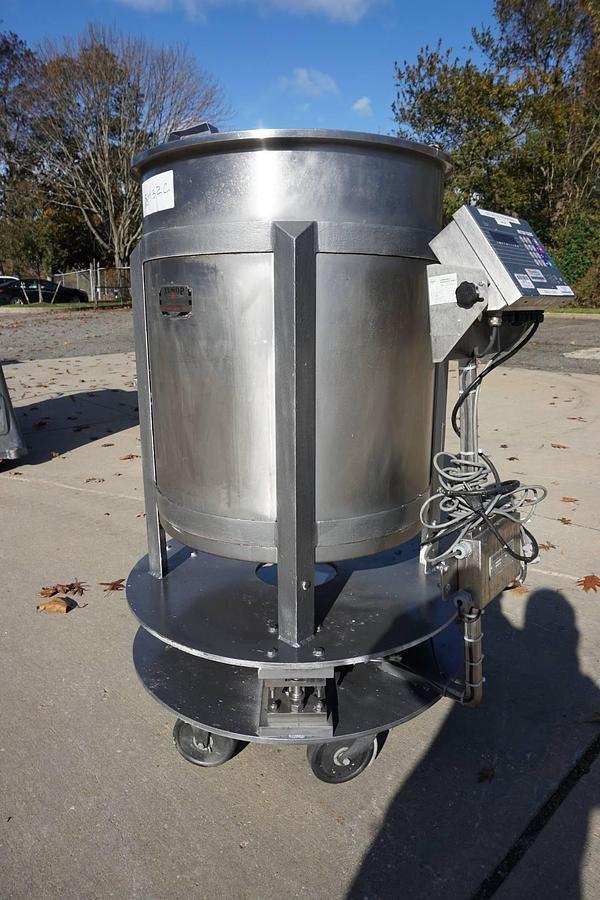
Stainless steel tanks are a key component in Alsop vehicle wash systems, particularly those with integrated water reclamation or chemical dosing capabilities. Stainless steel is the material of choice for wash system tanks because it resists corrosion from the detergents, degreasers, and recycled wash water that pass through the system continuously. A tank made from lower-grade materials would degrade much faster under these conditions, leading to contamination of the wash water and eventual structural failure. Load cells, which are sometimes fitted to these tanks, allow the system to measure the volume or weight of liquid in the tank accurately, which is important for automated dosing and reclamation control.
For buyers considering a used Alsop system that includes a stainless steel tank, the condition of the tank itself is worth examining carefully. Look for signs of pitting, weld failures, or scale buildup on the interior surfaces, as these can indicate either chemical damage or extended periods without proper maintenance. A well-maintained stainless steel tank can have a very long service life, which makes it a durable and valuable part of any used Alsop system. Confirming the tank's capacity and whether load cells are functional and calibrated is also a practical step before putting the equipment back into service.