Category
Manufacturer
Model
Alpine
Alpine is renowned for its cold room storage and stainless-steel refrigeration systems, primarily serving the food storage and distribution sectors. Their products are recognized for maintaining optimal temperature control and energy efficiency in large-scale cold storage applications.
FAQ:
What is Alpine known for in industrial equipment?
Alpine is a well-regarded manufacturer in the industrial processing and cold storage sectors. The brand is particularly recognized for its cold room storage systems and stainless-steel refrigeration equipment, which are widely used in food storage and distribution operations. Alpine's refrigeration products are built around maintaining precise temperature control across large-scale cold storage environments, and the brand has a strong reputation for energy efficiency in demanding commercial applications.
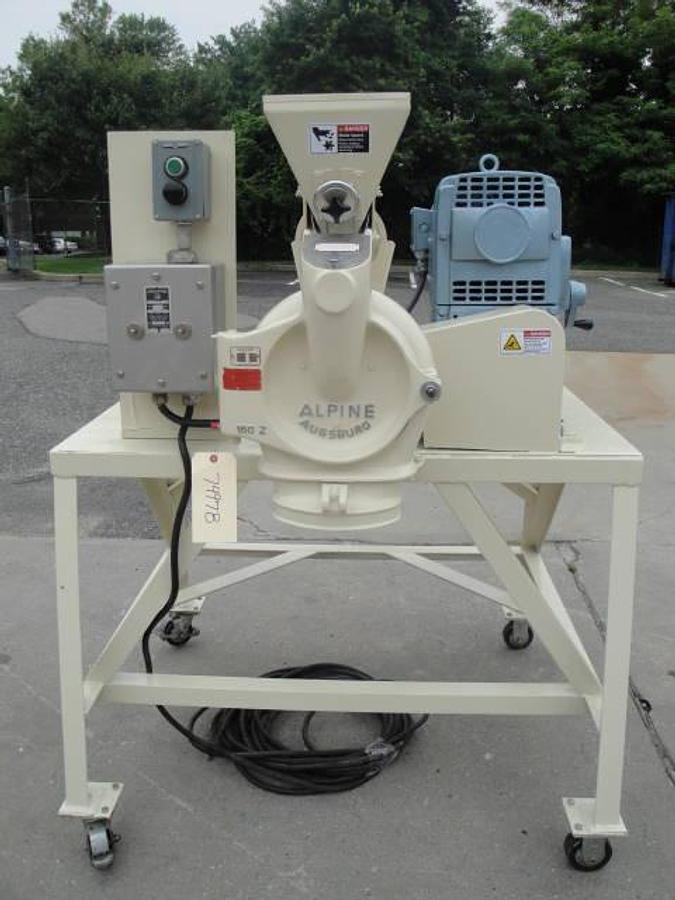
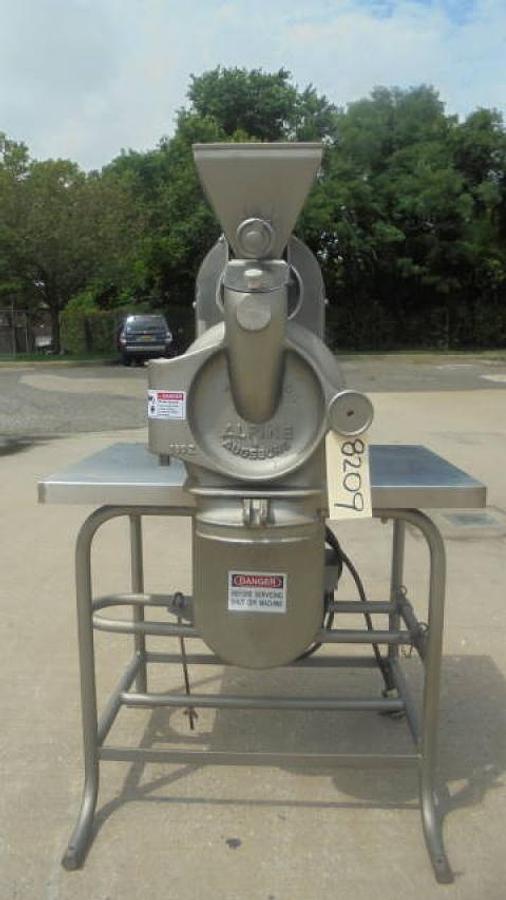
Beyond refrigeration, Alpine also produces industrial milling equipment. The Alpine Pin Mill, for example, is used for size reduction of dry materials and is a common piece of equipment in food processing, chemical, and pharmaceutical production environments. The 160Z and 160-Z models are compact yet capable machines, available in configurations including variable speed drives, which give operators more control over particle size output. Both product lines reflect Alpine's focus on precision engineering for high-throughput industrial use.
What types of used Alpine equipment are typically available on the market?
Used Alpine equipment available through industrial dealers generally falls into two categories: processing machinery and refrigeration or cold storage systems. On the processing side, Alpine pin mills are among the most commonly traded pieces of used Alpine equipment. These machines are used for impact grinding and fine milling of dry bulk materials, and models like the 160Z are frequently found in secondary markets after facilities upgrade or decommission production lines.
On the refrigeration and cold storage side, used Alpine systems appear regularly in the food and beverage industry, where facilities upgrade their infrastructure or consolidate operations. These units are valued for their stainless-steel construction and temperature consistency. Buyers sourcing used Alpine equipment should pay close attention to the specific model number and motor specifications, since configurations like motor horsepower and speed control options vary between units and directly affect whether a machine is suitable for a given application.
What should buyers inspect when purchasing used industrial milling equipment like an Alpine Pin Mill?
Inspecting a used pin mill requires attention to both mechanical condition and wear patterns specific to the machine's function. The grinding pins or discs are high-wear components and should be examined closely for erosion, chipping, or uneven wear. The rotor and stator assemblies should spin freely without wobble or unusual resistance. Bearings are another critical area, since worn bearings on a high-speed mill can cause vibration that degrades product quality and shortens machine life. Buyers should also verify that the motor runs smoothly at the rated horsepower and, on variable speed models, that the drive system responds correctly across its full speed range.
Beyond the mechanical components, buyers should ask the seller about the materials the machine processed in its prior use. Pin mills used with abrasive or corrosive materials may show accelerated internal wear that isn't obvious from an exterior inspection. Reputable dealers will typically offer in-person inspections, video walkthroughs, or photo documentation to help buyers assess condition before purchase. Arranging an inspection at the facility where the machine is currently located, if it is still in production, can give buyers the most accurate picture of how the equipment has been maintained and how it currently performs.
How does buying used industrial equipment differ from buying new, and what are the key risks to understand?
Purchasing used industrial equipment carries a different risk profile than buying factory-fresh machinery. The most significant difference is that used equipment is typically sold as-is, meaning the buyer assumes responsibility for understanding the machine's current condition before committing to a purchase. There are no manufacturer warranties transferred with most used equipment transactions, so the burden of due diligence falls entirely on the buyer. This makes pre-purchase inspection not just a good idea, but an essential step in the process.
That said, used equipment also offers real advantages. The price difference between a used and a comparable machine can be substantial, often 50 to 70 percent less, depending on age, condition, and demand. Lead times are also much shorter since the equipment already exists and doesn't need to be manufactured or configured from scratch. The key to managing risk is selecting a dealer with a verifiable track record in the specific equipment category, requesting thorough documentation of the machine's history where available, and consulting directly with the manufacturer to understand parts availability and support options for that particular model and age of equipment.
What questions should I ask a used equipment dealer before buying an Alpine machine?
Before committing to a purchase, buyers should gather as much operational history as possible. Key questions include: How long was the machine in service? What materials or products was it used to process? Has it undergone any repairs or component replacements, and if so, what was replaced and when? Are maintenance logs or service records available? Answers to these questions help establish how hard the machine was run and whether it received proper upkeep.
Buyers should also ask about inspection options. Reputable dealers should be willing to provide in-person access, a live or recorded video walkthrough, or detailed photographs covering the interior wear components, motor, drive system, and any areas specific to that machine type. It is also worth contacting the manufacturer directly to ask about parts availability and technical support for that model, since older or discontinued machines may have limited service infrastructure. Finally, buyers should ask for a complete breakdown of all costs involved, including packaging, rigging, freight, and any unloading requirements at the destination, to understand the full landed cost before making a decision.
How is shipping typically handled for used industrial equipment like cold storage units or pin mills?
Shipping used industrial equipment involves more complexity than standard freight, and the costs can vary significantly based on machine size, weight, and the level of protection required. Smaller machines like a benchtop or compact pin mill may ship on a standard pallet with appropriate blocking and bracing, while larger refrigeration units or full cold storage systems often require custom crating to prevent damage in transit. Buyers should ask dealers specifically what packaging method will be used and whether that cost is included in the quoted price or billed separately.
For heavier equipment, rigging is a separate consideration. Loading a large machine onto a flatbed or into a container requires forklifts, cranes, or specialized rigging equipment, and those services are typically charged in addition to freight. At the destination, buyers need to confirm they have appropriate unloading equipment available, since carriers are generally not responsible for moving equipment off the truck. Getting a complete cost breakdown from the dealer before finalizing a purchase, covering packaging, rigging, freight, and any special handling, is the only reliable way to know the true landed cost of the equipment.
What are the typical payment terms for purchasing used industrial equipment?
Most used equipment dealers require full payment before a machine is released for shipping. This is standard practice across the industry and reflects the nature of used equipment transactions, where dealers typically do not hold inventory on extended terms. Payment is usually required via wire transfer, though some dealers may accept other forms of business payment depending on the transaction size and the buyer's relationship with the dealer.
Some dealers extend payment terms to repeat customers or established buyers with a documented purchasing history, but this is the exception rather than the rule for first-time transactions. Buyers should clarify payment expectations early in the process, before inspection and negotiation, to avoid surprises at the point of sale. It is also worth confirming what documentation the dealer provides upon payment, such as a bill of sale, title transfer, or certificate of decommissioning, since these records can be important for insurance, accounting, and regulatory purposes.
What is a Pin Mill and what industrial applications is it used for?
A pin mill is a type of impact size-reduction machine that uses two rotating disc assemblies studded with pins to grind dry bulk materials into fine particles. One disc is typically stationary while the other rotates at high speed, and material fed into the center of the discs is subjected to repeated impacts from the pins as it travels outward toward the discharge. The result is a finely ground product with a relatively narrow particle size distribution, which makes pin mills useful in applications where consistency matters.
Common applications include the processing of food ingredients such as spices, sugar, and starch, as well as pharmaceutical powders, chemical compounds, and certain agricultural products. The Alpine 160Z, for example, is a compact pin mill with a 5HP motor suited for small to mid-scale production environments. Variable speed versions of this model allow operators to adjust the rotor speed to achieve different particle size targets without changing physical components. Pin mills are generally preferred over hammer mills when a finer, more uniform grind is required and when the material being processed is not excessively abrasive or fibrous.
How do I evaluate whether a used cold storage or refrigeration system is worth buying?
Evaluating a used cold storage system starts with understanding the unit's age, its maintenance history, and the conditions it operated in. Refrigeration components like compressors, condensers, and evaporator coils have finite service lives, and a system that has been running continuously in a demanding environment will show more wear than one used intermittently. Buyers should ask for any available service records and inquire whether the refrigerant type used in the system is still commercially available, since older systems may use refrigerants that are being phased out under current regulations, which can complicate future servicing.
Physical inspection is important for identifying corrosion, seal deterioration, or damage to insulated panels, all of which affect the unit's ability to maintain consistent temperatures. Stainless-steel construction, which Alpine refrigeration systems are known for, generally holds up well over time, but welds, gaskets, and door seals should be checked carefully. If the system is still operational at its current location, a live temperature performance test is the most reliable way to assess whether it is functioning within spec. Buyers should also consult with a refrigeration technician before finalizing a purchase on a large system, since a professional assessment can identify issues that are not visible during a general walkthrough.
What role does the manufacturer play in supporting used equipment after a sale?
Even after equipment changes hands through a secondary market transaction, the original manufacturer can still be a valuable resource for buyers. Manufacturers often maintain technical documentation, parts catalogs, and service manuals for equipment they have produced, and many will provide support to end users regardless of whether the machine was purchased directly from them. Contacting the manufacturer before buying a used machine is a smart step, since they can confirm whether parts are still available for that specific model, whether the machine is still supported by their service network, and whether any known issues or updates apply to that production run.
The level of support available from a manufacturer typically depends on the age of the equipment and whether the model has been discontinued. For older machines, some components may need to be sourced from third-party suppliers or fabricated to spec, which adds cost and lead time to repairs. For more recent models that are still in production, parts and technical support are generally more accessible. Understanding the manufacturer support landscape before purchasing used equipment helps buyers make a more informed assessment of the long-term cost of ownership and the practical serviceability of the machine they are considering.