Category
Manufacturer
Model
FAQ:
What types of Alpi machinery are typically available on the used market?
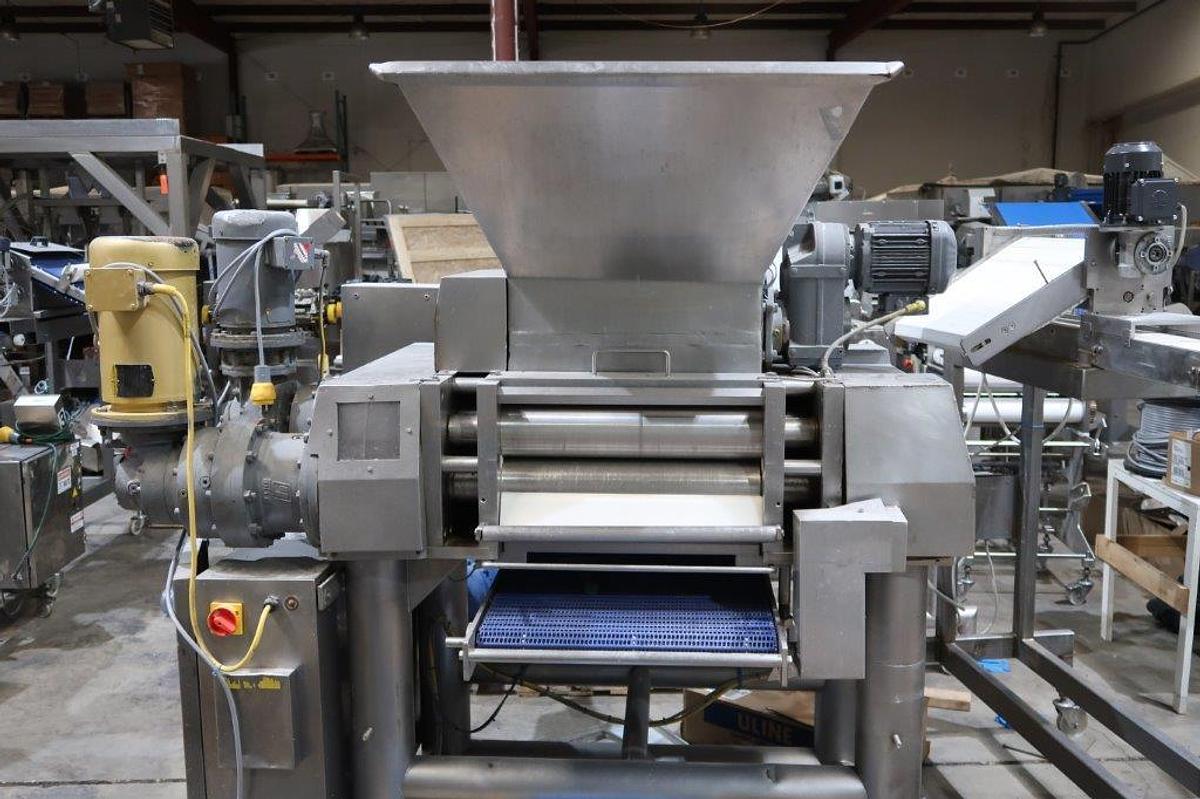
Alpi is an Italian manufacturer with a strong reputation in the woodworking and panel processing industry, particularly in veneer and surface finishing applications. On the used market, buyers commonly find equipment such as veneer slicing machines, double sheeters, log debarkers, drying systems, and panel surface processing lines. One example of equipment that surfaces regularly is the Alpi 540mm Double Sheeter, which is used in veneer and laminate processing operations. The range of available machines tends to reflect the production environments where Alpi equipment was originally installed, which means the inventory skews toward mid-to-large scale woodworking and panel manufacturing facilities.
Because Alpi is considered a premium European brand, its machines were built for demanding production environments, and they retain strong interest from buyers even after years of use. Availability on the used market depends heavily on what facilities are decommissioning or upgrading their production lines at any given time, so the selection can shift. Buyers looking for a specific model or configuration are generally best served by working with a used machinery dealer that specializes in woodworking equipment, as these dealers tend to have deeper sourcing networks and more relevant technical knowledge than general industrial equipment platforms.
What should I know before buying used Alpi woodworking machinery?
Buying used Alpi machinery requires more due diligence than purchasing off-the-shelf equipment, largely because the condition of any individual machine depends on how it was maintained, how intensively it was used, and how long it sat idle before being listed for sale. Alpi machines are built to high standards, but age, previous operating conditions, and storage environment all affect what a buyer is actually getting. Before committing to a purchase, it is worth researching the specific model to understand its typical wear points, what consumable parts it relies on, and whether those parts are still being produced or stocked by suppliers.
Inspection is the single most important step in the buying process. Reputable used equipment dealers will typically offer in-person inspections, video walkthroughs, or photo documentation of the machine in its current state. Some machines may still be installed and running at a facility, which gives buyers a rare opportunity to see the equipment operating under real conditions. Buyers should also contact Alpi or authorized service agents directly to ask about parts availability and technical support for the specific model they are considering, since support levels can vary significantly depending on the age of the machine and whether that model is still within the manufacturer's active support range.
What is the typical price range for used Alpi machinery?
Alpi is positioned in the mid-to-high segment of the European woodworking machinery market, which means used examples tend to carry higher price tags than comparable machines from less recognized brands. Pricing for used Alpi equipment varies widely based on the type of machine, its age, overall condition, and how complete the configuration is. A smaller or older unit in average condition might be priced in the range of a few thousand dollars, while larger, more complex systems such as veneer slicing lines or full surface processing setups can run into the tens of thousands or more.
It is important to factor in costs beyond the listed price. Rigging, crating, freight, and any customs or import duties can add significantly to the total landed cost, especially for larger machines. Buyers should request a full breakdown of these costs from the dealer before making a decision. Machines that require refurbishment or replacement parts after purchase will also affect the true cost of ownership, so getting a realistic picture of the machine's condition during inspection is essential to budgeting accurately.
Is used Alpi machinery suitable for small workshops, or is it designed primarily for industrial production?
Alpi built its equipment for professional and industrial production environments, which means most machines in their lineup were designed to handle sustained, high-volume output. That said, the suitability of a used Alpi machine for a smaller workshop depends on the specific model and the buyer's production needs. A smaller double sheeter or a single-purpose veneer processing unit, for example, may work well in a mid-sized shop that processes veneer regularly, even if the shop is not running at full industrial scale. The key question is whether the machine's throughput, footprint, and power requirements align with what the facility can realistically accommodate.
Smaller workshops should pay close attention to the electrical and utility requirements of any Alpi machine they consider. Many of these machines were designed for three-phase industrial power at voltages that may differ from what is standard in the buyer's country. Running the machine at reduced capacity for years can also create maintenance issues that were not a factor in its original production environment. A pre-purchase inspection and an honest conversation with a knowledgeable dealer about the machine's minimum effective operating conditions can help a smaller buyer avoid purchasing equipment that is simply too large or too demanding for their setup.
What are the power and electrical requirements for Alpi machinery?
Alpi machinery, like most Italian industrial woodworking equipment, was built to operate on European electrical standards. This typically means three-phase power at 380-400 volts and 50 Hz. Buyers located in North America, where the standard is 60 Hz and voltage configurations differ, will need to account for this during installation planning. In many cases, a phase converter or transformer is required, and the cost and feasibility of this conversion should be evaluated before purchasing. For larger machines with multiple motors and control systems, electrical compatibility is a more complex issue that may require consultation with an industrial electrician familiar with imported machinery.
Beyond voltage and frequency, buyers should review the machine's full utility requirements, which can include compressed air, dust extraction capacity, and in some cases, specific ventilation or humidity controls for the production area. Older Alpi machines may have control systems that are no longer supported or that use components that are difficult to source, which is another factor worth investigating before committing to a purchase. Asking the dealer for any available documentation, such as electrical schematics or operator manuals, can make the installation and commissioning process significantly smoother.
How does the inspection process work when buying used Alpi equipment?
Inspection is a standard part of buying used industrial machinery, and most reputable dealers will offer some form of it before a sale is finalized. The options typically include an in-person visit to the dealer's facility or the location where the machine is currently installed, a live video walkthrough conducted via video call, or a set of detailed photographs and video recordings provided by the dealer. Each approach has its trade-offs. In-person inspection gives the buyer the most direct access to the machine, allowing them to check for physical wear, review electrical panels, and assess the overall condition firsthand. Video and photo documentation is more convenient but requires the buyer to ask very specific questions and request close-up views of areas that matter most.
It is worth noting that most used equipment dealers do not have active production facilities, which means they generally cannot run a machine through a full production cycle to test output quality. If a machine is still installed at the plant where it was last used, there may be an opportunity to see it in operation, but this is not always possible. Buyers should go into any inspection with a clear checklist of what they want to assess, including the condition of cutting components, drive systems, control panels, and any wear surfaces. Consulting with a technician who has experience with Alpi equipment before the inspection can help identify the right things to look for.
Are spare parts and technical support available for used Alpi machines?
Parts and support availability for used Alpi machinery depends significantly on the age and model of the machine in question. Alpi, as an established Italian manufacturer, has historically maintained a parts supply for its equipment, but older or discontinued models may have limited support compared to more recent production. Buyers should contact Alpi directly or reach out to authorized service agents in their region to get a clear picture of what support they can expect for a specific machine before purchasing. This step is especially important for buyers outside of Europe, where local service coverage may be less consistent.
For machines where manufacturer support is limited, the used parts market and third-party machine shops can sometimes fill the gap, particularly for mechanical components like bearings, belts, and rollers. Electronic control components are generally harder to source through third parties and may require more creative solutions if they fail. Buyers who are purchasing a used Alpi machine for a production-critical application should have a realistic plan for parts sourcing and maintenance before the machine goes into service. Working with a used machinery dealer that has experience in woodworking equipment can be helpful here, as they may have contacts or resources that a buyer working independently would not.
What are the shipping and logistics considerations for purchasing used Alpi machinery?
Shipping used industrial machinery like Alpi equipment involves more planning than standard freight. The machine needs to be properly prepared for transport, which typically means draining any fluids, securing moving parts, and packaging the unit to prevent damage during loading, transit, and unloading. Depending on the size and weight of the machine, this may involve custom crating or heavy-duty palletization. The cost of this preparation varies and is generally passed on to the buyer, so it is worth asking the dealer upfront for a detailed breakdown of what the packaging and rigging will involve and what those costs will be.
For larger Alpi machines, specialized rigging equipment is needed for loading and unloading, which adds to the overall logistics cost. International shipments also involve customs documentation, import duties, and potentially port handling fees, all of which contribute to the total landed cost of the equipment. Buyers importing machinery from outside their country should work with a freight forwarder experienced in industrial equipment to navigate the documentation requirements and avoid delays at customs. Getting a full landed cost estimate before finalizing a purchase is the most reliable way to avoid budget surprises once the machine is in transit.
What payment terms should buyers expect when purchasing used Alpi machinery?
Used machinery transactions are generally structured differently from retail purchases. Most used equipment dealers require full payment before the machine is released for shipping, which is a standard practice in the industry rather than an exception. This protects the dealer from the risk of shipping a machine before funds are confirmed, and it is a condition buyers should expect regardless of which dealer they work with. For buyers who are new to a particular dealer, full payment upfront is almost always the requirement. Established customers with a purchase history may sometimes be offered different arrangements, but this is at the dealer's discretion.
Payment is typically made by wire transfer for transactions of this size, though the accepted methods can vary by dealer. Buyers should confirm the accepted payment options early in the process and factor in any bank fees or currency conversion costs if purchasing internationally. It is also worth clarifying at what point in the process payment is due relative to inspection, so that the buyer has the opportunity to complete their due diligence before funds are committed. A reputable dealer will be transparent about the payment timeline and will not pressure a buyer to pay before inspection has been completed to the buyer's satisfaction.
How can I evaluate whether a used Alpi machine is the right fit for my production needs?
Matching a used machine to a production requirement starts with understanding the machine's specifications in detail. For Alpi equipment, this means looking at the working width or capacity (such as the 540mm specification on a double sheeter), feed speed, material compatibility, and any tooling or consumable components the machine relies on. These specs should be compared directly against the production requirements of the facility, including the thickness range of materials being processed, the volume of output expected, and any quality tolerances that need to be met. A machine that was ideal for its previous owner's operation may not be the right fit for a different application, even if it is in excellent condition.
Beyond the technical specifications, buyers should think about the practical realities of integrating a used machine into an existing production line. This includes the physical footprint of the machine, how it will connect to upstream and downstream processes, and what operator training may be needed. Talking through these details with the selling dealer is useful, particularly if the dealer has background in woodworking machinery and can speak to how the machine was used in its previous installation. Reviewing any available documentation for the machine, including operator manuals or maintenance records, adds another layer of confidence that the equipment is appropriate for the intended application.