Category
Manufacturer
Model
Alfa Laval
Alfa Laval is a world leader in heat transfer, separation, and fluid handling technologies. Their equipment is critical across sectors like marine, energy, and food processing, with particular emphasis on heat exchangers and centrifugal separators which optimize thermal efficiency and process reliability.
FAQ:
What types of used Alfa Laval equipment are commonly available for sale?
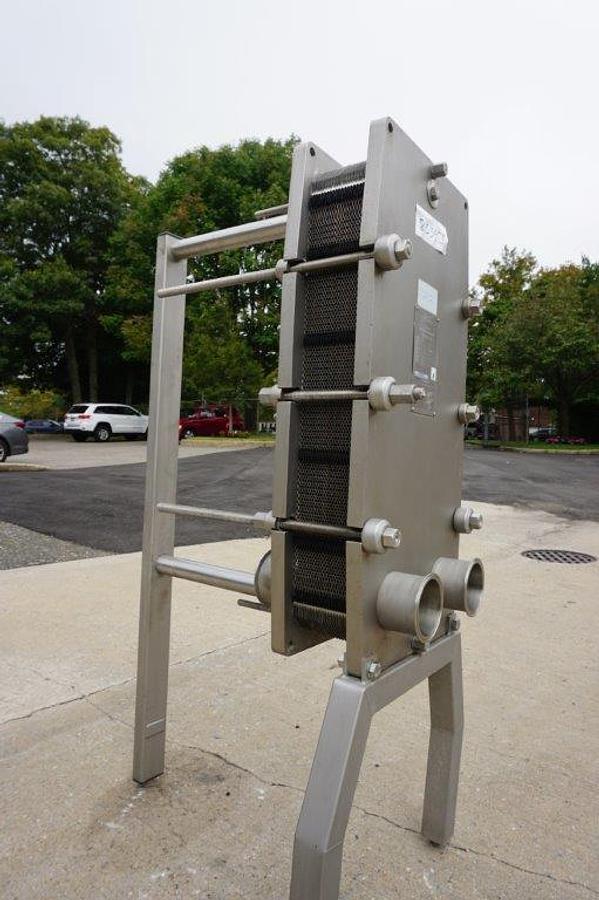
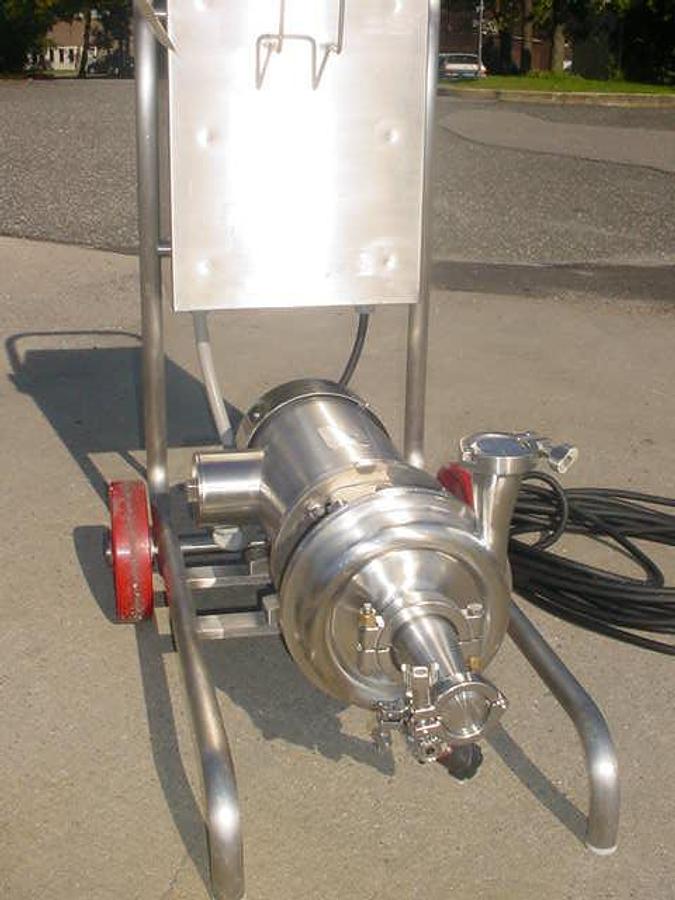
Alfa Laval manufactures a wide range of industrial equipment, and the used market reflects that breadth. The most frequently traded units include plate heat exchangers, spiral heat exchangers, centrifugal separators, decanter centrifuges, sanitary centrifugal pumps, and tank cleaning equipment. Plate heat exchangers tend to dominate the secondary market because of how widely they are deployed across food processing, pharmaceutical, marine, and energy applications. You will also find basket filters, separator bowls, and other fluid handling components listed regularly by reputable dealers.
Beyond heat transfer equipment, Alfa Laval's separation technology products, including disc stack centrifuges and decanters, are in strong demand on the used market because of their high capital cost when purchased through distribution channels. Buyers in the dairy, brewing, edible oil, and wastewater treatment industries are particularly active in sourcing used Alfa Laval separation equipment. Availability shifts over time depending on what plants are decommissioning, so checking with specialized dealers frequently is the best way to find a specific model or configuration.
How do I verify the condition of used Alfa Laval equipment before purchasing?
Verifying condition before committing to a purchase is one of the most important steps a buyer can take. Reputable used equipment dealers will typically offer in-person inspections, video walkthroughs, or detailed photo documentation of the machine. For equipment that is still installed and running at a facility, some dealers can arrange a live inspection at the plant so the buyer can observe the unit in operation. For decommissioned equipment, a thorough visual inspection combined with pressure testing documentation gives a reasonable picture of current condition.
Buyers should ask specifically about any cleaning, pressure testing, or mechanical inspection the dealer has performed prior to listing. It is also worth requesting the model plate data, including the model number, serial number, frame size, and design pressure ratings, since these details are essential for confirming the unit fits your process requirements. Keep in mind that most dealers do not have production-level testing capabilities, as running actual product through a heat exchanger or separator requires permitting and process infrastructure that a machinery dealer will not have on hand. The goal of any inspection is to get an accurate, honest picture of the equipment's mechanical condition and completeness.
Does used Alfa Laval equipment come with a warranty?
Warranties on used industrial equipment are handled very differently than on equipment purchased through a manufacturer or authorized distributor. Alfa Laval, like most original equipment manufacturers, extends warranties only on units sold through their own channels. When equipment enters the secondary market and is sold by a used machinery dealer, it is typically offered on an as-is basis, meaning the buyer takes on the responsibility of evaluating condition prior to purchase.
This makes the selection of a reputable dealer critically important. Buyers should look for dealers with a long track record in the industry, specific experience with process equipment, and a willingness to facilitate thorough inspections. It is also worth contacting Alfa Laval directly to ask about the level of support available for a particular model and serial number, since older or discontinued models may have limited parts availability or reduced factory support. Understanding those factors before purchasing gives buyers a much clearer picture of the total cost of ownership for a used unit.
How do I find the model number and specifications for a used Alfa Laval unit?
Every Alfa Laval unit is stamped with a model plate, sometimes called a nameplate or data plate, that contains the key identifying information for that machine. This plate typically includes the model number, serial number, frame size, design pressure, temperature ratings, and in some cases the number of plates or the surface area for heat exchangers. This information is what you need to confirm compatibility with your process, source gaskets and spare parts, and get accurate technical documentation from Alfa Laval or third-party suppliers.
When reviewing a used Alfa Laval listing, ask the dealer to provide a clear photo of the model plate if it is not already included in the listing. Cross-referencing the model number against Alfa Laval's published technical documentation or contacting their service team directly will give you access to the original design specifications. For plate heat exchangers specifically, the number of plates currently installed versus the maximum frame capacity is worth confirming, since units are sometimes sold with fewer plates than the frame can hold, which affects heat transfer performance.
Are replacement parts and gaskets still available for older Alfa Laval models?
Parts and gasket availability is one of the most practical concerns when buying used Alfa Laval equipment, and it varies considerably by model age and type. Alfa Laval has an extensive global service network and stocks gaskets and spare parts for many of their plate heat exchanger models, including some that have been out of production for years. Third-party gasket manufacturers also produce compatible gaskets for common Alfa Laval plate patterns, which can be a cost-effective alternative for high-volume replacement needs.
For older or discontinued models, availability can be more limited, and lead times for specialty components may be longer. Before purchasing a used unit, it is a good idea to identify the plate pattern and gasket type, then confirm with Alfa Laval's service team or a qualified parts supplier whether those components are currently stocked. For centrifugal separators and decanters, wear parts such as bowl components, bearings, and seals are generally available for mainstream models, but buyers should verify this for any unit that is more than 15 to 20 years old. Factoring in parts availability before purchase prevents unpleasant surprises during the first maintenance cycle.
What industries use Alfa Laval heat exchangers and separators most heavily?
Alfa Laval has built its reputation across a remarkably broad range of industries, which is part of why their equipment holds value so well on the secondary market. In the food and beverage sector, their plate heat exchangers and centrifugal separators are workhorses in dairy processing, brewing, edible oil refining, and juice production. The pharmaceutical and biotechnology industries rely on their sanitary-grade equipment for processes that demand precise temperature control and cleanability. Marine applications, including fuel oil treatment and lube oil purification on vessels, represent another major segment where Alfa Laval separators are standard equipment.
On the energy and industrial side, Alfa Laval heat exchangers are used extensively in HVAC systems, power generation, chemical processing, and offshore oil and gas operations. Their equipment is also found in wastewater treatment plants, where decanters and separators handle sludge dewatering. This cross-industry demand means that a used Alfa Laval unit decommissioned from one industry can often be repurposed in another, which contributes to active trading in the secondary market and generally supports resale values compared to more application-specific equipment brands.
What should I ask a dealer before buying used Alfa Laval equipment?
Going into a used equipment purchase with a clear list of questions saves time and reduces the risk of surprises after delivery. Start with the basics: ask for the full model plate data, including model number, serial number, and design ratings. Ask whether the unit has been cleaned and inspected, and whether any pressure testing has been performed. Find out how the equipment was used in its previous application, since a heat exchanger that processed clean water has a very different service history than one used in a chemical plant. Request photos of all major components, including the plate pack, gaskets, frame, and any associated controls or instrumentation.
On the logistics side, ask about packaging and crating, since the answer directly affects the landed cost of the equipment. Larger units may require rigging for loading and unloading, which is typically an added cost. Confirm whether the dealer requires full payment prior to shipping, which is standard practice in the used equipment industry. Finally, ask whether an in-person or video inspection can be arranged if you want to evaluate the equipment yourself before committing. A dealer who is transparent and accommodating on all of these points is generally a more reliable partner than one who is evasive or discourages inspection.
How does used Alfa Laval equipment compare in value to purchasing through a manufacturer distributor?
The price difference between used and distributor-sourced Alfa Laval equipment can be substantial, often 40 to 70 percent less for comparable units depending on age, condition, and model. For buyers with tight capital budgets or short project timelines, the used market offers access to proven, industrial-grade equipment at a fraction of the cost of sourcing through official channels. This is particularly relevant for plate heat exchangers and centrifugal separators, which carry high list prices and often have long lead times when ordered through distribution.
The tradeoff is that used equipment comes without manufacturer support packages, and the buyer takes on more responsibility for verifying condition and sourcing any needed parts or service. For applications where process uptime is critical and the cost of downtime is high, buyers sometimes choose to invest in a thorough pre-purchase inspection, gasket replacement, and any necessary reconditioning work before putting a used unit into service. In many cases, even after accounting for those costs, the total investment in a used Alfa Laval unit remains well below the cost of a comparable unit sourced through standard distribution channels.
What are the typical shipping and logistics considerations for used Alfa Laval equipment?
Shipping used industrial equipment involves more planning than standard freight, and the costs can vary significantly based on the size and weight of the unit. Plate heat exchangers range from compact units that can ship on a standard pallet to large frame-and-plate assemblies that require custom crating and flatbed transport. Centrifugal separators and decanters are dense, precision-machined machines that need careful packaging to protect rotating components and machined surfaces during transit. Buyers should ask dealers specifically about how the equipment will be packaged and what level of crating or palletization is included in the quoted price.
For larger or heavier units, rigging is often required at both ends of the shipment, which adds to the total landed cost. This includes forklift or crane work to load the equipment at the dealer's facility and unload it at the buyer's site. International shipments involve additional considerations around customs documentation, harmonized tariff codes, and import duties. Getting a clear breakdown of all shipping-related costs before finalizing a purchase, rather than treating freight as an afterthought, is the best way to avoid budget surprises and ensure the equipment arrives in the condition it left.
Why does used Alfa Laval equipment hold its value so well compared to other industrial equipment brands?
Alfa Laval's reputation in the secondary market comes down to a few consistent factors. The company has been engineering heat transfer, separation, and fluid handling equipment for well over a century, and that longevity translates into a large installed base of equipment that buyers recognize and trust. Their plate heat exchangers and centrifugal separators are built to demanding industrial standards, and many units remain mechanically sound after 20 or more years of service when properly maintained. That durability gives buyers confidence that a used unit can deliver reliable performance after recommissioning.
Brand recognition also plays a role in resale value. Process engineers and plant managers in food, pharmaceutical, marine, and energy industries are familiar with Alfa Laval's design conventions, maintenance requirements, and parts ecosystem. That familiarity reduces the learning curve and lowers perceived risk compared to buying a used unit from a less established manufacturer. The global availability of gaskets, spare parts, and service expertise through both Alfa Laval's own network and third-party suppliers further supports resale demand, since buyers know they can keep the equipment running long after the purchase.