Category
Manufacturer
Model
FAQ:
What types of Airco equipment are available for sale on the used market?
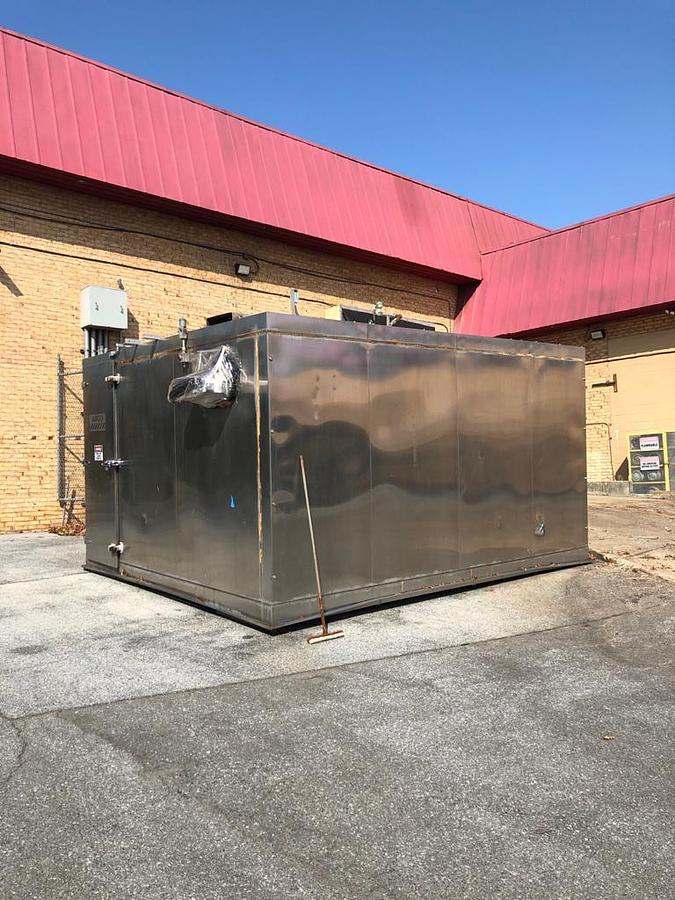
Airco (Air Reduction Company) produced a remarkably broad range of industrial equipment during its years of operation, and a good variety of that equipment continues to circulate on the used market today. The most commonly found pieces include MIG welders, TIG welders, stick welders, plasma cutters, gas regulators, and cutting torches. Beyond welding and cutting equipment, Airco also manufactured industrial gas distribution equipment and specialty food processing machinery. A notable example of the latter is the Airco "Kwik Freeze" CO2 Spiral Freezer, which represents the company's reach into industrial refrigeration and food processing applications.
Because Airco was acquired by the BOC Group in the 1970s and 1980s and the brand was eventually discontinued, every piece of Airco equipment available today is a used machine. There is no current production of Airco-branded equipment. That said, the used inventory available through reputable industrial dealers and surplus channels can be substantial, covering both light fabrication tools and heavier industrial machinery. Buyers looking for specific models or configurations are best served by working with dealers who specialize in industrial equipment and maintain organized, searchable inventories, as availability of any particular model can vary considerably depending on what has recently come to market.
Is Airco equipment still being manufactured?
Airco equipment is no longer in production. The Air Reduction Company was a major force in industrial gas supply and welding equipment manufacturing for much of the twentieth century, but the company was acquired by BOC Group during the 1970s and 1980s. Over time, the Airco brand was phased out, and no manufacturer currently produces equipment under that name. This means that any Airco equipment available for purchase today is a used machine, sourced from industrial facilities, plant closures, equipment auctions, or surplus dealers.
For buyers, this context matters quite a bit. Sourcing used Airco equipment requires working with reputable dealers who can accurately describe the condition and history of each machine. Because these are vintage machines, age and hours of use vary widely from one unit to the next, and condition assessments become especially important before committing to a purchase. The upside is that Airco built equipment to a very high standard, and many units have remained functional for decades beyond their original service dates. Buyers willing to do their due diligence can find machines that still perform reliably for demanding industrial applications.
How do I assess the condition of used Airco equipment before buying?
Evaluating the condition of used Airco equipment takes a bit more care than buying a current-production machine, primarily because these units are vintage and vary significantly in how they have been maintained and stored. The first step is to request a thorough inspection. Reputable used equipment dealers will typically accommodate in-person inspections, virtual walkthroughs, or detailed video captures of the machine. These inspections allow a buyer to assess visible wear, check for signs of corrosion or damage, and review the overall mechanical condition. In some cases, equipment may still be installed and running at an active facility, which creates an opportunity to observe it under actual operating conditions.
It is worth understanding that most equipment dealers do not have the permitting or infrastructure to run full production tests, so a functional test in a production sense may not always be possible. What a buyer can reasonably expect is an honest visual and mechanical review of the machine's current state. Consulting with a qualified technician or someone familiar with Airco equipment before finalizing a purchase is a smart move, particularly for larger or more complex machinery. Buyers should also contact the manufacturer of any components or sub-systems to understand what level of technical support is still available for that specific model and age of equipment, as this can affect long-term serviceability.
What is the typical price range for used Airco welding machines?
Pricing for used Airco welding equipment varies considerably depending on the type of machine, its age, its condition, and what the market looks like at the time of purchase. Smaller stick welders and older transformer-based MIG units can sometimes be found in the range of a few hundred dollars, particularly through local surplus channels or private sales. Larger, more capable machines such as multi-process welders, TIG units with water-cooled torches, or industrial plasma cutting systems will typically command higher prices, often running into the low thousands of dollars for units in good working condition.
Specialty Airco equipment, such as industrial gas distribution systems or food processing machinery like spiral freezers, is priced based on its own market dynamics and tends to be quoted individually given the complexity and variability of those systems. When budgeting for any used Airco purchase, buyers should factor in more than just the machine price. Shipping, rigging, crating, and any reconditioning or parts replacement needed after delivery can add meaningfully to the total landed cost. Getting a clear picture of all those costs upfront, before the purchase is finalized, helps avoid surprises and makes it easier to compare options across different sellers.
Can I find replacement parts for used Airco equipment?
Finding parts for Airco equipment is one of the more practical challenges buyers face, and it is worth thinking through before committing to a purchase. Since Airco no longer operates as a manufacturer, there is no active production of Airco-branded replacement parts. OEM components are not being made, which means buyers rely on a combination of existing old-stock parts, aftermarket alternatives, and cross-compatible components from other manufacturers. For welding equipment specifically, many Airco machines share design characteristics and consumable specifications with equipment from Lincoln Electric, Miller, and other established brands, which makes sourcing compatible consumables and some internal components more manageable than it might initially seem.
For more specialized or proprietary components, the search can be more involved. Industrial parts suppliers, equipment rebuilders, and online marketplaces that cater to vintage machinery are often the best starting points. Before purchasing a used Airco machine, it is a good idea to research parts availability for that specific model. Contacting manufacturers of similar current equipment to ask about cross-compatibility can save a lot of time later. Buyers should also ask the selling dealer whether they have any spare parts, documentation, or service manuals available for the unit, as original documentation can be genuinely valuable for older machines that are no longer supported through standard service channels.
How does used Airco equipment compare in quality to current welding brands?
Airco built equipment with a reputation for being overbuilt by the standards of its era, which is a significant reason why so many units are still in service or available on the used market decades after production ended. The company used heavy-gauge materials and conservative engineering tolerances, which contributed to long service lives even under demanding industrial conditions. Welders and fabricators who have worked with vintage Airco equipment often describe it as exceptionally durable, with transformer-based designs that are straightforward to service and less sensitive to harsh shop environments than some modern inverter-based machines.
That said, current brands like Lincoln Electric and Miller have advanced considerably in terms of features, energy efficiency, and process control. Modern inverter welders are lighter, more energy-efficient, and often include digital controls and automated parameter settings that older Airco machines simply do not have. For buyers who prioritize raw durability, simplicity, and low-tech serviceability, a well-maintained used Airco machine can be a very practical choice. For applications that require precise electronic control, synergic MIG settings, or compatibility with the latest wire and gas combinations, a current-production machine may be a better fit. The right answer depends heavily on the application and the buyer's priorities.
What should I know about shipping and delivery of used Airco equipment?
Shipping used industrial equipment like Airco welders or processing machinery involves logistics that are meaningfully different from standard freight. The weight and dimensions of industrial machines often require palletization or custom crating to prevent damage in transit, and the level of packaging needed will affect the overall shipping cost. Smaller welding units may ship on a standard pallet with proper blocking and strapping, while larger machines such as spiral freezers or heavy welding systems may require full wooden crating or even custom skids built to the machine's footprint. Buyers should ask the dealer specifically how the equipment will be packaged and what that packaging is designed to protect against during transit.
For heavier equipment, rigging costs are an additional factor that buyers often underestimate. Loading a large machine at the dealer's facility and unloading it at the destination may require a forklift, crane, or specialized rigging crew, all of which carry their own costs. Buyers should request a complete breakdown of shipping, rigging, and crating charges before finalizing a purchase so the full landed cost is clear. It is also worth confirming what equipment or access is available at the delivery site, since a machine that arrives without a means of unloading it creates a significant logistical problem. Good dealers will walk buyers through these considerations as part of the sales process.
What are the payment terms typically used when purchasing used Airco equipment?
Payment practices in the used industrial equipment market tend to follow a fairly consistent pattern. Most dealers require full payment before a machine ships, which protects the seller given the high value and logistical complexity of industrial equipment transactions. This is standard practice across the industry and applies whether the buyer is purchasing a small welding unit or a large piece of processing machinery. Buyers should be prepared to pay in full prior to shipment and should factor that into their purchasing timeline, particularly if internal approval processes or financing arrangements are involved.
Some dealers may offer payment terms to established customers with a track record of prior purchases, but this is typically extended on a case-by-case basis rather than as a standard offering. For buyers making a first purchase from a particular dealer, full prepayment is the norm. When wiring funds or making a significant payment for used equipment, it is always worth verifying the dealer's credentials and history before transferring money. Working with dealers who have a documented track record in the industry and who are transparent about their inventory, inspection process, and shipping practices reduces the risk associated with prepayment arrangements.
What is the Airco Kwik Freeze CO2 Spiral Freezer used for?
The Airco "Kwik Freeze" CO2 Spiral Freezer is a piece of industrial food processing equipment designed for high-throughput cryogenic freezing using carbon dioxide as the refrigerant. Spiral freezers are used in food manufacturing environments where products need to be frozen quickly and continuously as they move along a production line. The spiral conveyor design allows a large volume of product to be processed within a relatively compact footprint, making it practical for facilities with space constraints. CO2-based cryogenic freezing is known for achieving very rapid temperature reduction, which helps preserve product texture, moisture content, and overall quality compared to slower mechanical freezing methods.
This type of equipment is typically found in meat processing, seafood, baked goods, and prepared food manufacturing facilities. The Airco Kwik Freeze units available on the used market are vintage machines, and buyers considering one should carefully evaluate the condition of the conveyor system, the CO2 distribution components, and any insulation or sealing elements that affect freezing efficiency. As with any used food processing equipment, a thorough inspection is important, and buyers should also look into the availability of service support and any parts that are likely to need attention based on the machine's age and operating history.
How do I choose a reputable dealer when buying used Airco equipment?
Selecting the right dealer is one of the most important decisions in a used equipment purchase, especially for vintage machinery like Airco equipment where condition assessment and accurate description matter a great deal. A reputable dealer will have a documented history of selling industrial equipment, will be transparent about the condition of each machine, and will actively support the inspection process rather than discouraging it. Look for dealers who specialize in the type of equipment you are buying, whether that is welding and cutting machinery or food processing equipment, since specialization tends to correlate with more accurate condition assessments and better knowledge of what buyers need to know.
Practical indicators of a trustworthy dealer include willingness to arrange in-person or video inspections, clear and detailed descriptions of each machine's condition, straightforward answers about any known issues, and a track record that can be verified through industry references or established business history. Buyers should also ask about the dealer's sourcing practices, since equipment that has come from a documented industrial facility with known operating history is generally easier to evaluate than machinery of unknown origin. Taking the time to vet a dealer before committing to a purchase is time well spent, particularly for higher-value machines where the cost of a poor decision is significant.